Low vs High Estrogen Symptoms Signs of Hormonal Imbalance Every Woman Should Know
Hormones influence nearly every aspect of a woman’s health, from energy levels and mood to skin, metabolism, reproductive health, and overall well-being. Among these hormones, estrogen plays one of the most important roles. While it is often discussed in relation to fertility and menopause, estrogen affects much more than the reproductive system. When estrogen levels become too low or too high, the body may begin sending signals that something is out of balance.
This guide explores the common differences between low estrogen and high estrogen symptoms, helping you better understand what each hormonal state may look like. Although many symptoms can overlap with other health conditions, recognizing common patterns can help you decide when it’s time to seek medical advice and support your hormonal health through healthy lifestyle habits.
Key Takeaways
- Low and high estrogen can produce different physical and emotional symptoms.
- Hormonal balance affects skin, mood, energy, reproductive health, and metabolism.
- Symptoms alone cannot diagnose a hormone imbalance.
- Healthy lifestyle habits support overall hormonal wellness.
- Persistent symptoms should always be discussed with a healthcare professional.
Understanding the Role of Estrogen
Estrogen is a hormone primarily produced by the ovaries, although smaller amounts are also produced by body fat and the adrenal glands. Throughout different stages of life, estrogen helps regulate the menstrual cycle, supports bone strength, maintains healthy skin, influences cardiovascular function, and contributes to emotional well-being.
Estrogen levels naturally fluctuate during puberty, pregnancy, the menstrual cycle, perimenopause, and menopause. Temporary changes are normal. However, consistently high or low estrogen levels may contribute to symptoms that affect daily life.
Important: Hormonal symptoms rarely exist in isolation. Sleep quality, nutrition, stress, medications, thyroid health, and underlying medical conditions can all influence how your body feels. Looking at your health as a whole provides a clearer picture than focusing on a single symptom.
Common Signs of Low Estrogen
Low estrogen can develop for many reasons, including natural menopause, intense exercise, significant weight loss, certain medications, or medical conditions affecting hormone production. The symptoms often develop gradually.
Dry or Less Elastic Skin
Estrogen contributes to collagen production and skin hydration. When levels decrease, skin may feel drier, thinner, or less firm than usual.
Fatigue and Brain Fog
Many women describe low estrogen as feeling mentally sluggish or unusually tired. Difficulty concentrating, forgetfulness, and reduced mental clarity are commonly reported.
Breast Dryness or Reduced Fullness
Changes in estrogen may affect breast tissue, resulting in noticeable differences in texture or fullness.
Hot Flashes
One of the most recognized symptoms of declining estrogen is the sudden feeling of warmth that spreads across the face, neck, and upper body. Hot flashes may also be accompanied by sweating or chills.
Lower Libido
Hormonal changes can influence sexual desire and comfort. Reduced estrogen may contribute to decreased interest in intimacy.
Bloating
Although bloating is often linked with high estrogen, digestive changes and hormonal fluctuations of many kinds may also contribute to abdominal discomfort.
Fertility Challenges
Healthy estrogen levels support ovulation and reproductive function. Low levels may interfere with regular ovulation and fertility.
Bone Health
Estrogen plays an important role in maintaining bone density. Over time, prolonged estrogen deficiency can contribute to weaker bones.
Why This Matters
- Hormonal changes often develop gradually rather than overnight.
- Tracking symptoms over several months can provide valuable information for healthcare appointments.
- Early attention may help prevent symptoms from becoming more disruptive.
Common Signs of High Estrogen
High estrogen can occur when the body produces excess estrogen or when estrogen is relatively high compared to progesterone. Symptoms often involve fluid retention, breast changes, and menstrual irregularities.
Bloating and Water Retention
Fluid retention is one of the most common complaints associated with elevated estrogen. Rings may feel tighter, clothing may fit differently, and swelling can become more noticeable before menstruation.
Breast Tenderness
Higher estrogen levels may increase breast sensitivity, swelling, or discomfort, particularly during certain phases of the menstrual cycle.
Mood Changes
Hormones influence neurotransmitters in the brain. Some women experience increased irritability, emotional sensitivity, or mood swings when estrogen levels are elevated.
Pro Tip: Keeping a symptom journal alongside your menstrual cycle can reveal patterns that might otherwise go unnoticed. Recording sleep, mood, energy, and physical symptoms for several months can provide valuable insight during medical consultations.
Heavy or Painful Periods
Changes in estrogen balance may contribute to heavier menstrual bleeding or increased cramping in some women.
Fibroids
Hormonal influences may play a role in the growth of uterine fibroids. Not every woman with fibroids has high estrogen, but hormones can be one contributing factor.
Reduced Libido
Although often associated with low estrogen, hormonal imbalance of any kind may influence sexual desire and satisfaction.
Symptoms That Can Overlap
One of the biggest challenges with hormone imbalances is that several symptoms appear in both low and high estrogen conditions. Fatigue, bloating, mood changes, and changes in libido can occur in multiple hormonal situations.
Because these symptoms are not unique to estrogen, healthcare professionals typically consider your medical history, menstrual cycle, physical examination, and when appropriate, laboratory testing before making conclusions.
Factors That Can Influence Estrogen Levels
- Age and natural life stages
- Pregnancy and postpartum recovery
- Perimenopause and menopause
- Nutrition and body weight
- Exercise habits
- Chronic stress
- Certain medications
- Underlying medical conditions
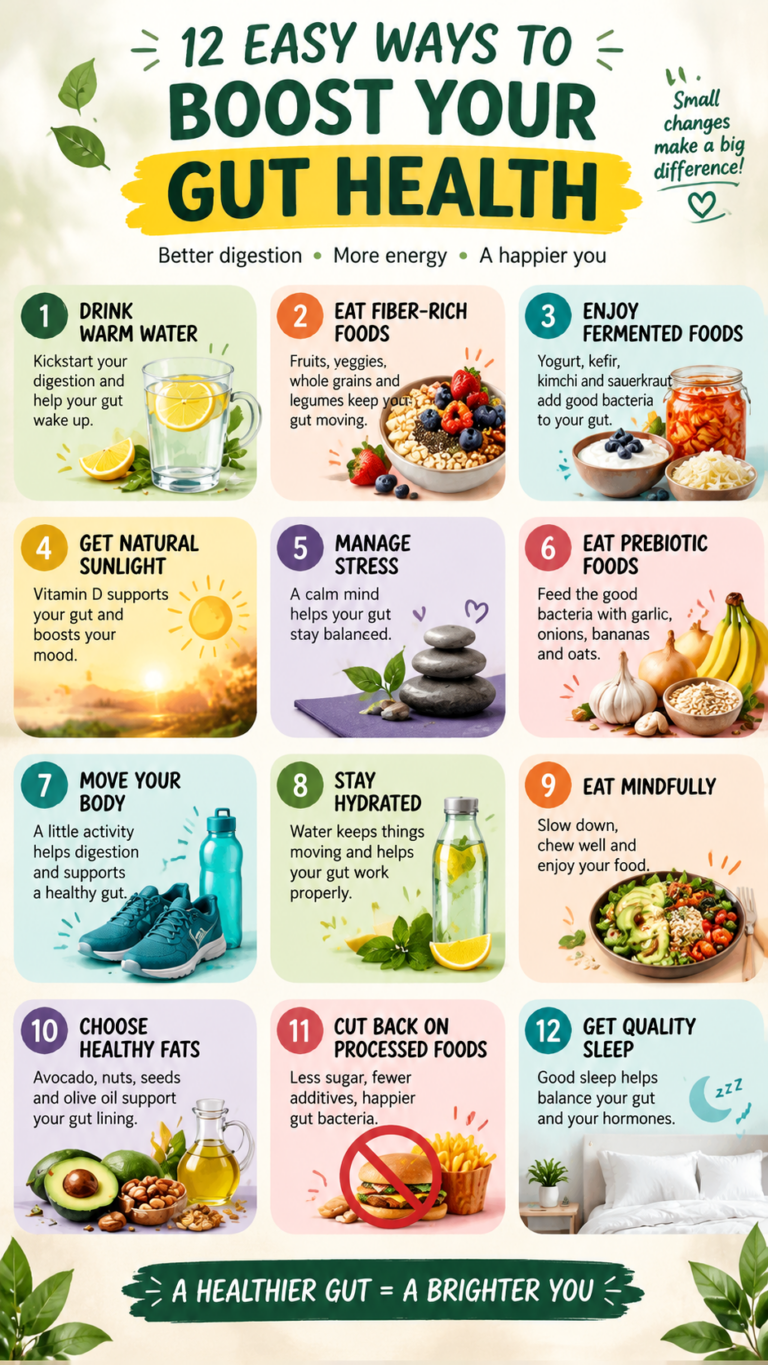
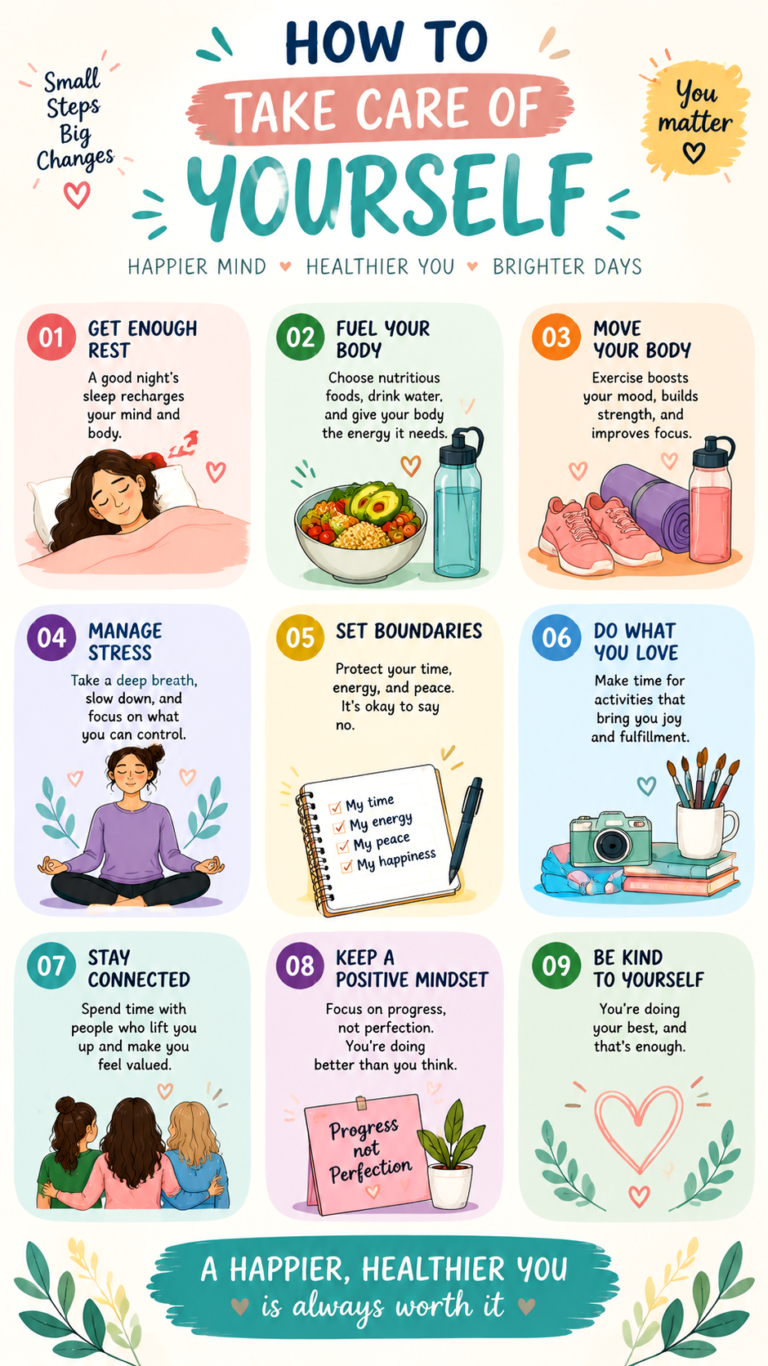
Supporting Healthy Hormone Balance
While every woman’s hormonal needs are unique, daily habits play an important role in supporting overall wellness.
Prioritize Balanced Nutrition
Choose meals rich in vegetables, fruits, lean proteins, healthy fats, whole grains, and fiber. Nutrient-rich foods support many of the body’s hormone-related processes.
Stay Physically Active
Regular movement supports cardiovascular health, bone strength, stress management, and overall hormonal wellness.
Improve Sleep Quality
Consistent, restorative sleep helps regulate many hormones that influence mood, metabolism, and energy.
Manage Stress
Chronic stress affects multiple hormone systems. Relaxation techniques, enjoyable hobbies, mindfulness, and regular exercise may help reduce stress over time.
Important: Hormone supplements or treatments should never be started solely based on symptoms listed online. A proper evaluation helps determine whether estrogen or another health issue is contributing to your symptoms.
When to Seek Medical Advice
Consider speaking with a healthcare professional if you experience persistent fatigue, severe menstrual changes, ongoing hot flashes, significant mood changes, unexplained breast discomfort, fertility concerns, or symptoms that interfere with your quality of life.
Early evaluation may help identify hormone imbalances, nutritional deficiencies, thyroid conditions, or other health concerns that require personalized treatment.
At a Glance
- Low estrogen and high estrogen have distinct but sometimes overlapping symptoms.
- Healthy habits support overall hormonal wellness.
- Track symptoms over time rather than relying on isolated changes.
- Professional evaluation provides the most accurate diagnosis.
Conclusion
Understanding the differences between low estrogen and high estrogen symptoms can help you become more aware of changes in your body without jumping to conclusions. Hormonal balance is influenced by age, lifestyle, overall health, and natural biological changes. Paying attention to recurring symptoms, maintaining healthy daily habits, and seeking medical guidance when concerns arise are practical steps toward better long-term wellness.
Remember that every woman experiences hormonal changes differently. Rather than focusing on a single symptom, look for patterns, stay informed, and work with a qualified healthcare provider to develop a plan that supports your individual health goals.
Tags
Low Estrogen High Estrogen Hormonal Imbalance Women’s Health Estrogen Symptoms Hormone Balance Menopause Women’s Wellness