Signs Youre Carrying Too Much Gentle Reminders to Slow Down and Rest
Life can sometimes feel like a never-ending list of responsibilities, expectations, and tasks. When your mind is constantly racing, small things start to feel overwhelming, and rest never seems quite enough, it may be a sign that you are carrying more than you should. Learning to recognize these moments is an important step toward creating a calmer, healthier lifestyle.
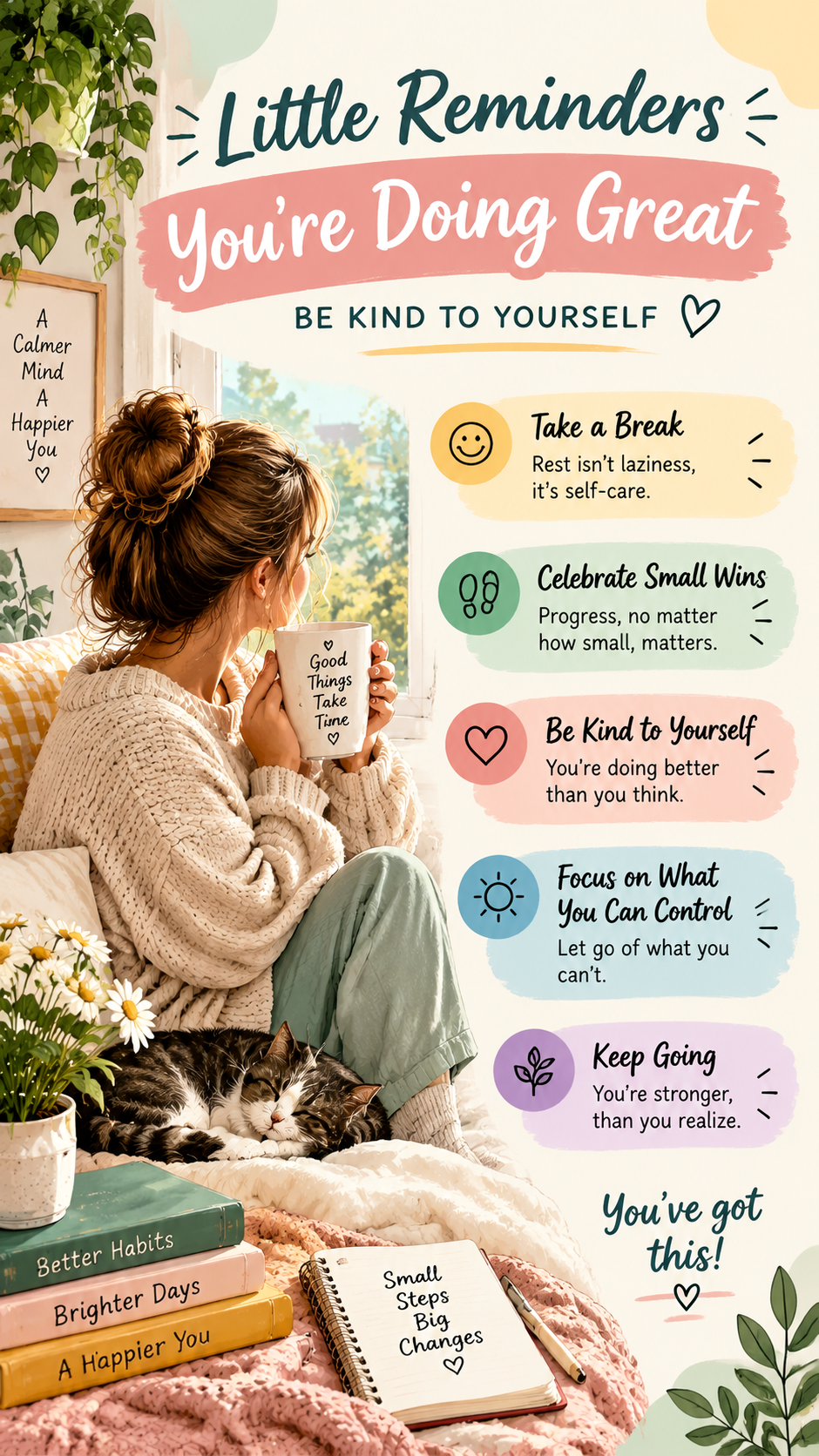
The journey toward balance begins with understanding your emotional energy, setting gentle boundaries, and making space for yourself. Self-care is not about being lazy or avoiding responsibilities. It is about restoring your ability to handle daily challenges with more patience, clarity, and peace.
Key Takeaways
- Feeling constantly rushed can be a sign that your mind needs more space and rest.
- Simple tasks feeling difficult may indicate emotional overload.
- Small self-care habits can help rebuild energy and improve daily balance.
- Creating moments of calm is essential for mental wellness and personal growth.
- You do not have to handle everything perfectly to make progress.
Understanding the Signs You Are Carrying Too Much
Many people become so used to being busy that they stop noticing when their emotional and mental load has become too heavy. Being productive and responsible are valuable qualities, but constantly pushing yourself without recovery can leave you feeling drained.
The signs of carrying too much are often subtle. They may appear as a racing mind, difficulty relaxing, constant tiredness, or a feeling that even simple responsibilities require more energy than you have available.
Important: Feeling overwhelmed is often your mind’s way of asking for attention, not a sign that you are failing. Recognizing your limits allows you to create healthier habits before exhaustion takes over.
1. You Always Feel Rushed
A constant sense of urgency can make every day feel like a race. Even when you have enough time, your thoughts may tell you that you should be doing more, finishing faster, or preparing for the next responsibility.
A busy schedule is not always the problem. Sometimes the real issue is that your mind never receives a chance to slow down. Without moments of quiet, your nervous system can remain in a state of constant alertness.
Ways to Create More Breathing Room
- Start your morning without immediately checking messages or tasks.
- Choose the most important priorities instead of trying to complete everything.
- Add short pauses throughout your day to reset your thoughts.
2. Small Tasks Begin to Feel Overwhelming
When your emotional energy is low, everyday activities can suddenly feel much bigger than they normally would. Answering an email, cleaning a room, or completing a simple task may require more effort than expected.
This does not mean the task itself has changed. It may simply mean your mental resources are already being used by stress, worries, and constant responsibilities.
Simple Strategies for Overwhelming Days
- Break large tasks into smaller, manageable steps.
- Celebrate completing small actions instead of waiting for major achievements.
- Give yourself permission to slow down when needed.
3. Feeling Tired Even After Rest
Rest is not only about sleeping. True recovery also comes from emotional relaxation, peaceful routines, and moments where you are not constantly thinking about what comes next.
If you wake up tired or feel exhausted despite taking breaks, it may be a reminder to look at your overall lifestyle. Your body and mind both need care.
Why Learning to Slow Down Matters
Modern life often encourages people to stay busy all the time. Many people measure success by how much they accomplish, but constant productivity without balance can affect happiness, creativity, and emotional well-being.
Slowing down does not mean giving up. It means creating enough space to enjoy your life, understand your needs, and make decisions from a place of calm rather than exhaustion.
Why This Matters
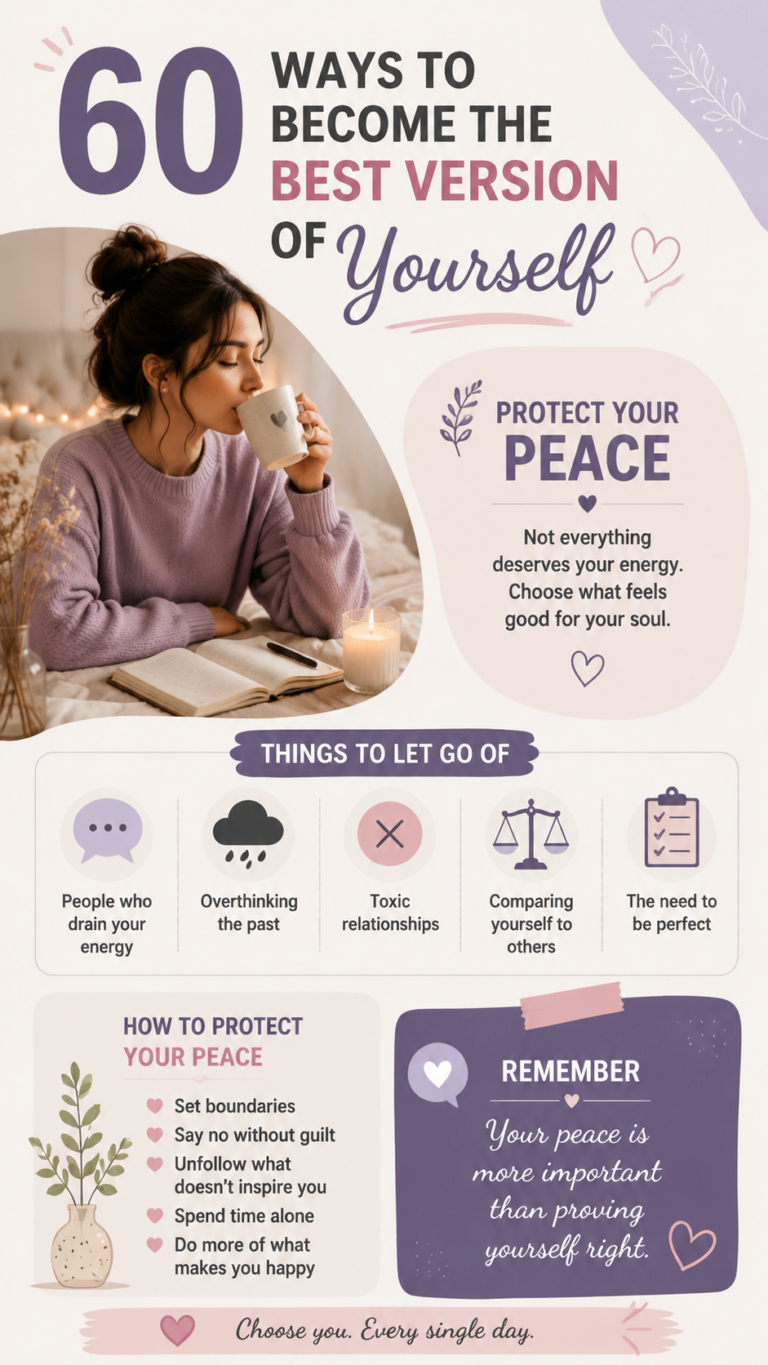
A peaceful lifestyle is built through small choices. Taking breaks, protecting your energy, and practicing self-kindness can create lasting changes in the way you experience daily life.
How to Practice Gentle Self-Care Every Day
Self-care does not need to involve complicated routines or expensive activities. The most meaningful habits are often simple practices that help you reconnect with yourself.
Create Small Moments of Calm
A peaceful home environment, a warm drink, a comfortable reading corner, or a few quiet minutes alone can help your mind recover from daily stress.
These small moments remind you that you deserve care too. You do not have to wait until everything is finished before allowing yourself to rest.
Build Healthier Daily Habits
- Keep a simple morning or evening routine that feels calming.
- Spend less time multitasking and more time being present.
- Write down thoughts and worries to clear mental space.
- Make time for activities that bring comfort and joy.
Learn to Release Unnecessary Pressure
Many people carry expectations that were never truly theirs to hold. Comparing yourself to others, trying to please everyone, or believing you must always be productive can create unnecessary stress.
Giving yourself permission to do less can sometimes help you become more focused, creative, and present.
Creating a More Balanced Lifestyle
A balanced lifestyle is not about having perfect days. It is about noticing when you need support and making small adjustments that protect your well-being.
Start by asking yourself simple questions:
- What is currently taking most of my energy?
- What activities help me feel peaceful?
- Where can I create more space for rest?
These questions can help you understand your needs and create routines that feel more sustainable.
At a Glance
- Recognize when stress starts building.
- Choose rest without guilt.
- Focus on small, meaningful self-care habits.
- Create routines that support peace and balance.
Conclusion: You Do Not Have to Carry It All
Life will always come with responsibilities, challenges, and unexpected moments. However, carrying everything alone and constantly pushing yourself can leave you disconnected from the things that bring you joy.
Learning to slow down, practice self-compassion, and create moments of rest is a powerful form of personal care. Your worth is not measured by how much you complete in a day. Sometimes the most productive thing you can do is pause, breathe, and give yourself the kindness you offer to others.
Remember that progress does not require perfection. A calmer, more balanced life begins with small steps, gentle choices, and the reminder that you deserve rest too.
Tags
Self Care
Mental Wellness
Slow Living
Stress Relief
Mindful Habits
Emotional Balance