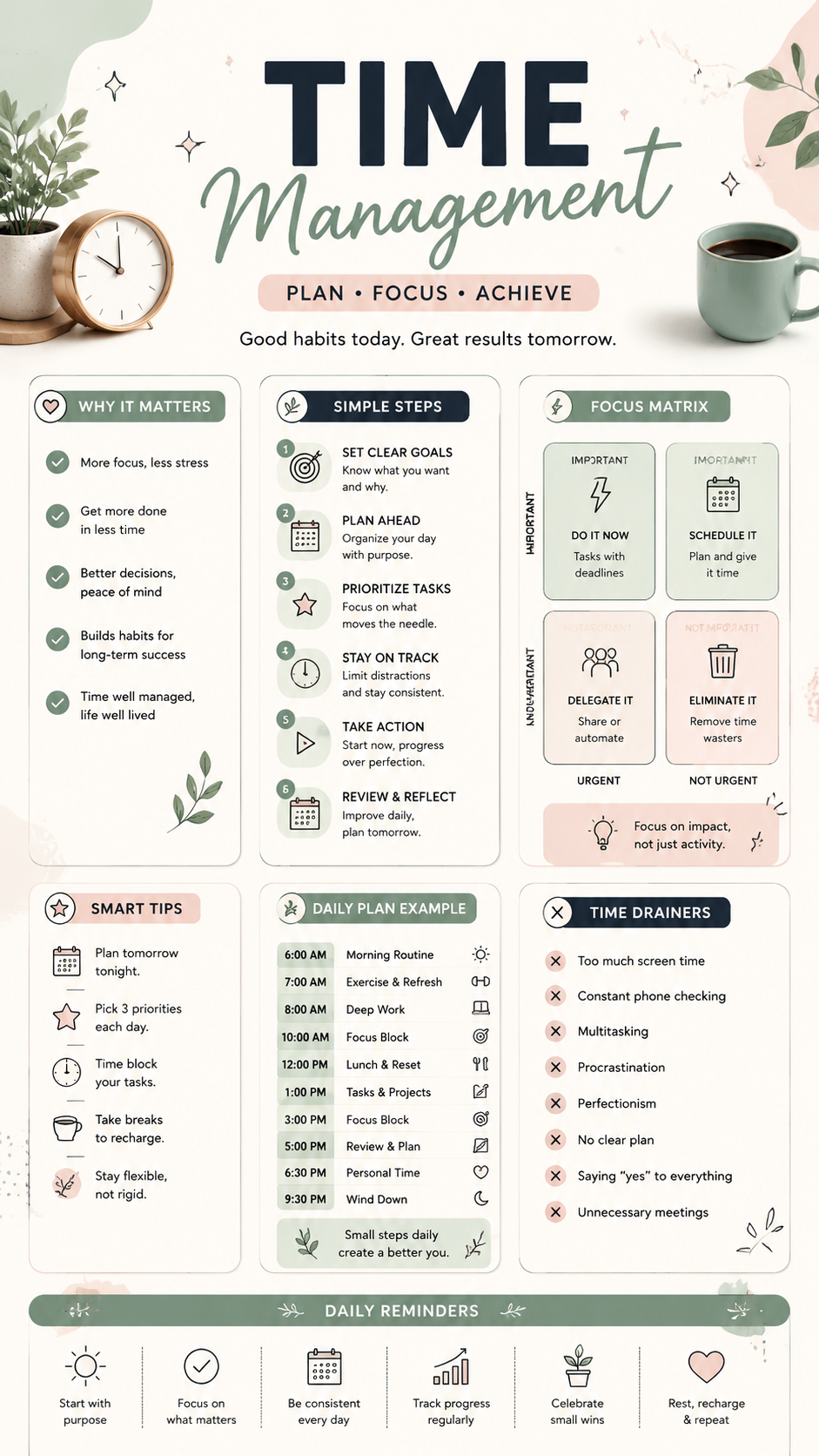
Time Management Planner PDF Daily Productivity Planner for Students
Managing your time effectively can completely transform the way you study, work, and approach your daily goals. A well-designed time management planner helps you organize priorities, create realistic schedules, and build productive habits that support long-term success. Whether you are a student balancing assignments, a professional managing responsibilities, or someone looking to create a more intentional routine, a daily productivity planner can become your personal guide for staying focused and consistent.
The modern lifestyle is filled with distractions, endless tasks, and competing priorities. Without a clear plan, it is easy to spend hours staying busy without making meaningful progress. A printable time management planner provides structure by helping you decide what matters most, when to complete tasks, and how to protect your focus throughout the day.
Key Takeaways
- A planner helps turn goals into clear daily actions.
- Time blocking and prioritizing improve focus and productivity.
- Daily planning reduces stress by creating a sense of control.
- Students can use planners to balance studying, projects, and personal time.
- Small consistent habits create lasting improvements in time management.
Why Time Management Planners Are Essential for Productivity
A time management planner is more than a place to write down appointments. It is a tool that helps you organize your thoughts, define your priorities, and make intentional decisions about how you spend your time. By planning ahead, you can replace random task lists with a structured approach that supports your goals.
Many people struggle with productivity because they focus only on completing more tasks instead of completing the right tasks. A planner encourages you to identify important activities, remove unnecessary distractions, and create a schedule that matches your personal goals.
Important: Effective time management is not about filling every minute of your day. It is about creating space for meaningful work, proper rest, and the activities that support your growth.
How a Daily Productivity Planner Helps You Stay Organized
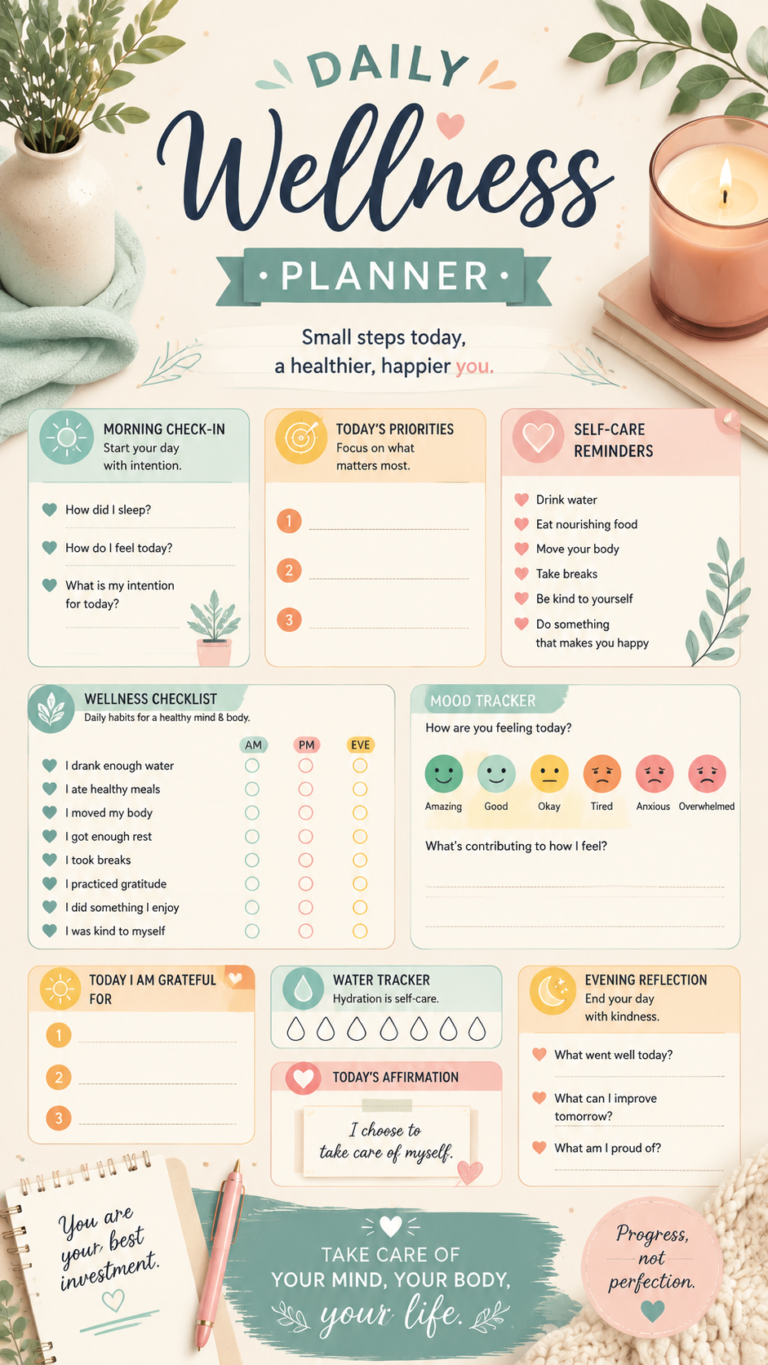
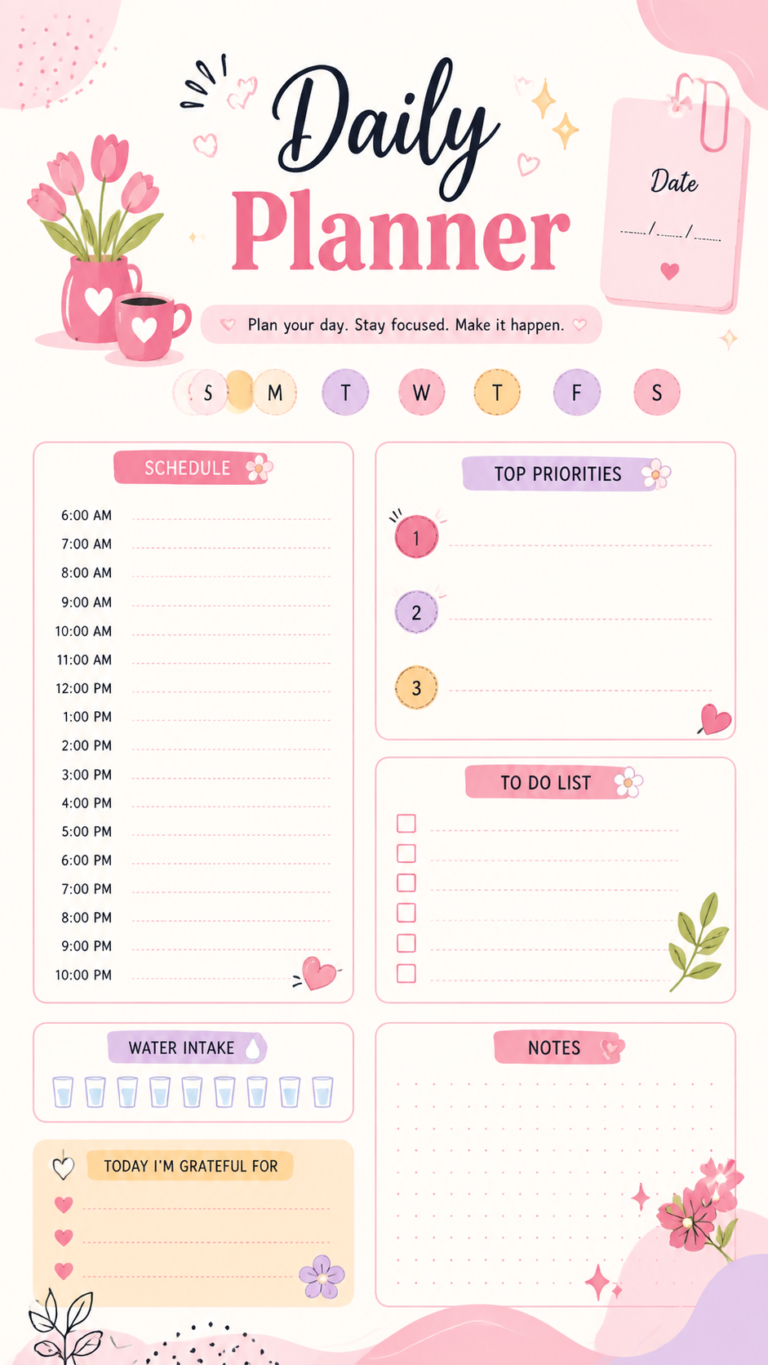
A daily productivity planner gives you a clear overview of your responsibilities. Instead of keeping everything in your mind, you can write down tasks, deadlines, and goals in one organized space. This simple habit can reduce mental clutter and make your day feel more manageable.
1. Clarify Your Goals
The first step toward better time management is knowing what you want to achieve. A planner allows you to break large goals into smaller daily actions. Instead of feeling overwhelmed by a big project, you can focus on the next practical step.
For students, this might include dividing a large assignment into research, writing, and review sessions. For professionals, it could mean separating major projects into achievable milestones.
2. Plan Your Day With Purpose
A productive day usually begins before the day starts. Taking a few minutes to review your schedule helps you decide where your attention should go. A planner allows you to create morning routines, study blocks, work periods, and personal time.
Instead of reacting to every notification or request, you can follow a plan that reflects your priorities.
3. Prioritize Important Tasks
Not every task has the same level of importance. Effective planners often include priority sections where you can identify the most valuable activities for the day.
Using a simple system like choosing your top three priorities can prevent your schedule from becoming overwhelming. When you know what deserves your attention first, productivity becomes easier and more focused.
Using Time Blocking to Create a Balanced Schedule
Time blocking is one of the most effective techniques featured in productivity planning. Instead of simply listing tasks, you assign specific periods of time for completing them. This approach helps you stay focused and reduces the temptation to multitask.
Example Daily Time Blocks
- Morning: Planning, exercise, and important personal routines.
- Focus sessions: Deep work, studying, or major projects.
- Break periods: Rest and mental refreshment.
- Afternoon: Completing smaller tasks and reviewing progress.
- Evening: Reflection and preparation for tomorrow.
Productivity Planning Tips for Students
Students often manage multiple responsibilities at once, including classes, assignments, exams, hobbies, and personal goals. A digital planner or printable planner can make these responsibilities easier to balance.
Create a Study Routine
A consistent study routine helps your brain recognize when it is time to focus. Instead of waiting until deadlines become stressful, schedule regular study sessions throughout the week.
- Set specific study times.
- Break subjects into smaller learning sessions.
- Track completed assignments and progress.
- Schedule review days before exams.
Balance Productivity and Self-Care
Successful time management is not only about working harder. Rest, hobbies, sleep, and personal activities are important parts of a productive lifestyle. A planner can help you protect time for activities that support your overall well-being.
Common Time Management Mistakes to Avoid
Even with a planner, certain habits can make productivity difficult. Recognizing these challenges is the first step toward improving your routine.
- Overloading your schedule: Planning too many tasks can create unnecessary pressure.
- Constant distractions: Frequent phone checking interrupts focus.
- Lack of priorities: Treating every task as equally important wastes energy.
- Skipping reflection: Reviewing your progress helps improve future planning.
- Ignoring breaks: Rest improves concentration and creativity.
Expert Insight
- Consistency matters more than creating a perfect schedule.
- A simple planner used daily can create powerful results.
- Focus on progress, not perfection.
How to Build a Sustainable Planning Habit
The best planner is the one you actually use. Creating a planning habit does not require hours of preparation. Start with a few simple steps and build from there.
- Spend five minutes planning your day each morning or evening.
- Choose your most important tasks first.
- Review what worked and what needs improvement.
- Adjust your schedule based on your real lifestyle.
A planner should support your life, not control it. The goal is to create awareness, reduce stress, and make intentional choices about your time.
At a Glance
- Plan your priorities before starting your day.
- Use time blocks to protect your focus.
- Create realistic schedules with room for flexibility.
- Track habits and celebrate progress.
Final Thoughts on Creating a Productive Life With a Planner
A time management planner is a simple but powerful tool for anyone who wants to improve focus, organization, and daily productivity. By setting clear goals, planning priorities, and creating balanced routines, you can make better use of your time and move closer to your goals.
The most effective productivity systems are not complicated. They are built on small actions repeated consistently. Whether you prefer a printable PDF planner, a digital planner for students, or a simple daily schedule, the key is finding a method that fits your lifestyle.
Remember: Your time is one of your most valuable resources. Plan with intention, focus on what matters, and create daily habits that support the future you want.
Tags
Time Management Planner
Daily Productivity Planner
Student Planner
Digital Planner
Study Routine
Productivity Tips
Printable Planner