Top Magnesium Rich Foods Daily Requirements for Men and Women Easy Nutrition Tips
Magnesium is often called the master mineral, and for a very good reason. It is involved in over 300 biochemical reactions in the human body, affecting everything from how your muscles contract to how your brain processes stress. Yet, despite its critical importance, a significant portion of the population remains deficient without even realizing it. While supplements are a popular shortcut, the most sustainable and bioavailable way to maintain your levels is through the power of whole foods. By understanding which ingredients are densest in this vital nutrient, you can transform your daily meals into a powerhouse of natural energy and relaxation.
Understanding Your Daily Magnesium Requirements
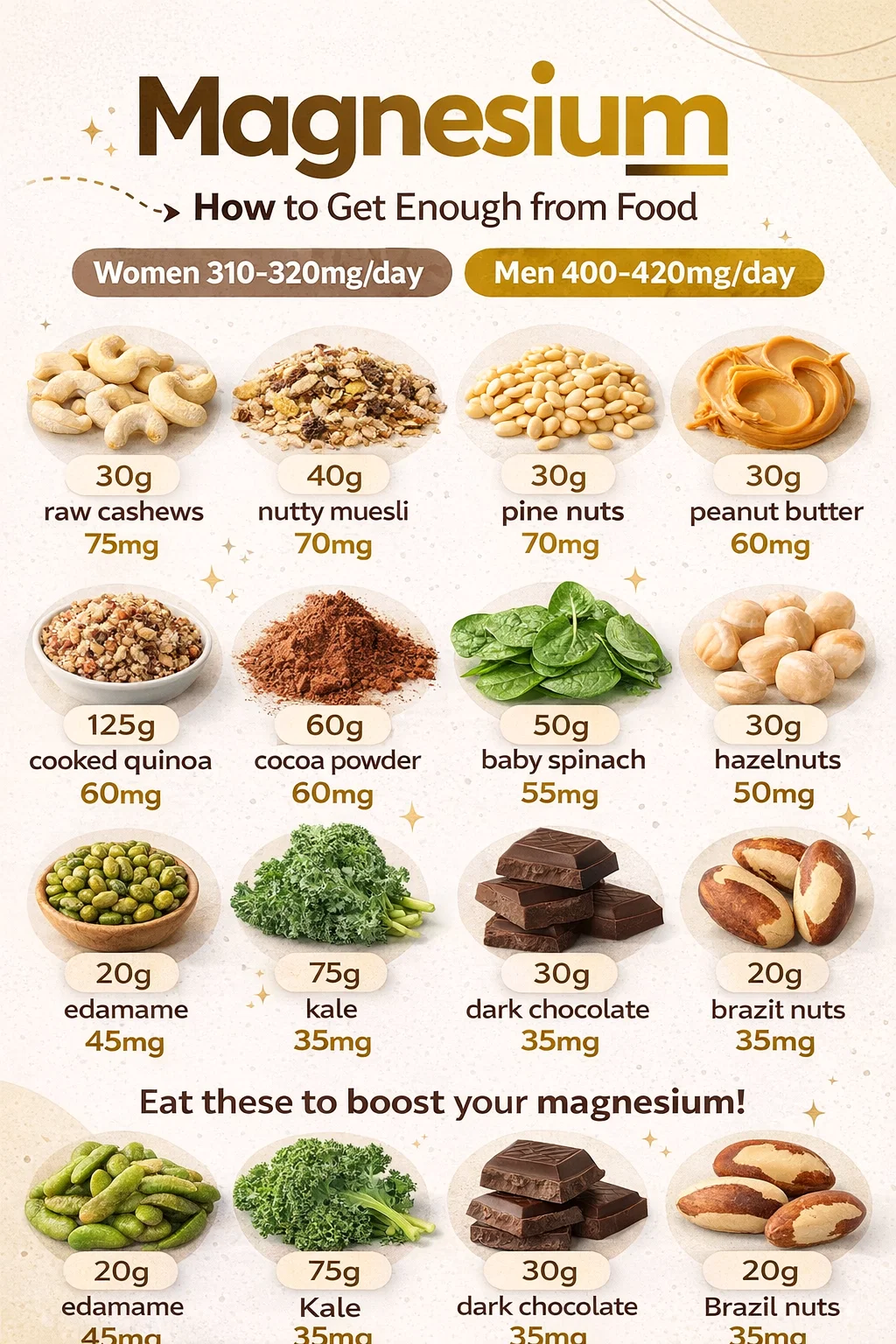
Before diving into the grocery list, it is essential to understand exactly how much magnesium your body needs to function optimally. Requirements vary based on age and biological factors, but for most adults, the targets are quite specific. Women generally need between 310 and 320 milligrams per day, while men require a higher intake, typically ranging from 400 to 420 milligrams. These numbers might seem small, but since the body does not produce magnesium on its own, every single milligram must come from the things you eat and drink.
Why Magnesium Matters for Your Body
Magnesium acts as a co-factor in many enzymatic systems. It helps regulate protein synthesis, blood glucose control, and blood pressure. It is also required for energy production, oxidative phosphorylation, and glycolysis. Without enough of it, you might experience persistent fatigue, muscle cramps, or even mood swings. Because it helps transport calcium and potassium ions across cell membranes, it is also fundamental to a healthy heart rhythm and nerve impulse conduction.
Top Magnesium Rich Foods to Add to Your Diet
Nature has provided an incredible variety of magnesium sources. The beauty of focusing on food is that these items often come packed with other beneficial nutrients like fiber, healthy fats, and antioxidants. Here is a breakdown of some of the most potent magnesium sources you can start incorporating today.
Nuts and Seeds: The Magnesium Powerhouses
When it comes to magnesium density, nuts and seeds are at the top of the list. They are easy to snack on and can be added to almost any dish for an instant nutritional upgrade.
- Raw Cashews: Just a small 30 gram serving of raw cashews provides about 75 milligrams of magnesium. They are also a great source of heart-healthy monounsaturated fats.
- Brazil Nuts: While known for their selenium content, a 10 gram serving of Brazil nuts contributes roughly 35 milligrams of magnesium. They are very dense, so you only need a few.
- Pine Nuts: These small but mighty seeds offer about 70 milligrams per 30 gram serving. They are perfect for making homemade pesto or topping a fresh salad.
- Hazelnuts: A 30 gram portion provides 50 milligrams. They add a wonderful crunch to morning oats or yogurt bowls.
The Green Giants: Leafy Vegetables
Dark leafy greens are famous for their health benefits, and magnesium is a major reason why. The center of the chlorophyll molecule, which gives plants their green color, contains magnesium.
- Baby Spinach: This is one of the most versatile greens available. Consuming 50 grams of baby spinach offers about 55 milligrams of magnesium. Because it wilts down easily, you can add large amounts to smoothies or pasta sauces.
- Kale: A 75 gram serving of kale provides about 35 milligrams. It is packed with fiber and vitamins A, C, and K, making it a true superfood for your daily rotation.
Grains and Legumes for Sustained Energy
Incorporating complex carbohydrates into your diet is another excellent strategy for hitting your mineral targets. These foods provide steady energy alongside their magnesium content.
Quinoa and Muesli
Quinoa is unique because it is a complete protein, containing all nine essential amino acids. A 125 gram serving of cooked quinoa delivers 60 milligrams of magnesium. It works beautifully as a base for grain bowls or as a rice substitute. If you prefer a hearty breakfast, a 40 gram serving of nutty muesli can provide around 70 milligrams, especially when it includes a variety of seeds and whole grains.
Edamame and Plant Proteins
For those following a plant-based diet, edamame is a fantastic snack. Just 20 grams of these young soybeans provides 45 milligrams of magnesium. They are also rich in protein and fiber, helping you feel full and satisfied between meals.
The Sweet Side of Magnesium
Improving your health does not mean you have to give up treats. Some of the most enjoyable foods in the world are actually secret sources of magnesium.
Dark Chocolate and Cocoa
This is the news everyone loves to hear. Dark chocolate is incredibly rich in magnesium. A 30 gram serving of high quality dark chocolate provides 35 milligrams of the mineral. If you prefer baking or making smoothies, using just 10 grams of pure cocoa powder can add a significant 60 milligrams to your intake. Always look for options with high cocoa percentages to maximize the mineral benefits and minimize added sugars.
Nut Butters
Peanut butter is a staple in many households, and for good reason. A 30 gram serving (roughly two tablespoons) offers 60 milligrams of magnesium. It is an easy way to add creaminess and nutrients to toast, fruit slices, or morning smoothies.
Strategies to Boost Magnesium Absorption
Getting magnesium into your body is the first step, but ensuring your body can actually use it is just as important. Certain lifestyle factors and dietary choices can influence how well you absorb this mineral.
Watch Your Calcium and Vitamin D Levels
Nutrients work in harmony. Vitamin D is essential for the body to absorb magnesium effectively. On the other hand, extremely high doses of calcium can sometimes compete with magnesium for absorption. The goal is balance rather than over-supplementing one at the expense of the other.
Reduce Processed Sugars and Alcohol
Diets very high in refined sugar can cause the kidneys to excrete magnesium at a faster rate. Similarly, excessive alcohol consumption can act as a diuretic and deplete your mineral stores. Shifting toward whole, unprocessed foods naturally helps keep your magnesium where it belongs: inside your cells.
Easy Meal Ideas to Hit Your Daily Goal
It can be helpful to see how these ingredients fit together in a normal day of eating. You do not need to eat every single magnesium-rich food at once, but spreading them across your meals makes reaching 320 to 420 milligrams effortless.
Breakfast: The Mineral Starter
Start your day with a bowl of nutty muesli topped with a spoonful of peanut butter and a sprinkle of cocoa nibs. This combination alone can get you nearly halfway to your daily goal before you even leave the house.
Lunch: The Power Salad
Construct a salad using a base of baby spinach and kale. Add a scoop of cooked quinoa for protein and a handful of toasted pine nuts for crunch. Drizzle with an olive oil dressing to help with the absorption of fat-soluble vitamins found in the greens.
Dinner: Nutrient-Dense Comfort
Serve your favorite protein alongside a generous portion of edamame and steamed greens. If you are making a stir-fry, throw in a handful of crushed cashews at the end for flavor and that extra 75 milligram magnesium boost.
Snack: The Healthy Indulgence
When the afternoon slump hits, reach for a few squares of dark chocolate and a couple of Brazil nuts. It provides a satisfying texture and a mineral boost that helps sustain your energy until dinner time.
The Role of Magnesium in Mental Health and Sleep
One of the most celebrated benefits of magnesium is its ability to support relaxation. It regulates neurotransmitters that send signals throughout the nervous system and brain. It also plays a role in the hormone melatonin, which guides sleep-wake cycles in your body.
Reducing Anxiety and Stress
By binding to calming receptors in the brain, magnesium helps quiet the nervous system. This is why many people find that increasing their magnesium intake helps reduce feelings of restlessness or mild anxiety. It provides a natural way to support your mental wellness from the inside out.
Improving Sleep Quality
If you struggle with falling asleep, magnesium might be the missing piece of the puzzle. It helps the muscles relax and supports the deep, restorative stages of sleep. Many people notice that a magnesium-rich evening snack helps them wake up feeling more refreshed and less groggy.
Conclusion: Small Changes, Big Results
Achieving your daily magnesium requirements does not require a complete lifestyle overhaul. As we have seen, some of the most delicious foods available are also the best sources of this essential mineral. By making conscious choices to include more nuts, seeds, leafy greens, and dark chocolate in your diet, you are investing in your long-term health, energy, and peace of mind. Start by picking two or three of your favorite items from this list and incorporating them into your meals this week. Your body will certainly thank you for the extra support.