12 Best Foods for Thyroid Health, Hormone Balance Metabolism Support
Supporting your thyroid starts with building healthy habits, and one of the most effective places to begin is your plate. While no single food can magically correct thyroid disorders or replace medical treatment, eating a nutrient-dense diet can help provide your body with the vitamins and minerals needed for normal thyroid function. The thyroid gland relies on several key nutrients to produce hormones that regulate metabolism, energy levels, body temperature, and many other essential processes.
The foods featured in this guide highlight a balanced mix of lean proteins, healthy fats, antioxidant-rich fruits, leafy greens, seeds, and nutrient-packed whole foods. Together, they offer valuable nutrients such as selenium, iodine, zinc, iron, magnesium, probiotics, and healthy omega-3 fats that may contribute to overall thyroid wellness when included as part of a balanced lifestyle.
Key Takeaways
- Focus on whole foods that naturally contain thyroid-supporting nutrients.
- Balance lean protein, healthy fats, fiber, and colorful produce.
- Key nutrients include selenium, iodine, zinc, iron, magnesium, and omega-3 fatty acids.
- A healthy diet supports overall wellness alongside professional medical care.
- Consistency matters more than relying on a single “superfood.”
Why Nutrition Matters for Thyroid Health
The thyroid is a small butterfly-shaped gland located at the front of the neck, but its impact on the body is enormous. It produces hormones that influence metabolism, heart rate, digestion, muscle function, brain development, and energy production. To create these hormones efficiently, the thyroid depends on a steady supply of specific nutrients from your diet.
Important: A nutrient-rich eating pattern supports normal thyroid function, but it should not replace prescribed medications or individualized medical advice for thyroid conditions.
Rather than focusing on restrictive eating, many nutrition experts recommend emphasizing whole foods that naturally contain important vitamins and minerals. This balanced approach also supports heart health, digestive wellness, immune function, and long-term energy.
12 Nutrient-Rich Foods That Support Thyroid Wellness
1. Salmon
Wild salmon is well known for its omega-3 fatty acids, which help support overall health. It also contains selenium, a mineral that plays a role in protecting thyroid tissue from oxidative stress. The combination of healthy fats and quality protein makes salmon an excellent addition to balanced meals.
- Rich in omega-3 fatty acids
- Provides high-quality protein
- Contains selenium
- Supports heart and brain health
2. Brazil Nuts
Brazil nuts are one of the richest natural dietary sources of selenium. Just a small serving can provide a significant amount of this essential mineral. Since selenium requirements are relatively modest, moderation is important.
3. Seaweed
Seaweed naturally contains iodine, an essential nutrient needed for thyroid hormone production. However, iodine intake should remain balanced because both too little and too much may affect thyroid function. Enjoy seaweed as part of a varied diet rather than consuming excessive amounts.
4. Eggs
Eggs offer protein along with nutrients such as iodine and vitamin D. They are versatile, affordable, and easy to include in breakfast, lunch, or dinner while helping promote satiety.
5. Greek Yogurt
Greek yogurt combines protein with probiotics that help support digestive health. Since gut health and overall wellness are closely connected, including fermented foods may be beneficial as part of a balanced eating pattern.
Expert Insight
Building meals around whole foods provides a broader range of nutrients than relying on supplements alone. Variety is often one of the best strategies for supporting long-term nutritional balance.
6. Pumpkin Seeds
Pumpkin seeds are packed with magnesium, zinc, healthy fats, and plant-based protein. Zinc contributes to numerous bodily functions, including immune health and normal cellular processes.
7. Spinach
Leafy greens like spinach provide iron, vitamin C, folate, and numerous antioxidants. They also contribute fiber that supports digestive health and balanced eating.
Pro Tip: Pair iron-rich foods such as spinach with vitamin C-rich fruits or vegetables to help improve iron absorption during meals.
8. Blueberries
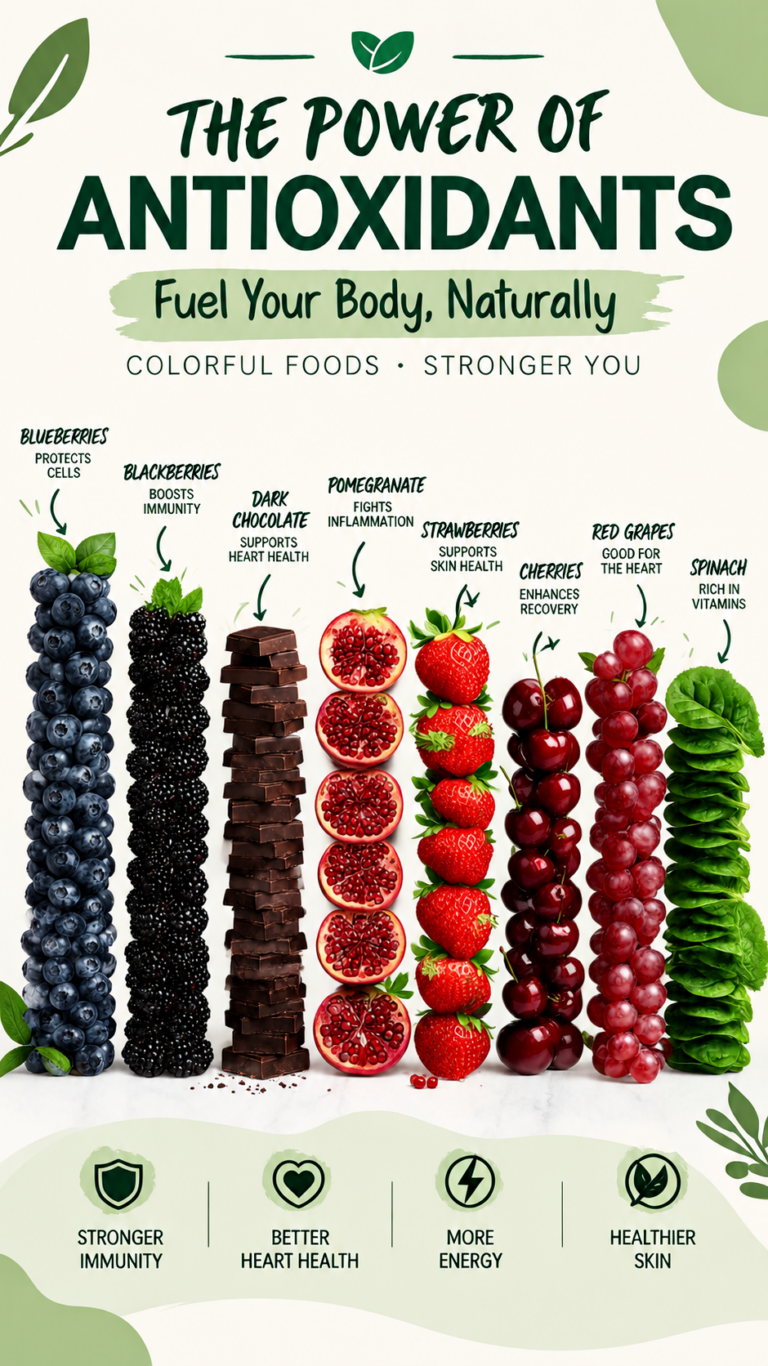
Blueberries are loaded with antioxidants that help protect cells from oxidative stress. Their natural sweetness also makes them an excellent alternative to highly processed desserts.
9. Turkey
Turkey provides lean protein along with important minerals such as zinc. Adequate protein intake helps maintain muscle mass while supporting countless functions throughout the body.
10. Quinoa
Quinoa is a nutritious whole grain containing fiber, plant protein, and several minerals. It works well in salads, grain bowls, and side dishes while adding variety to healthy meal planning.
11. Avocado
Avocados contribute heart-healthy monounsaturated fats, fiber, potassium, and vitamin E. Their creamy texture makes them a satisfying ingredient for salads, toast, sandwiches, and smoothies.
12. Chickpeas
Chickpeas are rich in plant protein, fiber, folate, iron, and other essential nutrients. They support fullness and can be added to soups, salads, curries, or homemade hummus.
Building a Thyroid-Friendly Plate
Instead of concentrating on individual foods, think about your meals as complete combinations of nutrients. A balanced plate may include lean protein, colorful vegetables, healthy fats, fiber-rich carbohydrates, and a source of calcium or probiotics.
- Choose fish several times per week when appropriate.
- Add leafy greens to lunches and dinners.
- Snack on nuts and seeds in moderate portions.
- Include fermented dairy if it fits your dietary needs.
- Eat a wide variety of fruits and vegetables throughout the week.
Important: Individual nutrient needs vary depending on age, health conditions, medications, and personal dietary requirements. Speak with a qualified healthcare professional before making significant dietary changes or taking high-dose supplements.
Lifestyle Habits That Complement Healthy Eating
Nutrition is only one piece of the thyroid wellness puzzle. Other daily habits can contribute to overall well-being and help you feel your best.
Prioritize Sleep
A consistent sleep schedule supports hormone regulation and overall health.
Stay Active
Regular physical activity supports cardiovascular fitness, muscle health, metabolism, and mood.
Manage Stress
Long-term stress can affect many aspects of health. Activities like walking, meditation, yoga, and spending time outdoors may help promote balance.
Stay Hydrated
Water supports digestion, circulation, and many everyday bodily functions. Drinking enough fluids is a simple habit that complements healthy nutrition.
Common Myths About Thyroid Nutrition
- Myth: One food can cure thyroid disorders.
Reality: Healthy eating supports overall wellness but is not a cure. - Myth: More iodine is always better.
Reality: Excessive iodine intake may not be beneficial for everyone. - Myth: Supplements are always superior to food.
Reality: Whole foods provide a wide range of nutrients that work together naturally.
Quick Points
- Choose a variety of nutrient-dense whole foods.
- Include quality protein at each meal.
- Eat foods naturally rich in selenium, iodine, and zinc.
- Focus on long-term consistency instead of perfection.
Conclusion
Supporting thyroid health does not require complicated meal plans or expensive specialty foods. By regularly including nutrient-rich options such as salmon, Brazil nuts, seaweed, eggs, Greek yogurt, pumpkin seeds, spinach, blueberries, turkey, quinoa, avocado, and chickpeas, you can create balanced meals that nourish your body from the inside out. Combined with regular exercise, quality sleep, stress management, and professional healthcare guidance, these wholesome foods can become part of a sustainable lifestyle that promotes overall wellness and healthy nutrition.
Tags
Thyroid Health Hormone Balance Healthy Foods Nutrition Tips Balanced Diet Metabolism Wellness Whole Foods