3 Foods That May Boost Sperm Health Naturally for Male Fertility Support
Nutrition plays a significant role in overall health, and when it comes to male reproductive wellness, certain foods are often highlighted for their nutrient density and potential benefits. A balanced diet rich in vitamins, minerals, antioxidants, and healthy compounds can help support the body’s natural processes, including those involved in reproductive function. While no single food can guarantee results, incorporating nutrient-rich options into a healthy lifestyle may contribute positively to sperm health, fertility, and overall well-being.
Among the most commonly discussed foods for male fertility are pumpkin seeds, dark chocolate, and pineapple. Each offers a unique nutritional profile that may help support reproductive health through antioxidants, essential minerals, and beneficial plant compounds. Understanding how these foods fit into a healthy diet can help individuals make informed choices while working toward their wellness goals.
Key Takeaways
- Pumpkin seeds are rich in zinc and antioxidants that support male health.
- Dark chocolate contains beneficial compounds that may help circulation and reduce oxidative stress.
- Pineapple provides vitamin C and antioxidant support.
- A balanced diet is one part of a broader fertility-friendly lifestyle.
- Regular exercise, sleep, and stress management also contribute to reproductive wellness.
- Consistency in healthy habits often matters more than individual foods.
Understanding the Connection Between Diet and Sperm Health
Sperm production is a complex biological process that depends on numerous factors. Genetics, age, lifestyle habits, environmental exposures, and overall health all play important roles. Nutrition is one factor that has received considerable attention because the body requires a variety of nutrients to support healthy cellular function.
Research continues to explore how antioxidants, minerals, vitamins, and healthy dietary patterns may influence sperm count, motility, morphology, and overall reproductive health. While diet alone is not a cure-all solution, a nutrient-dense eating plan can help create an environment that supports the body’s natural functions.
Important: Male fertility is influenced by multiple lifestyle factors. Healthy nutrition works best when combined with regular exercise, quality sleep, hydration, stress management, and avoidance of harmful habits such as smoking.
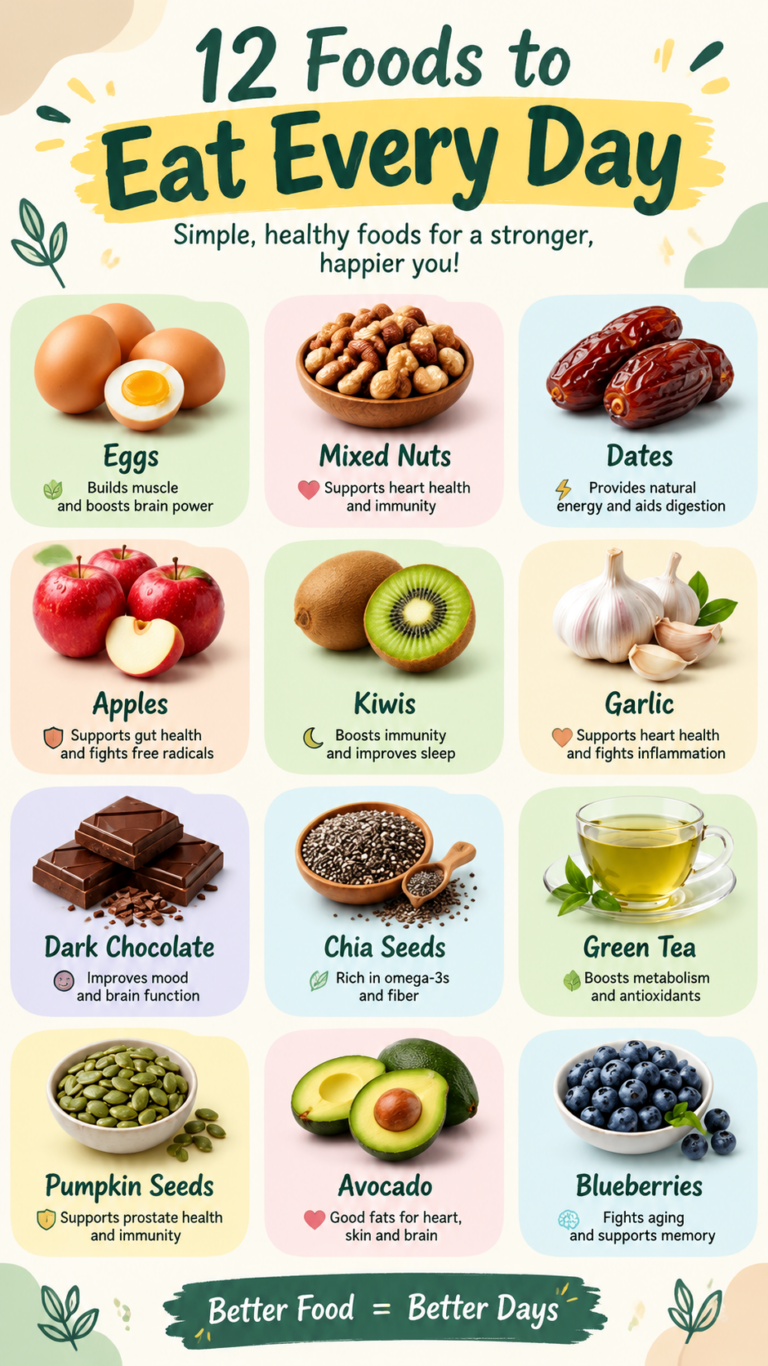
Pumpkin Seeds: A Nutrient-Packed Fertility Food
Pumpkin seeds are small but incredibly nutrient-dense. They contain important minerals, healthy fats, protein, antioxidants, and plant compounds that contribute to overall wellness.
Why Zinc Matters
One of the most notable nutrients found in pumpkin seeds is zinc. This essential mineral supports numerous biological processes throughout the body. Zinc contributes to immune function, cell growth, hormone regulation, and reproductive health.
Because zinc is involved in many aspects of male physiology, foods that naturally contain this mineral are frequently recommended as part of a balanced fertility-focused diet.
Antioxidant Protection
Pumpkin seeds also contain antioxidants that help protect cells from oxidative stress. Oxidative stress occurs when free radicals outnumber the body’s antioxidant defenses. Over time, excessive oxidative stress can negatively affect various aspects of health.
Including antioxidant-rich foods as part of a balanced diet may help support overall cellular health and wellness.
Easy Ways to Add Pumpkin Seeds to Your Diet
- Sprinkle them over salads.
- Add them to yogurt or oatmeal.
- Blend them into smoothies.
- Mix them into homemade trail mix.
- Use them as a crunchy topping for soups.
Dark Chocolate and Reproductive Wellness
Dark chocolate is often appreciated for its rich flavor, but it also contains several beneficial compounds that make it an interesting addition to a healthy diet.
High-quality dark chocolate contains antioxidants known as flavonoids. These plant compounds have been studied for their potential role in supporting cardiovascular health and helping the body manage oxidative stress.
The Role of Antioxidants
Antioxidants help neutralize free radicals and support the body’s natural defense systems. Since oxidative stress is often discussed in relation to reproductive wellness, foods rich in antioxidants may be valuable components of a balanced eating plan.
Dark chocolate provides a flavorful way to increase antioxidant intake while satisfying occasional cravings.
Supporting Healthy Blood Flow
Some studies suggest that flavonoids may contribute to healthy circulation. Proper blood flow is important for many bodily functions, including reproductive health. While more research is always ongoing, nutrient-rich foods that support cardiovascular wellness can be beneficial additions to an overall healthy lifestyle.
Expert Insight
When choosing dark chocolate, look for varieties with a higher cocoa content and lower added sugar. This generally provides a greater concentration of beneficial plant compounds while reducing excess sugar intake.
Pineapple and Its Nutritional Benefits
Pineapple is a vibrant tropical fruit known for its refreshing taste and impressive nutritional profile. It contains vitamin C, antioxidants, fiber, and several beneficial compounds that support general health.
Vitamin C and Cellular Health
Vitamin C is one of the most well-known antioxidants. It helps protect cells from oxidative damage while supporting immune function and collagen production.
Because antioxidants are often associated with reproductive wellness, vitamin C-rich foods like pineapple are commonly included in healthy eating plans.
Hydration and Overall Wellness
Pineapple has a high water content, making it a refreshing snack that contributes to hydration. Staying adequately hydrated supports numerous bodily processes and helps maintain optimal physical function.
Simple Pineapple Serving Ideas
- Enjoy fresh pineapple slices as a snack.
- Add pineapple chunks to smoothies.
- Mix pineapple into fruit salads.
- Use it as a topping for yogurt bowls.
- Combine it with grilled dishes for a sweet contrast.
Pro Tip: Combining a variety of colorful fruits and vegetables throughout the week can help maximize your intake of vitamins, minerals, and protective antioxidants.
The Importance of Antioxidants for Male Fertility
One common theme among pumpkin seeds, dark chocolate, and pineapple is their antioxidant content. Antioxidants help the body defend itself against oxidative stress, which can impact cellular health.
The body naturally produces free radicals during normal metabolic processes. External factors such as pollution, smoking, poor dietary habits, and chronic stress can further increase oxidative stress levels.
Eating antioxidant-rich foods may help support the body’s natural defense mechanisms while contributing to overall wellness.
Other Antioxidant-Rich Foods Worth Considering
- Berries
- Leafy green vegetables
- Nuts and seeds
- Tomatoes
- Citrus fruits
- Colorful peppers
- Green tea
Lifestyle Habits That Support Reproductive Health
Although nutrition is important, fertility and reproductive wellness involve much more than food choices alone. Adopting healthy lifestyle habits can help create a supportive foundation for overall health.
Maintain a Healthy Weight
Body weight can influence hormone balance and overall health. Maintaining a healthy weight through balanced nutrition and physical activity may support reproductive wellness.
Exercise Regularly
Moderate exercise supports cardiovascular health, energy levels, and stress management. Consistent physical activity is an important part of a healthy lifestyle.
Prioritize Sleep
Sleep is essential for recovery, hormone regulation, and overall wellness. Adults should aim for consistent, quality sleep whenever possible.
Manage Stress Effectively
Chronic stress may affect various aspects of health. Techniques such as meditation, deep breathing, walking, journaling, and relaxation practices can help support emotional well-being.
Important: Healthy eating patterns provide the greatest benefits when maintained consistently over time. Small daily improvements often lead to more meaningful results than short-term changes.
Building a Fertility-Friendly Eating Pattern
Rather than focusing exclusively on individual foods, many health professionals encourage looking at the overall quality of your diet.
A fertility-friendly eating pattern typically includes:
- Plenty of fruits and vegetables.
- Whole grains.
- Lean protein sources.
- Healthy fats.
- Nuts and seeds.
- Adequate hydration.
- Limited ultra-processed foods.
By viewing nutrition as part of a broader lifestyle approach, individuals can develop sustainable habits that support long-term wellness.
At a Glance
- Pumpkin seeds provide zinc and antioxidants.
- Dark chocolate offers beneficial flavonoids.
- Pineapple contributes vitamin C and hydration.
- Antioxidants help support cellular wellness.
- Healthy lifestyle habits amplify nutritional benefits.
Conclusion
Supporting sperm health and male reproductive wellness often begins with consistent healthy habits. Nutrient-rich foods such as pumpkin seeds, dark chocolate, and pineapple provide valuable vitamins, minerals, antioxidants, and plant compounds that can contribute to overall health. While no single food serves as a magic solution, incorporating these options into a balanced diet may help support the body’s natural functions.
Combining smart nutrition choices with regular exercise, quality sleep, hydration, and stress management creates a comprehensive approach to wellness. By focusing on sustainable lifestyle improvements rather than quick fixes, individuals can build a strong foundation for both reproductive health and long-term vitality.
Tags
Sperm Health Male Fertility Pumpkin Seeds Dark Chocolate Pineapple Benefits Men’s Health Antioxidant Foods Reproductive Wellness