
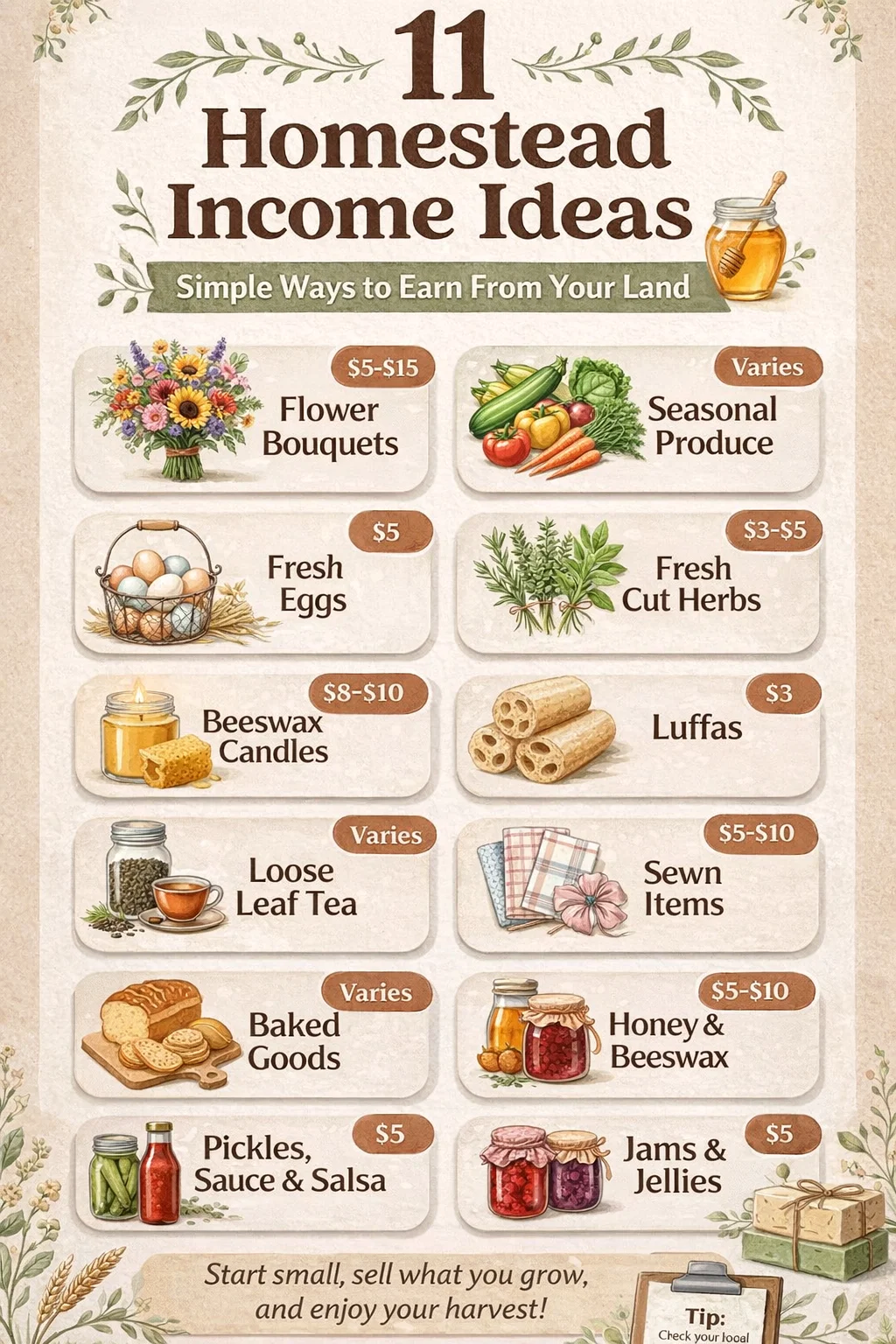
12 Profitable Small Homestead Income Ideas Easy Ways to Earn From Your Land
Turning a small piece of land into a source of sustainable income is one of the most rewarding journeys a homeowner can embark upon. Whether you have a sprawling backyard or a modest suburban lot, the potential for self sufficiency and financial growth is right under your feet. Many people assume that homesteading requires hundreds of acres and heavy machinery, but the modern micro homestead movement proves that intentionality and creativity are far more valuable than square footage. By focusing on high value products and artisanal goods, you can transform your hobby into a thriving small business.
The beauty of a small homestead lies in its diversity. Instead of relying on a single crop, a successful micro farm thrives on variety. From the vibrant colors of fresh flower bouquets to the golden hues of homegrown honey, every corner of your property can contribute to your household budget. This guide explores the most effective ways to monetize your land, providing you with a roadmap to turn your passion for the outdoors into a tangible stream of income.
The Profitable World of Seasonal Produce and Herbs
The most direct way to earn from your land is by growing food. However, the secret to success on a small scale is not growing the most food, but growing the right food. Seasonal produce often commands a premium price at local farmers markets because consumers are increasingly looking for flavor and nutrition that supermarket varieties simply cannot match. When you harvest a tomato at peak ripeness or offer heirloom carrots that aren’t available in big box stores, you are selling an experience as much as a product.
High Yield Vegetables for Small Spaces
If you are working with limited space, focus on crops that provide a high return per square foot. Greens like kale, arugula, and gourmet lettuce mixes grow quickly and can be harvested multiple times. Root vegetables like radishes and specialty beets are also excellent choices because they have short growing cycles, allowing you to replant and harvest several times throughout the growing season. Vertical gardening techniques, such as using trellises for cucumbers or pole beans, can double your production without expanding your garden footprint.
Fresh Cut Herbs and Culinary Aromatics
Culinary herbs are among the most profitable items you can grow. A small bundle of basil, rosemary, or mint often sells for several dollars, yet these plants are relatively easy to maintain and take up very little space. Beyond fresh bundles, you can also explore drying your herbs to create custom tea blends or seasoning mixes. This extends the shelf life of your harvest and allows you to continue selling your products long after the first frost has arrived.
Monetizing the Hive and the Coop
Animals are often the heart of a homestead, and they offer unique opportunities for income. Even on a small scale, keeping chickens or bees can be a highly productive venture. These elements of the homestead not only provide food for your own table but also produce surplus goods that are in high demand within local communities.
The Value of Farm Fresh Eggs
There is a significant difference between a store bought egg and one gathered from a backyard coop. Customers are often willing to pay a premium for eggs from hens that are pasture raised and fed a high quality diet. To maximize your profit, consider the aesthetics of your product. Different breeds of chickens lay eggs in various shades of blue, green, chocolate brown, and cream. A colorful carton of eggs is an easy sell and helps your brand stand out in a crowded market.
Honey and Beeswax Products
Beekeeping is a fascinating hobby that doubles as a lucrative business. Raw, local honey is prized for its health benefits and superior taste. Beyond the liquid gold itself, the byproduct of the hive, beeswax, is a versatile material. You can use it to create natural candles, furniture polish, or even reusable food wraps. Because beeswax products are shelf stable, they are perfect for selling online or at craft fairs throughout the year.
Artisanal Crafts and Value Added Goods
One of the best ways to increase your income is through value added products. This means taking a raw material from your land and processing it into something more valuable. Instead of just selling a bunch of lavender, you sell a handmade lavender soap. This transition from farmer to artisan allows you to capture a much higher profit margin.
Handmade Bar Soaps and Skincare
The market for natural, chemical free skincare is booming. By using herbs, honey, and botanicals from your garden, you can create unique bar soaps that appeal to eco conscious consumers. Incorporating ingredients like dried flower petals or goat milk adds a luxury feel to your products. Packaging plays a huge role here. A simple, rustic wrap with a sprig of dried rosemary can turn a basic bar of soap into a beautiful gift item.
Soy and Beeswax Candles
Candles are a staple in home decor and gift giving. By making your own beeswax or soy candles, you can control the quality of the ingredients and offer scents that reflect the seasons of your homestead. Using repurposed glass jars or tins adds to the sustainable appeal of your brand. These items are excellent for building a brand identity because they are consumable, meaning happy customers will return to buy more once their candle has burned down.
From the Kitchen to the Market
If you enjoy spending time in the kitchen, your homestead can provide the raw ingredients for a variety of baked and preserved goods. However, it is essential to check your local cottage food laws, as regulations for selling food products vary significantly by region. Once you understand the legal requirements, the possibilities are endless.
Jams, Jellies, and Preserves
Preserving the harvest is a time honored homestead tradition. Jams and jellies made from backyard berries or orchard fruits are perennial favorites. You can get creative with flavor combinations, such as strawberry balsamic or peach ginger, to offer something unique. Pickles, salsas, and pasta sauces are also great ways to utilize a surplus of garden vegetables and turn them into a product with a long shelf life.
Fresh Baked Goods
Nothing draws a crowd at a market quite like the smell of fresh bread. Sourdough loaves, artisanal pastries, and muffins featuring garden fruits are high demand items. If you can combine your baking skills with the ingredients grown on your land, you create a powerful story that resonates with buyers who want to support local food systems.
Textiles and Functional Decor
Homesteading is not just about food; it is about a lifestyle of self reliance and craftsmanship. If you have sewing or crafting skills, you can produce functional items that help others live a more sustainable life. These products often appeal to the same audience that buys your organic produce and handmade soaps.
Sewn Items for a Sustainable Home
Think about items that help people reduce waste in their own lives. Cloth napkins, reusable produce bags, and linen bread bags are practical and stylish. You can also create decorative items like scrunchies, quilted coasters, or pillows that feature botanical prints. These items are lightweight and easy to ship, making them ideal for an Etsy shop or other online platforms.
Luffas and Natural Cleaners
Did you know that you can grow your own sponges? Luffa gourds are easy to grow in many climates and, once dried and peeled, provide a natural alternative to plastic scrubbers. They can be used for body exfoliation or household cleaning. Selling luffas is a great conversation starter and helps educate your customers about plant based alternatives to everyday plastic products.
Building a Brand for Your Micro Homestead
To turn these ideas into a consistent income, you need to think like a business owner. This starts with branding. Give your homestead a name that reflects your values and the atmosphere of your land. Whether it is Willow Creek Farm or The Sunny Corner Patch, a name helps people remember you. Consistency is key, so use the same name across your social media profiles and product labels.
Social media is a powerful tool for the modern homesteader. Share the story of your land. Post photos of your seedlings growing, your chickens roaming, and the process of making your products. People love to see where their goods come from, and sharing the behind the scenes work builds trust and loyalty. When people feel connected to your journey, they are more likely to become long term customers.
Maximizing Efficiency and Scaling Up
As your small business grows, you will need to find ways to work smarter. This might mean investing in better tools, such as a high quality dehydrator for your herbs or a more efficient irrigation system for your garden. Record keeping is also vital. Track which products sell the best and which ones have the highest profit margins. This data will help you decide where to focus your energy in the coming seasons.
Remember that you do not have to do everything at once. Start small by picking one or two ideas that truly excite you. Perhaps you start with fresh eggs and a small herb garden. Once you have mastered those, you can gradually introduce handmade soaps or jams. Growing slowly allows you to maintain high quality and prevents you from feeling overwhelmed by the demands of a diverse homestead.
Final Thoughts on Homestead Income
Creating an income from your land is a journey of trial, error, and immense satisfaction. It connects you to the rhythms of nature and provides a sense of accomplishment that is hard to find in a traditional office job. Whether you are selling a single bouquet of flowers or a full range of artisanal preserves, you are contributing to a more localized and sustainable economy.
The most important step is simply to start. Use the resources you have, learn from your environment, and share your harvest with the world. With a bit of hard work and a lot of passion, your micro homestead can become more than just a place to live; it can become a thriving, productive heart of your community. Save these ideas, plan your next season, and watch as your small plot of land yields a bounty of both joy and profit.