The Ultimate Guide to Choosing the Best Garden Mulch for Every Vegetable
Mastering the art of gardening often feels like a delicate dance between nature and the gardener. You plant the seeds, provide the water, and hope for the best, but often the smallest details make the biggest difference in your final harvest. One of the most overlooked yet vital components of a successful vegetable garden is mulching. It is more than just a decorative layer for your raised beds; it is a functional tool that regulates soil temperature, suppresses invasive weeds, and maintains the consistent moisture levels that vegetables need to thrive. When you choose the right mulch for the right plant, you are essentially setting up a natural support system that works for you throughout the growing season.
The Science and Benefits of Strategic Mulching
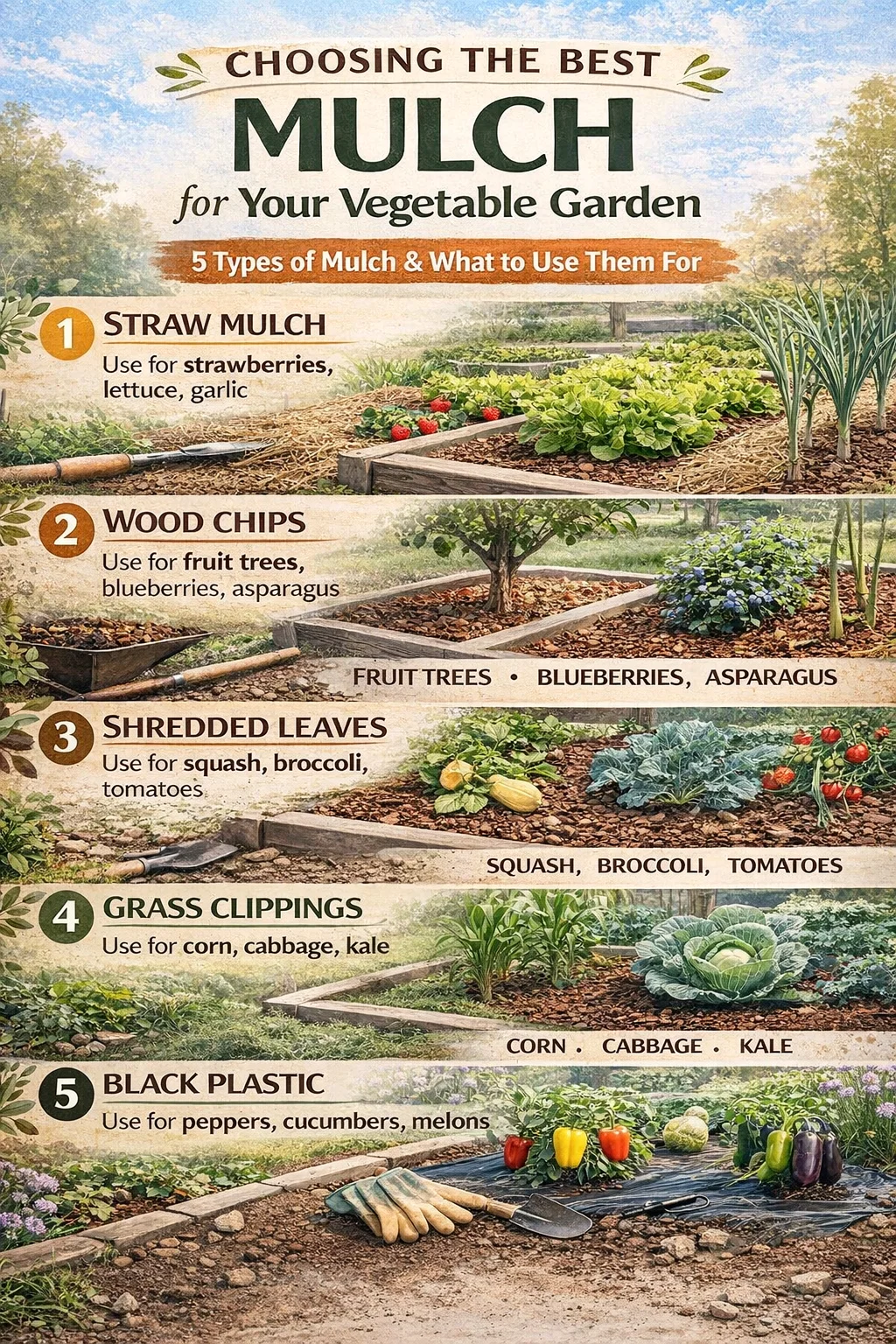
Before diving into the specific types of mulch shown in your garden plan, it is important to understand why this practice is so transformative. Soil is a living ecosystem. When left bare, it is vulnerable to erosion from wind and heavy rain. High temperatures can bake the soil, killing off beneficial microbes and stressing the root systems of your plants. By applying a protective layer, you create a buffer zone that mimics the natural forest floor.
Mulching also plays a critical role in disease prevention. Many soil-borne pathogens are splashed onto plant leaves during watering or rainfall. A thick layer of organic material prevents this splash-back, keeping your foliage dry and healthy. Furthermore, as organic mulches break down over time, they contribute valuable organic matter back into the earth, improving soil structure and nutrient availability without the need for heavy chemical fertilizers.
Section 1: The Versatility of Straw Mulch
Straw is a classic choice for a reason. It is lightweight, easy to distribute, and excellent at reflecting sunlight to keep the soil cool during the height of summer. It is particularly effective for plants that have fruit sitting close to the ground or those that require a very long growing season.
Best Crops for Straw
- Strawberries: As the name suggests, strawberries love straw. It keeps the berries off the damp soil, which prevents rot and keeps them clean for picking.
- Lettuce and Greens: These shallow-rooted plants need consistent moisture. Straw provides a cool environment that prevents lettuce from bolting or turning bitter in the heat.
- Garlic: Since garlic is often planted in the fall and harvested in the summer, straw provides the perfect winter insulation and spring weed suppression.
When using straw, ensure you are buying weed-free straw rather than hay. Hay contains seeds that will eventually germinate and create a weed nightmare in your garden beds. Wheat, rice, or oat straw are the gold standards for clean mulching.
Section 2: Utilizing Wood Chips for Longevity
Wood chips and bark nuggets are often thought of as landscaping materials, but they have a vital place in the food garden as well. Because wood takes a long time to decompose, it is the ideal choice for perennial crops that will remain in the same spot for many years. Wood mulch creates a fungal-dominant soil environment, which is exactly what woody plants and shrubs prefer.
Ideal Plants for Wood Chips
- Fruit Trees: A wide ring of wood chips around the base of a fruit tree helps mimic its natural woodland habitat and protects the trunk from lawnmowers or weed whackers.
- Blueberries: These acid-loving plants thrive when mulched with pine bark or aged wood chips, which help maintain the acidic soil pH they crave.
- Asparagus: As a perennial vegetable, asparagus benefits from a heavy, long-lasting mulch that keeps weeds away from its delicate crowns year after year.
Section 3: Shredded Leaves as a Nutrient Powerhouse
If you have deciduous trees on your property, you have a free source of high-quality mulch every autumn. Shredded leaves are often referred to as brown gold. They are packed with minerals that trees pull from deep within the earth. When used as mulch, they return those minerals to your garden beds.
Vegetables That Thrive with Leaf Mulch
- Squash and Pumpkins: These heavy feeders appreciate the extra nutrients provided by decomposing leaves. The large leaves of the squash also help hold the leaf mulch in place.
- Broccoli and Cauliflower: These brassicas prefer cool soil and a steady supply of nitrogen, both of which are supported by a thick layer of leaf mulch.
- Tomatoes: Leaf mulch provides a great barrier against soil-borne diseases like early blight. It keeps the roots cool while the top of the plant soars in the sun.
Pro tip: Always shred your leaves before applying them. Whole leaves can mat together when wet, creating an impermeable layer that prevents water and air from reaching the soil. A quick pass with a lawnmower is all it takes to prep them.
Section 4: The Nitrogen Boost of Grass Clippings
Fresh grass clippings are a fantastic, fast-acting mulch for the vegetable garden. Because they are green and full of moisture, they break down quickly and release a significant amount of nitrogen back into the soil. This makes them a perfect match for leafy greens and heavy-feeding stalks.
Best Matches for Grass Clippings
- Corn: Corn is a notorious nitrogen hog. Using grass clippings around the base of your stalks provides a slow-release fertilizer during the peak growing months.
- Cabbage: Much like broccoli, cabbage needs consistent moisture and nitrogen to form tight, heavy heads.
- Kale: This hardy green can grow for many months, and a regular topping of grass clippings keeps the soil rich and the leaves vibrant.
Safety Note: Never use grass clippings if your lawn has been treated with herbicides or weed-and-feed products. These chemicals can linger in the clippings and stunt or kill your sensitive vegetable plants.
Section 5: Black Plastic Mulch for Heat Lovers
While organic mulches focus on cooling the soil, black plastic mulch is designed to do the opposite. It absorbs solar radiation and transfers that heat into the ground. This is essential for gardeners in cooler climates or for those trying to get a head start on the season with heat-loving tropical vegetables.
When to Use Black Plastic
- Peppers: Bell peppers and chili peppers need warm soil to produce fruit. Plastic mulch can raise the soil temperature by several degrees.
- Eggplant: Similar to peppers, eggplants are very sensitive to cold feet and will grow much faster with the heat retention of plastic.
- Melons: Watermelons and cantaloupes require a long, hot season. The plastic also keeps the heavy fruits off the damp ground, preventing rot.
When using plastic, remember that you must have a plan for irrigation. Rainwater will not penetrate the plastic, so installing a drip irrigation system or soaker hose underneath the layer is the most efficient way to keep your plants hydrated.
Advanced Mulching Techniques for Every Season
Timing your mulch application is just as important as choosing the material. In the early spring, you should wait for the soil to warm up before applying heavy organic mulches like straw or wood chips. If you mulch too early, you might trap the winter chill in the ground, delaying the growth of your seedlings. Once the sun has warmed the earth and your plants are a few inches tall, that is the perfect time to tuck them in with their respective mulch types.
In the autumn, mulching takes on a different role. A thick layer of mulch can act as a blanket, protecting the roots of hardy crops from the first few frosts. This allows you to extend your harvest of carrots, leeks, and parsnips well into the winter months. For beds that are finished for the year, a heavy layer of leaves or straw prevents winter weeds from taking hold and ensures the soil is ready for planting the following spring.
How to Maintain Your Mulch Layers
Mulching is not a one-time task. Organic materials naturally decompose, which is great for the soil but means the layer will eventually thin out. Periodically check your beds to ensure there is still a depth of two to three inches. If you can see the bare soil, it is time to add a fresh layer.
Keep an eye on moisture levels as well. While mulch helps retain water, a very thick, matted layer of grass or leaves can sometimes repel light rain. Occasionally fluff the mulch with a garden fork or your hands to keep it aerated. Also, make sure to keep the mulch a few inches away from the actual stems of your plants. Piling mulch directly against the stem can create a moist environment that invites rot and pests like voles or slugs.
Final Thoughts on Choosing Your Garden Mulch
Creating a productive vegetable garden is all about understanding the unique needs of each plant. By following a tailored mulching strategy, you are working with nature rather than against it. Whether you are recycling the leaves from your lawn, utilizing the cooling power of straw, or harnessing the sun with plastic, your efforts will be rewarded with less weeding, less watering, and a significantly higher yield of fresh, homegrown food.
Every garden is a learning experience. Feel free to experiment with different combinations of these mulches to see what works best in your specific climate and soil type. The goal is a healthy, sustainable garden that provides for you and your family season after season. Happy gardening and enjoy the process of watching your vibrant vegetables grow under the protection of the perfect mulch.