Top Health Benefits of Eggs Essential Nutrients for Brain, Muscle Immunity
Eggs have long been a staple in kitchens around the world, but their reputation has shifted significantly over the decades. From being misunderstood as a cholesterol risk to being celebrated as one of the most nutrient-dense foods on the planet, the humble egg is finally getting the credit it deserves. When you look at the sheer variety of vitamins and minerals packed into a single shell, it is easy to see why they are often referred to as nature’s multivitamin. Whether you prefer them scrambled, poached, or hard-boiled, incorporating eggs into your daily routine offers a wide range of physiological benefits that support everything from your brain and eyes to your muscles and immune system.
The Power of Protein for Muscle Repair and Growth
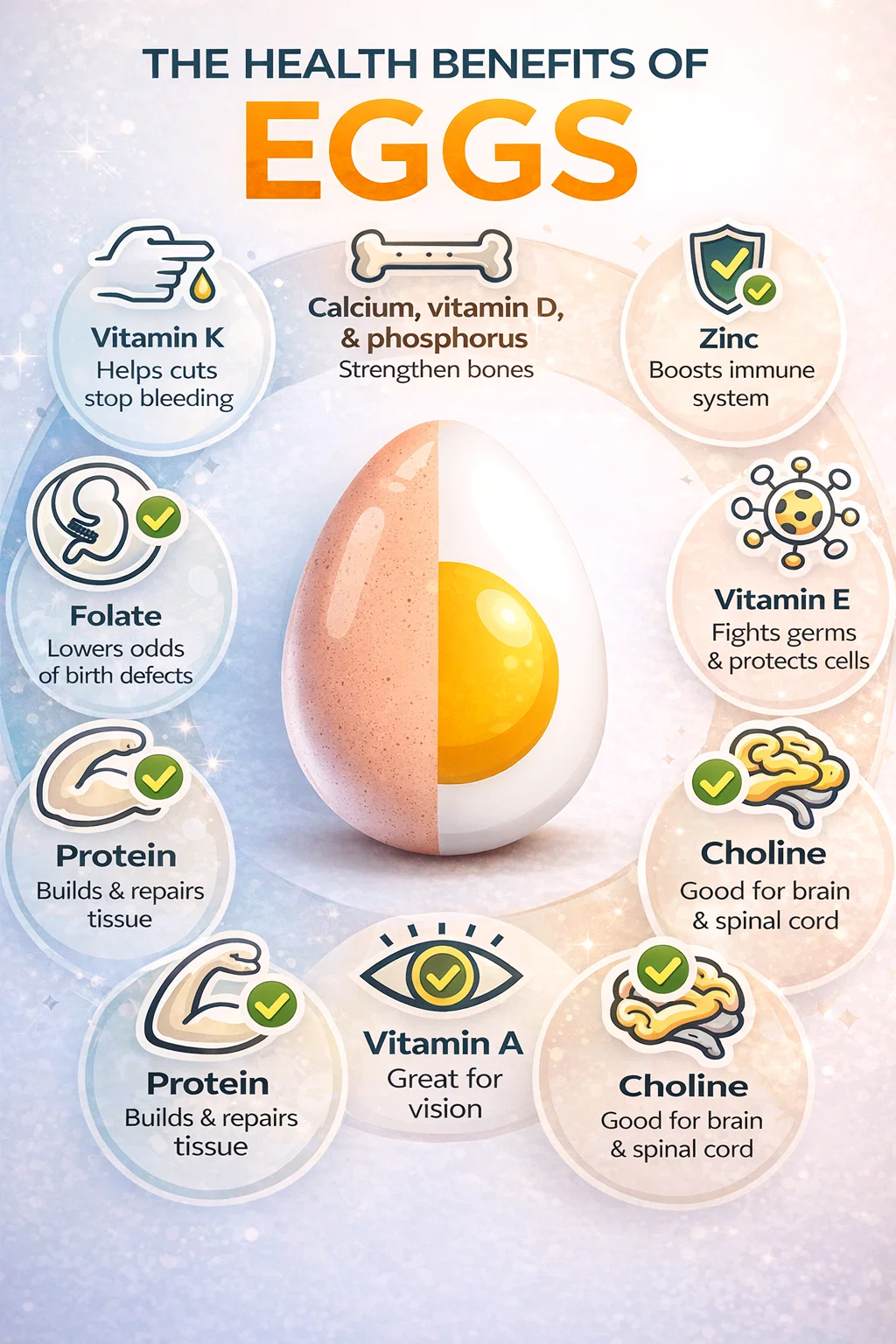
One of the most well-known attributes of eggs is their high protein content. Protein is the building block of life, essential for the growth, repair, and maintenance of tissues throughout the body. What makes the protein in eggs particularly special is its biological value. Eggs contain all nine essential amino acids in the exact proportions that the human body needs to function optimally.
Building and Repairing Muscle Tissue
For athletes, fitness enthusiasts, or anyone looking to maintain a healthy physique, eggs are an indispensable resource. The high-quality protein helps to repair the tiny tears in muscle fibers that occur during exercise, leading to stronger and more resilient muscles. Because eggs are easily digestible, the body can quickly put those amino acids to work. This makes them an ideal post-workout meal choice to kickstart the recovery process.
Weight Management and Satiety
Beyond muscle growth, the protein in eggs plays a vital role in weight management. Protein is more satiating than fats or carbohydrates, meaning it helps you feel full for longer periods. Starting your day with an egg-based breakfast can reduce the urge to snack on high-calorie foods later in the afternoon. By stabilizing blood sugar levels and providing a steady source of energy, eggs help you maintain a healthy weight without feeling deprived of essential nutrients.
Brain Health and the Role of Choline
While many people focus on the physical benefits of eggs, their impact on cognitive function is equally impressive. Eggs are one of the best dietary sources of Choline, a nutrient that is often overlooked but critical for brain development and maintenance. Choline is a precursor to acetylcholine, a neurotransmitter involved in memory, mood, and muscle control.
Supporting the Spinal Cord and Nervous System
The benefits of Choline extend beyond just memory. It is essential for maintaining the structural integrity of cell membranes and plays a key role in the development of the brain and spinal cord in fetuses. This is why eggs are frequently recommended for pregnant women. Even for adults, a consistent intake of Choline ensures that the nervous system communicates effectively, helping you stay sharp and focused throughout your daily tasks.
Long-Term Cognitive Protection
Emerging research suggests that adequate Choline intake may be linked to a lower risk of cognitive decline as we age. By supporting the health of brain cells and reducing inflammation within the nervous system, eggs act as a protective shield for your mind. Adding eggs to your diet is a simple and delicious way to invest in your long-term mental clarity.
Essential Vitamins for Vision and Eye Health
In an age where we spend hours staring at digital screens, eye health has never been more important. Eggs contain several key nutrients that specifically target the health of our eyes, protecting them from environmental damage and age-related issues. Vitamin A, in particular, is a standout component found in egg yolks.
The Importance of Vitamin A
Vitamin A is crucial for maintaining a clear cornea, which is the outside covering of your eye. It is also a component of rhodopsin, a protein in your eyes that allows you to see in low-light conditions. A deficiency in Vitamin A can lead to night blindness and other vision impairments, making the concentration of this vitamin in eggs a vital part of a balanced diet.
Lutein and Zeaxanthin for Blue Light Protection
In addition to Vitamin A, eggs are rich in antioxidants like lutein and zeaxanthin. These compounds accumulate in the retina, where they help filter out harmful blue light and protect the eyes from oxidative stress. Regular consumption of these antioxidants has been shown to significantly reduce the risk of cataracts and macular degeneration, ensuring that your vision remains crisp and clear as you get older.
Boosting Your Immune System and Protecting Cells
A strong immune system is your body’s first line of defense against germs, viruses, and environmental toxins. Eggs provide a unique combination of minerals and vitamins that work together to fortify your natural defenses. Specifically, the presence of Zinc and Vitamin E makes eggs a powerful ally in the fight against illness.
Zinc: The Immune System Booster
Zinc is a trace mineral that is essential for immune cell function and cell signaling. It helps the body produce and activate T-lymphocytes, which are the cells responsible for attacking infected or cancerous cells. By ensuring you have enough Zinc in your diet, you are giving your immune system the tools it needs to respond quickly and effectively to any threats.
Vitamin E as an Antioxidant Shield
Vitamin E serves as a potent antioxidant that protects your cells from damage caused by free radicals. These unstable molecules can harm healthy cells and contribute to chronic inflammation and disease. The Vitamin E found in eggs helps to neutralize these free radicals, protecting the integrity of your cells and supporting overall longevity and vitality.
Bone Strength and Heart Health Support
Maintaining strong bones is a lifelong journey, and the nutrients found in eggs provide the necessary foundation for skeletal health. The combination of Calcium, Vitamin D, and Phosphorus in eggs creates a synergistic effect that promotes high bone density and prevents brittleness.
The Trio for Stronger Bones
Calcium is the primary mineral found in bones, but it cannot be absorbed effectively without Vitamin D. Eggs are one of the few natural food sources of Vitamin D, making them incredibly valuable for bone health. Phosphorus further supports this process by helping to form the mineral matrix that gives bones their strength. Together, these nutrients reduce the risk of fractures and osteoporosis later in life.
Vitamin K and Blood Clotting
Another often overlooked nutrient in eggs is Vitamin K. This vitamin is essential for synthesizing the proteins required for blood clotting. It ensures that when you get a cut or an injury, your body can stop the bleeding efficiently. Additionally, Vitamin K works alongside Vitamin D to ensure that calcium is directed to the bones rather than accumulating in the arteries, which also supports cardiovascular health.
Folate and Reproductive Wellness
Folate, also known as Vitamin B9, is another critical nutrient found in eggs that has wide-reaching benefits for the body. It is particularly famous for its role in DNA synthesis and repair, making it essential for rapid cell growth and division.
Reducing the Odds of Birth Defects
For women of childbearing age, Folate is a non-negotiable part of a healthy diet. It is scientifically proven to lower the odds of neural tube defects during the early stages of pregnancy. By providing a natural source of Folate, eggs help support the healthy development of a growing baby, making them a foundational food for maternal health.
Supporting Red Blood Cell Production
Beyond pregnancy, Folate is necessary for the production of healthy red blood cells. A deficiency in this vitamin can lead to anemia, which causes fatigue and weakness. By consuming eggs regularly, you help maintain your energy levels and ensure that your body is constantly producing the healthy cells it needs to thrive.
Simple Ways to Incorporate Eggs into Your Lifestyle
The beauty of eggs lies not just in their nutrition, but in their versatility. They can be prepared in minutes and used in countless recipes, from savory breakfast dishes to hearty dinner options. If you are looking to maximize the health benefits mentioned above, consider the following preparation tips.
- Boil for On-the-Go: Hard-boiled eggs are the perfect portable snack. They retain most of their nutrients and provide a quick hit of protein and healthy fats when you are busy.
- Add Leafy Greens: Sautéing spinach or kale with your eggs increases the intake of fiber and additional antioxidants, creating a well-rounded meal.
- Poach for Purity: Poaching eggs in water avoids the need for added oils or butters, keeping the calorie count low while preserving the delicate vitamins in the yolk.
- Whisk into Stir-Fries: Adding an egg to your vegetable stir-fry or fried rice is an easy way to boost the protein content of your dinner without much extra effort.
Conclusion: Nature’s Most Versatile Superfood
It is rare to find a single food item that offers such a comprehensive array of health benefits. From the Vitamin K that helps your cuts stop bleeding to the Choline that keeps your brain sharp, eggs truly are a nutritional powerhouse. They provide the protein necessary for muscle repair, the Vitamin A required for vision, and the Zinc needed for a robust immune system. Whether you are focused on athletic performance, cognitive longevity, or simply maintaining a healthy lifestyle, eggs deserve a permanent place on your plate. By embracing this versatile superfood, you are giving your body the essential tools it needs to function at its peak, proving that sometimes the best solutions for our health are the most natural ones.