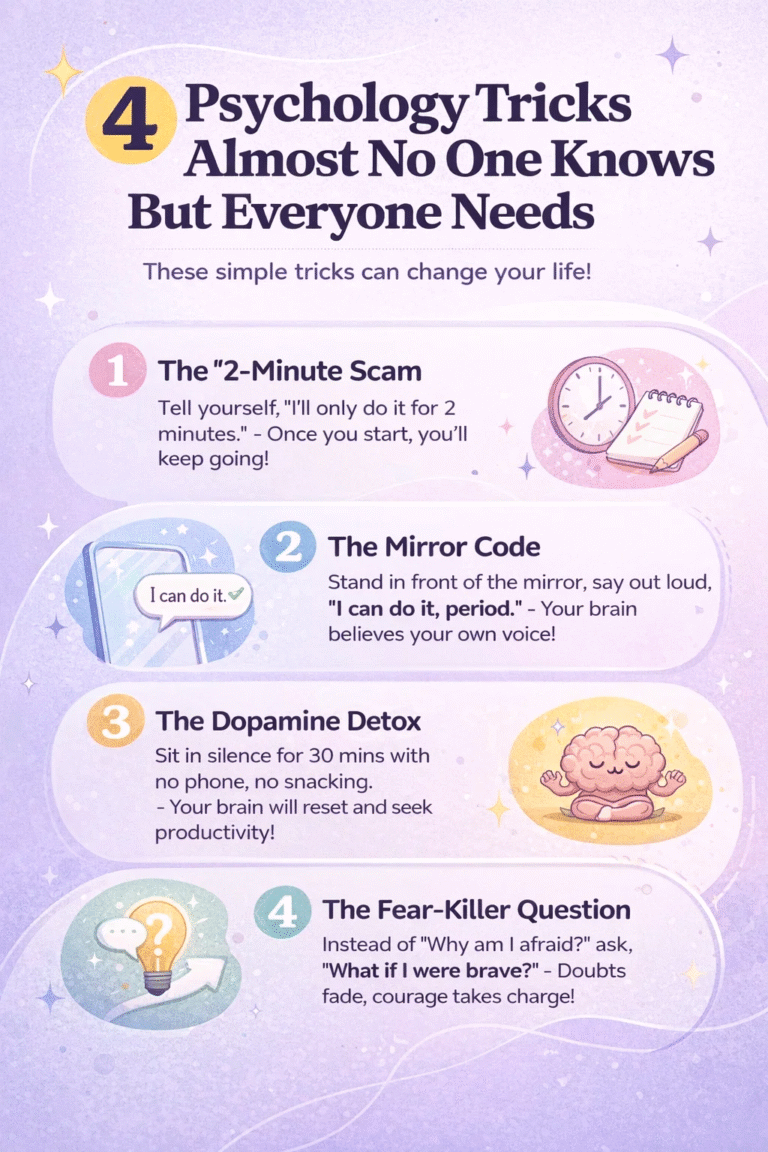
Discipline Motivation Poster Small Daily Habits for Success, Growth and Focus
Success is often portrayed as the result of major breakthroughs, dramatic transformations, or rare moments of inspiration. In reality, long-term achievement is usually built on something much simpler and far more powerful: discipline. The ability to make consistent choices, stay focused on priorities, and continue moving forward even when motivation fades is what separates temporary effort from lasting progress.
Discipline is not about perfection. It is about showing up, taking small steps every day, and trusting that those efforts will compound over time. Whether your goal is personal growth, career advancement, better health, academic success, or improved productivity, discipline provides the foundation that makes meaningful change possible.
Key Takeaways
- Discipline is built through consistent daily actions.
- Small habits create significant long-term results.
- Progress matters more than perfection.
- Self-control grows stronger with practice.
- Focus and consistency often outperform talent alone.
- A disciplined mindset supports success in every area of life.
Understanding the True Meaning of Discipline
Many people associate discipline with restriction, rules, or punishment. However, genuine discipline is better understood as a commitment to your future self. It is the willingness to make choices today that support the life you want tomorrow.
Discipline allows you to act according to your goals rather than your temporary emotions. Some days motivation feels effortless. Other days it disappears completely. Discipline bridges that gap by providing a reliable framework for action regardless of mood.
Important: Motivation may help you start, but discipline helps you continue. The people who achieve sustainable success are often not the most motivated. They are the most consistent.
Why Small Steps Matter More Than Big Leaps
One of the most powerful lessons in personal development is that small actions performed consistently often outperform occasional bursts of extreme effort.
Consider the impact of reading ten pages a day, exercising for twenty minutes daily, saving a small amount of money regularly, or dedicating focused time to learning a new skill. Each individual action may seem insignificant. Yet over months and years, these actions create extraordinary results.
The concept works because progress compounds. Every small improvement builds upon previous efforts, creating momentum that becomes increasingly valuable over time.
The Power of Daily Choices
Every day presents opportunities to reinforce productive habits or weaken them. Small choices shape routines, and routines shape outcomes.
- Choosing to wake up on time improves structure.
- Planning your day increases productivity.
- Completing important tasks before distractions builds focus.
- Practicing healthy habits strengthens self-control.
- Following through on commitments builds confidence.
These choices may seem minor individually, but collectively they influence the direction of your life.
Discipline Versus Motivation
Motivation often receives more attention because it feels exciting. Inspirational stories, powerful speeches, and moments of enthusiasm can create a temporary surge of energy.
However, motivation is naturally inconsistent. It rises and falls based on circumstances, emotions, energy levels, and external influences.
Discipline, on the other hand, creates stability. It allows action to continue even when excitement disappears.
What Happens When Motivation Fades?
Every meaningful goal eventually encounters challenges:
- Unexpected setbacks
- Slow progress
- Fatigue and stress
- Competing priorities
- Self-doubt
During these moments, motivation alone is rarely enough. Discipline becomes the deciding factor. It encourages continued effort despite discomfort, uncertainty, or temporary frustration.
Why This Matters
Most successful habits are not maintained because they are always enjoyable. They are maintained because disciplined individuals understand that today’s effort creates tomorrow’s opportunities.
Building Discipline Through Consistency
Discipline is not a personality trait that only a few people possess. It is a skill that can be developed through repeated practice.
The key is consistency rather than intensity. Many people attempt dramatic changes only to become overwhelmed and quit. Sustainable growth usually comes from manageable actions repeated regularly.
Start Smaller Than You Think
If your goal feels overwhelming, reduce it until it becomes easy to complete consistently.
Examples include:
- Reading five pages instead of fifty.
- Walking ten minutes instead of one hour.
- Writing one paragraph instead of an entire chapter.
- Saving a small amount consistently instead of waiting for a large deposit.
Small wins build confidence and reinforce positive behavior patterns.
Focus on Repetition
Many people obsess over outcomes while neglecting the process. Instead of focusing exclusively on distant results, focus on repeating beneficial actions.
Consistent repetition transforms actions into habits, and habits reduce the need for constant decision-making. Eventually, disciplined behavior becomes more natural and automatic.
Pro Tip: Design your environment to support discipline. Keep distractions away, prepare tools in advance, and make positive habits easier to perform than negative ones.
The Relationship Between Discipline and Personal Growth
Personal growth is rarely the result of a single decision. Instead, it emerges from countless moments of intentional action.
Every disciplined choice contributes to personal development by strengthening qualities such as:
- Responsibility
- Patience
- Focus
- Perseverance
- Resilience
- Self-confidence
Over time, these qualities create a stronger mindset capable of handling greater challenges and opportunities.
Learning Through Imperfection
Discipline does not require flawless performance. Mistakes, setbacks, and missed opportunities are inevitable.
The key is returning to productive behavior quickly rather than allowing temporary failures to become permanent patterns.
Growth happens when people continue learning, adjusting, and improving despite occasional setbacks.
Practical Habits That Strengthen Discipline
Developing discipline becomes easier when supported by effective daily habits. The following practices create a strong foundation for consistent progress.
1. Create a Daily Plan
Planning reduces uncertainty and helps prioritize important tasks. Even a simple checklist can improve focus and accountability.
2. Establish Morning Routines
A structured morning creates momentum for the rest of the day. Consistent routines reduce decision fatigue and support productive behavior.
3. Limit Distractions
Modern environments are filled with interruptions. Identifying and reducing distractions improves concentration and efficiency.
4. Track Progress
Recording progress creates awareness and motivation. Seeing consistent effort accumulate reinforces disciplined behavior.
5. Celebrate Small Wins
Recognizing progress helps maintain enthusiasm and reinforces positive habits. Every completed step deserves acknowledgment.
The Quiet Strength Behind Success
Many achievements happen quietly. There are no headlines when someone studies consistently, wakes up early, practices a skill daily, or chooses long-term growth over short-term comfort.
Yet these quiet actions often produce the most meaningful results.
Discipline works behind the scenes. It rarely attracts attention in the moment, but its effects become increasingly visible over time.
Important: The strongest form of discipline is often invisible. It is found in the daily decisions nobody sees, repeated consistently even when there is no immediate reward.
Overcoming Common Obstacles
Building discipline is rewarding, but it is not always easy. Understanding common obstacles can help you navigate them more effectively.
Perfectionism
Waiting for perfect conditions often delays progress. Action is usually more valuable than perfect planning.
Lack of Patience
Meaningful results require time. Discipline involves trusting the process even when progress seems slow.
Inconsistent Routines
Frequent changes make habits difficult to maintain. Consistency creates stability and supports long-term success.
Negative Self-Talk
Self-criticism can undermine progress. Replacing harsh judgments with constructive reflection encourages growth and persistence.
Creating a Disciplined Mindset for the Future
A disciplined life is not built overnight. It develops gradually through repeated choices aligned with personal values and goals.
Every decision to remain focused, continue learning, stay consistent, and take responsibility contributes to a stronger future.
The beauty of discipline is that anyone can begin. Regardless of past mistakes, current circumstances, or previous setbacks, a new choice can be made today.
One small action may not seem significant, but repeated consistently, it becomes transformative.
At a Glance
- Discipline creates long-term success through consistency.
- Small habits often produce the biggest results.
- Progress matters more than perfection.
- Daily routines strengthen self-control and focus.
- Persistence turns goals into reality.
Conclusion
Discipline remains one of the most valuable qualities a person can develop. It empowers individuals to move beyond temporary emotions, stay committed to meaningful goals, and build a future shaped by intentional action.
Success rarely depends on dramatic changes. More often, it is the result of small daily choices made consistently over time. Every productive habit, focused effort, and disciplined decision contributes to growth that compounds year after year.
By embracing consistency, practicing patience, and taking steady steps forward, anyone can develop the discipline needed to create lasting success. The journey may begin with a single choice today, but its impact can extend far into the future.
Tags
Discipline Personal Growth Self Improvement Success Habits Productivity Motivation Goal Setting Positive Mindset