Cute Weekly Planner Printable Habit Tracker, Goals Daily Schedule Organizer
Staying organized does not have to feel overwhelming. A thoughtfully designed weekly planner can transform a busy schedule into a manageable routine, helping you stay focused, productive, and consistent throughout the week. Whether you’re balancing work responsibilities, school assignments, personal goals, fitness routines, or self-care habits, a weekly planner creates structure that supports long-term success.
The beauty of a weekly planning system lies in its simplicity. Instead of reacting to tasks as they appear, you can intentionally map out priorities, track habits, and reflect on progress. This approach helps reduce stress, improve time management, and create a greater sense of control over your daily life.
Key Takeaways
- Weekly planners help organize priorities and reduce mental clutter.
- Habit tracking encourages consistency and long-term progress.
- Planning ahead improves productivity and time management.
- Goal-setting sections keep important objectives visible.
- Regular weekly reviews help identify improvements and wins.
- A structured schedule supports healthier routines and balance.
Why Weekly Planning Matters
Many people rely on memory to keep track of appointments, deadlines, errands, and personal goals. While this may work temporarily, it often leads to forgotten tasks and unnecessary stress. Weekly planning provides a clear overview of upcoming responsibilities, allowing you to allocate time intentionally.
A planner acts as an external brain. Instead of carrying every reminder in your head, you can write it down and focus your energy on completing tasks rather than remembering them.
Important: The most effective planning systems are not the most complicated ones. A simple weekly layout that you use consistently will outperform an elaborate system that becomes difficult to maintain.
By reviewing your week in advance, you can identify busy periods, schedule important priorities, and create realistic expectations for what can be accomplished.
The Benefits of a Structured Weekly Planner
A well-designed weekly planner often includes several sections that work together to support organization and productivity. These sections serve different purposes while contributing to a complete planning system.
Daily Task Management
Breaking your week into individual days allows you to assign tasks where they belong. This prevents overwhelming to-do lists and makes large projects feel more manageable.
- Prioritize important responsibilities.
- Distribute workload evenly across the week.
- Avoid last-minute stress.
- Create realistic daily expectations.
When each day has a clear purpose, productivity naturally improves because you spend less time deciding what to work on next.
Top Priorities Section
One of the most valuable features in any planner is a dedicated space for top priorities. Selecting a few key tasks each day helps maintain focus and prevents distractions from taking over.
Rather than attempting to complete dozens of tasks, identifying your most important objectives ensures meaningful progress.
Time Blocking and Scheduling
Including hourly schedules encourages intentional time management. Time blocking allows you to reserve specific periods for focused work, meetings, exercise, study sessions, or personal activities.
When time is planned proactively, productivity often increases because fewer decisions are required throughout the day.
How Habit Tracking Builds Consistency
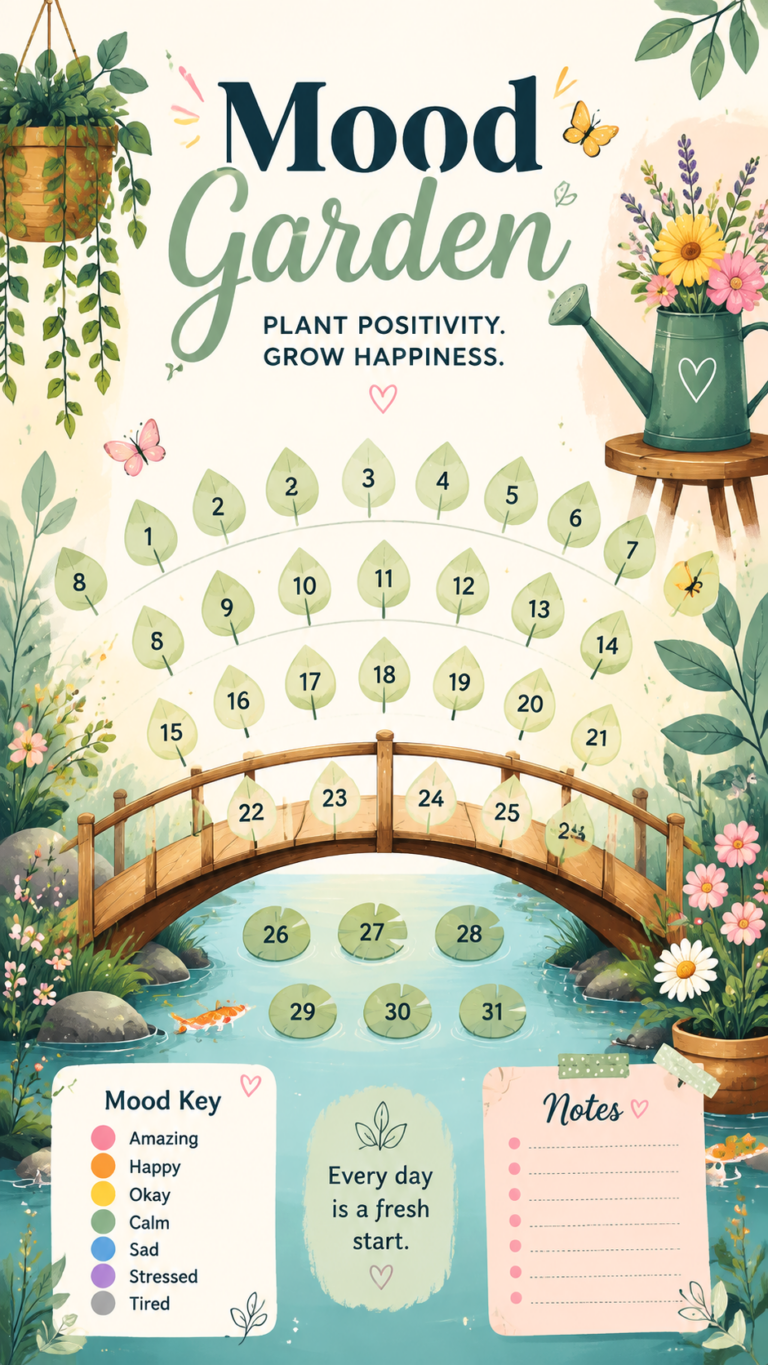
One of the most powerful elements of modern planners is habit tracking. Habits represent the small actions that accumulate into significant results over time.
Examples of commonly tracked habits include:
- Drinking water
- Reading daily
- Exercising
- Journaling
- Healthy eating
- Morning routines
- Evening routines
- Skincare habits
Tracking these behaviors creates awareness and accountability. Even a simple visual record can motivate consistency because progress becomes visible.
Why This Matters
- Small daily habits often create bigger results than occasional bursts of motivation.
- Tracking habits reveals patterns that are easy to miss.
- Consistency becomes measurable and easier to maintain.
Many successful routines are built one day at a time. A habit tracker helps you focus on progress rather than perfection.
Using Weekly Goals to Stay Motivated
Goal-setting provides direction. Without clear goals, it is easy to stay busy without making meaningful progress.
A weekly goals section creates a bridge between long-term ambitions and daily actions. Instead of focusing solely on distant objectives, you identify practical steps that can be completed within the current week.
Examples of Weekly Goals
- Complete a project milestone.
- Exercise four times.
- Read one book chapter daily.
- Declutter a room.
- Prepare healthy meals.
- Finish coursework assignments.
Breaking larger objectives into weekly targets makes them feel achievable and keeps motivation high.
Pro Tip: Limit your weekly goals to a manageable number. Too many goals create overwhelm, while a focused list increases the likelihood of completion.
The Power of Reflection and Weekly Reviews
Productivity is not just about planning. It is also about learning from experience. A weekly review section provides an opportunity to reflect on accomplishments, challenges, and lessons learned.
Reflection helps answer important questions:
- What went well this week?
- What challenges appeared?
- What could be improved?
- What should be prioritized next week?
This simple practice encourages continuous improvement and helps maintain momentum over time.
People often skip reflection because they are eager to move forward. However, reviewing progress provides valuable insights that improve future planning decisions.
Creating a Balanced Weekly Routine
Effective planning is about more than productivity. It also supports balance. A well-rounded weekly plan should include responsibilities alongside activities that support physical and mental well-being.
Work and Career
Schedule major projects, meetings, deadlines, and professional priorities early in the week to maintain visibility.
Health and Wellness
Include exercise sessions, meal preparation, hydration goals, and adequate rest.
Personal Growth
Dedicate time to reading, learning new skills, journaling, or pursuing creative interests.
Relationships
Plan meaningful time with family, friends, and loved ones to maintain important connections.
When all areas of life receive attention, weekly planning becomes a tool for balance rather than simply a productivity system.
Building a Sustainable Planning Habit
Many people start planning enthusiastically but struggle with consistency. Building a sustainable planning habit requires simplicity and repetition.
Choose a Planning Time
Select a specific time each week to prepare your upcoming schedule. Sunday evening and Monday morning are popular choices.
Review Before You Plan
Take a few minutes to assess the previous week before creating a new plan.
Keep It Realistic
A planner should support success, not create pressure. Avoid filling every hour with tasks.
Focus on Priorities
Identify the tasks that matter most and ensure they receive dedicated attention.
Important: Consistency matters more than perfection. Missing a day of planning is not failure. The goal is to return to the process and continue moving forward.
Making Your Planner More Effective
While a planner provides structure, a few additional strategies can improve its effectiveness.
Use Color Coding
Assign colors to categories such as work, personal tasks, health, and family commitments for quick visual organization.
Prioritize Tasks
Mark high-priority items so they stand out immediately when reviewing your schedule.
Track Progress
Celebrate completed tasks and habit streaks. Visible progress reinforces positive behaviors.
Leave White Space
Unexpected events happen. Leaving open space in your schedule creates flexibility.
Who Benefits Most from Weekly Planning?
Almost anyone can benefit from a structured planning system.
- Students managing classes, assignments, and exams.
- Professionals balancing projects, meetings, and deadlines.
- Entrepreneurs organizing business priorities and growth strategies.
- Parents coordinating family schedules and household responsibilities.
- Fitness enthusiasts tracking workouts and wellness habits.
- Goal-oriented individuals focused on personal development.
The flexibility of a weekly planner makes it adaptable to virtually any lifestyle.
Combining Productivity with Gratitude
Many modern planners include space for gratitude or positive reflection. This simple practice shifts attention toward what is working well rather than focusing exclusively on unfinished tasks.
Writing down a few things you appreciate each day can improve mindset, reduce stress, and create a more positive planning experience.
Productivity and gratitude work surprisingly well together because both encourage intentional living.
At a Glance
- Weekly planning improves organization and focus.
- Habit trackers support consistency and accountability.
- Goal-setting creates direction and motivation.
- Reflection encourages continuous improvement.
- Balanced schedules promote productivity and well-being.
Conclusion
A weekly planner is more than a scheduling tool. It is a practical system for managing responsibilities, building habits, pursuing goals, and maintaining balance. By organizing priorities, tracking progress, and reflecting regularly, you create a framework that supports both productivity and personal growth.
The most effective planning routine is one that feels simple, sustainable, and aligned with your lifestyle. Whether your focus is improving time management, developing healthier habits, achieving goals, or reducing stress, a structured weekly planner can help you stay organized and consistent throughout the year.
Tags
Weekly Planner Habit Tracker Productivity Goal Setting Time Management Organization Tips Personal Development Planning Routine