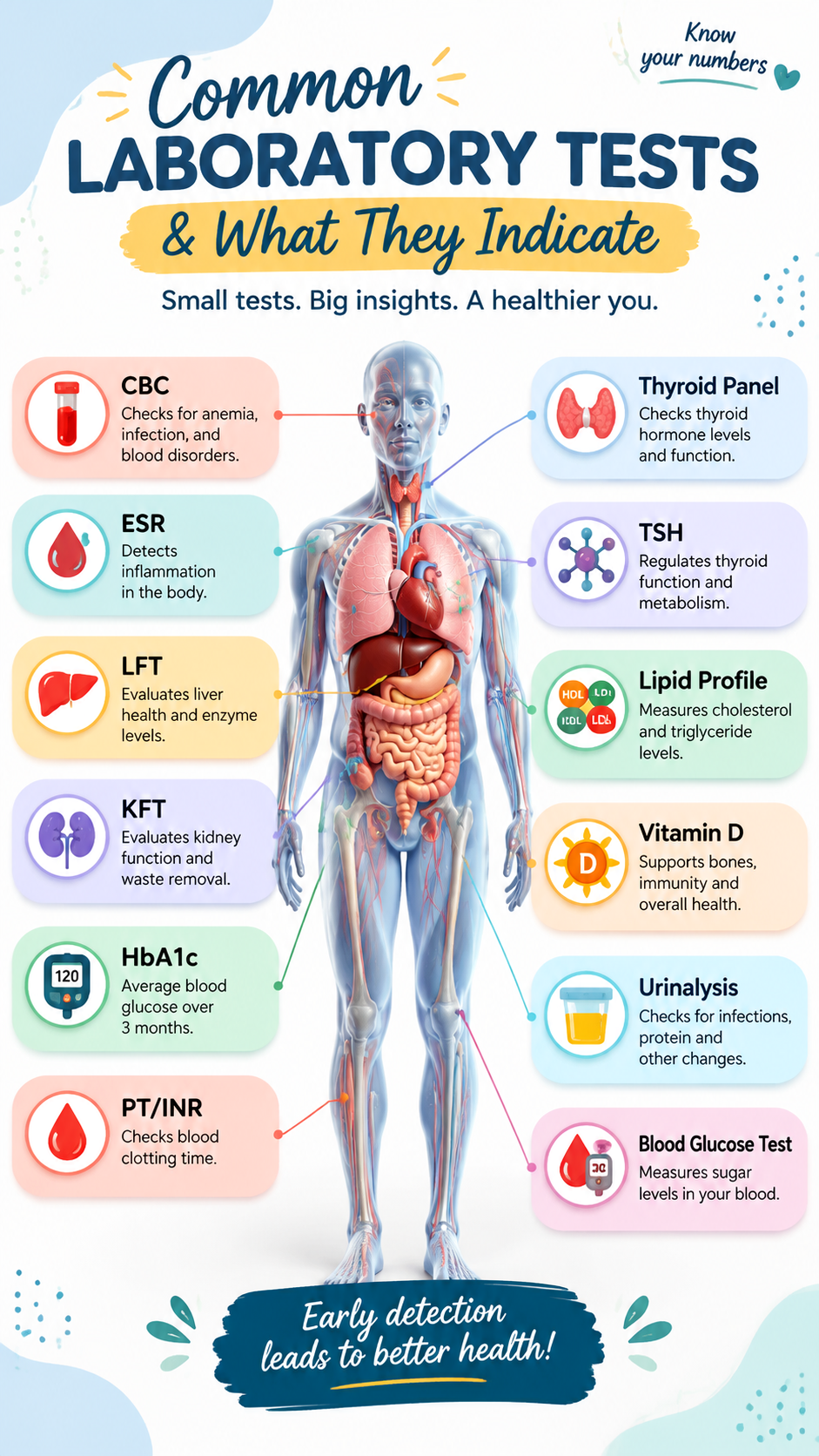
Common Laboratory Tests Explained What Your Blood Test Results Indicate
Understanding your laboratory test results can feel overwhelming, especially when medical reports include unfamiliar abbreviations, numbers, and health markers. Routine blood tests and diagnostic screenings provide valuable information about how different systems in the body are functioning. From checking blood cells and glucose levels to evaluating thyroid activity, kidney health, liver function, and nutrient status, laboratory tests help create a clearer picture of overall wellness.
Whether you are preparing for a routine health checkup or simply want to become more informed about your body, learning what common laboratory tests indicate can help you have better conversations with healthcare professionals. These tests do not tell the entire story of your health alone, but they provide important clues that support early detection, prevention, and personalized care.
Key Takeaways
- Common laboratory tests provide insights into blood, organ function, metabolism, and overall health.
- A complete blood count can reveal important information about anemia, infection, and blood disorders.
- Glucose, HbA1c, and lipid tests help monitor metabolic and cardiovascular health.
- Thyroid, kidney, and liver tests evaluate how essential body systems are working.
- Regular health screenings can support early awareness and preventive care.
Why Common Laboratory Tests Matter
Laboratory tests are one of the most important tools used in modern healthcare. A simple blood or urine sample can provide information about internal processes that cannot be easily seen from outside the body. Doctors often use these results alongside symptoms, medical history, and physical examinations to understand possible health concerns.
Many laboratory tests are used during routine checkups because they can identify changes before noticeable symptoms appear. For example, blood glucose testing may show changes in sugar regulation, while cholesterol testing can provide insight into heart health risks.
Important: Laboratory results should always be interpreted in context. A single number outside a reference range does not automatically mean there is a serious problem. Healthcare providers consider multiple factors before making conclusions.
Complete Blood Count (CBC): Understanding Your Blood Health
A Complete Blood Count, commonly known as CBC, is one of the most frequently performed laboratory tests. It measures different components of blood, including red blood cells, white blood cells, and platelets.
What a CBC Can Indicate
- Red blood cells: Help evaluate oxygen delivery throughout the body and may provide clues about anemia.
- White blood cells: Offer information about immune system activity and possible infections.
- Platelets: Help assess blood clotting ability.
A CBC is often included in general health screenings because it provides a broad overview of important blood functions.
Inflammation Markers: ESR and CRP Tests
Inflammation is a natural response from the body when it reacts to injury, infection, or other stress. Two commonly used laboratory markers related to inflammation are ESR and CRP.
ESR Test
The erythrocyte sedimentation rate, or ESR, measures how quickly red blood cells settle in a sample. Changes in ESR levels may be associated with inflammation, although the result must be considered along with other health information.
CRP Test
C-reactive protein, or CRP, is another marker used to identify inflammation. It may increase when the body is responding to certain conditions, including infections or inflammatory processes.
Liver Function Tests (LFT): Checking Liver Health
The liver performs many essential tasks, including processing nutrients, supporting digestion, and helping remove substances the body does not need. Liver function tests evaluate specific enzymes and markers connected to liver activity.
Why Liver Tests Are Used
- To monitor liver-related changes.
- To evaluate enzyme levels linked to liver function.
- To support assessment of overall metabolic health.
Kidney Function Tests (KFT): Monitoring Filtration and Balance
The kidneys play a major role in filtering waste, balancing fluids, and maintaining important minerals in the body. Kidney function tests help evaluate how effectively these processes are working.
Common Kidney Health Indicators
- Creatinine levels can provide information about kidney filtration.
- Urea levels may reflect waste processing in the body.
- Electrolyte balance helps monitor important minerals.
HbA1c and Blood Glucose Tests: Understanding Sugar Levels
Blood glucose testing measures current sugar levels in the bloodstream, while the HbA1c test provides information about average blood glucose levels over approximately several months.
Why These Tests Are Important
Monitoring blood sugar is an important part of diabetes management and metabolic health. These tests help identify patterns and support decisions about nutrition, lifestyle habits, and medical care.
Thyroid Tests: Understanding Hormone Balance
The thyroid gland produces hormones that influence metabolism, energy use, and many body functions. Thyroid laboratory tests, including TSH and thyroid hormone measurements, help evaluate thyroid activity.
TSH Test Explained
Thyroid-stimulating hormone, or TSH, is commonly measured when assessing thyroid function. Abnormal levels may suggest that the thyroid is producing too much or too little hormone activity.
Lipid Profile: Measuring Cholesterol and Triglycerides
A lipid profile evaluates different types of fats in the blood, including cholesterol and triglycerides. These measurements are often used as part of cardiovascular health assessments.
Key Lipid Markers
- HDL cholesterol: Often referred to as a protective cholesterol type.
- LDL cholesterol: Commonly monitored as part of heart health evaluations.
- Triglycerides: Another type of blood fat measured during testing.
Vitamin D, Ferritin, and Other Important Tests
Some laboratory tests focus on nutrients and storage markers that support overall wellness. Vitamin D testing may provide information related to vitamin status, while ferritin testing helps evaluate stored iron levels.
Urinalysis and Additional Screening
Urinalysis examines urine characteristics and can provide useful information about kidney health, hydration, and possible urinary concerns. Other tests, such as PT/INR, may evaluate blood clotting processes.
Expert Insight
- Health tracking is most useful when results are viewed as patterns over time.
- Regular screenings can encourage early awareness and better health decisions.
- Understanding basic laboratory terms helps patients participate more confidently in healthcare discussions.
How to Prepare for Laboratory Testing
Preparation depends on the type of test being performed. Some tests may require fasting, while others do not. Following the instructions provided by your healthcare professional can help ensure accurate results.
- Ask whether fasting is required before your appointment.
- Stay hydrated unless you have been advised otherwise.
- Share information about medications or supplements when appropriate.
- Keep previous test results available for comparison.
At a Glance
- CBC checks important blood components.
- Glucose and HbA1c monitor sugar patterns.
- Thyroid tests evaluate hormone activity.
- Liver and kidney tests support organ health monitoring.
Conclusion: Making Sense of Your Health Numbers
Common laboratory tests provide valuable insights into the body’s internal functions. From blood cells and inflammation markers to thyroid hormones, cholesterol levels, and nutrient status, these tests help healthcare professionals understand important aspects of health.
Learning the purpose behind common blood tests and screenings empowers you to take a more active role in your wellness journey. While laboratory results should always be discussed with a qualified healthcare provider, understanding the basics can make medical information easier to navigate and support better health decisions.
Tags
Laboratory Tests
Blood Test Guide
Health Checkup
CBC Test
HbA1c
Thyroid Health
Preventive Care