6 Amazing Benefits of Oatmeal for Women Heart Health, Hormones, Digestion More
Looking for a simple way to support your health while enjoying delicious, satisfying meals? Oatmeal is a nourishing everyday food that deserves a place in your kitchen. Made from whole oats, this versatile breakfast staple provides fiber, complex carbohydrates, plant-based protein, and essential minerals that help support overall well-being. For women looking to improve their breakfast routine, support digestive health, maintain steady energy, and enjoy a balanced diet, oatmeal is an affordable and easy option.
From creamy bowls topped with blueberries and nuts to overnight oats prepared the night before, there are countless ways to make oats both nutritious and delicious. The best part is that you do not need complicated recipes or expensive ingredients to enjoy their benefits. Understanding how oatmeal fits into a balanced diet can help you make smarter food choices every day.
Key Takeaways
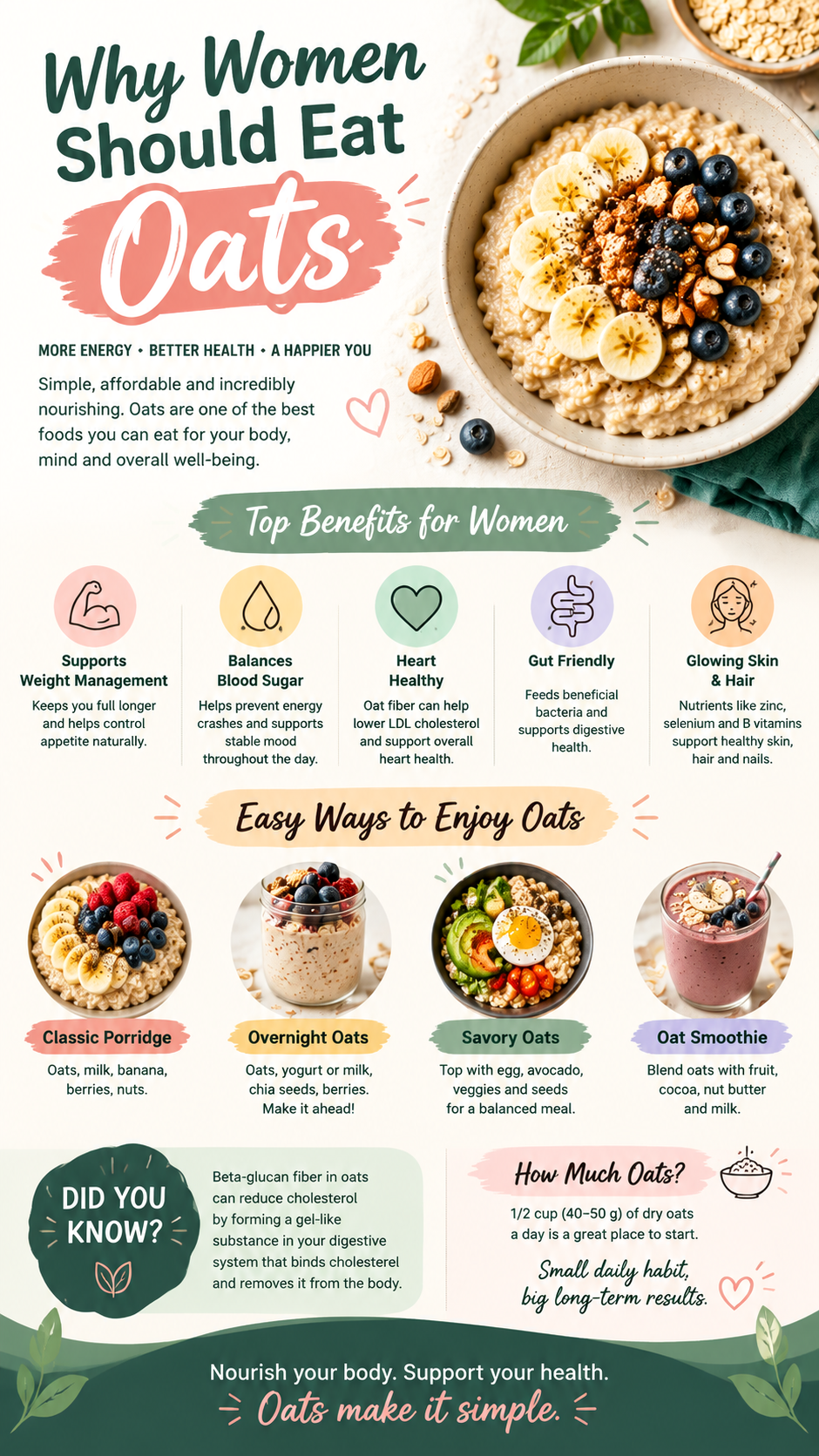
- Oatmeal provides soluble fiber, including beta-glucan, which can help support healthy cholesterol levels.
- The fiber and complex carbohydrates in oats can help you feel satisfied and maintain more consistent energy.
- Oats support digestive health by contributing fiber to your daily diet.
- Oatmeal provides important nutrients, including manganese, magnesium, phosphorus, iron, and B vitamins.
- Adding fruit, nuts, seeds, or yogurt makes oatmeal more varied and can increase its nutritional value.
- Around 1/2 cup of dry oats, approximately 40 grams, is a practical starting portion for many adults.
Why Oatmeal Is a Smart Choice for Women’s Health
Women’s nutritional needs can change throughout adulthood, including during menstruation, pregnancy, perimenopause, and menopause. Although no single food can meet every nutritional need, choosing a variety of nutrient-rich foods helps support health at different stages of life.
Oatmeal offers several qualities that make it especially useful as part of a balanced eating pattern. It is easy to prepare, generally affordable, widely available, and simple to customize according to your taste and nutritional goals.
Whole oats contain carbohydrates that provide energy, fiber that supports digestion, and small amounts of protein and healthy fats. They also contribute minerals involved in normal body functions. When paired with protein-rich foods and healthy fats, oatmeal can become a satisfying meal rather than just a quick bowl of carbohydrates.
Important: Oatmeal can support a healthy lifestyle, but it is not a treatment for hormonal imbalances, heart disease, diabetes, or digestive conditions. Its benefits depend on your overall eating pattern, portion sizes, activity level, and individual health needs.
6 Benefits of Oatmeal for Women
1. Supports Healthy Weight Management
If you are trying to build healthier eating habits, oatmeal can be a useful addition to your routine. One of its main advantages is its fiber content, which contributes to fullness and can help make meals more satisfying.
Oats contain beta-glucan, a type of soluble fiber that forms a gel-like substance when mixed with water in the digestive system. This property can influence digestion and may help you feel full for longer after eating.
A satisfying breakfast can make it easier to manage hunger between meals. Instead of reaching for snacks soon after breakfast, you may find that a bowl of oatmeal with protein and healthy fats keeps you comfortably satisfied.
How to Make Oatmeal More Filling
- Add Greek yogurt or milk for extra protein.
- Sprinkle chia seeds or ground flaxseed on top.
- Include berries, sliced apples, or pears for additional fiber.
- Add a small serving of nuts or nut butter for healthy fats.
Remember that weight management involves more than eating a particular food. Your overall diet, movement, sleep, stress levels, and individual circumstances all play a role. Oatmeal is most helpful when it fits into a sustainable routine that leaves you feeling nourished and satisfied.
2. Helps Support Healthy Blood Sugar Levels
Maintaining balanced blood sugar is important for overall health. Oatmeal contains complex carbohydrates and soluble fiber, which can influence how quickly carbohydrates are digested and absorbed.
Beta-glucan helps slow digestion and can reduce the rate at which glucose enters the bloodstream after a meal. However, the effect varies depending on the type of oats, the serving size, and what else you eat with them.
Less processed oats, such as steel-cut oats and traditional rolled oats, generally retain their structure better than instant varieties. They may produce a slower blood sugar response, although preparation methods and individual differences also matter.
Tips for a More Balanced Oatmeal Bowl
- Choose plain oats instead of heavily sweetened flavored packets.
- Pair oats with nuts, seeds, milk, or yogurt.
- Use cinnamon, vanilla, or fresh fruit for flavor.
- Keep added sugar and sweet syrups moderate.
Combining carbohydrates with protein, fiber, and healthy fats can make a meal more balanced. If you have diabetes or another condition affecting blood sugar, follow your healthcare professional’s advice about carbohydrate portions and meal planning.
3. Promotes Heart Health
Heart health is an important part of women’s wellness at every age. Oats are particularly well known for their beta-glucan content, which has been studied for its role in lowering LDL cholesterol, often called bad cholesterol.
When consumed regularly as part of a balanced diet, oat beta-glucan can help reduce LDL cholesterol by interfering with the reabsorption of bile acids in the digestive system. The body uses cholesterol to make these acids, so it draws on cholesterol from the bloodstream to replace some of what is lost.
This is one reason oats are frequently included in heart-conscious eating plans. Their fiber content also makes them a practical alternative to breakfast foods that are high in saturated fat or added sugar.
For a heart-friendly breakfast, prepare oatmeal with low-fat milk or an unsweetened fortified plant-based drink. Add blueberries, walnuts, chia seeds, or sliced fruit for flavor and extra nutrients.
Oatmeal alone cannot prevent heart disease, and it does not replace medication when medication is needed. The greatest benefit comes from combining fiber-rich foods with regular physical activity, not smoking, adequate sleep, and an overall balanced diet.
4. Supports Healthy Digestion and Gut Function
If you want to increase your fiber intake, oatmeal is an easy place to start. Fiber supports normal bowel function, and oats provide both soluble fiber and other dietary fiber that contribute to digestive health.
Soluble fiber absorbs water and forms a gel-like texture, while other fibers contribute to stool bulk. Together with adequate fluid intake and a varied diet, these properties can help support regular bowel movements.
Some of the fiber in oats can also be fermented by beneficial gut microorganisms. This process produces substances called short-chain fatty acids, which are involved in normal gut function. The effects of individual foods on the gut microbiome vary, so oatmeal should be viewed as one component of a fiber-rich diet rather than a complete solution.
Simple Tip for Better Digestion
Increase fiber gradually if your current intake is low, and drink enough fluids throughout the day. Adding too much fiber too quickly may cause bloating or gas, especially if your digestive system is not used to it.
For a more varied fiber intake, enjoy oatmeal alongside fruits, vegetables, beans, lentils, nuts, and seeds. Different plant foods provide different fibers, so variety matters more than relying on one ingredient.
5. Provides Nutrients That Support Healthy Skin and Hair
Healthy skin and hair depend on several factors, including genetics, overall nutrition, hydration, sleep, hormones, and appropriate skin and hair care. Oatmeal can contribute to a balanced diet by providing nutrients involved in normal body functions.
Whole oats contain manganese, magnesium, phosphorus, iron, zinc in smaller amounts, and several B vitamins. These nutrients support processes such as energy metabolism, normal cell function, and the maintenance of healthy tissues.
Oats also contain plant compounds with antioxidant activity. Including whole grains, fruits, vegetables, nuts, and seeds in your diet helps provide a broad range of beneficial compounds.
However, eating oatmeal does not guarantee glowing skin, faster hair growth, or the prevention of hair loss. Those outcomes depend on many factors, and nutritional deficiencies should be assessed individually rather than treated with a single food.
For a nutrient-rich bowl, combine oats with strawberries or blueberries, pumpkin seeds, and yogurt. This adds variety, texture, and additional nutrients without making the meal complicated.
6. Contributes to Overall Hormonal Health and Daily Energy
Hormonal health is a common concern for women, particularly during menstruation, pregnancy, perimenopause, and menopause. Although oatmeal is sometimes promoted as a hormone-balancing food, there is not enough evidence to conclude that eating oats directly regulates reproductive hormones.
What oats can do is contribute to the nutritional foundation your body needs. They provide energy from carbohydrates, fiber for digestive health, and minerals that participate in normal physiological processes.
Eating regular, balanced meals can also help you maintain a consistent eating routine. Combining oats with protein and healthy fats may provide a more satisfying source of energy than a breakfast consisting mainly of refined carbohydrates and added sugars.
For example, oatmeal prepared with milk, chia seeds, and fruit provides a combination of carbohydrates, protein, fiber, and fats. This variety can help make breakfast more balanced and enjoyable.
During different stages of life, nutritional needs can change. Iron may be especially important for women with heavy menstrual bleeding, while calcium and vitamin D become important considerations for maintaining bone health as women age. Oatmeal contributes some nutrients, but it does not provide everything needed to meet these requirements.
Keep in mind: No single food can balance hormones on its own. If you experience persistent fatigue, irregular periods, unexplained hair loss, or other concerning symptoms, speak with a qualified healthcare professional instead of relying on dietary changes alone.
How Much Oatmeal Should Women Eat Daily?
The right serving size depends on your appetite, activity level, energy needs, and the rest of your diet. For many adults, starting with approximately 1/2 cup of dry rolled oats, around 40 grams, is a practical option.
Once cooked with water or milk, this amount produces a larger bowl because the oats absorb liquid. You can adjust the serving to suit your needs and add toppings to create a more complete meal.
A Simple Daily Oatmeal Formula
- Base: About 1/2 cup of dry oats, adjusted to your appetite.
- Liquid: Water, dairy milk, or an unsweetened fortified plant-based alternative.
- Protein: Greek yogurt, milk, or a suitable alternative.
- Healthy fats: Chia seeds, ground flaxseed, walnuts, or almond butter.
- Fruit: Blueberries, bananas, apples, pears, or seasonal berries.
You do not need to eat oatmeal every day to benefit from it. Alternating it with other nutritious breakfasts, such as eggs with whole-grain toast, yogurt with fruit, or whole-grain porridge, can help keep your diet varied.
Easy and Healthy Ways to Enjoy Oats
One of the best things about oatmeal is its versatility. You can prepare it in a few minutes, make it ahead for busy mornings, or use oats in savory meals. Try these simple ideas to keep your routine interesting.
1. Classic Oatmeal Porridge
Cook rolled oats with water or milk until creamy. Top with banana slices, blueberries, chopped nuts, and a sprinkle of cinnamon. If you prefer a sweeter taste, mash some ripe banana into the oats while they cook.
This classic combination is simple, comforting, and easy to customize with whatever fruit you have available.
2. Overnight Oats
Overnight oats are ideal when mornings feel rushed. Combine rolled oats with milk or yogurt in a covered container. Stir in chia seeds and fruit, then refrigerate overnight.
By morning, the oats will have softened and absorbed much of the liquid. Add nuts, fresh berries, or a spoonful of nut butter before eating.
Basic Overnight Oats Recipe
- 1/2 cup rolled oats
- 1/2 cup milk or an unsweetened fortified alternative
- 2 tablespoons plain yogurt, if desired
- 1 teaspoon chia seeds
- A handful of berries or sliced fruit
Mix the ingredients in a container, cover, and refrigerate overnight. Adjust the liquid to your preferred consistency and add crunchy toppings just before serving.
3. Savory Oats
Oats do not have to be sweet. For a savory meal, cook them in water or low-sodium broth and top with a cooked egg, spinach, mushrooms, tomatoes, or avocado.
You can also add herbs, black pepper, or a small amount of grated cheese. This is a practical way to enjoy whole grains while incorporating vegetables and protein into your meal.
4. Oat Smoothies
For a thicker smoothie, blend a small portion of oats with milk, banana, berries, and yogurt or nut butter. The oats add body and fiber, while the other ingredients contribute flavor and additional nutrients.
Start with a small amount of oats and blend thoroughly for a smoother texture. If you prepare smoothies in advance, refrigerate them promptly and keep them chilled until serving.
5. Oats in Lunches and Snacks
Oats can be useful beyond breakfast. Stir a small amount into homemade veggie patties, use them as a binder for meatballs, or add them to homemade energy bites made with nut butter and dried fruit.
For a quick snack, try plain yogurt topped with toasted oats, chopped fruit, and seeds. You can also prepare baked oatmeal with apples and cinnamon to portion out for several breakfasts.
Why This Matters
The nutritional value of an oatmeal meal depends partly on what you add to it. Plain oats provide fiber and whole-grain carbohydrates, while fruit, yogurt, nuts, and seeds can contribute extra vitamins, minerals, protein, and healthy fats. Build a balanced bowl rather than relying on oats alone to meet all your nutritional needs.
Which Type of Oats Is Best?
Several types of oats are available in grocery stores. They share many nutritional qualities, but their texture, cooking time, and level of processing differ.
Steel-Cut Oats
Steel-cut oats are made by cutting whole oat groats into smaller pieces. They have a firm, chewy texture and generally take longer to cook than rolled oats. Their relatively intact structure can make them a satisfying choice for people who enjoy a heartier porridge.
Rolled Oats
Rolled oats are steamed and flattened, making them quicker to prepare than steel-cut oats. They work well for traditional oatmeal, overnight oats, homemade granola, and baking.
Instant Oats
Instant oats are processed into thinner flakes or smaller pieces so that they cook quickly. Plain instant oats can still be nutritious. The main consideration is whether flavored products contain substantial amounts of added sugar or sodium.
Choose the type you enjoy and can prepare consistently. Steel-cut oats are not automatically the best choice for everyone, and plain rolled or instant oats can fit into a healthy eating pattern.
Are There Any Downsides to Eating Oatmeal?
Oatmeal is well tolerated by many people, but a few considerations are worth keeping in mind.
- Digestive discomfort: Increasing fiber too quickly can cause gas, bloating, or abdominal discomfort. Begin with a comfortable portion and increase it gradually.
- Added sugar: Some flavored oatmeal packets contain considerable added sugar. Plain oats let you control sweetness and toppings.
- Food allergies or sensitivities: Although oats are naturally free of gluten, they can become contaminated with wheat, barley, or rye during processing. People with celiac disease should choose oats specifically labeled gluten-free and follow their clinician’s guidance.
- Individual nutritional needs: People following medically prescribed diets may need to adjust portions or ingredients according to professional advice.
Oatmeal is not a complete source of nutrition by itself. Pairing it with other whole foods and eating a varied diet is more beneficial than focusing on a single food.
Quick Points: Oatmeal Benefits at a Glance
- Weight management: Fiber can help make meals more satisfying.
- Blood sugar: Beta-glucan can help moderate the absorption of carbohydrates.
- Heart health: Oat beta-glucan can help lower LDL cholesterol when consumed as part of a suitable diet.
- Digestion: Oats contribute fiber that supports normal bowel function.
- Skin and hair: Oats provide nutrients that contribute to normal body functions, although they do not guarantee specific cosmetic results.
- Everyday energy: Oats provide carbohydrates and can form part of a balanced, satisfying meal.
Conclusion: Make Oatmeal Part of Your Healthy Routine
Oatmeal is a simple, affordable, and versatile food that can support a balanced diet for women. Its fiber content makes it especially useful for digestive health and heart-conscious eating, while its complex carbohydrates provide energy for everyday activities. Oats also contribute important minerals and other nutrients that help the body function normally.
From creamy blueberry porridge to make-ahead overnight oats and savory bowls topped with eggs and vegetables, there are plenty of ways to enjoy this whole grain. Start with a portion that suits your appetite, choose plain oats when possible, and experiment with nutritious toppings to create meals you genuinely enjoy.
The most meaningful results come from consistent habits rather than quick fixes. Enjoy oatmeal alongside a varied diet rich in fruits, vegetables, legumes, whole grains, and protein sources. Small, practical choices can help you build a nourishing routine that fits your life.
Tags
Oatmeal Benefits
Oats for Women
Healthy Breakfast Ideas
High-Fiber Foods
Heart Health
Gut Health
Balanced Nutrition
Healthy Eating for Women