How to Organize Occasional Use Items for a Clutter-Free Home
Keeping a home organized does not mean every item needs to be used every day. Many belongings serve an important purpose but only come out during certain seasons, holidays, special occasions, or occasional projects. The key to a peaceful and functional home is creating smart storage systems that keep these items protected, easy to find, and out of the way when they are not needed.
Organizing occasional use items helps reduce everyday clutter while making the most of your available space. From seasonal clothing and holiday decorations to extra gifts, sports equipment, keepsakes, and rarely used kitchen items, thoughtful storage solutions can transform crowded areas into calm, efficient spaces.
Key Takeaways
- Store occasional items in labeled containers to make finding them easier.
- Use overlooked spaces like high shelves, closets, and under-bed areas.
- Protect rarely used belongings from dust, moisture, and damage.
- Keep everyday spaces clear by moving seasonal and special-use items away.
- Review stored items regularly to remove things you no longer need.
Why Organizing Occasional Items Makes a Difference
A clutter-free home is easier to maintain when every belonging has a designated place. Items that are used only occasionally often create hidden clutter because they remain in closets, cabinets, drawers, and corners without a clear organization system.
Creating a dedicated storage plan allows you to separate frequently used essentials from items that are needed only from time to time. This simple change improves daily routines because you spend less time searching through crowded spaces.
Important: The goal of organizing occasional use items is not to hide belongings away. It is to create a practical system where everything is protected, labeled, and available whenever you need it.
The Benefits of a Well-Planned Storage System
A good storage approach creates several advantages throughout your home. Instead of overflowing closets and busy countertops, you can enjoy cleaner spaces and a more relaxed environment.
- More daily space: Removing rarely used belongings from active areas creates room for the things you use most.
- Less stress: Knowing exactly where items are stored prevents frustrating searches.
- Better item protection: Proper containers help protect valuable or delicate belongings.
- Improved home appearance: Organized spaces feel calmer and more inviting.
How to Organize Items You Use Only Occasionally
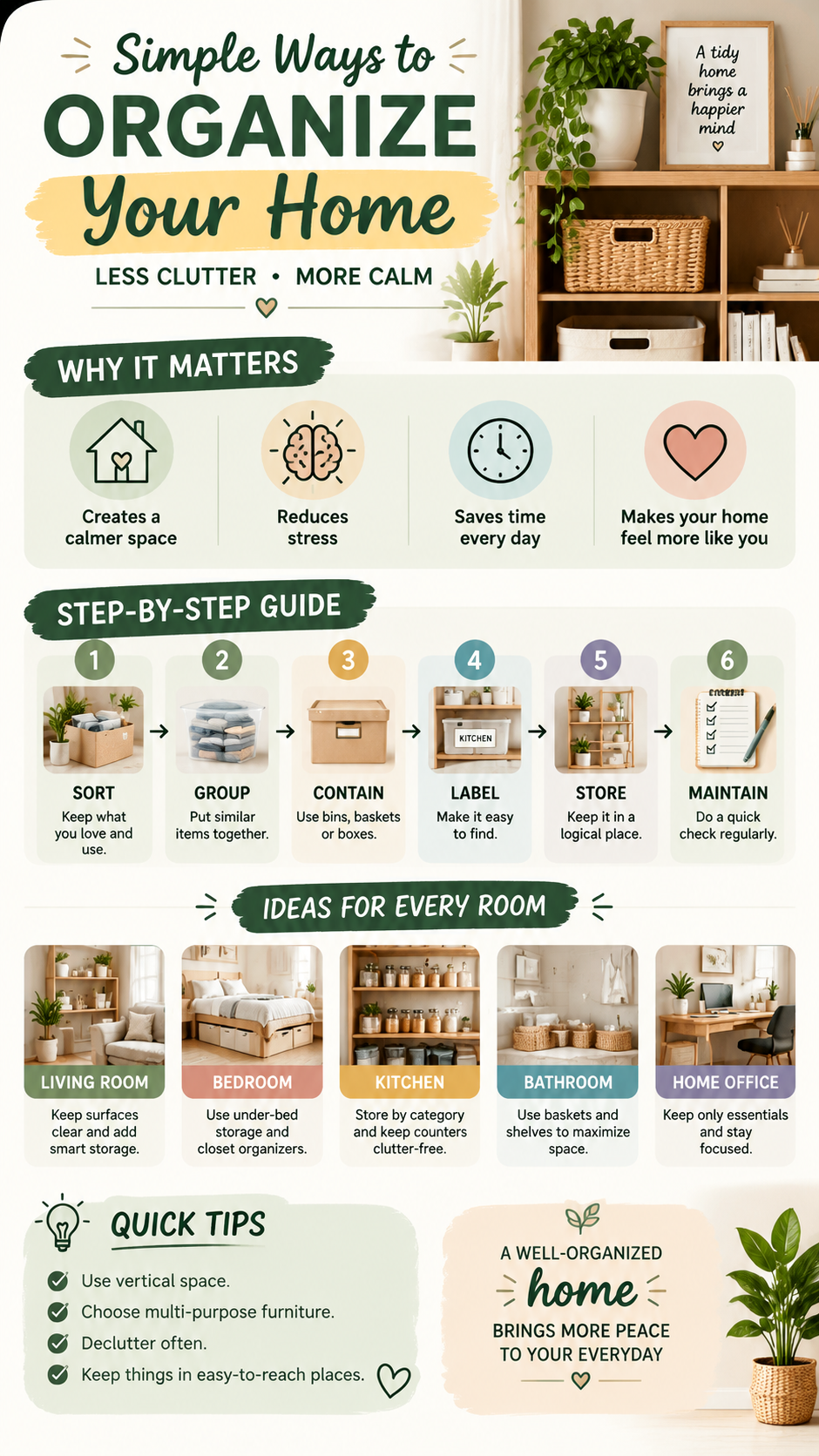
The best organization systems are simple enough to maintain. Start by gathering similar items together, deciding what truly deserves storage space, and choosing containers that match your needs.
Step 1: Sort Items by Category
Before buying containers or rearranging shelves, collect similar belongings together. This gives you a clear picture of what you own and prevents storing duplicates.
Common occasional use categories include:
- Seasonal clothing and extra blankets
- Holiday and festival decorations
- Gift wrapping supplies
- Sports equipment
- Special cookware
- Photo albums and keepsakes
- Rarely used documents
Step 2: Decide What to Keep
Storage space is valuable, so it should be reserved for items that are useful, meaningful, or difficult to replace. Take time to review your belongings and consider how often you realistically use them.
Ask yourself:
- Have I used this item within the last year?
- Does it serve a clear purpose?
- Would I miss it if it was gone?
- Is there a better way to store or organize it?
Step 3: Choose the Right Storage Containers
The right container makes a major difference. Clear bins, sturdy boxes, baskets, and storage bags can help protect belongings while making them easier to access.
Tips for Choosing Containers
- Use transparent containers when possible so contents are visible.
- Select durable boxes for heavier belongings.
- Choose containers with lids for dust protection.
- Avoid overfilling containers because it makes items harder to remove.
Step 4: Label Everything Clearly
Labels are one of the easiest ways to maintain an organized storage system. A simple label can save time and prevent unnecessary searching.
Instead of writing general labels like “Miscellaneous,” create specific descriptions such as “Winter Blankets,” “Holiday Decorations,” or “Extra Kitchen Supplies.” Clear labels help everyone in the household return items to the correct location.
Smart Places to Store Rarely Used Items
Many homes have unused storage opportunities that can hold occasional belongings without affecting daily routines.
High Shelves and Upper Cabinets
Higher storage areas are ideal for lightweight items that are not needed frequently. These spaces work well for seasonal decorations, extra linens, and empty storage bags.
Under-Bed Storage
The space beneath your bed can become valuable storage for flat boxes, extra blankets, luggage, and clothing that is only needed during certain seasons.
Closet Corners and Wardrobe Tops
Closet corners and wardrobe tops are useful for baskets, bins, and containers holding items that do not need regular access.
Garage and Utility Areas
Garages, storage rooms, and utility spaces are suitable for tools, sports equipment, cleaning supplies, and larger items. Keeping these areas organized prevents them from becoming dumping grounds.
Protecting Items While They Are in Storage
Occasional items may spend months unused, so proper protection is essential. Simple steps can help keep belongings clean and ready for future use.
- Wrap delicate items before storing them.
- Add moisture absorbers when storing items in humid areas.
- Keep fabrics clean and dry before placing them away.
- Avoid storing important items directly on damp floors.
- Check stored belongings occasionally for damage or wear.
Expert Insight
- A small amount of planning prevents large amounts of clutter.
- Consistent labels make storage systems easier for everyone to follow.
- Regular reviews keep your storage areas useful instead of overcrowded.
Creating a Long-Term Organization Routine
Organization works best when it becomes a habit rather than a one-time project. Schedule a quick review every few months to check whether stored items are still needed.
When seasons change, it is a great opportunity to rotate belongings. Bring needed items forward, return unused items to storage, and remove anything that no longer fits your lifestyle.
At a Glance
- Group similar occasional items together.
- Use labeled containers for easy access.
- Store items in practical, unused spaces.
- Protect belongings from dust and moisture.
- Review storage areas regularly.
Final Thoughts on Organizing Occasional Use Items
Organizing items that are used only occasionally is a simple way to create a calmer and more functional home. By sorting belongings, choosing suitable containers, labeling clearly, and using smart storage locations, you can enjoy a space that feels organized without removing the things that matter.
A thoughtful storage system allows you to keep seasonal items, special belongings, and useful extras while maintaining clean everyday spaces. The result is a home where everything has a place and every item is ready when you need it.
Tags
Home Organization
Decluttering Tips
Storage Solutions
Minimalist Home
Clutter Free Living
Organized Home