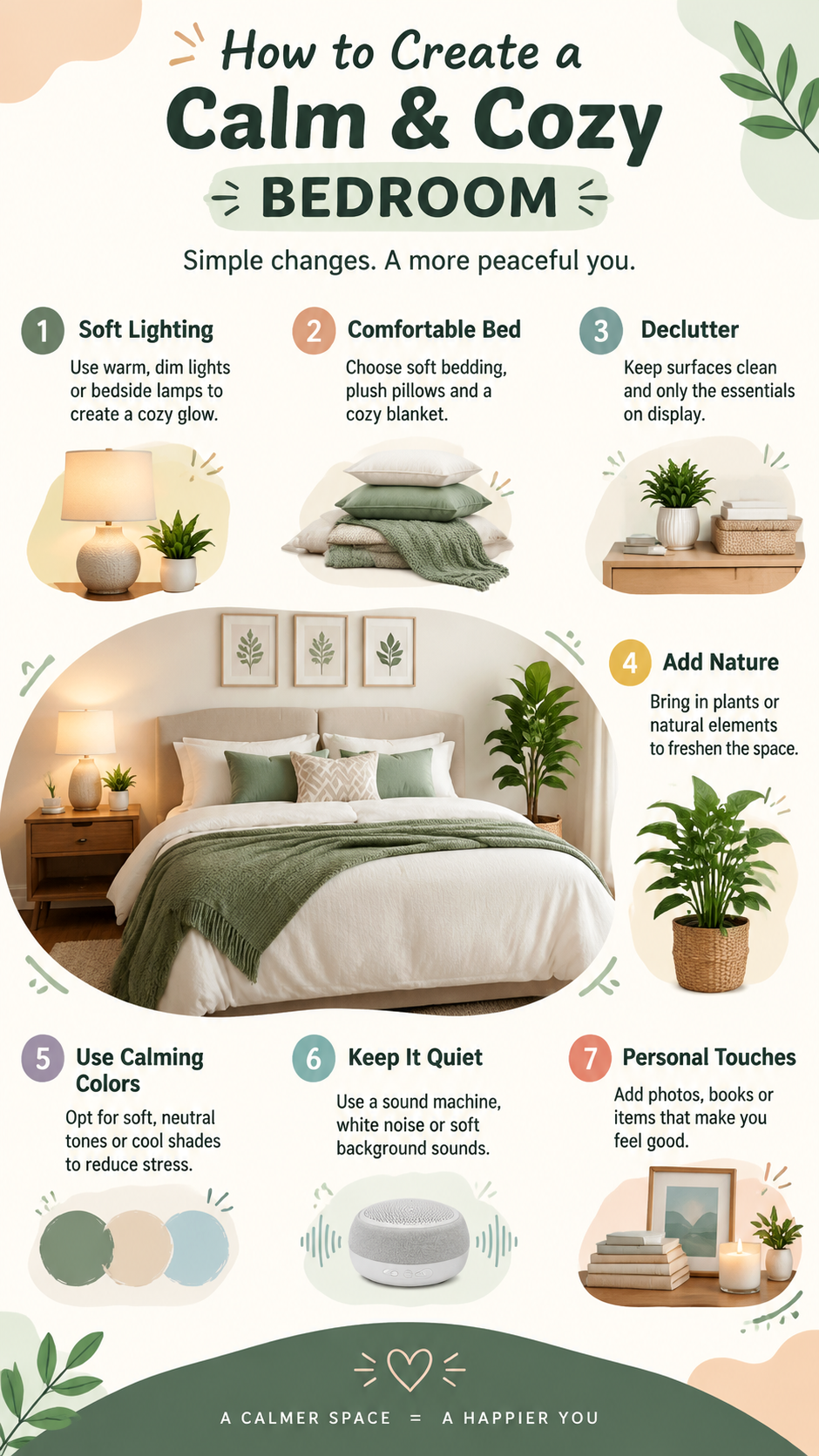
Healing Bedroom Ideas for a Calm, Cozy, and Restful Sleep Space
A bedroom is more than just a place to sleep. It is a personal retreat where the body relaxes, the mind slows down, and daily stress begins to fade. A thoughtfully designed healing bedroom can support better rest, create a sense of calm, and transform an ordinary space into a peaceful sanctuary. By focusing on soft lighting, natural textures, soothing colors, clean air, and intentional decor choices, you can create a room that feels restorative every time you enter.
The idea behind a calming bedroom design is simple: every element should contribute to comfort and relaxation. From the warmth of a bedside lamp to the softness of natural bedding, small details can influence the overall mood of your space. Whether you are refreshing your current bedroom or creating a wellness-inspired home, these healing bedroom ideas can help you build an environment designed for relaxation and renewal.
Key Takeaways
- Use warm lighting and natural materials to create a peaceful bedroom atmosphere.
- Choose comfortable bedding and calming colors to support relaxation.
- Add plants and improve air quality for a fresher, healthier environment.
- Reduce clutter and digital distractions to encourage deeper rest.
- Create a dedicated wind-down corner for reading, journaling, or quiet moments.
What Makes a Healing Bedroom Feel Restorative?
A healing bedroom focuses on creating a balanced environment where your senses can relax. Instead of filling the room with unnecessary decorations or harsh features, the goal is to create a space that feels peaceful, comfortable, and naturally inviting.
The most effective calming bedrooms often share a few common characteristics: soft lighting, neutral tones, comfortable fabrics, fresh air, natural elements, and minimal visual distractions. These features help create a relaxing atmosphere that encourages the transition from a busy day into a restful night.
Important: A restful bedroom does not require a complete renovation. Small improvements like changing your lighting, adding natural textures, removing clutter, and creating a peaceful bedtime routine can make a noticeable difference.
1. Choose Warm and Gentle Bedroom Lighting
Lighting plays one of the biggest roles in creating a relaxing bedroom environment. Bright overhead lights can feel energizing and distracting, especially in the evening when your body naturally begins preparing for rest.
Instead, choose warm, soft lighting that creates a cozy glow. Table lamps, floor lamps, and bedside lights with warm bulbs can make the bedroom feel more comfortable and peaceful. A warm color temperature around 2700K is often preferred for relaxing spaces because it creates a softer atmosphere.
Simple Lighting Ideas for a Calming Space
- Use bedside lamps instead of relying only on ceiling lights.
- Add dimmable lighting options for flexible brightness.
- Avoid strong blue-toned lights before bedtime.
- Use candles or soft decorative lighting safely for extra ambiance.
2. Turn Your Bed Into a Recovery Zone
The bed is the centerpiece of a healing bedroom. It should feel like a comfortable retreat where you can completely relax. Choosing the right bedding, textures, and colors can instantly change the feeling of the room.
Natural fabrics such as cotton and linen create a breathable, comfortable sleeping environment. Neutral bedding shades like beige, white, soft brown, and sage green help maintain a calm visual balance without overwhelming the senses.
Comfort-Focused Bedding Choices
- Select soft sheets that feel comfortable against your skin.
- Keep pillows clean, supportive, and inviting.
- Layer blankets and throws for warmth and texture.
- Avoid overly busy patterns that create visual distraction.
3. Improve Air Quality With Natural Elements
Fresh air is an important part of a comfortable bedroom. A room that feels fresh and breathable can create a more pleasant environment for relaxation. Opening windows regularly or using an air purifier can help maintain cleaner indoor air.
Adding indoor plants is another popular way to bring natural beauty into the bedroom. Greenery adds softness, creates a connection with nature, and enhances the peaceful feeling of the space.
Bedroom Plants That Create a Calming Look
- Snake plants for a simple, low-maintenance option.
- Aloe vera for a fresh and functional touch.
- Peace lilies for a soft, elegant appearance.
- Areca palms for adding natural texture and height.
4. Add Relaxing Scents for a Peaceful Atmosphere
Scent can strongly influence the feeling of a room. Gentle fragrances can make your bedroom feel more relaxing and create a comforting bedtime routine.
Popular calming scents include lavender, eucalyptus, and sandalwood. These can be introduced through a diffuser, essential oils, or lightly scented home products. The key is to use fragrance carefully because an overpowering scent can become distracting.
Creating a Relaxing Scent Routine
- Use only a small amount of fragrance.
- Choose scents that feel personally calming.
- Avoid mixing too many different aromas.
5. Create a Clutter-Free Bedroom Environment
A peaceful bedroom often begins with removing unnecessary distractions. Clutter can make a space feel busy, while a clean and organized room encourages a calmer mindset.
Focus on keeping surfaces simple and storing items that do not support relaxation. A tidy nightstand, organized closet, and clear floor space can make your bedroom feel more open and comfortable.
6. Reduce Digital Distractions Before Sleep
Technology has become part of everyday life, but a healing bedroom benefits from creating boundaries with digital devices. Phones, televisions, and bright screens can make it harder to mentally disconnect from the day.
Ideas for a Digital Detox Bedroom
- Keep phones away from the bed when possible.
- Use a traditional alarm clock instead of a phone alarm.
- Create a screen-free period before sleeping.
Why This Matters
A bedroom should support your natural need for rest and recovery. Creating intentional spaces for relaxation can help you build healthier routines and enjoy a stronger connection with your home.
- Calm surroundings encourage peaceful evenings.
- Simple design choices can improve comfort.
- A relaxing bedroom supports mindful living.
7. Design a Cozy Wind-Down Corner
A small relaxation corner can turn your bedroom into a complete wellness space. This area does not need to be large. A comfortable chair, a small table, and a few relaxing items can create a dedicated place for quiet moments.
Ideas for Your Relaxation Corner
- A comfortable chair for reading.
- A journal for writing thoughts and reflections.
- A warm drink such as tea or water.
- A soft blanket for added comfort.
8. Use Soft Textures and Natural Decor
Texture adds warmth and personality to a bedroom. Soft blankets, comfortable cushions, rugs, and natural fabrics can make the space feel welcoming and layered.
Visual calm is also important. Simple artwork, neutral decorations, and natural materials help maintain a peaceful atmosphere without creating unnecessary stimulation.
At a Glance: Healing Bedroom Essentials
- Warm lighting creates a softer mood.
- Natural bedding improves comfort.
- Plants bring freshness and beauty.
- Decluttering creates visual peace.
- Cozy corners encourage relaxation.
Conclusion: Create a Bedroom That Helps You Recharge
A healing bedroom is created through thoughtful choices that support comfort, relaxation, and balance. You do not need expensive furniture or dramatic changes to transform your space. Simple adjustments like warmer lighting, softer textures, cleaner air, and fewer distractions can completely change the atmosphere of your room.
Your bedroom should be a place where you feel peaceful at the end of the day. By combining natural elements, calming colors, cozy materials, and mindful organization, you can create a personal sanctuary that encourages rest and renewal.
Tags
Healing Bedroom
Calming Bedroom Ideas
Cozy Bedroom Decor
Wellness Home
Minimalist Bedroom
Relaxing Bedroom Design