Best Organ Healing Foods for Heart, Liver, Kidney, Gut Lung Health
Eating well is one of the simplest ways to support your body’s natural functions and build healthier daily habits. From heart-healthy avocados and antioxidant-rich berries to fiber-packed oats and leafy greens, the foods you choose can make a meaningful difference in your overall well-being. If you are looking for the best organ healing foods for heart, liver, gut, kidney, and lung health, a balanced diet is an excellent place to start.
Your organs work together every day to circulate blood, process nutrients, remove waste, support digestion, and help you breathe. Although no single food can heal an organ or cure a medical condition, a nutrient-rich eating pattern can help support normal organ function and contribute to long-term health.
This practical guide explores the foods highlighted in this nutrition theme, explains their potential benefits, and shares simple ways to include them in everyday meals. Whether you want to improve your eating habits, support digestive health, or make more informed grocery choices, these ideas can help you get started.
Key Takeaways
- Choose a variety of fruits, vegetables, whole grains, and healthy fats to support overall organ health.
- Include fiber-rich foods such as oats, beans, berries, and leafy greens for digestive wellness.
- Support heart health with unsaturated fats, nuts, seeds, and balanced meals.
- Help maintain normal liver function by limiting alcohol and reducing excess added sugar.
- Remember that kidney-friendly eating depends on individual needs, especially when kidney disease is present.
- Build sustainable habits instead of relying on detoxes, restrictive diets, or miracle foods.
1. Best Foods for Heart Health
Your heart pumps blood throughout your body, delivering oxygen and nutrients to tissues. A heart-healthy diet can help maintain healthy cholesterol levels, support normal blood pressure, and reduce the risk of cardiovascular disease over time.
The best approach is to emphasize minimally processed foods, healthy fats, fiber, and a variety of colorful produce. Rather than searching for one special ingredient, focus on creating balanced meals that provide several beneficial nutrients.
Avocados: A Source of Heart-Friendly Fats
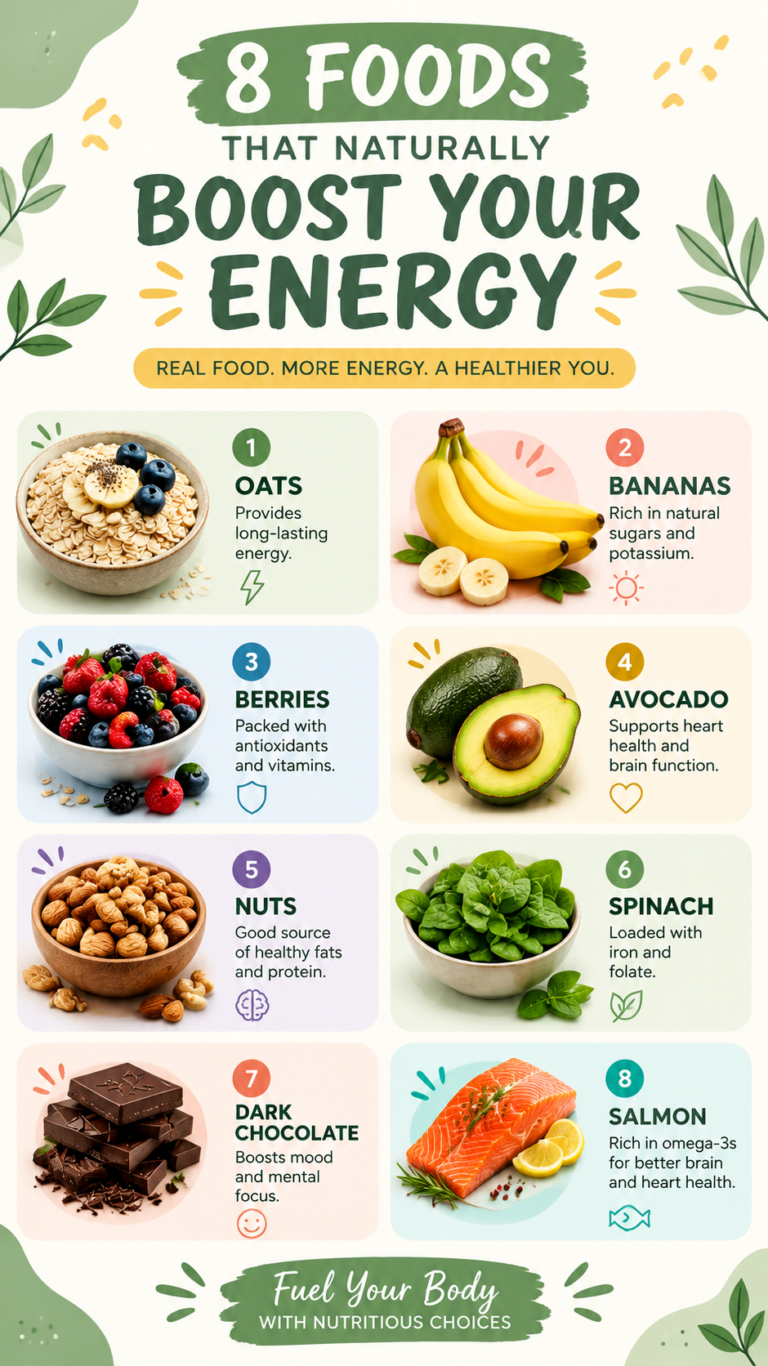
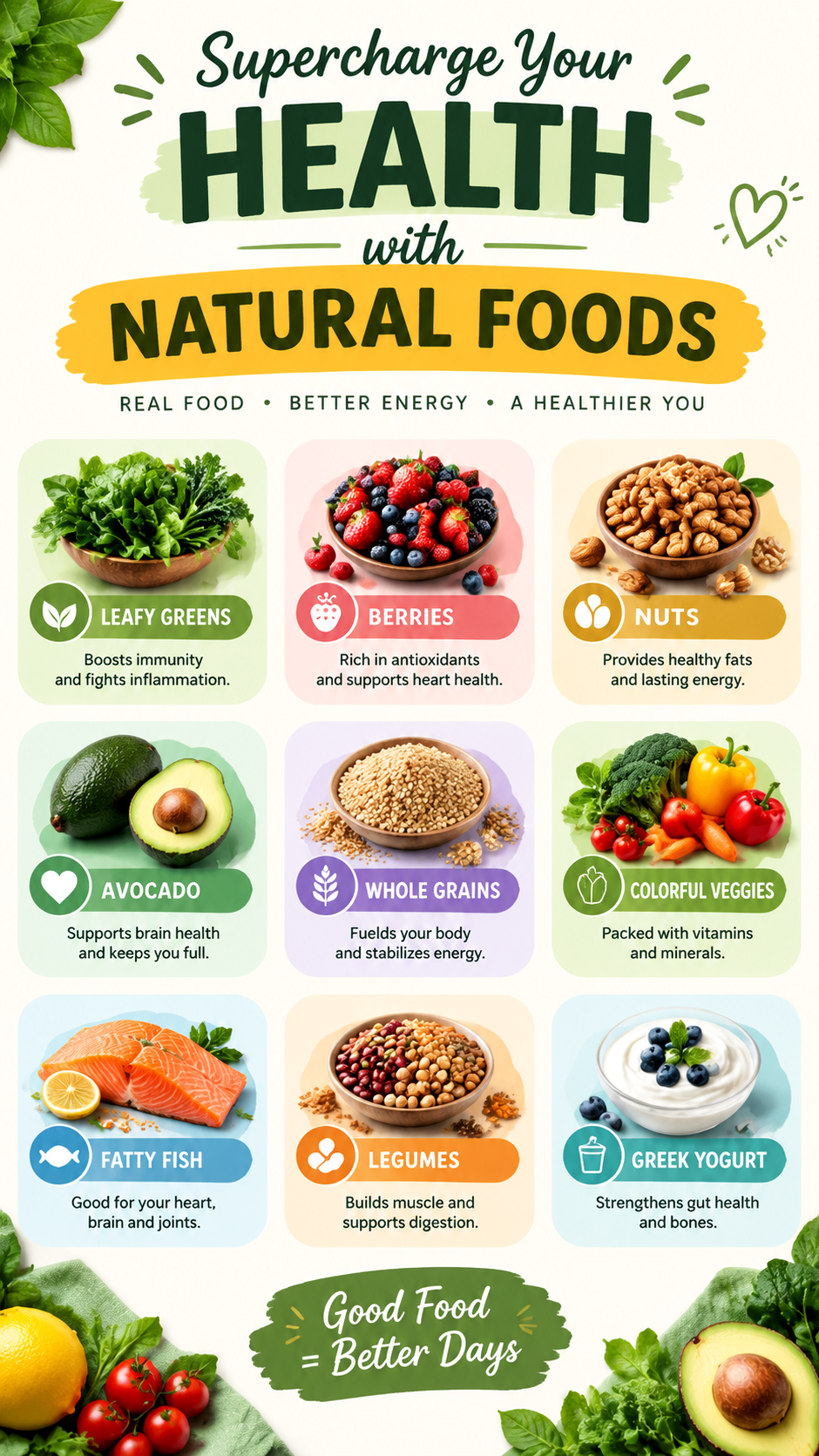
Avocados contain monounsaturated fats, fiber, and potassium. Replacing some foods high in saturated fat with sources of unsaturated fat can help improve cholesterol levels as part of an overall healthy diet.
Add sliced avocado to whole-grain toast, salads, grain bowls, or sandwiches. You can also mash it with lemon juice and herbs to make a simple spread.
Nuts and Seeds for Everyday Nutrition
Walnuts, almonds, chia seeds, and flaxseeds provide varying amounts of unsaturated fats, fiber, minerals, and other beneficial nutrients. Walnuts also contain plant-based omega-3 fatty acid called alpha-linolenic acid.
A small handful of unsalted nuts makes a convenient snack. Sprinkle seeds over oatmeal or yogurt, or mix chopped nuts into salads for extra texture.
Salmon and Other Fatty Fish
Salmon, sardines, and trout are sources of protein and long-chain omega-3 fatty acids. Including fish regularly can fit into a heart-supportive eating pattern.
Try baking salmon with garlic, lemon, and herbs. Serve it with vegetables and brown rice for a balanced meal. If you do not eat fish, walnuts, chia seeds, and flaxseeds provide plant-based omega-3 fats, although they are not nutritionally identical to the fats found in fish.
Berries and Colorful Vegetables
Blueberries, strawberries, and other berries contain fiber, vitamin C, and plant compounds called polyphenols. They are an easy way to add natural sweetness and variety to meals.
Enjoy berries with oats, plain yogurt, or a handful of nuts. For additional variety, rotate them with apples, oranges, tomatoes, and leafy greens.
Important: Heart health depends on your overall eating pattern, physical activity, sleep, and other lifestyle factors. No individual food can prevent or reverse every heart condition. If you have high blood pressure or elevated cholesterol, follow your healthcare professional’s advice alongside dietary changes.
2. Best Foods to Support Liver Health
Your liver processes nutrients, produces important proteins, helps regulate metabolism, and breaks down many substances in the body. Supporting liver health means giving this organ the nutrients it needs while reducing habits that can contribute to liver damage.
There is no special food that detoxifies the liver on demand. The liver already performs its own detoxification processes. A balanced diet, appropriate body weight, and limiting alcohol are more useful long-term strategies than cleanses or detox drinks.
Beets for Color and Nutrients
Beets contain folate, fiber, and naturally occurring plant compounds. Their rich color makes them an appealing addition to a varied diet, although eating beets should not be viewed as a treatment for liver disease.
Roast beets with olive oil, add grated raw beets to salads, or blend cooked beets into a vegetable soup. Pair them with leafy greens and a source of protein for a satisfying meal.
Leafy Greens and Cruciferous Vegetables
Spinach, kale, broccoli, and cabbage provide fiber, vitamins, minerals, and beneficial plant compounds. Including these vegetables regularly supports overall health and helps create a balanced eating pattern.
Add spinach to omelets, cook broccoli as a side dish, or combine cabbage with carrots for a crunchy salad. Fresh, frozen, and appropriately prepared canned vegetables can all contribute to a healthy diet.
Coffee, If It Suits Your Health
Research has associated regular coffee consumption with a lower risk of certain chronic liver conditions in some populations. However, these findings do not mean that everyone should start drinking coffee or that coffee can treat an existing liver problem.
If you enjoy coffee, consider unsweetened or lightly sweetened versions. Pay attention to caffeine sensitivity, sleep quality, pregnancy guidance, and any medical advice that applies to you.
Everyday Habits That Protect the Liver
- Limit or avoid alcohol, particularly if you have liver disease.
- Reduce sugary drinks and keep added sugars moderate.
- Choose whole grains, vegetables, fruits, and lean protein more often.
- Avoid unverified detox supplements, which can sometimes cause liver injury.
- Discuss vaccinations, medications, and screening with a healthcare professional when appropriate.
3. Best Foods for Kidney Health
Your kidneys filter waste from the blood, regulate fluid balance, help control electrolytes, and contribute to blood pressure regulation. Healthy eating can support kidney function, but the ideal diet varies considerably depending on your medical history and kidney health.
For generally healthy adults, a balanced diet that includes vegetables, fruits, whole grains, appropriate protein portions, and moderate sodium is a sensible starting point. People with chronic kidney disease may need specific limits on sodium, potassium, phosphorus, fluids, or protein based on their laboratory results and treatment plan.
Cauliflower and Other Vegetables
Cauliflower offers fiber, vitamin C, and other nutrients. It can also be a versatile alternative to more heavily processed side dishes.
Roast cauliflower with garlic and herbs, add it to vegetable soups, or mash it as an alternative to some potato-based sides. Broccoli, cabbage, and other vegetables can also fit into a varied eating plan.
Berries for a Colorful Diet
Strawberries, blueberries, and cranberries provide fiber and plant compounds. They can add flavor without relying on large amounts of added sugar.
Use fresh or frozen berries in oatmeal, blend them into a smoothie, or serve them with plain yogurt. If you have kidney disease, ask your renal dietitian whether specific fruits need to be limited based on your potassium levels and treatment plan.
Garlic and Flavorful Herbs
Garlic adds strong flavor to meals and can help you reduce your reliance on excess salt. Parsley, basil, lemon juice, pepper, paprika, and other seasonings can also make home-cooked dishes more enjoyable.
Try seasoning roasted vegetables with garlic and olive oil or adding fresh herbs to soups and salads. If you have kidney disease, check the ingredients of salt substitutes because some contain potassium chloride, which may be unsuitable for certain people.
Why Sodium Matters
Excess sodium can contribute to high blood pressure and fluid retention. Reducing sodium often means eating fewer highly salted packaged foods, processed meats, and salty snacks.
Compare nutrition labels, rinse canned vegetables when appropriate, and prepare more meals at home. Flavor food with citrus, herbs, spices, and garlic instead of automatically adding more salt.
Pro Tip: Do not assume that every food described as healthy is automatically suitable for kidney disease. Potassium, phosphorus, sodium, and fluid needs differ from person to person. If you have reduced kidney function, get individualized advice before making major dietary changes or using supplements.
4. Best Foods for Gut Health and Digestion
Your gut is home to a complex community of microorganisms known as the gut microbiome. These microbes interact with dietary components and play roles in digestion and other aspects of health. A varied diet rich in fiber can help support a healthy intestinal environment.
Gut health is not just about taking probiotics or eating yogurt. Fiber, fluid intake, food variety, regular movement, and personal tolerance all matter. The best choices are the ones you can enjoy consistently without triggering troublesome symptoms.
Yogurt and Probiotic Foods
Some yogurts contain live microorganisms, including specific cultures that may provide probiotic benefits. Yogurt also supplies protein and, depending on the product, calcium and other nutrients.
Choose plain yogurt more often to keep added sugar lower, then add berries, oats, or chopped nuts for flavor and texture. People who are lactose intolerant may tolerate some yogurts better than milk, but individual responses vary. Lactose-free yogurt is another option.
Fermented foods such as kefir and certain fermented vegetables can add variety to meals. Not every fermented product contains live cultures at the time of consumption, so check product labels when this matters to you.
Oats for Dietary Fiber
Oats contain soluble fiber, including beta-glucan. Fiber helps support normal bowel function, and certain types can help maintain healthy cholesterol levels.
Prepare oatmeal with milk or a suitable alternative, then top it with berries, banana slices, cinnamon, or seeds. Overnight oats are another convenient option for busy mornings.
If you currently eat very little fiber, increase your intake gradually. A sudden jump in high-fiber foods may cause gas or bloating. Drinking adequate fluids can also help, unless a healthcare professional has prescribed fluid restrictions.
Bananas and Other Fruits
Bananas provide carbohydrates, fiber, and potassium. Their soft texture makes them easy to add to breakfast or enjoy as a snack.
Slice a banana over oats, combine it with plain yogurt, or blend it with berries for a smoothie. Apples, pears, oranges, and other fruits provide different combinations of fiber, vitamins, and plant compounds.
People who need to manage potassium because of kidney disease or certain medications should follow individualized medical advice when choosing fruit portions.
Whole Grains, Beans, and Vegetables
Oats are only one source of fiber. Whole-grain bread, brown rice, lentils, beans, chickpeas, and a wide range of vegetables can also contribute to daily intake.
Try adding lentils to soup, choosing whole-grain bread for sandwiches, or serving brown rice alongside vegetables and protein. If beans cause bloating, start with smaller portions, rinse canned beans thoroughly, and increase intake gradually.
Why This Matters
A healthy gut does not require expensive supplements or a complicated food plan. Regularly eating a variety of fiber-rich plant foods, choosing fermented foods you tolerate, and making gradual changes can be a practical foundation for digestive wellness.
5. Foods and Habits That Support Lung Health
Your lungs bring oxygen into your body and remove carbon dioxide. Although no food can cleanse the lungs or replace medical treatment, a balanced diet supports general health and supplies nutrients needed for normal body functions.
For lung wellness, focus on dietary variety and the lifestyle factors that have a more direct effect on respiratory health, including avoiding tobacco smoke, reducing exposure to harmful pollutants when possible, and staying physically active according to your abilities.
Apples and Other Whole Fruits
Apples contain fiber and various plant compounds. Eating whole fruit provides a broader combination of nutrients and fiber than most fruit drinks.
Enjoy apples as a snack, slice them into oatmeal, or pair them with unsalted nuts. Citrus fruits, berries, and other colorful produce can help add variety to your meals.
Green Vegetables and Antioxidant-Rich Foods
Spinach, broccoli, kale, peppers, and berries contain vitamins and plant compounds involved in normal cellular functions. Including a range of colorful foods helps provide a broad spectrum of nutrients.
Build meals around vegetables of different colors rather than relying on one so-called superfood. Fresh, frozen, and suitable canned options can all make healthy eating more convenient.
Hydration and Respiratory Wellness
Fluids support normal body functions and may help keep mucus from becoming excessively thick. Individual fluid needs vary with climate, activity, medical conditions, and medications.
Water is a useful everyday choice for most people. However, do not force excessive fluid intake, particularly if you have heart failure, advanced kidney disease, or a prescribed fluid restriction.
6. How to Build an Organ-Supportive Daily Meal Plan
Knowing which foods contain beneficial nutrients is helpful, but turning that knowledge into everyday meals makes the biggest practical difference. You do not need a perfect menu or an expensive shopping list. Start with familiar foods and make a few manageable improvements.
Breakfast Ideas
- Berry oatmeal: Combine oats with milk or a suitable alternative, berries, and a sprinkle of seeds.
- Yogurt bowl: Add plain yogurt, banana slices, and chopped nuts.
- Avocado toast: Serve avocado on whole-grain bread with an egg or another protein source if suitable for your needs.
Lunch Ideas
- Colorful salad: Combine leafy greens, tomatoes, carrots, chickpeas, and an olive oil and lemon dressing.
- Lentil soup: Add onions, garlic, carrots, and herbs for a filling meal rich in fiber.
- Grain bowl: Pair brown rice or another whole grain with vegetables and a suitable source of protein.
Dinner Ideas
- Baked salmon: Serve with roasted cauliflower and a whole grain.
- Vegetable stir-fry: Combine broccoli, cabbage, carrots, and garlic with a protein source.
- Roasted vegetable plate: Prepare beets, cauliflower, and leafy greens with olive oil and herbs, adding beans, lentils, or another protein source.
Simple Snack Choices
Keep convenient options available so that nutritious choices are easier to make when hunger strikes. Depending on your preferences and health needs, snacks could include an apple, plain yogurt, berries, unsalted nuts, or vegetable sticks with hummus.
Remember that portion sizes and food choices should reflect your energy needs, allergies, cultural preferences, and medical requirements. A meal plan is a flexible guide, not a strict set of rules.
7. Common Mistakes to Avoid When Eating for Organ Health
When people want to improve their health quickly, it is easy to be drawn toward restrictive diets, expensive supplements, or claims about foods that supposedly repair organs. A safer approach is to focus on well-established nutrition principles and seek professional advice when necessary.
Expecting One Food to Do Everything
Avocados can provide healthy fats, berries supply fiber and plant compounds, and oats offer soluble fiber. However, no single food provides every nutrient your body needs or guarantees protection from disease.
Variety matters. Rotate ingredients across the week to benefit from different nutrients and avoid making your diet unnecessarily restrictive.
Relying on Detox Teas and Supplements
Products marketed for liver cleansing, kidney flushing, or rapid organ repair may make claims that are not supported by reliable evidence. Some supplements interact with medications or cause harmful effects, including damage to the liver or kidneys.
Before taking a supplement, discuss it with a qualified healthcare professional, especially if you have a chronic condition, take prescription medication, or are pregnant.
Ignoring Individual Medical Needs
A diet that works well for one person may not be appropriate for another. People with chronic kidney disease, liver disease, heart failure, diabetes, food allergies, or digestive disorders may need personalized dietary guidance.
Do not stop prescribed medication or delay medical evaluation because you have added healthy foods to your meals. Nutrition is an important part of health care, but it does not replace appropriate diagnosis and treatment.
8. A Simple Grocery List for Better Organ Health
Planning ahead makes it easier to prepare balanced meals and reduces the temptation to rely on highly processed convenience foods. Use this list as a starting point, adjusting it to your budget, preferences, and any medical advice you have received.
Fruits
- Apples and bananas
- Blueberries and strawberries
- Oranges and other seasonal fruits
- Cranberries, fresh or unsweetened when available
Vegetables
- Spinach and other leafy greens
- Broccoli, cabbage, and cauliflower
- Beets, carrots, and tomatoes
- Garlic and fresh herbs
Protein, Whole Grains, and Healthy Fats
- Salmon or other suitable protein choices
- Plain yogurt or a suitable alternative
- Oats, brown rice, and whole-grain bread
- Lentils, beans, and chickpeas
- Avocados, walnuts, almonds, and seeds
- Olive oil and flavorful spices
You do not need to purchase every item on this list at once. Choose a few versatile ingredients each week and combine them in different ways. Frozen vegetables, frozen berries, dried beans, and plain canned foods can be convenient alternatives to fresh products.
At a Glance: The Best Foods for Organ Health
- Heart: Avocados, nuts, seeds, salmon, berries, and whole grains.
- Liver: Leafy greens, beets, cruciferous vegetables, and a balanced diet with limited alcohol.
- Kidneys: A balanced eating pattern with attention to sodium and individualized mineral needs.
- Gut: Oats, beans, fruits, vegetables, yogurt with live cultures, and other tolerated fermented foods.
- Lungs: A varied diet rich in fruits and vegetables, alongside smoke avoidance and healthy lifestyle habits.
Conclusion: Make Organ-Supportive Eating a Daily Habit
The best organ healing foods are not miracle ingredients that repair the body overnight. They are everyday foods that supply essential nutrients and help you maintain a balanced eating pattern over time. Avocados, nuts, berries, leafy greens, beets, oats, yogurt, cauliflower, and fatty fish can all play useful roles in meals designed around overall wellness.
Start with small, realistic changes. Add a serving of vegetables to lunch, choose oats for breakfast, snack on fruit, or prepare a home-cooked meal with less sodium. Build variety gradually and pay attention to how different foods fit your preferences and digestive comfort.
Most importantly, remember that heart, liver, kidney, gut, and lung health depend on more than food alone. Physical activity, adequate sleep, avoiding tobacco, appropriate medical care, and managing existing health conditions also matter. If you have a diagnosed condition, ask your healthcare professional or registered dietitian which dietary changes are appropriate for you.
Healthy eating does not have to be complicated. Choose nourishing foods you enjoy, keep your meals balanced, and focus on consistency rather than perfection. Save these organ health food ideas for your next grocery trip and use them as inspiration for simple, satisfying meals throughout the week.
Tags
Organ Health Foods
Heart Healthy Foods
Liver Health
Kidney Health Foods
Gut Health
Lung Health
Healthy Eating Tips
Nutrition and Wellness