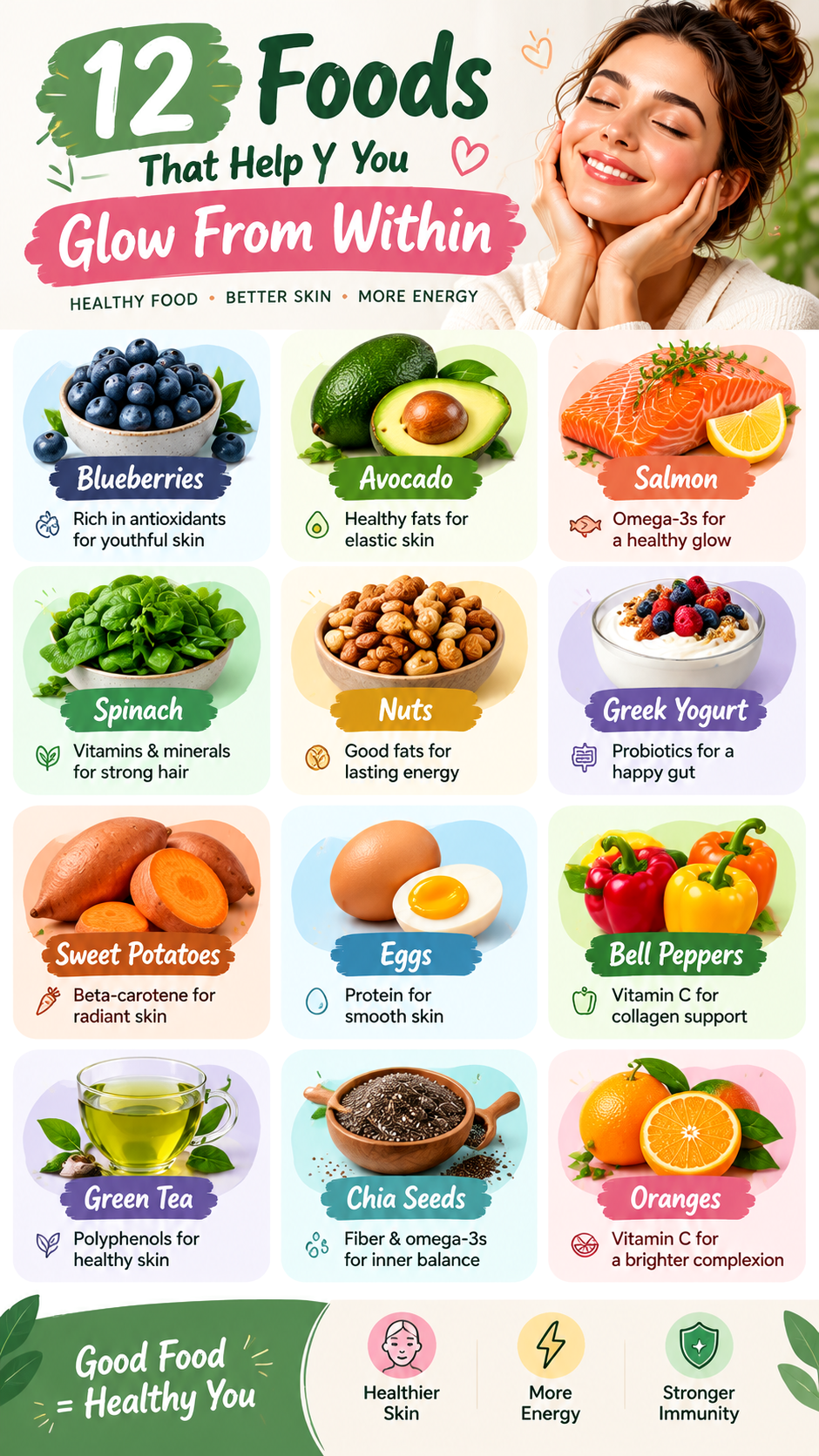
11 Best Collagen-Supporting Foods for Healthy Skin Natural Collagen Production
Healthy, glowing skin starts with the nutrients you give your body every day. While skincare products can help protect and moisturize your skin, your diet also plays an important role in maintaining skin structure, elasticity, and overall health. One nutrient that deserves attention is collagen, a structural protein that helps support your skin, joints, bones, muscles, and connective tissues.
Your body naturally produces collagen, but this process depends on getting enough protein, vitamins, minerals, and other essential nutrients. The good news is that you do not need an expensive supplement routine to support natural collagen production. Everyday foods such as oranges, kiwi, strawberries, eggs, salmon, chicken, leafy greens, and pumpkin seeds can help provide the nutrients your body needs.
Whether your goal is to support healthy-looking skin, maintain strong joints, or build a balanced eating routine, adding a variety of collagen-supporting foods to your meals is a practical place to start.
Key Takeaways
- Collagen helps maintain skin structure and supports joints, bones, and connective tissues.
- Vitamin C is essential for normal collagen formation, making citrus fruits, kiwi, bell peppers, and strawberries valuable choices.
- Protein-rich foods provide amino acids your body uses to build collagen.
- Zinc and copper contribute to normal tissue maintenance and collagen-related processes.
- A varied, balanced diet supports overall skin health more effectively than relying on a single food.
- Hydration, sun protection, sleep, and healthy lifestyle habits complement good nutrition.
What Is Collagen and Why Does Your Skin Need It?
Collagen is a structural protein found throughout the body. It helps provide strength and support to the skin, tendons, ligaments, cartilage, bones, and other connective tissues. In the skin, collagen forms part of the framework that helps maintain firmness and structure.
Your body continuously produces and breaks down collagen as part of its normal maintenance processes. Natural collagen production and the organization of skin tissues change with age. Genetics, environmental exposure, smoking, and other lifestyle factors can also influence how skin ages.
Although collagen is often associated with beauty and skincare, its role extends well beyond appearance. It contributes to the structural integrity of several tissues that help you move comfortably and stay physically active.
How Nutrition Supports Natural Collagen Production
Your body builds collagen from amino acids obtained through protein metabolism. Vitamin C is particularly important because it helps the enzymes involved in collagen formation function properly. Minerals such as zinc and copper also participate in processes that support normal tissue maintenance and collagen structure.
This is why a combination of fruits, vegetables, protein-rich foods, and mineral sources is more useful than focusing on just one supposed superfood.
Important: Most fruits and vegetables do not contain meaningful amounts of collagen themselves. Instead, they provide nutrients that help your body produce and protect its own collagen. Foods such as eggs, fish, chicken, and beef supply protein and amino acids that contribute to this process.
11 Collagen-Supporting Foods to Add to Your Diet
The following foods offer a range of nutrients associated with collagen formation, skin health, and normal tissue maintenance. You can enjoy them in different combinations throughout the week rather than trying to eat every food in one day.
1. Oranges: A Vitamin C-Rich Favorite
Oranges are a simple, refreshing way to increase your vitamin C intake. This vitamin is essential for normal collagen synthesis, helping your body build and maintain the protein that supports skin and connective tissues.
A medium orange also provides water, fiber, and other beneficial plant compounds. Eating the whole fruit is a convenient option because it provides fiber along with its naturally occurring sugars.
Easy Ways to Eat Oranges
- Enjoy a whole orange as a morning snack.
- Add orange segments to a spinach or mixed-green salad.
- Combine orange slices with yogurt and nuts for a refreshing breakfast.
- Use fresh orange juice in a homemade dressing, while remembering that whole fruit provides more fiber.
Regularly eating vitamin C-rich foods helps you meet your daily nutrient needs, which is important for normal collagen formation.
2. Kiwi: A Small Fruit With Plenty of Vitamin C
Kiwi is another excellent source of vitamin C. Its bright green flesh also supplies fiber and other plant compounds that can contribute to a balanced diet.
Because vitamin C supports collagen synthesis, kiwi makes a useful addition to a meal plan focused on healthy skin. Its sweet-tart flavor works well in both breakfast dishes and savory recipes.
- Slice kiwi over oatmeal or plain yogurt.
- Blend it with berries and milk or a fortified alternative for a smoothie.
- Add diced kiwi to a fruit salad.
- Pair kiwi with a protein-rich snack for a more filling option.
Fresh kiwi is convenient, requires little preparation, and provides a simple way to add variety to your daily fruit intake.
3. Bell Peppers: Colorful Support for Collagen Formation
Bell peppers are particularly useful for people who want to increase their intake of vitamin C through vegetables. Red, yellow, and green peppers provide different amounts of vitamins and plant compounds, with red peppers generally offering substantial vitamin C.
They also contain carotenoids and other antioxidants that contribute to the overall nutritional value of a colorful diet. Antioxidants help protect cells from oxidative damage, although no individual food can completely prevent skin aging.
Simple Ways to Enjoy Bell Peppers
- Slice raw peppers and serve them with hummus.
- Add chopped peppers to omelets or scrambled eggs.
- Roast peppers with onions, zucchini, and olive oil.
- Include them in chicken bowls, wraps, or colorful salads.
Combining bell peppers with protein-rich foods creates balanced meals that supply several nutrients involved in normal tissue maintenance.
4. Strawberries: Sweet, Refreshing, and Nutrient-Rich
Strawberries provide vitamin C, fiber, and antioxidant plant compounds. Their natural sweetness makes them easy to include in breakfasts, snacks, and desserts without needing to add much sugar.
Vitamin C helps the body form collagen, while the fruit’s other nutrients contribute to a varied and balanced eating pattern. Strawberries can also be a convenient alternative to highly processed sweet snacks.
- Add sliced strawberries to oatmeal or overnight oats.
- Mix them with plain yogurt and seeds.
- Blend strawberries with kiwi for a vitamin-rich smoothie.
- Serve fresh strawberries alongside eggs or whole-grain toast for a balanced breakfast.
Frozen strawberries can also be a nutritious choice. They are convenient when fresh berries are out of season and can be used directly in smoothies or cooked recipes.
5. Eggs: Protein for Skin Structure
Eggs provide high-quality protein and a range of nutrients that support normal body functions. Protein supplies amino acids, which your body uses to build and repair tissues, including proteins such as collagen.
Eggs are not a direct substitute for collagen, but they can contribute to the overall protein intake needed for normal tissue maintenance. They are also versatile and generally easy to prepare.
Healthy Ways to Prepare Eggs
- Boil eggs for a quick, portable snack.
- Make an omelet with bell peppers, spinach, and tomatoes.
- Serve scrambled eggs with whole-grain toast.
- Add sliced hard-boiled eggs to a vegetable salad.
Pairing eggs with vegetables and whole grains creates a more complete meal than relying on eggs alone.
6. Salmon: Protein and Omega-3 Fatty Acids
Salmon supplies high-quality protein and omega-3 fatty acids, particularly EPA and DHA. These fats are important components of a balanced diet and are involved in normal cellular functions.
Salmon does not automatically increase collagen levels simply because it contains omega-3 fats. However, its protein provides amino acids needed for tissue maintenance, and its fatty acids can be part of an eating pattern that supports overall health.
Salmon also provides vitamin B12 and, depending on the type, vitamin D and selenium. These nutrients contribute to normal body functions beyond skin health.
- Bake salmon with lemon, garlic, and herbs.
- Serve it with leafy greens and roasted vegetables.
- Add cooked salmon to a grain bowl with brown rice or quinoa.
- Use leftover salmon in a salad or whole-grain wrap.
For a balanced routine, consider eating fish regularly in line with local dietary guidance and your personal health needs.
7. Chicken: An Everyday Source of Protein
Chicken provides protein that helps your body maintain muscle and other tissues. Its amino acids contribute to the pool of building blocks used to produce proteins throughout the body, including collagen.
Chicken is especially convenient because it can be incorporated into many types of meals. Skinless chicken breast is relatively lean, while other cuts may contain more fat. Both can fit into a balanced diet depending on preparation and portion size.
Easy Chicken Meal Ideas
- Grill chicken and serve it with roasted peppers and leafy greens.
- Add cooked chicken to vegetable soup.
- Prepare a chicken and quinoa bowl with colorful vegetables.
- Use leftover chicken in a whole-grain wrap with yogurt-based dressing.
Choose cooking methods such as baking, grilling, steaming, or roasting more often than deep-frying. Pairing chicken with vegetables adds fiber and a wider range of vitamins and minerals.
8. Lean Beef: Protein, Zinc, and Other Essential Nutrients
Lean beef provides protein, zinc, vitamin B12, and iron. Zinc is involved in protein synthesis, wound healing, and many other biological processes. These functions make adequate zinc intake important for normal tissue maintenance.
Beef is not the only way to obtain zinc or protein, but it can be one option for people who eat meat. Choosing leaner cuts and keeping portions moderate can help it fit into a varied eating pattern.
- Serve lean beef with roasted vegetables.
- Add small portions of cooked beef to a vegetable and grain bowl.
- Use lean minced beef in homemade tomato-based sauces.
- Pair beef with vitamin C-rich vegetables as part of a balanced meal.
Red meat does not need to be the main protein source at every meal. Fish, eggs, poultry, beans, lentils, nuts, and seeds can provide variety throughout the week.
9. Oysters: A Notable Source of Zinc and Copper
Oysters are known for their zinc content and also provide protein, vitamin B12, and other minerals. Zinc supports normal protein synthesis, while copper contributes to connective tissue maintenance and the activity of enzymes involved in collagen cross-linking.
These minerals are needed in appropriate amounts, but consuming very large quantities does not guarantee better collagen production. More is not always better when it comes to nutrients.
Oysters can be enjoyed steamed, baked, or cooked in other safe preparations. Raw oysters carry a risk of foodborne illness, so cooking them thoroughly is the safer choice for many people, particularly those who are pregnant or have weakened immune systems.
If you do not eat shellfish, other foods such as meat, legumes, nuts, seeds, and whole grains can help supply zinc and other nutrients. Copper is found in foods including nuts, seeds, legumes, and some whole grains.
10. Pumpkin Seeds: Small Seeds With Valuable Minerals
Pumpkin seeds are a practical source of zinc, copper, magnesium, healthy fats, and plant-based protein. These nutrients support many normal bodily functions, including processes involved in tissue maintenance.
Seeds are calorie-dense, so a small serving can add texture and nutrition without requiring a large portion. Unsalted or lightly salted varieties are useful choices if you are watching your sodium intake.
Ways to Add Pumpkin Seeds to Your Meals
- Sprinkle them over salads or roasted vegetables.
- Add them to oatmeal or plain yogurt.
- Mix them with almonds and other seeds for a homemade snack.
- Use them as a crunchy topping for soups.
Pumpkin seeds are particularly useful for people who want to include more plant foods in their diets. They can complement beans, lentils, whole grains, and vegetables as part of a varied eating pattern.
11. Leafy Greens: Antioxidants for a Balanced Diet
Leafy greens such as spinach, kale, and other dark green vegetables provide folate, vitamin K, carotenoids, and other beneficial nutrients. Some varieties also contribute vitamin C, although amounts vary depending on the vegetable and preparation method.
These vegetables do not supply collagen directly, but they help create a nutrient-rich diet that supports normal bodily functions. Their fiber content also contributes to digestive health and can make meals more satisfying.
- Add spinach to omelets, soups, and grain bowls.
- Use kale or mixed greens as the base of a salad.
- Blend a handful of greens into a fruit smoothie.
- Serve steamed greens with salmon, chicken, or beans.
Eating different types of vegetables throughout the week helps you obtain a broader range of nutrients. Fresh, frozen, and appropriately prepared canned vegetables can all be useful choices.
Why This Matters
Collagen-supporting nutrition works best as a combination of habits. Vitamin C helps your body form collagen, protein supplies amino acids, and minerals such as zinc and copper participate in normal tissue-related processes. Eating a variety of foods is more practical than depending on one ingredient or expecting a single meal to transform your skin.
How Much Protein Do You Need for Healthy Skin?
Protein is essential for maintaining muscles, skin, and other tissues. The amount you need depends on factors such as age, body size, activity level, pregnancy, health status, and individual goals.
For many healthy adults, a commonly used baseline protein recommendation is approximately 0.8 grams per kilogram of body weight per day. People who are physically active, older adults, and those with particular health or nutritional needs may require different amounts.
For example, a healthy adult weighing 70 kilograms would calculate a baseline of about 56 grams of protein per day using the 0.8-gram guideline. This is a general reference point, not a personalized prescription or a target that applies to everyone.
The daily protein figures shown in some nutrition graphics may represent general suggestions rather than universal requirements. You do not necessarily need to consume 75 to 100 grams as a woman or 100 to 125 grams as a man. Individual needs vary, and higher protein intake is not automatically better for collagen production.
Pro Tip: Include a source of protein at regular meals instead of trying to meet your entire daily requirement at dinner. Eggs, yogurt, fish, chicken, lean meat, beans, lentils, tofu, and seeds can all contribute to your intake.
A Simple One-Day Meal Plan for Collagen-Supporting Nutrition
You can combine these foods into everyday meals without following a restrictive diet. The following example demonstrates how to include protein, vitamin C, vegetables, and mineral-rich foods throughout the day. Adjust portions to your appetite, activity level, preferences, and nutritional needs.
Breakfast
Prepare eggs with spinach and bell peppers, then serve them with whole-grain toast. Add a kiwi or orange for vitamin C. This combination provides protein, vegetables, fruit, and fiber.
Lunch
Make a grilled chicken salad with leafy greens, red bell peppers, tomatoes, and pumpkin seeds. Add a whole-grain side or another carbohydrate source if desired. A simple olive oil and lemon dressing adds flavor.
Afternoon Snack
Enjoy strawberries with plain yogurt, or choose a small handful of pumpkin seeds with a piece of fruit. These options combine useful nutrients and are easy to prepare in advance.
Dinner
Serve baked salmon with roasted vegetables and brown rice, potatoes, or another preferred grain. If salmon is not available, chicken, beans, lentils, or tofu can provide protein for a balanced meal.
You can adapt this plan to different budgets and cultural food preferences. Frozen vegetables, seasonal fruit, canned fish, eggs, and dried legumes can help keep nutritious meals accessible.
Other Habits That Support Healthy-Looking Skin
Nutrition is one part of skin health. Daily habits also influence the skin’s appearance, comfort, and ability to maintain its normal structure.
Stay Hydrated
Water supports normal body functions, and adequate hydration is important for general health. Individual fluid needs vary with temperature, physical activity, body size, and health conditions.
Drink regularly throughout the day and increase your intake when you are sweating heavily or spending time in hot weather. Water-rich foods such as oranges, strawberries, and leafy greens can also contribute to fluid intake.
Protect Your Skin From Excessive Sun Exposure
Ultraviolet radiation can damage skin structures, including collagen, and contributes to premature skin aging. Sun protection is therefore an important complement to a nutrient-rich diet.
- Use broad-spectrum sunscreen with SPF 30 or higher on exposed skin.
- Wear protective clothing and sunglasses when appropriate.
- Seek shade when the sun is strongest.
- Reapply sunscreen according to its instructions, especially after swimming or sweating.
Eating antioxidant-rich foods is beneficial, but it does not replace sunscreen or other sensible sun-protection measures.
Prioritize Sleep and Avoid Smoking
Consistent sleep supports general health and gives your body time to carry out normal maintenance processes. Aim for a regular sleep schedule and an amount of sleep appropriate for your age.
Smoking is associated with premature skin aging and can impair normal healing. Avoiding tobacco is one meaningful way to support overall health, including skin health.
Limit Excessive Added Sugar and Highly Processed Foods
You do not need to eliminate every sweet food to eat well. Instead, focus on a balanced pattern that includes fruit, vegetables, protein, whole grains, healthy fats, and appropriate portions.
Choose water or unsweetened drinks more often, and make nutrient-rich foods the foundation of your meals. An overall healthy eating pattern is more sustainable than strict food rules.
Do Collagen Supplements Work Better Than Food?
Collagen supplements are widely marketed for skin, joints, and other aspects of wellness. Some studies of oral hydrolyzed collagen peptides have reported potential benefits for skin hydration or elasticity, but research findings vary. Study quality, product formulations, duration, and other factors affect how results should be interpreted.
Whole foods and supplements serve different roles. Foods such as fruit, vegetables, fish, eggs, and legumes provide a broad range of nutrients, whereas a collagen supplement generally supplies collagen-derived peptides or related ingredients.
Your body breaks down dietary proteins into smaller components during digestion. Eating collagen does not mean that the collagen travels directly to your face or is automatically deposited into your skin. The body uses absorbed amino acids and peptides through normal metabolic processes.
If you are considering a supplement, review the ingredients, serving size, quality testing, and potential allergens. Ask a qualified healthcare professional about suitability if you take medication, have a medical condition, are pregnant, or have dietary restrictions.
Most importantly, do not assume a supplement is necessary if your diet already meets your nutritional needs. A varied diet, sun protection, and consistent healthy habits are sensible foundations for supporting skin health.
Common Mistakes to Avoid When Eating for Collagen Support
Expecting Immediate Results
Food is not an overnight skin treatment. Changes in skin appearance are influenced by age, genetics, sun exposure, sleep, hydration, and other factors. Eating nutritious foods supports normal bodily functions, but it cannot guarantee a specific cosmetic outcome.
Focusing on Only One Nutrient
Vitamin C is important for collagen formation, but it cannot replace protein or compensate for an overall nutrient-poor diet. Likewise, consuming extra protein does not automatically increase collagen production if your body already has adequate building blocks and nutrient availability.
Taking High Doses of Minerals Without a Need
Zinc and copper are essential, but excessive supplementation can be harmful. High zinc intake over time can interfere with copper absorption, and too much copper can also cause adverse effects. Food sources are generally a sensible starting point for healthy adults.
Following an Overly Restrictive Diet
Cutting out entire food groups without a medical or personal reason may make it harder to meet your nutritional needs. Instead of chasing a perfect collagen diet, choose a realistic variety of foods that you enjoy and can afford.
Quick Points: Collagen-Supporting Foods at a Glance
- For vitamin C: Choose oranges, kiwi, strawberries, and bell peppers.
- For protein: Include eggs, salmon, chicken, lean beef, beans, or lentils.
- For zinc and copper: Consider oysters, pumpkin seeds, nuts, and legumes.
- For a varied nutrient intake: Eat leafy greens and other colorful vegetables regularly.
- For overall skin health: Combine balanced meals with hydration, sleep, and sun protection.
Conclusion: Nourish Your Skin From Within
Supporting natural collagen production begins with giving your body the nutrients it needs to function well. Oranges, kiwi, bell peppers, and strawberries provide vitamin C, while eggs, salmon, chicken, and lean beef supply protein and amino acids. Oysters and pumpkin seeds offer minerals such as zinc and copper, and leafy greens contribute a range of vitamins and plant compounds.
No single food can guarantee firmer skin or prevent wrinkles, but a varied diet can help maintain normal collagen formation and support overall health. You do not need to overhaul your entire routine at once. Start by adding fruit to breakfast, including vegetables at lunch and dinner, and choosing a protein source that suits your preferences.
Combine these everyday choices with adequate hydration, regular sleep, and consistent sun protection. Over time, these practical habits can help you build a sustainable approach to skin health that benefits your whole body.
Choose a few foods from this list for your next grocery trip, try a new recipe, and make nourishing meals part of your routine. Small, consistent choices are a useful foundation for healthy-looking skin and long-term wellness.
Tags
Collagen-Supporting Foods
Healthy Skin Nutrition
Natural Collagen Production
Vitamin C Foods
Protein-Rich Foods
Skin Elasticity
Healthy Eating
Beauty From Within