Kitchen Peeler Hack The Essential Tool That Makes Peeling Fruits and Vegetables Easy
Peeling fruits and vegetables might seem like one of the simplest kitchen tasks, but the right peeler can make a surprising difference in your daily cooking routine. Whether you’re preparing potatoes for a comforting dinner, carrots for a fresh salad, or apples for a homemade dessert, a reliable vegetable peeler helps you work faster, reduce unnecessary waste, and enjoy a smoother food preparation experience. Sometimes, the smallest kitchen tools become the ones you reach for most often.
A good kitchen peeler is more than just a basic utensil. It is a practical kitchen essential that makes everyday meal preparation easier, especially when you cook regularly. Alongside other useful tools such as a chef’s knife, cutting board, measuring cups, and mixing bowls, a peeler deserves a permanent place in a well-organized kitchen.
If you’re looking for simple kitchen hacks that save time without making cooking complicated, learning how to choose and use a vegetable peeler is an excellent place to start.
Key Takeaways
- A sharp, comfortable vegetable peeler can make food preparation quicker and easier.
- Choose a peeler that feels secure in your hand and suits the produce you prepare most often.
- Use light, controlled strokes to remove thin layers and minimize food waste.
- Wash and dry your peeler after use to keep it clean and ready for the next meal.
- Keep essential kitchen utensils organized so everyday cooking feels less stressful.
- Use a stable cutting board and safe handling techniques whenever you prepare fruits and vegetables.
Why a Good Vegetable Peeler Can Change Your Kitchen Routine
When you think about kitchen upgrades, expensive appliances and elaborate gadgets might come to mind first. However, everyday utensils often have a more noticeable impact on how comfortably you cook. A dependable vegetable peeler is a perfect example.
Peeling by hand with a knife can require extra concentration, particularly when you’re working with small vegetables or rounded fruits. A suitable peeler provides a dedicated cutting edge designed to remove the outer skin with controlled movements. This can make routine preparation feel more manageable, even when you’re cooking several ingredients at once.
Save Time During Meal Preparation
Preparing dinner often involves several small tasks before you even begin cooking. Washing vegetables, peeling potatoes, trimming carrots, and slicing ingredients can take longer than expected. A comfortable, sharp peeler helps streamline one of those repetitive steps.
Instead of struggling with a dull blade or removing thick strips of skin, you can use gentle, consistent strokes. This is especially useful when preparing multiple potatoes for roasting, carrots for soup, or apples for a pie.
Although a peeler won’t eliminate all your preparation time, it can make a familiar task feel quicker and less tiring. Over time, these small improvements can make home cooking more enjoyable.
Reduce Unnecessary Food Waste
One of the most useful benefits of a well-designed vegetable peeler is its ability to remove relatively thin layers of skin. When you peel carefully, you can preserve more of the edible flesh underneath than you might when using an unsuitable knife.
This matters when preparing ingredients such as potatoes, carrots, cucumbers, and apples. Removing only the amount of skin you need helps you make better use of the produce you purchase.
Important: A sharp peeler is generally easier to control than a dull one, but sharpness alone does not guarantee safety. Use steady movements, keep your fingers away from the blade, and peel away from your body when practical. Always follow the design of your particular utensil.
How to Choose the Best Kitchen Peeler
Not all vegetable peelers are designed in exactly the same way. Some have straight blades, while others feature swivel heads that move with the shape of the produce. The best option depends on your comfort, the ingredients you prepare, and how you prefer to work in the kitchen.
1. Look for a Comfortable Handle
The handle is one of the most important features to consider. A peeler should feel secure in your hand without requiring you to grip it too tightly. A handle that fits comfortably can make repetitive peeling tasks easier, particularly when preparing a large quantity of produce.
Many peelers feature ergonomic shapes or textured grips to improve handling. Others use smooth plastic, wood, or stainless steel. Choose a design that feels natural and provides good control, especially if your hands tend to become tired during food preparation.
2. Consider the Blade Design
Peeler blades are commonly available in straight and swivel styles. Each offers advantages, so it helps to understand the difference before choosing one.
Straight Blade Peelers
A straight blade peeler has a relatively fixed cutting edge. It can be a practical choice for peeling familiar ingredients such as potatoes and carrots. Many people also like its straightforward design and simple handling.
Swivel Blade Peelers
A swivel peeler features a blade that pivots as you move it across the surface of an ingredient. This flexibility can help it follow curves and uneven shapes, making it useful for a range of fruits and vegetables.
Neither design is automatically best for everyone. If possible, choose the one that feels most comfortable and gives you consistent results.
3. Choose Durable, Easy-to-Clean Materials
Kitchen utensils are used frequently, so durability and maintenance matter. Stainless steel blades are popular because they resist rust when properly cared for. Handles made from sturdy plastic or other durable materials can also be practical for everyday use.
Look for a peeler with a simple design that is easy to rinse and dry. Some models are dishwasher-safe, while others require handwashing. Always check the manufacturer’s care instructions instead of assuming every peeler can go into the dishwasher.
4. Think About Your Everyday Cooking Habits
If you frequently prepare vegetable soups, roasted potatoes, fresh salads, or homemade desserts, a reliable peeler can be particularly useful. If you rarely peel produce, a simple, affordable model may be all you need.
Consider how much storage space you have, whether you prefer compact utensils, and how easy the peeler is to clean. The goal is to choose a tool that fits your actual cooking routine rather than buying a gadget you will rarely use.
The Best Fruits and Vegetables to Peel with a Kitchen Peeler
A vegetable peeler can handle much more than potatoes. Once you become comfortable using it, you may discover several ways to incorporate it into your everyday food preparation.
Potatoes and Sweet Potatoes
Potatoes are among the most familiar ingredients to prepare with a peeler. Whether you’re making mashed potatoes, homemade fries, roasted wedges, or a comforting vegetable soup, a peeler can help remove the outer skin efficiently.
Wash the potatoes before peeling, then hold each one securely and work in controlled strokes. For rounded or irregular areas, rotate the potato gradually instead of trying to remove every section in one movement.
Sweet potatoes can also be peeled with a suitable vegetable peeler. Their firmer texture may require slightly more care, so avoid forcing the blade through resistant areas.
Carrots and Cucumbers
Carrots are useful ingredients for salads, soups, stir-fries, and roasted vegetable dishes. A peeler can remove their outer layer quickly, especially when you’re preparing several at once.
Cucumbers can also be peeled when a recipe calls for it. You can remove the entire skin or leave alternating strips for a decorative appearance. For salads, ribbons made with a peeler can provide an attractive alternative to traditional slices.
Apples and Pears
When preparing fruit for pies, sauces, or certain desserts, a peeler can help remove the skin with minimal effort. Apples and pears have curved surfaces, so short, controlled strokes are often easier than trying to peel large sections at once.
Keep in mind that fruit skins are edible when properly washed, and they can contribute fiber and other nutrients. Peeling is a matter of recipe requirements, texture preferences, and personal choice rather than a step that every dish requires.
Other Creative Uses
With the right technique, a vegetable peeler can create thin ribbons from ingredients such as zucchini and firm carrots. These ribbons can be added to salads, used as a garnish, or incorporated into vegetable dishes.
You can also use a clean peeler to shave certain firm cheeses or create thin chocolate curls, provided the tool is suitable for those ingredients and cleaned appropriately afterward. If you use one utensil for multiple types of food, wash it thoroughly between tasks to prevent cross-contact.
How to Use a Vegetable Peeler Safely and Efficiently
Even a simple utensil works better when you use the right technique. A few small adjustments can improve control, reduce waste, and make peeling less frustrating.
Step 1: Wash Your Produce
Rinse fruits and vegetables under clean running water before peeling. This helps remove dirt and debris from the surface and reduces the chance of transferring contaminants from the skin to the edible portion.
Dry slippery ingredients when appropriate, and make sure your hands and work surface are clean before beginning.
Step 2: Prepare a Stable Workspace
Place a cutting board on a stable surface and keep the ingredients close enough to handle comfortably. If the board moves easily, place a damp, folded kitchen towel underneath it to improve stability.
Keep other utensils out of the way so you have enough space to work. A tidy preparation area makes it easier to focus on the task.
Step 3: Use Light, Controlled Strokes
Hold the peeler securely and move it along the surface of the ingredient using gentle pressure. Let the blade do the work rather than pressing aggressively. Rotate the produce as needed to reach different areas.
For small or rounded ingredients, take your time. If the surface becomes difficult to grip, reposition the food instead of continuing with an awkward hand position.
Step 4: Inspect the Result
After peeling, check the ingredient for any remaining patches of skin that your recipe requires you to remove. Avoid repeatedly scraping the same area if the skin is already gone, since this can waste edible flesh.
Place the prepared ingredients in a clean bowl or on a clean plate, then move on to slicing, chopping, or cooking as needed.
Pro Tip: If you’re preparing a large batch of vegetables, organize them into small groups. Wash everything first, peel one ingredient at a time, and collect the peelings in a compost container if your local composting options accept them. This simple routine helps keep the workspace organized.
Why a Vegetable Peeler Belongs in Every Essential Kitchen Utensil Collection
A well-equipped kitchen doesn’t need dozens of specialized gadgets. A carefully chosen collection of dependable utensils can cover most everyday cooking needs without filling every drawer.
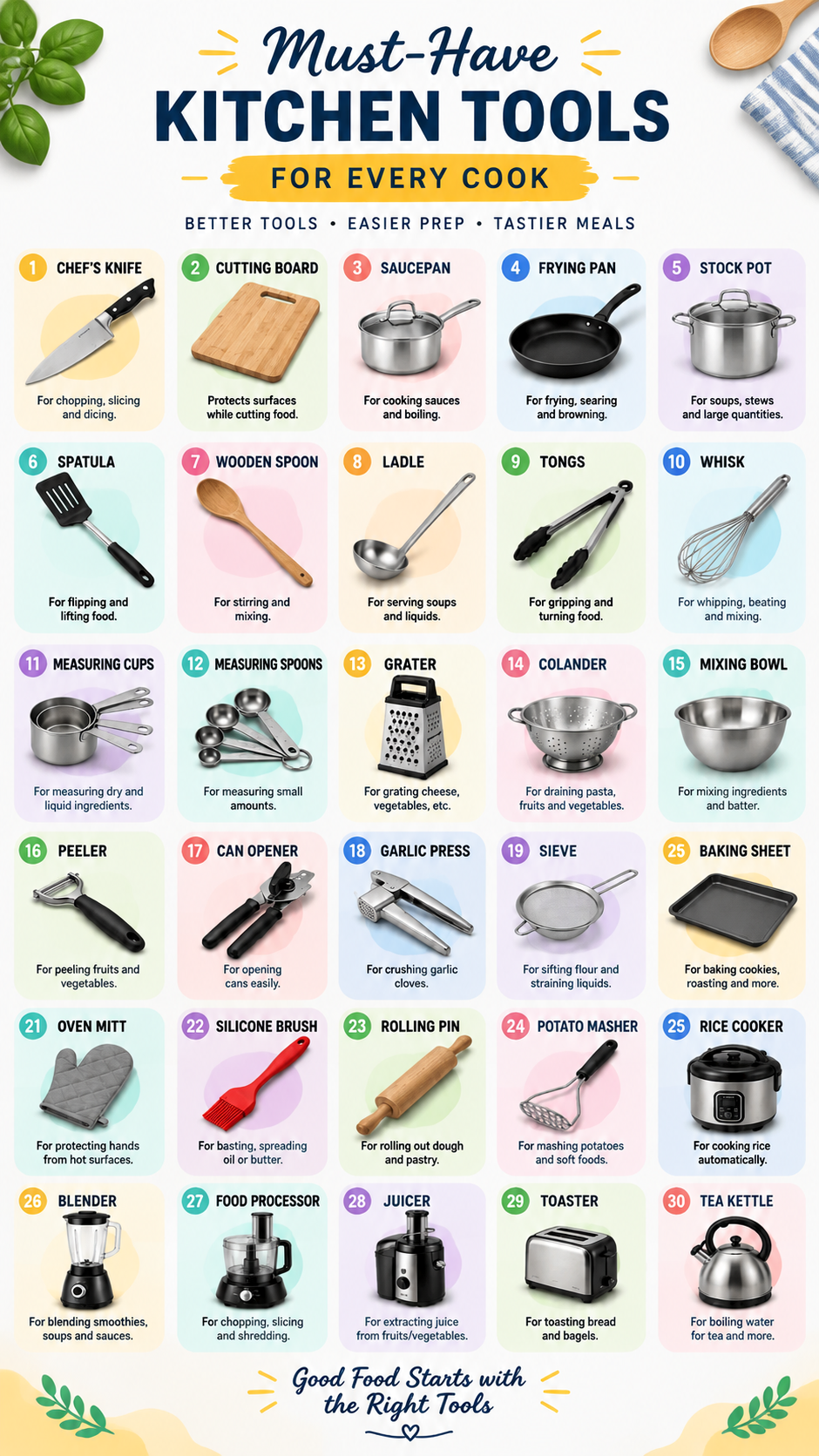
Essential tools usually serve different purposes. A chef’s knife handles chopping and slicing, a cutting board protects countertops, measuring cups help portion ingredients, and a mixing bowl provides space to combine foods. A vegetable peeler complements these items by making the first stages of preparation easier.
Other useful utensils include a wooden spoon for stirring, a spatula for turning food, a ladle for serving soups, tongs for gripping ingredients, and a whisk for mixing. For baking and more involved meal preparation, measuring spoons, a grater, a colander, and a sieve can also prove valuable.
The best kitchen setup is the one that supports the meals you actually make. If you regularly cook with fresh produce, a peeler is a practical addition because it serves a clear purpose and requires very little storage space.
Keep Frequently Used Tools Within Reach
Organizing your kitchen around your habits can save time. Store your peeler with other everyday preparation tools, such as a knife, kitchen scissors, and measuring utensils. A drawer organizer or small container can keep everything easy to locate.
Make sure sharp utensils are stored safely, with blades protected where practical. Keeping your tools clean, dry, and accessible makes it easier to maintain a consistent cooking routine.
Why This Matters
A useful kitchen hack doesn’t have to involve a complicated recipe or an expensive appliance. Small improvements, such as choosing a comfortable peeler and keeping your preparation tools organized, can make routine cooking feel simpler. Focus on tools that solve real problems and are easy to maintain.
How to Clean and Maintain Your Kitchen Peeler
Regular cleaning helps keep your vegetable peeler hygienic and ready for everyday use. Food particles can collect around the blade, particularly after peeling sticky or starchy ingredients, so it is worth cleaning the utensil promptly.
Wash It After Every Use
Rinse the peeler after use to remove loose food residue. Wash it with warm water and dish soap, paying attention to the blade and the area where the blade connects to the handle. Use a brush when necessary, but handle the cutting edge carefully.
Follow the manufacturer’s instructions if the peeler has a special coating, detachable blade, or other maintenance requirements. Avoid leaving it soaking for extended periods unless the manufacturer specifically permits it.
Dry It Thoroughly
After washing, dry the peeler with a clean towel or allow it to air-dry completely in a suitable location. Proper drying helps reduce moisture buildup and keeps the utensil in better condition.
Store it in a clean, dry drawer or utensil holder. Keep the blade protected from unnecessary contact with other tools, which can help prevent damage and accidental cuts.
Know When to Replace It
If your peeler begins tearing the skin instead of cutting it cleanly, requires excessive force, or develops a damaged blade or handle, inspect it carefully. A worn or damaged utensil can make preparation frustrating and may increase the risk of slipping.
Replace the peeler when cleaning, maintenance, or any manufacturer-approved blade replacement no longer restores safe, effective performance.
Common Vegetable Peeling Mistakes to Avoid
Even experienced home cooks can develop habits that make food preparation harder than necessary. Avoiding a few common mistakes can help you get better results from your peeler.
- Using a dull peeler: A blade that struggles to cut can require extra pressure. Inspect your utensil and replace it if it no longer works effectively.
- Applying too much force: Aggressive pressure can make the blade harder to control. Use gentle strokes and let the cutting edge do its job.
- Peeling without washing produce: Clean fruits and vegetables before removing the skin to help prevent surface debris from spreading to the edible portion.
- Removing too much flesh: Thick peeling can waste edible food. Aim to remove only the skin needed for your recipe.
- Ignoring handle comfort: An awkward grip can make repetitive tasks uncomfortable. Choose a peeler that feels secure and natural to use.
- Leaving residue on the blade: Wash the tool promptly and dry it properly after each use.
- Using the wrong tool for the job: Very hard, unusually shaped, or slippery ingredients may need a different preparation method. Never force a peeler beyond what its design can handle.
Simple Kitchen Hacks That Pair Well with a Vegetable Peeler
Once you have a dependable peeler, a few additional habits can make meal preparation more organized. These practical kitchen hacks focus on reducing unnecessary work rather than adding more complicated steps to your routine.
Prepare Ingredients Before You Start Cooking
Gather your recipe ingredients, wash your produce, and set out the tools you need before turning on the stove. This preparation style, often called mise en place, helps you move smoothly from one step to the next.
Place a bowl nearby for clean, peeled vegetables and another container for scraps. This reduces clutter and makes cleanup more manageable.
Use a Peeler to Create Vegetable Ribbons
Thin vegetable ribbons are an easy way to add texture and visual interest to salads and side dishes. After washing a firm carrot or zucchini, draw the peeler along its length using controlled strokes to create long, thin strips.
Arrange the ribbons in a salad, add them to a suitable cooked dish, or use them as a simple garnish. This technique can make familiar ingredients feel more interesting without requiring specialized equipment.
Make Cleanup Part of the Routine
Instead of allowing used utensils to pile up, wash tools as soon as it is practical to do so. Keep your cutting board, peeler, and preparation bowls together while working, then clean and return them to their designated places.
Consistent organization can make a small kitchen feel more functional and help you spend less time searching for basic equipment.
Quick Points: Your Kitchen Peeler Checklist
- Choose a comfortable handle and a blade suited to your needs.
- Wash produce before peeling and prepare it on a stable surface.
- Use controlled strokes to remove thin layers with less waste.
- Clean, dry, and store the peeler safely after every use.
- Keep everyday kitchen utensils organized for smoother meal preparation.
Conclusion: A Small Kitchen Tool That Makes Everyday Cooking Easier
The right vegetable peeler may be a small addition to your kitchen, but it can make a meaningful difference in how you prepare everyday meals. From peeling potatoes and carrots to preparing apples for dessert and creating fresh vegetable ribbons, this simple utensil offers plenty of practical uses.
Choosing a comfortable design, using safe peeling techniques, and cleaning the tool properly can help you get more value from it. You don’t need an entire drawer of expensive gadgets to make cooking easier. Sometimes, a few dependable essentials and a better routine are all it takes.
If you’re building a collection of useful kitchen utensils, start with tools that solve everyday problems. A good peeler, a sharp chef’s knife, a stable cutting board, and a few reliable mixing and measuring tools can make food preparation feel more organized and enjoyable.
Looking for more easy kitchen hacks, practical cooking tips, and smart meal preparation ideas? Save this guide for your next kitchen refresh, and keep exploring simple ways to make everyday cooking easier. Your next favorite kitchen essential might be one of the smallest tools in your drawer.
Tags
Kitchen Hacks
Vegetable Peeler
Essential Kitchen Tools
Cooking Tips
Meal Prep Ideas
Kitchen Organization
Food Preparation
Smart Kitchen Tips