12 Dopamine Boost Activities for a Happier Mind and Better Mood
Some days call for a little extra joy, and the good news is that small, everyday actions can help you feel more positive, energized, and connected to yourself. From stepping outside for sunshine to listening to your favorite song, simple dopamine boost activities can turn an ordinary day into an opportunity to feel better. You do not need an elaborate wellness routine or a complete lifestyle makeover to support your mood. Sometimes, the smallest habits make the biggest difference.
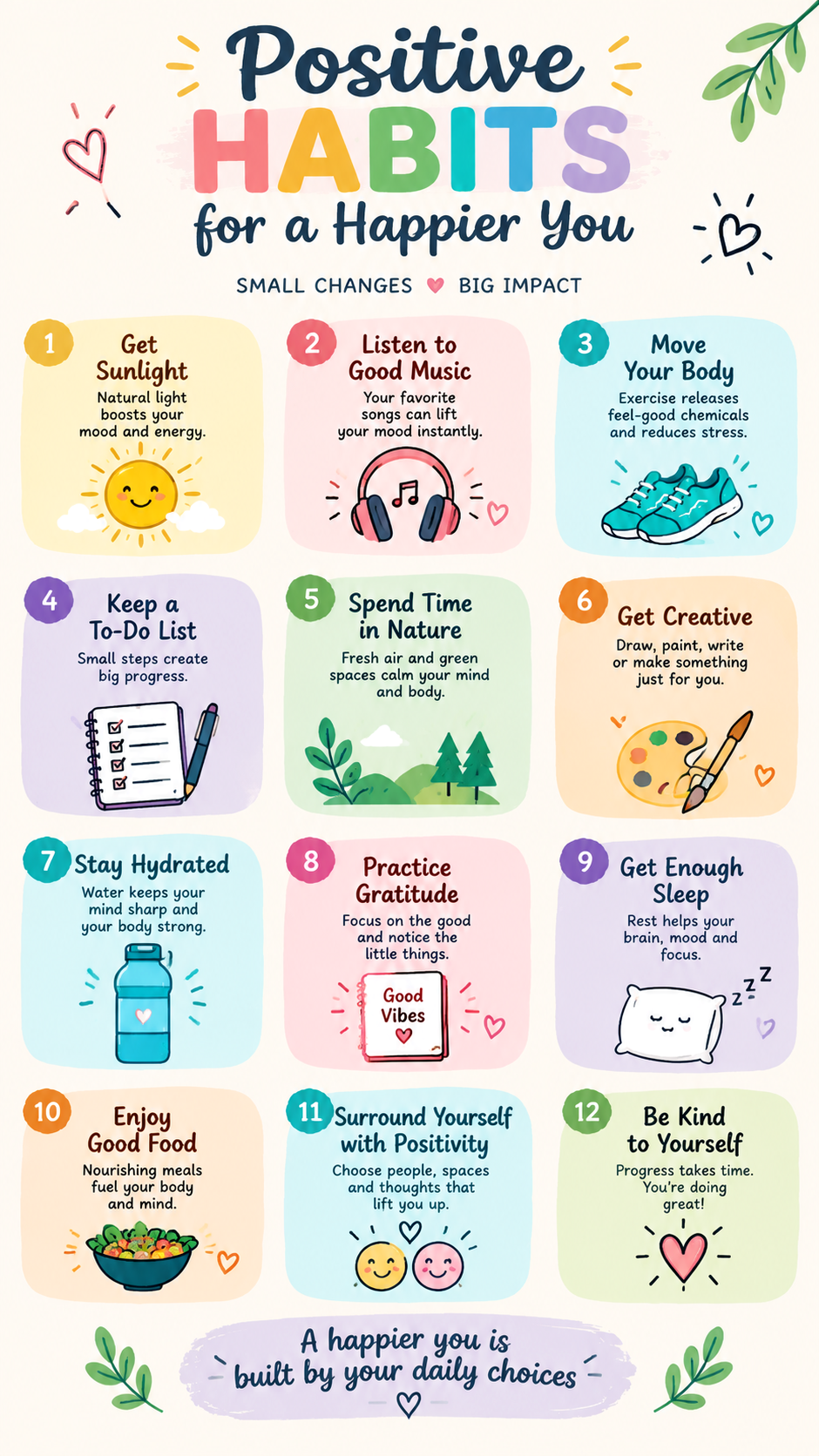
If you are looking for easy ways to improve your mood, build a happier daily routine, and make more room for the things you love, these 12 feel-good activities are a wonderful place to start. They focus on movement, creativity, nature, gratitude, rest, and other simple habits that can support your overall well-being.
Key Takeaways
- Get natural sunlight and spend time outdoors to support your mood and daily rhythm.
- Use music, movement, and creative hobbies to bring more enjoyment into your day.
- Practice gratitude and complete small tasks to build a sense of progress.
- Stay hydrated, eat satisfying foods, and prioritize quality sleep.
- Choose activities that feel enjoyable and realistic instead of pressuring yourself to do everything.
- Build a personalized mood-boosting routine from a few small habits you can repeat consistently.
What Are Dopamine Boost Activities?
Dopamine is a neurotransmitter involved in motivation, learning, movement, attention, and the brain’s reward system. It helps your brain recognize meaningful experiences and encourages you to repeat behaviors that support your goals and needs. Although dopamine is often described as the body’s happiness chemical, its role is more complex than simply creating a good mood.
Dopamine boost activities are everyday experiences that can support motivation, engagement, and enjoyment. Listening to music, spending time in nature, learning something new, and accomplishing manageable tasks may all contribute to a more satisfying day.
It is important to remember that no single activity guarantees an immediate dopamine increase or eliminates difficult emotions. The goal is not to chase a constant feeling of happiness. Instead, these habits can help you create a balanced lifestyle with more opportunities for enjoyment, connection, accomplishment, and rest.
Important: Think of dopamine-boosting habits as supportive tools rather than a quick fix. Your mood is influenced by many factors, including sleep, stress, relationships, physical health, and your environment. Choose habits that support your well-being without expecting yourself to feel happy every moment.
12 Simple Dopamine Boost Activities to Try Every Day
1. Get Some Sunshine
Natural light can be a simple way to begin your mood-boosting routine. Spending time outdoors exposes you to daylight, which helps regulate your body’s internal clock and supports a healthy sleep-wake cycle. Getting outside can also give you a refreshing break from screens, indoor lighting, and everyday responsibilities.
Start with a short morning walk, enjoy breakfast near a sunny window, or sit outside with your favorite drink. If you have a busy schedule, even a brief outdoor break can create a welcome pause in your day.
Easy Sunshine Ideas
- Take a short walk before starting work.
- Enjoy your morning coffee or tea outdoors.
- Read a few pages of a book in a sunny spot.
- Open your curtains and let daylight into your living space.
Remember to protect your skin when spending time outdoors, especially during strong sunlight. The goal is to enjoy natural light safely, not to get a tan or spend excessive time in direct sun.
2. Listen to Music You Love
Music can influence your emotions, energy, and memories. A favorite song might help you feel energized before a busy day, provide comfort during a stressful moment, or make an ordinary household task more enjoyable. Music that feels personally meaningful can also encourage a sense of connection and nostalgia.
Create a playlist for different moods. Choose upbeat songs when you need motivation, gentle melodies when you want to unwind, or familiar favorites when you need a comforting break.
- Play an energizing song while getting ready in the morning.
- Listen to relaxing music during your evening routine.
- Sing along or dance around your room when you need a reset.
- Discover a new artist or revisit songs from a favorite period of your life.
You do not need an expensive speaker or a perfect playlist. A few minutes of music you genuinely enjoy can make an everyday moment feel more special.
3. Move Your Body
Physical activity can support mood, reduce stress, improve sleep, and help you feel more connected to your body. Exercise also gives you a chance to take a break from repetitive thoughts and focus on the movement you are doing.
The best mood-boosting movement is one that fits your current energy level and physical abilities. You do not have to complete an intense workout to benefit from being active.
Movement Ideas for Every Mood
- Walk around your neighborhood or a nearby park.
- Stretch your shoulders, back, and legs between tasks.
- Try a beginner-friendly yoga session.
- Dance to two or three favorite songs.
- Ride a bicycle or try another activity you enjoy.
Start small and pay attention to how you feel afterward. Consistency matters more than pushing yourself beyond your limits. If you are tired, a gentle walk or a few minutes of stretching may be a better choice than a demanding workout.
4. Check Off Small Tasks
There is something satisfying about completing a task you have been putting off. Small accomplishments can create a sense of progress, reduce mental clutter, and make larger responsibilities feel less overwhelming.
Instead of writing an enormous to-do list, choose a few realistic priorities. Make your bed, wash the dishes, reply to one important message, or organize a small part of your workspace. Each completed task gives you a clear sign that you have moved forward.
Pro Tip: Try the five-minute rule. Choose one task and work on it for just five minutes. You can stop when the time is up or continue if you feel motivated. The goal is to make starting easier, not to pressure yourself into finishing everything.
Keep your list manageable. Rest is productive when you need it, and your worth is not measured by the number of boxes you check. A useful to-do list supports your life instead of controlling it.
5. Read a Good Book
Reading offers a chance to slow down, explore new ideas, and step away from daily distractions. A novel can transport you into another world, while a nonfiction book can introduce useful skills, fresh perspectives, or information about a subject you love.
You do not need to finish an entire chapter or read for an hour. Start with a few pages during breakfast, before bed, or during a quiet afternoon break.
If concentrating on a book feels difficult, choose something light and engaging. Short stories, comics, poetry, magazines, and audiobooks are all valid ways to enjoy reading. Let your interests guide you rather than treating reading as another obligation.
Creating a cozy reading corner can make the experience even more inviting. Add a comfortable chair, soft lighting, a warm drink, and a book you are excited to open.
6. Spend Time Around Nature
Nature can offer a calming change of scenery when your day feels crowded with responsibilities. Green spaces, fresh air, plants, and natural sounds may help you feel more relaxed and attentive. Spending time outside can also create opportunities for gentle movement and a break from digital distractions.
You do not need to plan a hiking trip or visit a famous destination. Nature can be part of your everyday routine, even if you live in a busy city or have only a small amount of free time.
- Take a short walk through a local park.
- Care for a houseplant or start a small herb garden.
- Notice the clouds, trees, birds, or changing colors around you.
- Enjoy a meal or a cup of tea outside when the weather allows.
- Visit a green space with a friend for a relaxed conversation.
Try putting your phone away for a few minutes and paying attention to your surroundings. Notice the temperature, sounds, smells, and colors. This simple practice can turn an ordinary outdoor break into a more mindful experience.
7. Get Creative
Creative activities give you an opportunity to express yourself, experiment, and enjoy the process of making something. Drawing, painting, writing, crafting, photography, and playing an instrument can all provide a satisfying break from routine responsibilities.
You do not need to consider yourself an artist to enjoy creativity. The purpose is not to produce something perfect or impressive. It is to explore an idea, use your imagination, and spend time doing something that interests you.
Creative Activities to Try
- Fill a sketchbook with simple shapes or doodles.
- Write a short journal entry about your day.
- Try crochet, knitting, embroidery, or another handmade craft.
- Make a collage using pictures, colors, and words you love.
- Take photographs of interesting details in your surroundings.
- Experiment with a new recipe or decorate a small space.
Keep your supplies accessible so you can begin without a complicated setup. Even ten minutes of creative time can give you something enjoyable to anticipate during the day.
8. Enjoy a Favorite Treat Mindfully
Food can be a meaningful part of comfort, celebration, culture, and connection. Enjoying a favorite snack or dessert can make a simple break feel special, especially when you slow down and pay attention to the experience.
Choose something you genuinely enjoy, whether it is a piece of chocolate, fresh fruit, homemade cookies, or a favorite afternoon snack. Sit somewhere comfortable, take your time, and notice the flavors and textures.
Food does not need to be earned through exercise or treated as a reward for being productive. A balanced approach allows room for both nourishing meals and pleasurable foods without unnecessary guilt.
If you want to make the moment more enjoyable, pair your snack with a favorite drink, a good book, or a relaxed conversation with someone you care about. The experience can be just as meaningful as the food itself.
9. Stay Hydrated
Water supports essential bodily functions, and not drinking enough can contribute to symptoms such as thirst, fatigue, and difficulty concentrating. Keeping water nearby makes it easier to remember to drink throughout the day.
If you often forget to hydrate, connect drinking water with routines you already follow. Have a glass after waking up, keep a reusable bottle at your desk, or drink some water with meals.
- Keep a water bottle in a convenient place.
- Drink water after a walk or other physical activity.
- Include water-rich foods, such as cucumbers and watermelon, in your meals.
- Use regular breaks as reminders to check whether you are thirsty.
Hydration needs vary depending on factors such as activity, climate, health, and diet. You do not need to force yourself to drink excessive amounts of water. Pay attention to thirst and follow any individualized medical guidance you have received.
10. Practice Gratitude
Gratitude is the practice of noticing and appreciating things that bring value, comfort, or meaning to your life. It can help you pay attention to positive experiences that might otherwise get lost among daily worries and responsibilities.
Try writing down three things you appreciate each day. They do not need to be major accomplishments. A kind message, a delicious meal, a peaceful moment, or a task you finally completed can all count.
Three Simple Gratitude Prompts
- What made me smile today?
- What is one thing I appreciate about my surroundings?
- What did I do for myself that I feel good about?
You can write your answers in a notebook, add them to a notes app, or simply reflect before going to sleep. The practice works best when your answers feel honest and personal.
Gratitude does not mean ignoring painful emotions or pretending that everything is fine. You can appreciate a small positive moment while still acknowledging stress, sadness, disappointment, or uncertainty.
11. Capture Meaningful Moments
Photography can encourage you to notice the little details that make everyday life interesting. A colorful sunset, a favorite meal, a funny moment with a friend, or a new plant on your windowsill can become a memory worth keeping.
You do not need a professional camera or advanced photography skills. Your phone is enough to begin collecting images that reflect your interests and experiences.
- Take a picture of one thing that catches your attention each day.
- Create a monthly photo album of favorite memories.
- Photograph small seasonal changes in your neighborhood.
- Print a few favorite pictures and display them at home.
Try focusing on the experience before reaching for your camera. Enjoy the sunset, conversation, or moment first, then take a picture if you want to remember it. This keeps photography connected to real experiences rather than turning every activity into a task to document.
12. Prioritize Quality Sleep
Sleep plays an important role in emotional regulation, memory, attention, and physical recovery. When you regularly get insufficient sleep, everyday challenges may feel harder to manage, and your energy and concentration can suffer.
Creating a consistent sleep routine can help you give your body the rest it needs. Try going to bed and waking up at similar times, making your bedroom comfortable, and allowing yourself time to unwind before bedtime.
Build a Calming Evening Routine
- Dim bright lights as bedtime approaches.
- Put away work and reduce stimulating screen activities when possible.
- Read a book, stretch gently, or listen to calming music.
- Prepare your clothes or essentials for the following day.
- Keep your sleeping space comfortable, quiet, and dark when possible.
Most adults need at least seven hours of sleep per night, although individual needs vary. If you regularly struggle to sleep, feel exhausted despite adequate rest, or experience persistent sleep difficulties, consider speaking with a healthcare professional.
How to Build a Daily Mood-Boosting Routine
Knowing which activities can support your mood is useful, but turning them into realistic habits is what makes them easier to maintain. Instead of trying all twelve activities at once, begin with a few that fit naturally into your existing schedule.
Start With Three Small Habits
Choose one activity for the morning, one for the afternoon, and one for the evening. This creates a simple structure without filling your day with extra responsibilities.
- Morning: Open the curtains, drink water, or spend a few minutes outside.
- Afternoon: Listen to a favorite song, stretch, or complete one manageable task.
- Evening: Write down three things you appreciate, read a few pages, or prepare for restful sleep.
Adjust these examples to suit your lifestyle. If mornings are hectic, save your outdoor break for lunchtime. If journaling feels like a chore, reflect on one good moment instead. Your routine should support you, not become another source of pressure.
Match Activities to Your Energy Level
Your needs can change from one day to the next. Some mornings you may feel ready for a workout, while other days call for something quieter. Having several options makes it easier to care for yourself without relying on motivation alone.
- When you feel tired: Choose gentle stretching, a short reading break, or a calming playlist.
- When you feel restless: Take a walk, dance to music, or tidy a small area.
- When you feel disconnected: Call a friend, spend time outdoors, or capture a meaningful moment.
- When you feel unmotivated: Start with a five-minute task or a simple creative activity.
- When you feel overwhelmed: Reduce your to-do list and give yourself permission to rest.
Why This Matters
A sustainable self-care routine is flexible. You do not have to complete every activity or feel better immediately for your efforts to matter.
- Small habits are easier to repeat when they fit your real life.
- Enjoyment and personal preference matter more than following a perfect routine.
- Rest, connection, and realistic expectations are important parts of well-being.
Track How You Feel Without Judging Yourself
If you want to discover which dopamine boost activities work best for you, keep a simple mood journal for a week or two. Before and after an activity, briefly note your energy, mood, or stress level. You can use words such as calm, focused, tired, cheerful, or overwhelmed instead of assigning a number.
Look for patterns rather than expecting every activity to have the same effect. You might notice that outdoor walks help you feel more alert, music makes household tasks easier, or reading helps you unwind in the evening.
Use these observations to shape your routine. If an activity consistently feels stressful or inconvenient, replace it with something more suitable. Self-care should be responsive to your needs rather than based on rigid rules.
Common Mistakes to Avoid When Boosting Your Mood
Feel-good habits can be helpful, but they are not a competition. Avoid turning wellness into another demanding project or expecting a quick solution for every difficult emotion.
Trying to Change Everything at Once
Starting a new exercise routine, changing your sleep schedule, journaling every morning, and preparing elaborate meals simultaneously can become overwhelming. Choose one or two manageable habits first. Once they feel natural, you can add another if you want.
Expecting Instant Happiness
Some activities feel enjoyable immediately, while others become more valuable through repetition. A walk might clear your head, but it may not resolve a stressful situation. Gratitude can help you notice positive moments without making sadness disappear. Let each activity be useful in its own way rather than treating happiness as a required outcome.
Confusing Self-Care With Productivity
Self-care is not limited to completing tasks, following a strict routine, or constantly improving yourself. Enjoying music, sitting quietly, spending time with loved ones, and getting enough rest are valuable even when they do not produce a visible result.
Ignoring Persistent Emotional Difficulties
Everyday mood-boosting activities can complement other forms of support, but they are not a replacement for professional care when you need it. If low mood, loss of interest, anxiety, or exhaustion persists or interferes with daily life, consider speaking with a qualified healthcare professional. You deserve support that addresses your needs.
Quick Points: Your Everyday Dopamine Boost Checklist
At a Glance
- Get natural light and take short outdoor breaks.
- Move your body in ways that feel comfortable and enjoyable.
- Make room for music, creativity, reading, and meaningful experiences.
- Support your basic needs with hydration, balanced meals, and sufficient sleep.
- Choose a few small habits and adapt them to your energy and schedule.
Conclusion: Make More Room for What Makes You Feel Good
Building a happier daily routine does not require a complete life makeover. It can begin with opening your curtains, playing a favorite song, taking a short walk, writing down something you appreciate, or giving yourself enough time to rest. These simple dopamine boost activities offer practical ways to bring more enjoyment, movement, creativity, and intention into everyday life.
The most useful habits are the ones that work for you. Choose activities that match your interests, energy, and circumstances. Celebrate small accomplishments, stay flexible when your plans change, and remember that difficult days are a normal part of being human.
You can start today by choosing just three activities from this list. Try one in the morning, another during the day, and a final one in the evening. Notice how the experiences fit into your routine, then keep the habits that feel meaningful and enjoyable.
Want to create your own feel-good routine? Save this list of dopamine boost activities for inspiration whenever you need a little encouragement. Come back to it when you want fresh self-care ideas, a gentle mood reset, or a reminder to make time for the small things that bring you joy.
Tags
Dopamine Boost Activities
Mood Boosting Habits
Daily Self-Care
Mental Wellness
Healthy Daily Habits
Positive Lifestyle
Mindful Living
Feel-Good Routine