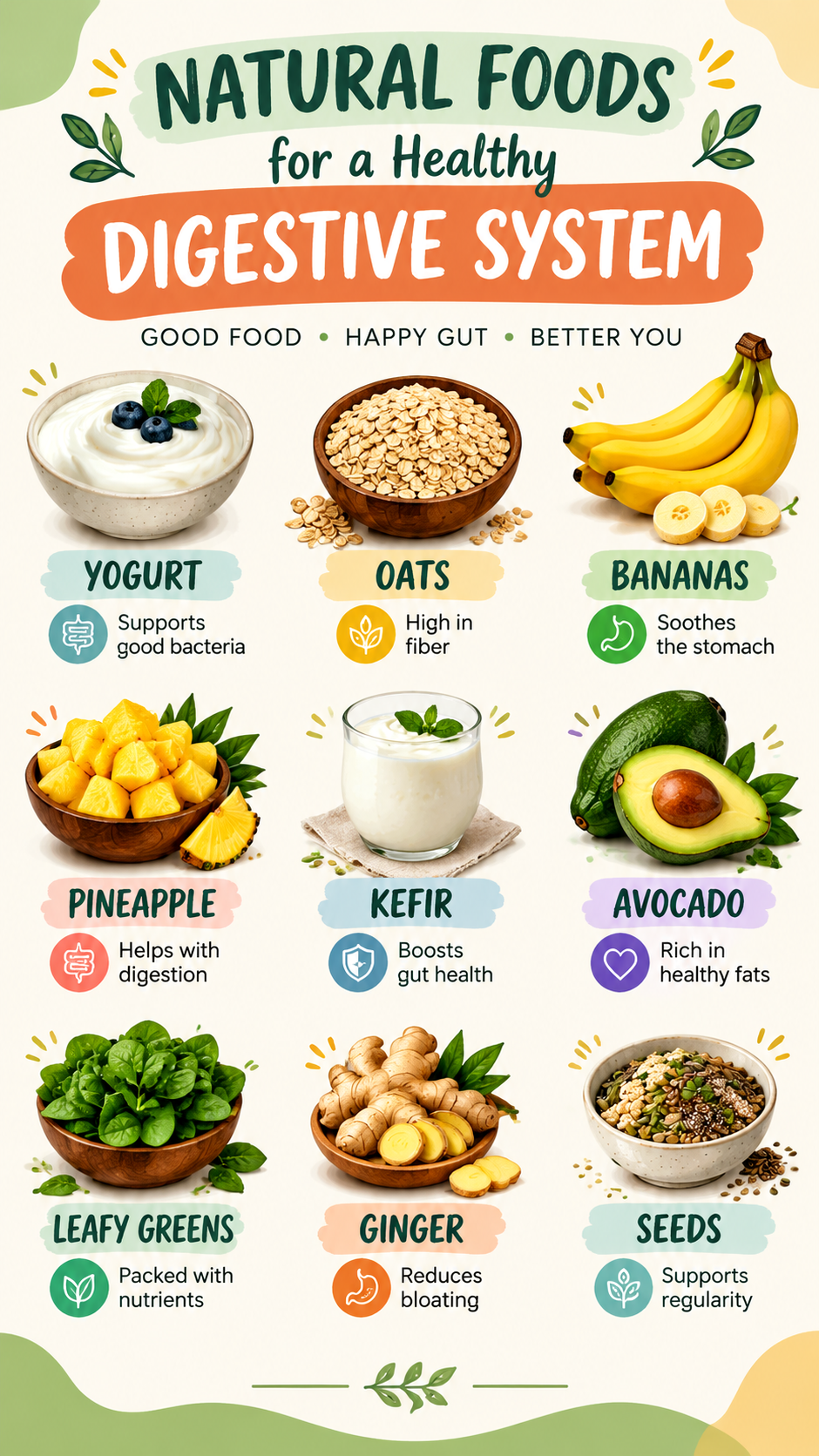
Natural Digestive Enzymes Foods That Support Better Digestion
Digestive health starts with the foods we choose every day. Many natural foods contain enzymes that help break down nutrients and support the body’s digestive processes. From tropical fruits like pineapple and papaya to fermented favorites such as kefir, sauerkraut, and miso, enzyme-rich foods can be a delicious addition to a balanced eating routine.
Adding these foods to your meals is a simple way to explore natural digestive support while enjoying a variety of flavors, textures, and nutrients. Whether you are creating a gut-friendly breakfast, preparing a refreshing snack, or experimenting with fermented foods, nature offers many options to include in your daily menu.
Key Takeaways
- Pineapple and papaya are popular fruits known for their natural digestive enzymes.
- Fermented foods like kefir, sauerkraut, and miso are commonly included in gut-friendly diets.
- Fresh, whole foods can add variety and nutrition to everyday meals.
- Digestive enzymes help break down proteins, carbohydrates, and other food components.
- Simple food swaps can make digestive wellness habits easier to maintain.
What Are Natural Digestive Enzymes?
Digestive enzymes are substances that help break down the foods we eat into smaller components that the body can process. The body naturally produces digestive enzymes, but some foods also contain enzymes that are naturally present before consumption.
Different enzymes work with different types of nutrients. Some help break down proteins, while others assist with carbohydrates or fats. Including a variety of enzyme-containing foods can support a diverse and nutrient-rich eating pattern.
Important: Foods rich in natural enzymes are not a replacement for the digestive system’s own functions. Instead, they can be part of a balanced diet that focuses on whole foods, variety, and mindful eating habits.
Top Foods Rich in Natural Digestive Enzymes
Pineapple: A Tropical Source of Bromelain
Pineapple is one of the most recognized fruits associated with natural digestive enzymes. It contains bromelain, an enzyme commonly known for its role in breaking down proteins.
This sweet and refreshing fruit can be enjoyed fresh, added to smoothies, mixed into fruit bowls, or used as a flavorful ingredient in meals. Choosing fresh pineapple provides a naturally vibrant option for those looking to add more fruit to their diet.
Papaya: A Fruit Containing Papain
Papaya is another tropical fruit often highlighted for its enzyme content. It contains papain, a naturally occurring enzyme associated with protein digestion.
The soft texture and naturally sweet flavor of ripe papaya make it easy to enjoy on its own or combine with other ingredients. It works well in breakfast bowls, smoothies, and refreshing snacks.
Kefir: A Fermented Food Choice
Kefir is a fermented dairy beverage that contains beneficial microorganisms and naturally occurring enzymes. It is often included in gut-friendly meal plans because of its unique fermentation process.
Kefir can be enjoyed as a drink, blended into smoothies, or combined with fruit and seeds for a nutritious snack. Its creamy texture makes it a versatile addition to many recipes.
Sauerkraut and Miso: Fermented Favorites
Fermented foods such as sauerkraut and miso have been enjoyed in traditional cuisines for generations. Their fermentation process creates unique flavors and introduces naturally occurring compounds that make them popular choices for digestive wellness.
Sauerkraut can be served as a side dish or topping, while miso is commonly used in soups, sauces, and dressings. These foods add both flavor and variety to meals.
Pumpkin, Ginger, and Other Enzyme-Rich Options
The image also highlights foods such as pumpkin, ginger, sprouts, and apple cider vinegar. These ingredients are often included in natural wellness routines because they bring unique nutrients, flavors, and traditional uses to the table.
Ginger, for example, is widely used in cooking and beverages for its warming flavor. Sprouts add freshness and texture to salads and sandwiches, while apple cider vinegar is commonly used in dressings and recipes.
How to Add Enzyme-Rich Foods to Your Daily Meals
Incorporating natural digestive enzyme foods does not require complicated recipes. Small changes can help you enjoy more variety throughout the week.
Start Your Morning With Fruit
Add pineapple or papaya to breakfast bowls, oatmeal, yogurt alternatives, or smoothies. These fruits bring natural sweetness and bright flavors without needing heavy additions.
Include Fermented Foods
Try adding small portions of fermented foods like kefir, sauerkraut, or miso to meals. They can complement many dishes while introducing new flavors and textures.
Use Fresh Ingredients Regularly
Fresh fruits, vegetables, herbs, and natural ingredients can help create meals that are both enjoyable and nourishing. A balanced approach is the key to long-term healthy eating habits.
Why This Matters for a Balanced Lifestyle
Digestive wellness is connected to many everyday choices, including food quality, meal variety, hydration, and eating habits. Natural enzyme foods can be a helpful part of a broader approach focused on nourishing the body.
Expert Insight
- Eating a variety of plant-based foods creates more opportunities for balanced nutrition.
- Fermented foods can add interesting flavors while supporting a diverse food routine.
- Healthy digestion habits involve the entire lifestyle, not just one ingredient.
Common Questions About Digestive Enzyme Foods
Can fruits provide digestive enzymes naturally?
Yes, some fruits contain naturally occurring enzymes. Pineapple and papaya are two well-known examples that are commonly discussed in relation to natural digestive enzymes.
Are fermented foods part of a healthy diet?
Fermented foods can be included as part of a balanced eating pattern. They offer unique flavors and are traditionally enjoyed in many cultures around the world.
What is the best way to eat enzyme-rich foods?
The best approach is to enjoy them as part of a varied diet. Combining different fruits, vegetables, fermented foods, and nutrient-rich ingredients can create satisfying meals.
At a Glance: Natural Digestive Enzyme Foods
- Pineapple provides bromelain and tropical flavor.
- Papaya contains papain and works well in fresh recipes.
- Kefir, sauerkraut, and miso add fermented food variety.
- Ginger, sprouts, and pumpkin bring additional natural ingredients to meals.
Conclusion: Make Enzyme-Rich Foods Part of Your Routine
Natural digestive enzyme foods offer a simple and enjoyable way to explore healthier eating habits. Colorful fruits, fermented foods, and fresh ingredients can bring more variety to your meals while supporting a mindful approach to nutrition.
From a refreshing pineapple snack to a bowl topped with papaya or a meal enhanced with fermented flavors, small choices can make everyday eating more exciting. Build your plate with variety, enjoy new ingredients, and discover the natural benefits of whole foods.
Tags
Digestive Health
Natural Enzymes
Gut Health Foods
Fermented Foods
Healthy Eating
Wellness Nutrition
Whole Foods