Natural DIY Remedy for Dark Skin Around Mouth Potato Juice, Honey Lemon Mask
Dark skin around the mouth can be frustrating, especially when the rest of your complexion looks more even. If you have noticed discoloration around your lips, upper lip, or chin, you may be searching for a simple skincare routine that helps your skin look brighter and healthier. One popular DIY skincare idea combines potato juice, honey, and lemon juice in a homemade face mask. These familiar ingredients are often featured in natural beauty routines, but it is important to understand what they can realistically do and how to use them safely.
This guide explores the potato juice, honey, and lemon juice face mask, explains common causes of dark skin around the mouth, and shares practical ways to care for uneven skin tone. You will also discover why gentle skincare, daily sun protection, and patience are more useful than harsh home remedies when addressing hyperpigmentation.
Key Takeaways
- Dark skin around the mouth can result from sun exposure, irritation, hormonal changes, or post-inflammatory hyperpigmentation.
- Potato juice and honey are popular DIY skincare ingredients, but strong clinical evidence that they remove pigmentation is limited.
- Lemon juice can irritate the skin and trigger reactions that make dark spots worse, so applying it directly to the face is best avoided.
- Daily broad-spectrum sunscreen helps prevent existing discoloration from becoming darker.
- Gentle cleansing, regular moisturizing, and appropriate skincare ingredients can support a more even-looking complexion.
- Persistent, spreading, or unexplained discoloration may require evaluation by a dermatologist.
What Causes Dark Skin Around the Mouth?
Before trying a homemade face mask, it helps to understand why the skin around the mouth may appear darker than the surrounding areas. This discoloration can affect people with all skin tones, although pigmentation changes may be especially noticeable in medium and deeper complexions.
The area around the mouth is exposed to sunlight, friction, skincare products, cosmetics, and everyday activities such as shaving or removing facial hair. Several factors can contribute to uneven pigmentation, and the right approach depends on the underlying cause.
1. Sun Exposure
Ultraviolet radiation can stimulate melanin production, the natural process that gives skin its color. Repeated sun exposure may cause existing dark spots to become more noticeable and contribute to uneven pigmentation around the upper lip and mouth.
Even when you spend most of your time indoors, incidental exposure during commuting, walking, or sitting near windows can contribute to cumulative sun damage. Consistent sun protection is therefore an important part of managing facial discoloration.
2. Post-Inflammatory Hyperpigmentation
Post-inflammatory hyperpigmentation occurs when the skin produces extra pigment after inflammation or injury. Acne, rashes, allergic reactions, waxing, threading, shaving, and irritating skincare products can all contribute to this type of discoloration.
The marks may remain after the original irritation has disappeared. Picking at blemishes or repeatedly applying harsh treatments can prolong the problem, making a gentle routine especially important.
3. Hormonal Changes
Hormonal fluctuations can contribute to melasma, a condition that causes patches of brown or gray-brown discoloration, commonly on the face. The upper lip is one possible location. Melasma may be associated with pregnancy, hormonal medications, and sun exposure.
Because melasma can be persistent, a homemade mask is unlikely to provide a reliable solution. Professional advice can help identify appropriate treatments and reduce the risk of worsening pigmentation.
4. Dryness and Skin Irritation
Dryness, frequent lip licking, fragranced cosmetics, and aggressive exfoliation can irritate the delicate skin around the mouth. Inflammation may leave the area looking darker, particularly in skin that is prone to pigmentation after irritation.
If discoloration appeared after introducing a new product, consider stopping the suspected product and simplifying your routine. A mild cleanser and fragrance-free moisturizer may help support the skin barrier while the irritation settles.
5. Other Possible Causes
Sometimes, darker skin around the mouth is related to an underlying skin condition or another medical issue. Thickened, velvety discoloration around the neck or other body folds, for example, can sometimes be associated with insulin resistance. Certain medications and inflammatory skin disorders may also contribute to pigment changes.
If the discoloration develops suddenly, spreads, becomes thick or painful, or appears alongside other unusual symptoms, seek medical advice rather than relying exclusively on cosmetic treatments.
Potato Juice, Honey, and Lemon Face Mask: What to Know
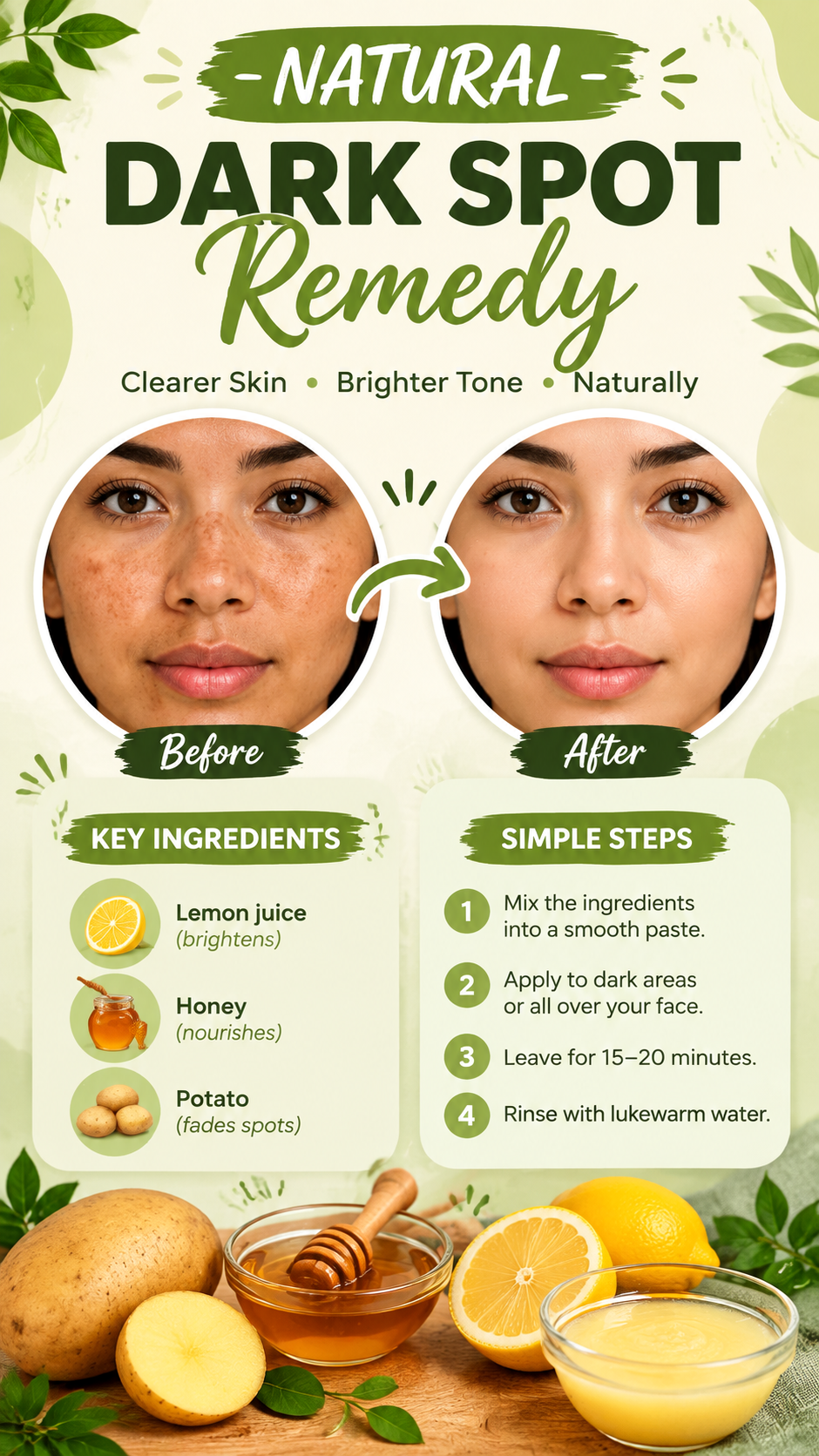
The featured DIY skincare recipe combines three familiar kitchen ingredients: potato juice, honey, and lemon juice. It is often presented as a simple, affordable option for people interested in natural skincare and a more even-looking complexion.
However, natural ingredients are not automatically safe or effective for every skin type. Each ingredient has different properties, and the benefits of a homemade mixture should not be confused with proven treatment for hyperpigmentation.
Potato Juice for Skin
Potatoes contain water, starch, and various naturally occurring compounds. In DIY beauty routines, fresh potato juice is sometimes used as a topical treatment for dull-looking skin or uneven tone.
Despite these popular claims, there is limited high-quality clinical evidence showing that applying potato juice to the skin fades dark patches around the mouth. It should not be considered a proven brightening treatment or a substitute for products specifically formulated to address hyperpigmentation.
If you are interested in experimenting with potato juice, remember that fresh kitchen ingredients are not formulated or preserved for cosmetic use. Their composition can vary, and contaminated mixtures may irritate the skin.
Honey for Skin Moisture
Honey is a humectant, meaning it can help attract and retain moisture under suitable conditions. Some honey preparations have also been studied for specific wound-care applications, but those findings do not establish that ordinary kitchen honey can remove facial pigmentation.
For everyday skincare, a well-formulated moisturizer is generally a more predictable option. It can help reduce dryness, support the skin barrier, and make the skin feel softer without requiring a sticky homemade mixture.
Honey may also cause irritation or an allergic reaction in some people. If you have sensitive skin or known allergies to bee-related products, avoid experimenting without appropriate professional guidance.
Lemon Juice: Why Caution Matters
Lemon juice is commonly included in DIY beauty recipes because it contains citric acid and vitamin C. However, the presence of these compounds does not mean fresh lemon juice works like a professionally formulated skincare product.
Lemon juice is acidic, and its strength varies. Applying it directly to the face may cause burning, redness, dryness, or irritation. Citrus juice on skin can also trigger a reaction after exposure to ultraviolet light, potentially resulting in blistering and lasting discoloration.
Important safety tip: Avoid applying lemon juice directly to the skin, especially around the mouth. Irritation and sun-related reactions can make pigmentation more noticeable rather than improve it. A skincare product formulated and tested for facial use is a safer choice.
How to Approach the DIY Face Mask More Safely
If you have saved the potato juice and honey recipe, consider treating it as inspiration for learning about skincare ingredients rather than a guaranteed dark-spot remedy. The most important step is to avoid ingredients that could irritate your skin.
The original recipe suggests mixing one tablespoon of potato juice, one teaspoon of honey, and a few drops of lemon juice. It then recommends applying the mixture to the dark area for 10 to 15 minutes before rinsing. Because of the risks associated with fresh lemon juice, following these instructions exactly is not recommended.
A Gentler Alternative for Your Skincare Routine
Instead of using an acidic homemade mask, build a simple routine around products designed for facial skin. A basic routine can be more useful than combining several untested ingredients.
- Cleanse gently. Wash your face with a mild, fragrance-free cleanser and lukewarm water. Avoid scrubbing the skin around your mouth.
- Moisturize. Apply a gentle moisturizer to reduce dryness and support the skin barrier. Look for ingredients such as glycerin or ceramides if they suit your skin.
- Protect against sunlight. Use broad-spectrum SPF 30 or higher sunscreen each morning. Reapply as directed, particularly after sweating, swimming, or extended outdoor exposure.
- Introduce targeted skincare carefully. Depending on your skin and the cause of discoloration, ingredients such as azelaic acid or niacinamide may help improve uneven tone. Introduce one product at a time and follow its instructions.
- Monitor your skin. Stop using a product if it causes persistent burning, swelling, itching, or redness. Seek medical advice if the reaction is significant or does not settle.
Expert insight: Successful pigmentation care starts with identifying the cause and preventing additional irritation. A gentle routine used consistently is usually a better starting point than aggressive scrubs, concentrated acids, or untested kitchen remedies.
Skincare Ingredients That May Help Uneven Skin Tone
For people looking for alternatives to homemade masks, several topical ingredients have been studied for their role in managing hyperpigmentation. The most appropriate option depends on your skin type, the cause of the discoloration, and how sensitive your skin is.
Azelaic Acid
Azelaic acid is used in skincare to help address acne, inflammation, and certain forms of hyperpigmentation. It may be a useful option for some people with dark marks left after blemishes or irritation.
Start with a product formulated for facial use and follow its directions. Higher concentrations may require medical guidance, particularly if your skin is sensitive or the discoloration has an unclear cause.
Niacinamide
Niacinamide, a form of vitamin B3, is commonly used to support the skin barrier and improve the appearance of uneven tone. It may be suitable for people who prefer a straightforward skincare routine.
Choose a product with clear usage instructions and introduce it gradually. Using several new active ingredients at once makes it harder to identify the source of irritation if a reaction develops.
Vitamin C
Formulated vitamin C products are popular for antioxidant protection and improving the appearance of uneven pigmentation. Their performance depends on the formula, concentration, packaging, and how well the product suits your skin.
Fresh lemon juice is not an equivalent substitute for a tested vitamin C serum. Formulated products are designed with specific ingredients and application instructions, while lemon juice can be unpredictable and irritating.
Retinoids
Topical retinoids can support skin cell turnover and may help with some forms of discoloration, especially when acne is also present. However, they can cause dryness, peeling, and irritation if introduced too quickly.
Retinoids are not suitable for everyone. If you are pregnant or planning a pregnancy, seek medical advice before using a retinoid, and do not start a strong treatment without understanding its risks.
A Simple Morning and Evening Routine for Dark Areas Around the Mouth
A consistent routine helps reduce unnecessary irritation and makes it easier to see how your skin responds. You do not need a large collection of products to get started.
Morning Routine
- Cleanse with a gentle facial cleanser, or rinse with water if that works better for your skin.
- Apply a moisturizer that suits your skin type.
- Finish with broad-spectrum SPF 30 or higher sunscreen, applying enough to cover the face and the skin around the mouth.
Evening Routine
- Remove sunscreen, makeup, and daily buildup with a mild cleanser.
- Apply one suitable targeted treatment if needed and tolerated.
- Use a moisturizer to maintain hydration and help protect the skin barrier.
Consistency matters more than the number of steps. Avoid adding scrubs, lemon juice, strong exfoliating acids, and several brightening products at the same time. Too much treatment can create inflammation that leads to further discoloration.
How Long Does It Take to Improve Dark Skin Around the Mouth?
The time required to improve hyperpigmentation depends on its cause, depth, and duration. Recent marks left by mild irritation may gradually fade after the trigger is removed, while melasma and long-standing pigmentation can be more persistent.
Do not expect an overnight transformation from a homemade mask or a new skincare product. Visible improvement often takes several weeks to months, and some conditions need professional treatment. Taking occasional photographs in consistent lighting can help you track changes more realistically than checking your skin several times each day.
It is also important to distinguish temporary changes in hydration or lighting from genuine changes in pigment. A face mask might make the skin feel softer without actually reducing melanin or removing a dark spot.
Common Mistakes to Avoid When Treating Dark Spots
When discoloration is frustrating, it can be tempting to try stronger treatments or repeat home remedies frequently. These habits may worsen the very problem you want to solve.
- Applying lemon juice directly: Its acidity and potential to cause sun-related skin reactions make it a poor choice for facial pigmentation.
- Scrubbing too hard: Physical friction can irritate the delicate skin around the mouth and trigger further discoloration.
- Skipping sunscreen: UV exposure can darken existing marks and undermine your skincare efforts.
- Changing products too frequently: Switching routines every few days makes it difficult to assess results and increases the chance of irritation.
- Ignoring allergic reactions: Burning, swelling, itching, or a new rash are reasons to stop the suspected product.
- Expecting identical results for everyone: Skin tone, genetics, the cause of pigmentation, and individual sensitivity all influence outcomes.
When Should You See a Dermatologist?
Home skincare may be appropriate for mild dryness or routine skin maintenance, but persistent pigmentation deserves a closer look when its cause is uncertain. A dermatologist can distinguish common dark spots from melasma, dermatitis, and other conditions that may need a different approach.
Consider booking an appointment if the discoloration does not improve despite gentle care, repeatedly returns, spreads, or is accompanied by itching, pain, scaling, or thickened skin. Sudden or unexplained changes should also be evaluated, particularly when other symptoms develop.
A dermatologist may recommend prescription treatments, professionally guided procedures, or a tailored combination of topical products and sun protection. Treatment should be chosen carefully because irritation from some procedures or strong products can worsen pigmentation, especially in darker skin tones.
Quick Points: Your Dark Spot Care Checklist
- Identify possible triggers such as sun exposure, irritation, or hair removal.
- Keep your routine gentle and moisturize regularly.
- Use broad-spectrum SPF 30 or higher every day.
- Avoid applying lemon juice directly to your face.
- Give suitable treatments time to work and seek professional advice when needed.
Conclusion: Choose Gentle Care for a More Even-Looking Complexion
The potato juice, honey, and lemon juice face mask is a popular DIY skincare idea for people looking for natural ways to address dark skin around the mouth. Although these ingredients are familiar and inexpensive, there is not enough reliable evidence to conclude that this combination removes hyperpigmentation. Lemon juice also carries a meaningful risk of irritation and sun-related reactions, which can make dark marks worse.
A safer approach begins with understanding what causes the discoloration. Gentle cleansing, suitable moisturizing, daily sun protection, and carefully selected skincare ingredients can help support healthier-looking skin. Avoid harsh scrubbing and untested mixtures, and remember that visible changes take time.
If the dark area persists or its cause is unclear, professional guidance can help you choose a treatment that fits your skin and reduces the risk of further irritation. Your goal should not be to change your natural skin color, but to care for your skin comfortably and address unwanted discoloration safely.
Tags
Dark Skin Around Mouth
Hyperpigmentation
DIY Skincare
Natural Skincare
Dark Spot Treatment
Gentle Face Mask
Skincare Routine
Sun Protection