Natural Ways to Lower Cortisol Levels Healthy Habits for Stress Balance
Managing stress and supporting balanced cortisol levels has become an important part of modern wellness. Daily habits, lifestyle choices, and self-care routines can influence how the body responds to stress and how energized we feel throughout the day. Small changes like improving sleep quality, choosing nourishing foods, staying active, and practicing relaxation techniques can create a healthier foundation for overall well-being.
The connection between habits and cortisol balance is not about quick fixes or eliminating stress completely. Cortisol is a natural hormone that helps the body handle challenges, regulate energy, and maintain important functions. The goal is to support a healthy rhythm by creating consistent habits that encourage physical and mental balance.
Key Takeaways
- Balanced meals with whole foods and protein can support steady energy levels.
- Quality sleep and consistent routines are essential for healthy stress management.
- Movement, hydration, and relaxation practices can support overall wellness.
- Reducing habits linked with stress overload may improve daily balance.
- Small lifestyle adjustments can create meaningful long-term benefits.
Understanding Cortisol and Its Role in the Body
Cortisol is often called the stress hormone because it plays a major role in the body’s response to stressful situations. Produced by the adrenal glands, cortisol helps the body manage energy, respond to challenges, and maintain important daily processes.
A healthy cortisol pattern usually follows a natural rhythm. Levels are typically higher when you wake up, helping you feel alert and ready for the day, and they gradually decrease as evening approaches to support rest and recovery.
Important: Supporting cortisol balance is less about lowering cortisol at all times and more about helping your body maintain a healthy stress response. Consistent habits, rather than extreme changes, are often the most sustainable approach.
Habits That May Increase Stress and Disrupt Cortisol Balance
Some everyday behaviors can make it harder for the body to maintain a balanced stress response. The goal is not perfection, but becoming aware of patterns that may affect energy, mood, and overall wellness.
Too Many Processed Foods and Sugary Drinks
Highly processed foods, fast food, and drinks high in added sugar may contribute to energy crashes and inconsistent blood sugar levels. These patterns can leave many people feeling tired, irritable, or less focused.
Building meals around whole foods, fiber-rich carbohydrates, protein sources, and healthy fats can help create more stable energy throughout the day.
Poor Sleep Habits
Sleep plays a major role in recovery and stress regulation. Short or inconsistent sleep can make it more difficult for the body to maintain a balanced daily rhythm.
Creating a relaxing nighttime routine, limiting distractions before bed, and aiming for enough quality sleep can support better physical and mental recovery.
A Sedentary Lifestyle
Regular movement supports circulation, mood, and overall health. Spending long periods without physical activity may contribute to feelings of tension and low energy.
Exercise does not need to be extreme. Walking, strength training, stretching, yoga, or other enjoyable activities can become valuable parts of a balanced routine.
Chronic Stress and Lack of Recovery
Constant pressure without enough time for recovery can affect how the body manages stress. Busy schedules, limited relaxation, and emotional overload can make it harder to feel balanced.
Adding intentional moments of calm throughout the day can help create a healthier relationship with stress.
Healthy Habits That Support Natural Cortisol Balance
Building supportive habits is one of the most effective ways to encourage better stress management. The following lifestyle practices focus on creating balance through nutrition, movement, recovery, and mindfulness.
Choose Whole Foods and Protein-Rich Meals
Balanced nutrition provides the body with the resources it needs for steady energy. Meals that include vegetables, fruits, lean proteins, whole grains, nuts, seeds, and healthy fats can support overall wellness.
Protein is especially helpful for creating satisfying meals that keep energy levels more consistent throughout the day.
Stay Hydrated
Water is essential for many body processes, and dehydration can contribute to feelings of fatigue and reduced concentration. Keeping water nearby and drinking regularly is a simple habit that supports daily wellness.
Practice Stress Management Techniques
Relaxation practices can help create moments of recovery during busy days. Meditation, deep breathing, journaling, stretching, and spending quiet time outdoors are simple ways to support a calmer mindset.
Why This Matters
Healthy stress management is built through repeated daily choices. A consistent routine that includes nourishing foods, movement, rest, and relaxation can help support a more balanced lifestyle.
Make Exercise Part of Your Routine
Regular exercise supports mood, strength, and overall health. Activities like walking, resistance training, cycling, swimming, or yoga can be adapted to different fitness levels and preferences.
The best routine is one that feels realistic and enjoyable enough to maintain consistently.
Create a Consistent Sleep Schedule
A predictable sleep routine can help the body recognize when it is time to rest. Going to bed and waking up at similar times, creating a comfortable environment, and reducing late-night stimulation may support better sleep quality.
Pro Tip: Instead of changing everything at once, choose one small habit to improve this week. Simple changes repeated consistently often create the biggest results.
Building a Daily Cortisol-Friendly Routine
A supportive daily routine does not need to be complicated. The most effective habits are usually the ones that fit naturally into your lifestyle.
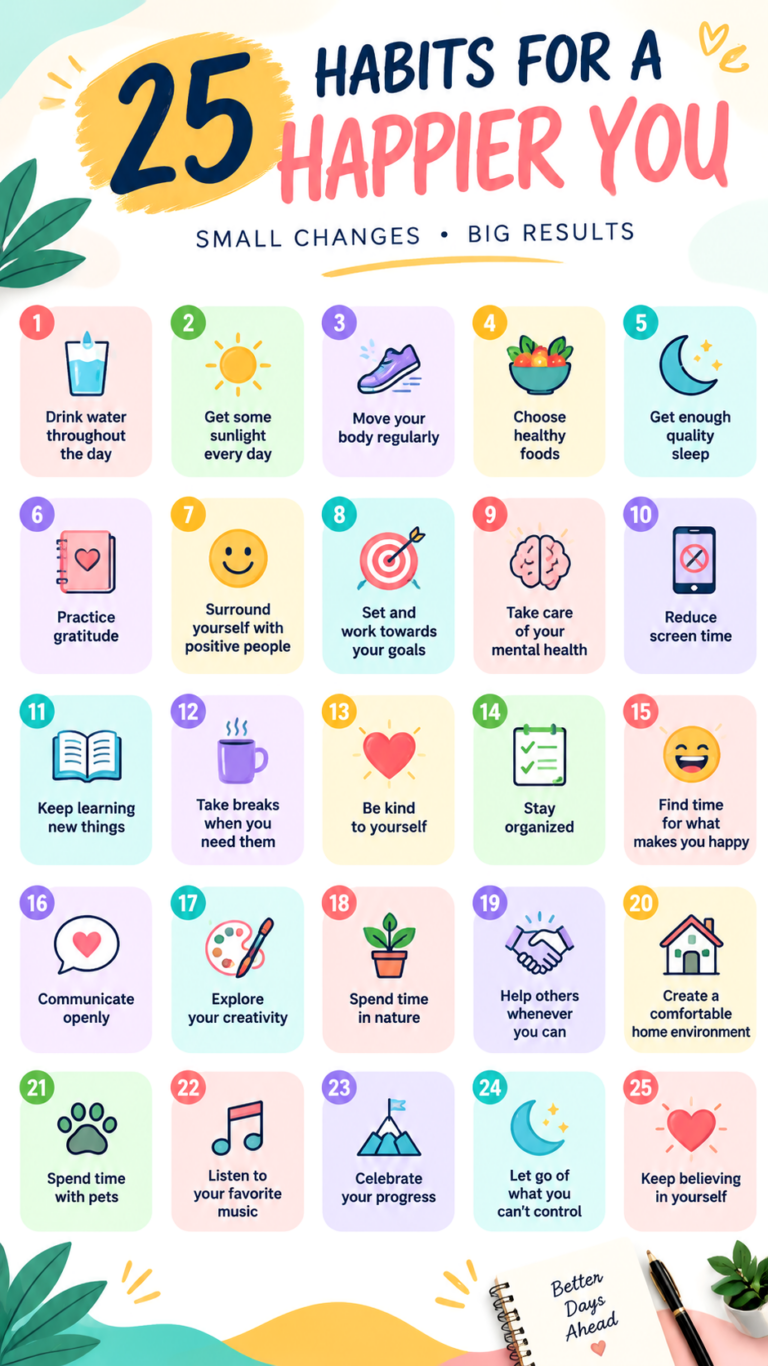
- Start the morning with hydration and a nourishing breakfast.
- Include movement throughout the day, even through short walks.
- Choose balanced meals that include protein and whole ingredients.
- Create moments for relaxation and mental recovery.
- Prioritize a calming evening routine before sleep.
Consistency matters more than intensity. A realistic routine can help you feel more energized and prepared to handle daily challenges.
At a Glance: Simple Cortisol Balance Tips
Quick Points
- Eat nourishing meals with protein and healthy fats.
- Drink enough water throughout the day.
- Move your body regularly.
- Practice relaxation and mindfulness.
- Protect your sleep routine.
Conclusion: Small Habits Can Make a Big Difference
Supporting healthy cortisol levels is about creating balance through everyday choices. Nutrition, hydration, movement, sleep, and stress management all work together to support a healthier lifestyle.
Rather than focusing on quick solutions, focus on building habits that make you feel stronger, calmer, and more energized over time. Small improvements repeated daily can become powerful tools for better wellness and stress balance.
Tags
Cortisol Balance
Stress Management
Healthy Habits
Hormone Balance
Sleep Wellness
Natural Wellness
Self Care Routine