Signs Your Brain Is Overloaded, Not Lazy How to Reset Your Mind
Have you ever looked at your unfinished tasks, lost focus halfway through the day, or felt exhausted even when you have not done much physically? It may not be laziness. Your brain could simply be overloaded. When your mind is carrying too many thoughts, decisions, responsibilities, and distractions, it can become difficult to concentrate, start projects, or maintain motivation.
The idea that “you are not lazy, your brain is busy” is a powerful reminder that mental overload can look very similar to a lack of effort. Understanding the difference can help you create better habits, improve focus, and build a healthier relationship with productivity.
Key Takeaways
- Mental overload can make simple tasks feel overwhelming.
- Difficulty starting projects is often linked to stress and too many thoughts.
- Brain breaks and mindful routines can improve focus and energy.
- Reducing distractions helps create more mental clarity.
- Small daily habits can support a calmer, more productive mind.
Signs Your Brain Is Overloaded, Not Lazy
Many people judge themselves harshly when they struggle to get things done. They may think they lack discipline or motivation, but the real issue can be an overloaded mind. Your brain manages countless pieces of information every day, from work responsibilities and personal goals to social messages and everyday decisions.
When your mental workload becomes too heavy, your brain may slow down as a way to protect itself. This can lead to procrastination, forgetfulness, difficulty making decisions, and feeling emotionally drained.
Important: Feeling stuck does not always mean you lack motivation. Sometimes your brain needs fewer demands, more recovery time, and a clearer plan before it can perform at its best.
1. Too Many Thoughts at Once
A busy mind often feels like having too many browser tabs open. You may be thinking about future plans, unfinished tasks, conversations, responsibilities, and worries all at the same time.
This constant mental activity uses energy. Even when you are sitting still, your brain may be working hard to organize information and solve problems. As a result, you may feel tired before you even begin your day.
2. Difficulty Deciding What to Do
The image highlights a common experience: feeling unsure where to start. When your task list becomes too large, choosing one thing can feel impossible.
This is known as decision fatigue. The more choices your brain has to process, the harder it becomes to take action. Instead of moving forward, you may spend more time thinking about what you should do.
Simple Way to Reduce Decision Overload
- Choose your top three priorities for the day.
- Break large tasks into smaller steps.
- Create simple routines for repeated decisions.
3. Forgetting Things More Often
When your brain is overloaded, remembering small details can become more difficult. You might forget appointments, lose track of ideas, or walk into a room and forget why you went there.
This does not mean your memory is failing. It can simply mean your mind has too much information competing for attention.
Why Mental Overload Makes You Feel Exhausted
Mental exhaustion is different from physical tiredness. You may sleep enough but still wake up feeling drained because your mind has not had enough time to recover.
Constant notifications, multitasking, endless information, and pressure to stay productive can keep your brain in a state of continuous activity.
The Difference Between Laziness and Overload
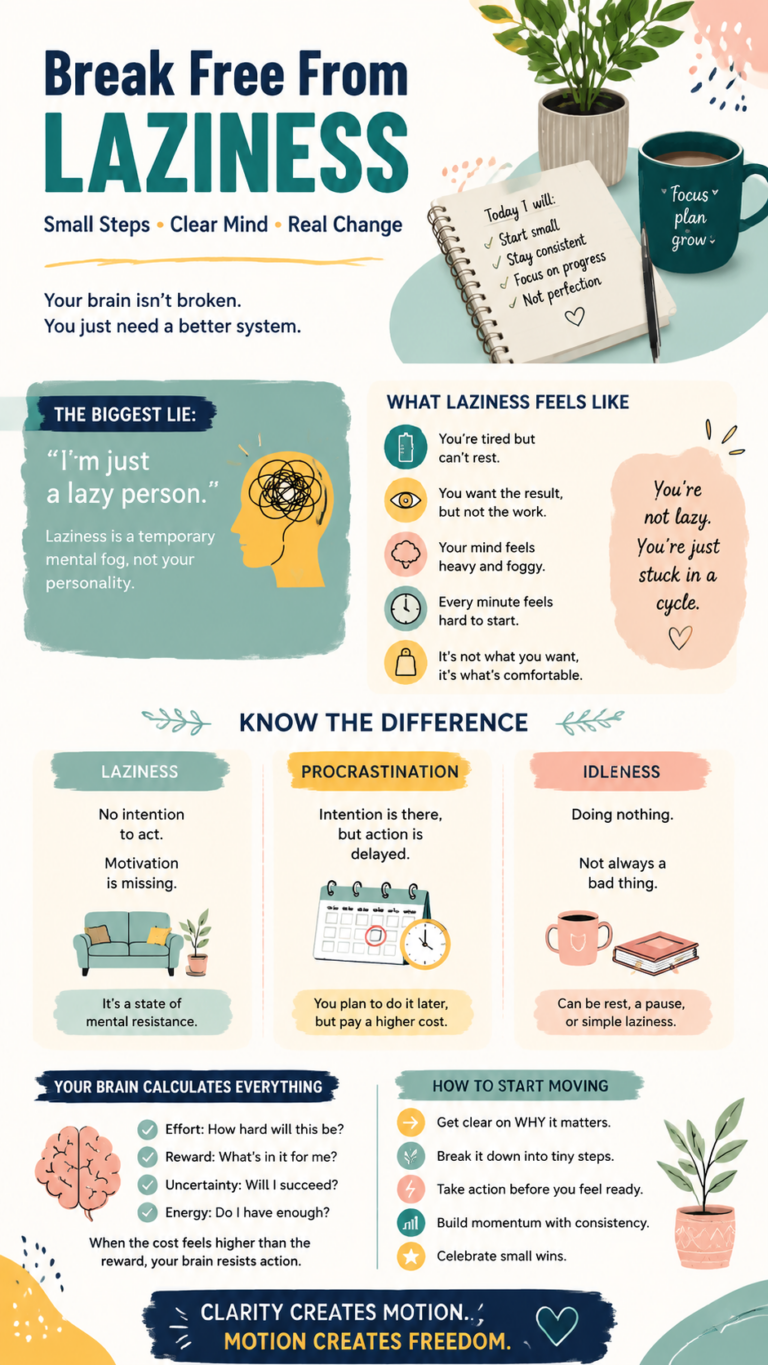
Laziness usually describes a lack of willingness to take action, while mental overload often comes with wanting to do things but feeling unable to begin.
Someone experiencing overload may have goals, plans, and responsibilities but struggle because their mental energy is already stretched too thin.
Recognizing this difference can change the way you respond to yourself. Instead of using negative self-talk, you can focus on creating conditions that support concentration and calm.
How to Reset Your Mind and Improve Focus
Resetting your mind does not require a complete lifestyle change. Small adjustments can help reduce mental clutter and create more space for important tasks.
Take Short Brain Breaks
Your brain needs moments of rest to process information. Short breaks away from screens, work, and constant stimulation can improve your ability to concentrate.
Try taking a few minutes to stretch, breathe deeply, walk outside, or simply sit quietly without consuming new information.
Create a Clear Daily Plan
A simple plan can remove unnecessary mental pressure. Instead of keeping every task in your head, write down what needs attention.
- Choose the most important task first.
- Set realistic goals for the day.
- Leave space for rest and unexpected events.
Reduce Information Overload
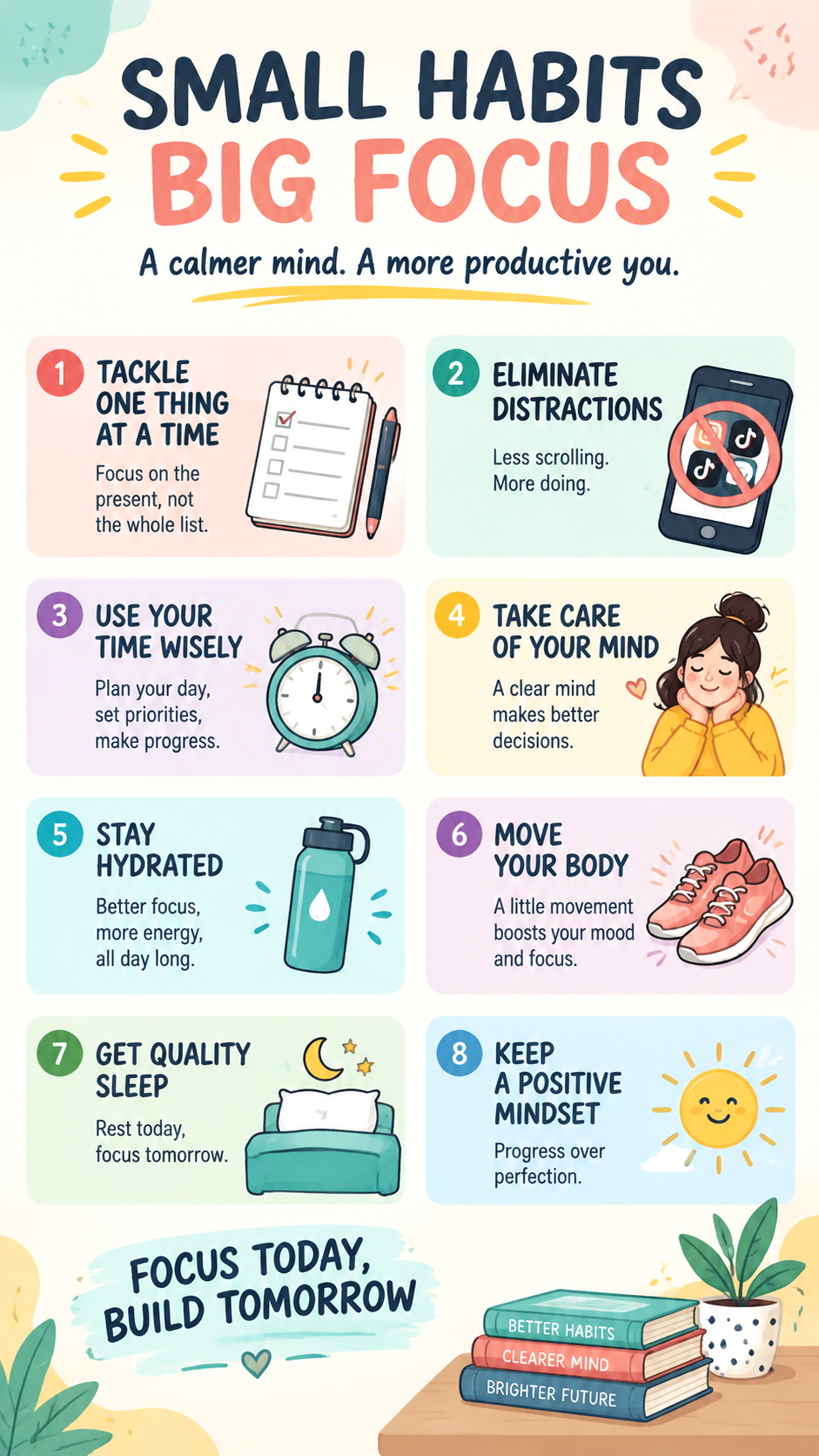
Too much information can make your brain feel crowded. Constant scrolling, notifications, and digital distractions can reduce your ability to focus deeply.
Consider creating quiet periods during the day when you disconnect from unnecessary updates and focus on one activity at a time.
Why This Matters
A clear mind supports better decisions, creativity, and emotional balance. When you understand that mental overload affects productivity, you can replace self-criticism with practical solutions.
Building Healthier Productivity Habits
True productivity is not about doing more every minute. It is about using your energy wisely. A healthier approach focuses on balance, focus, and consistency.
Start by noticing when your brain feels overwhelmed. Instead of pushing harder, ask yourself what your mind needs. Sometimes the answer is a break, a simpler plan, or fewer distractions.
Small Habits That Support Mental Clarity
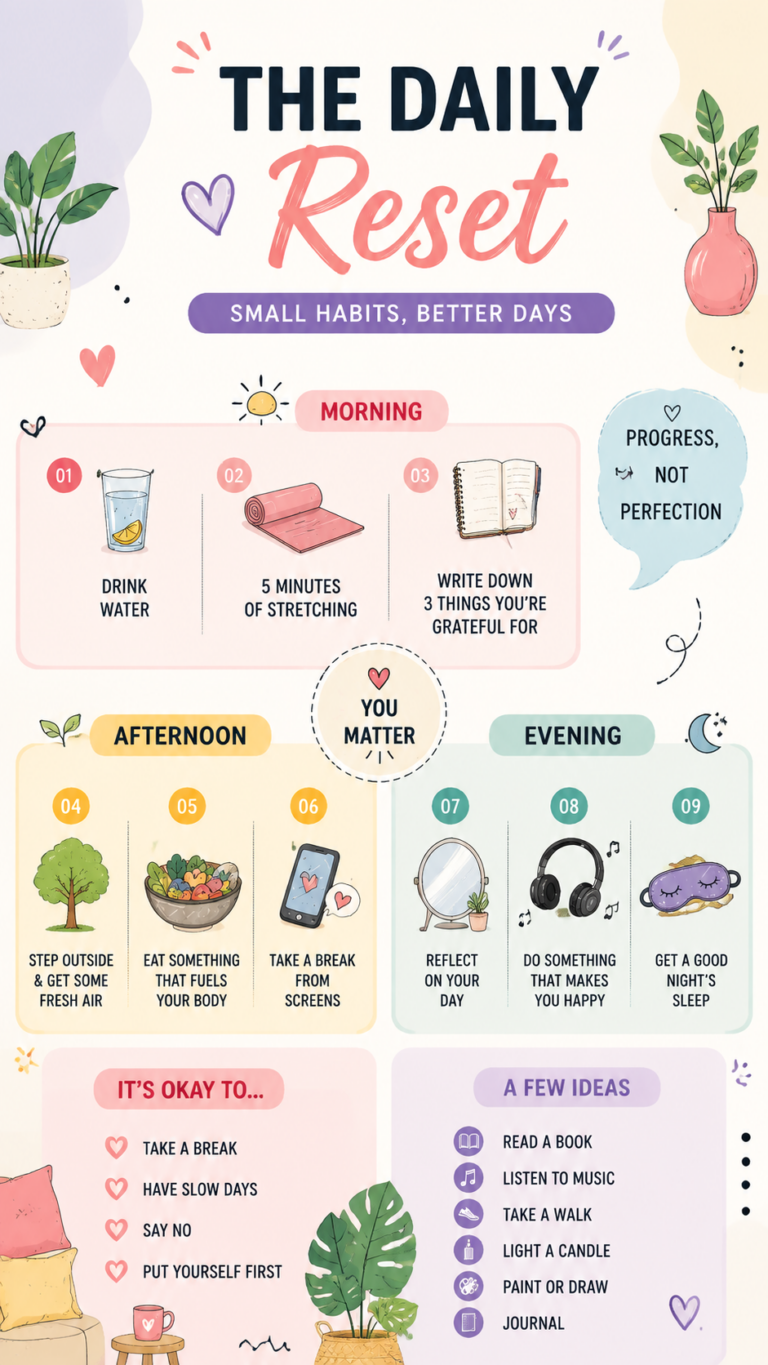
- Keep a simple morning routine.
- Write down thoughts instead of holding everything mentally.
- Practice mindful breathing during stressful moments.
- Celebrate progress instead of focusing only on unfinished tasks.
At a Glance
- A busy brain can feel like laziness.
- Mental overload affects focus and motivation.
- Simple routines can restore clarity.
- Rest is an important part of productivity.
Conclusion: Give Your Brain the Space It Needs
If you feel unmotivated, distracted, or exhausted, remember that the problem may not be laziness. A busy brain needs support, organization, and recovery time.
By recognizing the signs of mental overload and creating simple habits for better focus, you can improve your productivity while protecting your mental energy. A calmer mind makes room for creativity, confidence, and meaningful progress.
Tags
Brain Health
Mental Clarity
Stress Management
Productivity Tips
Self Care
Mindset Growth