Toilet Deep Cleaning Hack Baking Soda Vinegar Method for a Fresh Bathroom Clean
A clean bathroom instantly makes a home feel fresher, more comfortable, and more inviting. Yet one of the most overlooked parts of bathroom maintenance is deep cleaning the toilet. While regular cleaning helps keep surfaces looking tidy, mineral deposits, hidden grime under the rim, stubborn stains, and lingering odors can gradually build up over time. Fortunately, a simple combination of baking soda and white vinegar can help restore freshness and cleanliness without relying on harsh chemicals.
This easy toilet deep cleaning method has become a favorite among homeowners because it uses affordable household ingredients, requires minimal effort, and delivers impressive results. Whether you’re tackling a stained bowl, refreshing your weekly cleaning routine, or simply looking for a more natural cleaning solution, this guide will walk you through everything you need to know.
Key Takeaways
- Baking soda and white vinegar create an effective cleaning reaction that helps loosen grime.
- Regular deep cleaning helps prevent stains, odors, and mineral buildup.
- Scrubbing under the toilet rim is essential for thorough sanitation.
- Allowing the mixture to sit improves cleaning performance.
- Never mix vinegar with bleach.
- A weekly deep clean can keep toilets looking fresh year-round.
Why Toilet Deep Cleaning Matters
The toilet is one of the most frequently used fixtures in any home. Because of constant use, moisture exposure, and mineral-rich water, it naturally becomes a collection point for bacteria, stains, and odors. Surface cleaning helps maintain appearance, but deeper cleaning addresses buildup that often remains hidden.
Hard water stains can form around the bowl, particularly near the waterline. Mineral deposits may accumulate beneath the rim, creating an environment where grime and bacteria thrive. Over time, these deposits can become increasingly difficult to remove if neglected.
Important: Consistent deep cleaning is often easier and more effective than waiting until heavy stains and buildup appear. Small amounts of regular maintenance can prevent major cleaning challenges later.
Beyond appearance, a clean toilet contributes to overall bathroom hygiene. Fresh-smelling bathrooms are more pleasant for household members and guests alike, making regular toilet maintenance an essential part of home care.
The Power of Baking Soda and White Vinegar
Baking soda and white vinegar are two of the most versatile cleaning ingredients found in homes around the world. When combined, they create a fizzing reaction that helps loosen dirt, break apart deposits, and lift grime from surfaces.
Benefits of Baking Soda
- Helps neutralize odors naturally.
- Provides gentle abrasive cleaning action.
- Safe for most household cleaning tasks.
- Affordable and widely available.
Benefits of White Vinegar
- Helps dissolve mineral deposits.
- Supports odor control.
- Cuts through buildup effectively.
- Works well in combination with baking soda.
Together, these ingredients create a simple yet effective cleaning solution that can refresh toilets without exposing your home to stronger chemical cleaners.
What You’ll Need
Before beginning, gather a few basic supplies:
- Baking soda
- White vinegar
- Clean toilet brush
- Protective cleaning gloves
- Cleaning cloth or paper towels
Most households already have these items available, making this cleaning method both convenient and budget-friendly.
Step-by-Step Toilet Deep Cleaning Process
Step 1: Sprinkle Baking Soda Around the Bowl
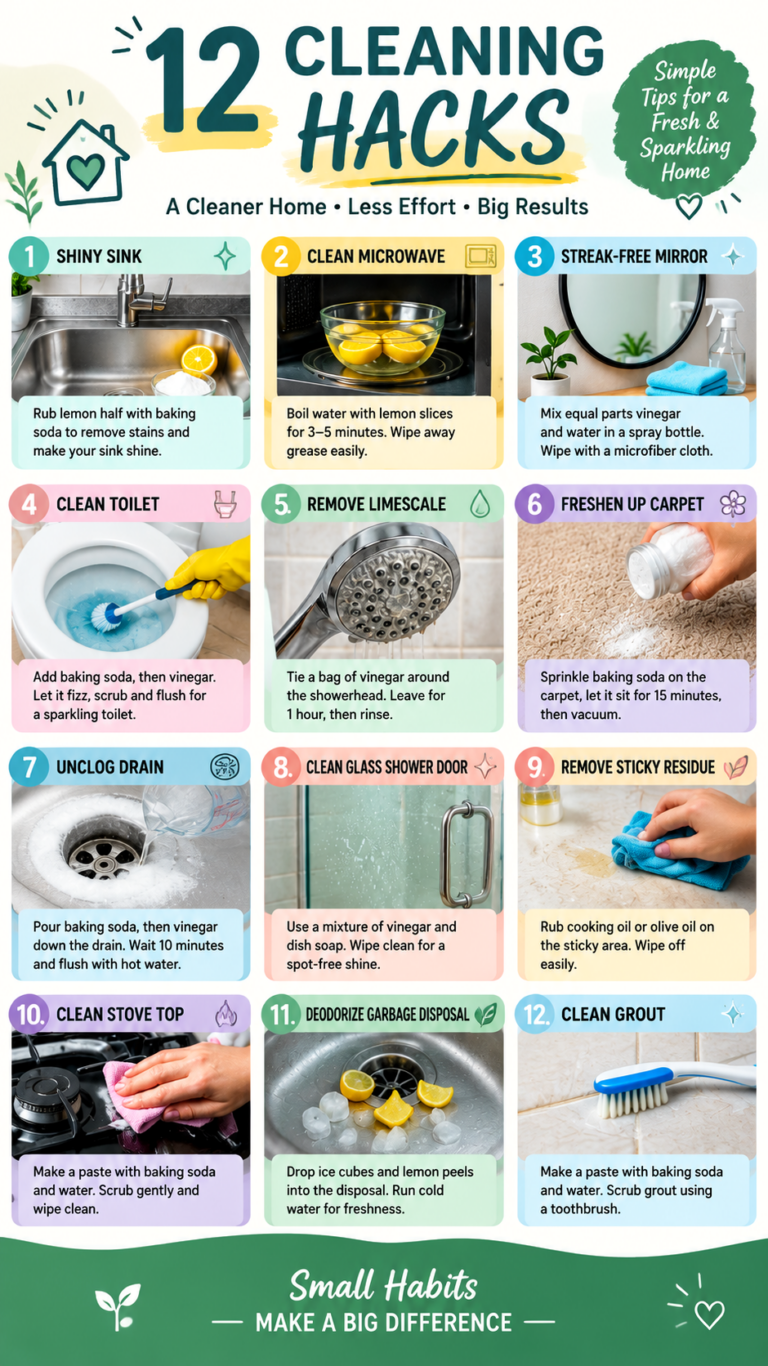
Start by generously sprinkling baking soda throughout the inside of the toilet bowl. Pay special attention to areas where staining is visible. Try to distribute the powder evenly, including beneath the rim where buildup often accumulates.
The baking soda begins working immediately by helping absorb odors and preparing the surface for the next cleaning step.
Step 2: Add White Vinegar
Slowly pour white vinegar over the baking soda. As the two ingredients meet, they will begin to fizz and bubble. This reaction helps loosen deposits and break apart grime that may be clinging to the bowl’s surface.
Ensure that vinegar reaches all treated areas for maximum effectiveness.
Step 3: Allow the Mixture to Sit
Patience is important during this stage. Allow the fizzing mixture to remain in the bowl for approximately 15 to 30 minutes.
During this waiting period, the cleaning ingredients continue working on stains, mineral deposits, and residue.
Expert Insight
- Longer contact time generally improves cleaning performance.
- Focus extra attention on heavily stained areas.
- Regular weekly treatments help prevent future buildup.
Step 4: Scrub Thoroughly
Using a clean toilet brush, scrub the bowl carefully. Concentrate on the waterline, under the rim, and any visible stains.
Many people overlook the underside of the rim, but this area often contains hidden buildup. Taking time to clean this section can significantly improve both cleanliness and freshness.
Pro Tip: Rotate the brush at different angles while cleaning beneath the rim to reach areas that are often missed during routine maintenance.
Step 5: Flush and Wipe Exterior Surfaces
After scrubbing, flush the toilet thoroughly. This removes loosened debris and cleaning residue from the bowl.
Next, wipe the seat, lid, tank handle, and toilet base. These frequently touched areas can accumulate dust, fingerprints, and everyday bathroom grime.
Completing both the interior and exterior cleaning process ensures a truly refreshed fixture.
Removing Stubborn Toilet Stains
Some stains require additional attention. Hard water deposits and long-standing discoloration may not disappear after a single cleaning session.
Overnight Treatment Method
For difficult stains, apply baking soda followed by white vinegar and allow the mixture to remain overnight. The extended contact time can help loosen stubborn deposits more effectively.
In the morning, scrub thoroughly and flush. Repeating the treatment as needed may gradually improve heavily stained areas.
Important: Persistent stains are often easier to manage when treated early. Addressing discoloration quickly prevents buildup from becoming more difficult to remove.
Creating a Weekly Toilet Cleaning Routine
One of the best ways to maintain a fresh bathroom is by establishing a consistent cleaning schedule. A weekly routine keeps stains, odors, and buildup under control before they become major problems.
Weekly Tasks
- Brush the bowl thoroughly.
- Wipe down exterior surfaces.
- Clean the toilet seat and lid.
- Disinfect frequently touched areas.
- Check under the rim for buildup.
Monthly Tasks
- Perform a complete deep clean.
- Inspect for hard water deposits.
- Clean around the toilet base.
- Wash or replace cleaning tools if needed.
A consistent routine reduces cleaning time while helping maintain a healthier bathroom environment.
Common Toilet Cleaning Mistakes to Avoid
Ignoring the Rim
Many people focus only on visible surfaces. Hidden buildup beneath the rim can contribute to odors and staining if left untreated.
Rushing the Process
Allowing the cleaning mixture time to work often produces better results than immediate scrubbing.
Neglecting Exterior Surfaces
A sparkling bowl alone does not guarantee a clean toilet. Handles, lids, and bases should be cleaned regularly as part of the overall process.
Using Dirty Cleaning Tools
Toilet brushes should be cleaned and allowed to dry properly. Reusing heavily soiled tools can spread bacteria rather than remove it.
Essential Safety Reminders
Although baking soda and vinegar are commonly used household products, safe cleaning practices remain important.
- Wear protective gloves during cleaning.
- Keep cleaning products away from children and pets.
- Ensure adequate bathroom ventilation.
- Follow product instructions when using commercial cleaners.
- Never mix vinegar with bleach.
Safety Alert: Mixing vinegar and bleach can create dangerous fumes. Always use these products separately and rinse thoroughly before introducing any different cleaning agent.
Benefits of Natural Bathroom Cleaning Methods
Many homeowners appreciate natural cleaning approaches because they are simple, accessible, and cost-effective. Ingredients like baking soda and vinegar are often already available in the kitchen, eliminating the need for specialized products.
Natural cleaning methods can also simplify storage, reduce clutter under sinks, and provide a practical option for routine maintenance tasks.
While some situations may require stronger cleaners, everyday toilet care often benefits from these straightforward household solutions.
At a Glance
- Use baking soda and vinegar for routine toilet deep cleaning.
- Allow the mixture to sit for 15 to 30 minutes.
- Scrub thoroughly under the rim.
- Clean both interior and exterior surfaces.
- Repeat weekly for best results.
Conclusion
Keeping a toilet clean does not have to be complicated or expensive. With a few simple household ingredients, a toilet brush, and a consistent cleaning routine, it is possible to maintain a fresher, cleaner bathroom throughout the year.
Baking soda and white vinegar work together to help loosen grime, combat odors, and tackle everyday buildup. Combined with regular scrubbing and proper maintenance, this straightforward approach can make a noticeable difference in bathroom cleanliness.
Whether you’re refreshing your weekly cleaning schedule or addressing stubborn stains, this toilet deep cleaning hack offers a practical and effective solution that is easy to incorporate into your home care routine.
Tags
Toilet Cleaning Bathroom Cleaning Cleaning Hacks Deep Cleaning Baking Soda Cleaning White Vinegar Home Cleaning Tips Bathroom Hygiene