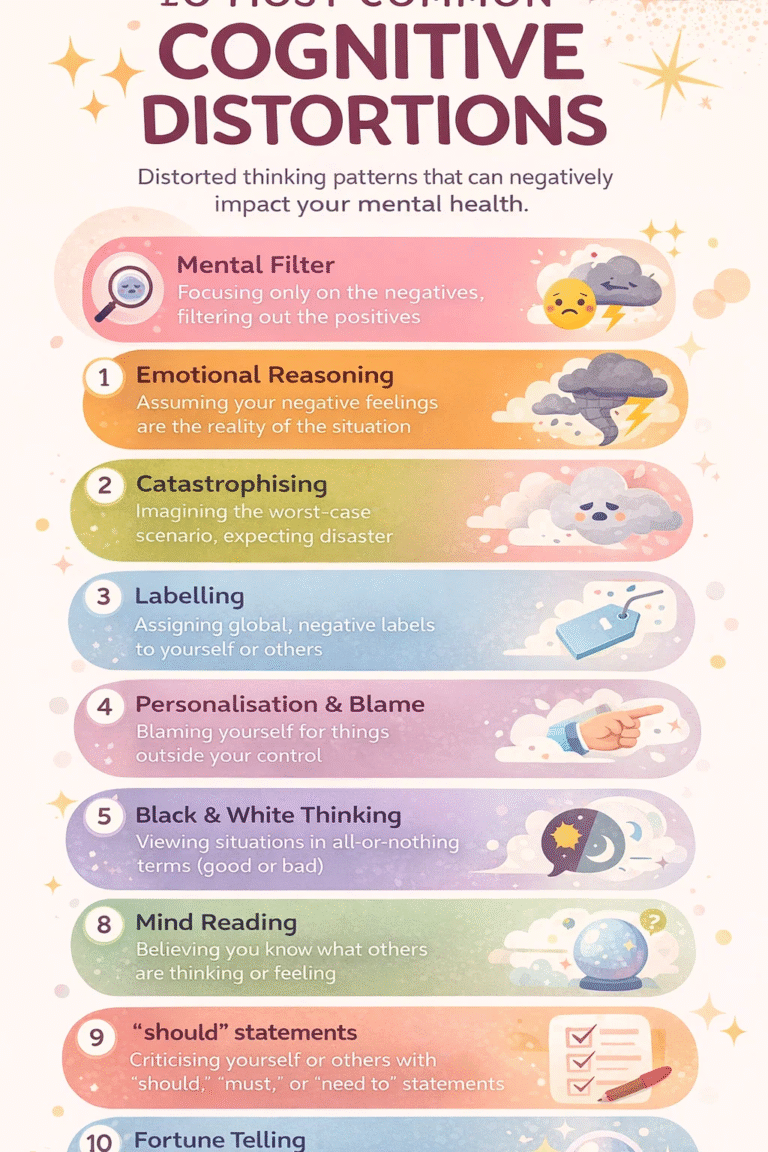
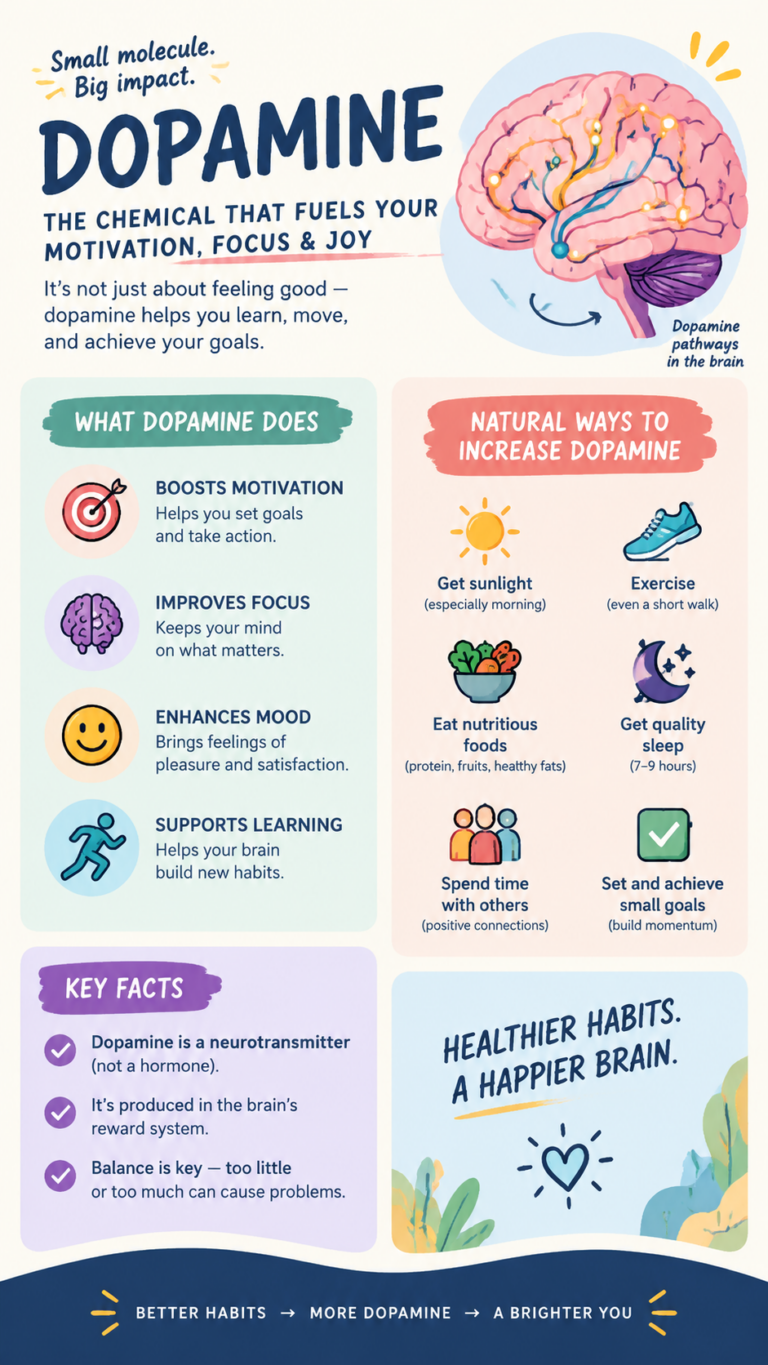
Why Women Overthink So Much 12 Common Reasons Practical Tips to Stop Overthinking
Overthinking is something many people experience, but it is often discussed in relation to women because of the unique combination of emotional awareness, social expectations, personal experiences, and daily responsibilities that can contribute to repeated mental loops. While every individual is different, understanding the common reasons behind overthinking can help create healthier habits and a more balanced mindset. Instead of viewing overthinking as a personal flaw, it is far more helpful to recognize it as a pattern that can be managed with awareness, self-compassion, and practical strategies.
Whether your thoughts revolve around relationships, work, family, or future decisions, learning why your mind tends to revisit situations can be the first step toward breaking the cycle. This guide explores the most common causes of overthinking and shares practical techniques that encourage confidence, emotional resilience, and mental clarity.
Key Takeaways
- Overthinking is influenced by emotional, psychological, and environmental factors.
- Recognizing common triggers makes it easier to interrupt negative thought patterns.
- Simple daily habits can improve emotional well-being and reduce mental overload.
- Building self-trust helps minimize second-guessing and unnecessary worry.
- Consistent self-care creates a healthier relationship with your thoughts.
Understanding the Nature of Overthinking
Overthinking happens when the mind repeatedly analyzes situations, conversations, or decisions without reaching a satisfying conclusion. Instead of producing useful solutions, excessive thinking often creates stress, uncertainty, and emotional exhaustion.
Many people mistake overthinking for careful planning. While thoughtful reflection is valuable, healthy thinking eventually leads to action. Overthinking keeps the mind trapped in endless “what if” scenarios that rarely improve outcomes.
Important: Recognizing that overthinking is a habit rather than a permanent personality trait makes it much easier to change. Small adjustments in daily routines can gradually retrain the brain toward calmer, more productive thinking.
Common Reasons Women May Overthink
1. A Naturally Analytical Mindset
Many women naturally spend time processing emotions, conversations, and experiences in greater depth. This ability often strengthens empathy, communication, and problem-solving, but it can also encourage prolonged analysis when answers are unclear.
2. Increased Sensitivity to Stress
Stress affects everyone differently. Busy schedules, emotional responsibilities, and constant demands can increase mental pressure, making it more difficult to switch off racing thoughts at the end of the day.
3. Fear of Making the Wrong Decision
Whether choosing a career path, making financial decisions, or navigating relationships, fear of making mistakes often encourages endless comparison between options.
- Considering every possible outcome.
- Replaying conversations repeatedly.
- Seeking perfect certainty before taking action.
- Avoiding decisions because every option feels risky.
4. High Personal Expectations
Many women place enormous expectations on themselves to excel professionally, maintain healthy relationships, support loved ones, and manage countless responsibilities. The pressure to perform well across every area of life can fuel continuous mental review.
5. Past Experiences
Previous disappointments, failures, or emotionally difficult situations can influence future thinking. The brain naturally tries to prevent similar experiences from happening again by reviewing possible risks.
Why This Matters
- Past experiences shape future thinking patterns.
- Awareness allows healthier responses instead of automatic worry.
- Self-compassion reduces unnecessary emotional pressure.
6. Feeling Responsible for Everyone
Taking responsibility for family members, coworkers, friends, or children can create emotional overload. When someone constantly worries about everyone else’s well-being, their own mental energy becomes depleted.
7. Seeking Validation
Wondering whether others approve of decisions or opinions often leads to replaying conversations long after they have ended. Building internal confidence gradually reduces this habit.
Pro Tip: Before replaying a conversation, ask yourself whether the thought is helping you solve a problem or simply keeping you stuck. This simple question can interrupt repetitive thinking.
8. Low Self-Trust
When confidence is limited, even small choices can feel overwhelming. Doubting personal judgment encourages repeated reconsideration instead of decisive action.
9. Constant “What If” Thinking
The mind often tries to prepare for every possible outcome. Unfortunately, preparing for unlikely situations rarely reduces anxiety. Instead, it usually creates additional worries that never become reality.
10. Strong Emotional Awareness
Being emotionally intelligent is a valuable strength. However, deeply understanding your own emotions and those of others sometimes means carrying emotional weight that does not belong to you.
11. Social Expectations
Modern society often sends conflicting messages about success, appearance, relationships, parenting, careers, and personal achievement. Trying to satisfy every expectation creates unnecessary mental pressure.
12. Spending Too Much Time Alone With Your Thoughts
Quiet reflection is healthy, but extended periods without positive distractions or meaningful social interaction may allow worries to grow larger than they really are.
Signs That Overthinking Is Affecting Your Daily Life
- Difficulty making simple decisions.
- Replaying conversations repeatedly.
- Trouble falling asleep because your mind stays active.
- Constant self-criticism.
- Feeling mentally exhausted despite limited physical activity.
- Difficulty enjoying the present moment.
Important: Everyone overthinks occasionally. The goal is not to eliminate thoughtful reflection but to recognize when thinking stops being productive and starts increasing stress.
Practical Ways to Break the Overthinking Cycle
Practice Self-Compassion
Treat yourself with the same kindness you would offer a close friend. Mistakes are part of learning and growth.
Write Your Thoughts Down
Journaling helps organize racing thoughts and reduces mental clutter. Seeing worries on paper often makes them feel more manageable.
Set Time Limits for Worrying
Allow yourself a limited period to think about a problem before shifting your attention toward action or another activity.
Strengthen Self-Confidence
Celebrate small achievements, trust previous successes, and remind yourself that perfection is not necessary for good decisions.
Focus on What You Can Control
Redirect your energy toward actions within your influence instead of worrying about uncertain outcomes.
Talk to Someone You Trust
Sharing concerns with supportive friends or family members often provides fresh perspectives that reduce unnecessary worry.
Take Care of Your Body
Healthy sleep, balanced nutrition, regular exercise, hydration, and relaxation practices all support emotional well-being and clearer thinking.
Building Long-Term Mental Resilience
Reducing overthinking does not happen overnight. Like any habit, it changes gradually through consistent practice. Each small improvement strengthens confidence and teaches the brain that uncertainty can be handled without endless mental review.
Healthy routines, realistic expectations, meaningful relationships, and intentional self-care all contribute to greater emotional resilience. Over time, these habits replace repetitive worry with calmer, more balanced thinking.
Quick Points
- Identify your personal overthinking triggers.
- Replace perfection with progress.
- Practice daily mindfulness and self-care.
- Trust yourself to make thoughtful decisions.
- Focus on action instead of endless analysis.
Conclusion
Overthinking is often rooted in care, responsibility, emotional awareness, and the desire to make good decisions. While these qualities are valuable, they become overwhelming when left unchecked. By understanding the common causes of overthinking and practicing healthy coping strategies, it becomes possible to quiet mental noise, build stronger self-confidence, and enjoy greater peace of mind.
Remember that progress comes through consistent habits rather than perfect results. Every step toward greater self-awareness and emotional balance helps create a healthier relationship with your thoughts and allows you to approach life with more confidence, clarity, and resilience.
Tags
Overthinking Mental Wellness Women’s Mental Health Self Care Mindset Emotional Health Stress Management Personal Growth