Why You Feel Bloated 3 Hidden Causes and Simple Ways to Reduce Bloating Fast
Bloating can make even your favorite outfit feel uncomfortable. One day your stomach feels flat, and the next it seems swollen without any major changes to your routine. While many people assume that bloating always comes from eating too much, the reality is often more complex. Everyday habits, hydration, digestion, and even your sodium intake can all influence how your stomach looks and feels.
Understanding the most common causes of bloating is the first step toward finding lasting relief. Instead of chasing quick fixes, it helps to recognize what your body is trying to tell you. By making small adjustments to your lifestyle, you may notice significant improvements in your digestive comfort and overall well-being.
Key Takeaways
- Bloating is not always caused by eating too much food.
- Water retention can temporarily increase abdominal fullness.
- Poor digestion and constipation are common contributors.
- High sodium intake often leads to fluid retention.
- Simple lifestyle habits can reduce bloating naturally.
- Long-lasting or severe bloating should be evaluated by a healthcare professional.
What Is Bloating?
Bloating refers to a feeling of fullness, pressure, or swelling in the abdomen. Sometimes the stomach visibly expands, while other times the discomfort is noticeable even without significant changes in appearance.
Many factors can contribute to bloating. Some are temporary and harmless, while others may indicate digestive issues that deserve more attention. Knowing the difference can help you make better choices about your diet and daily habits.
Important: Bloating is a symptom rather than a disease. Identifying the underlying cause is far more effective than simply trying to hide or ignore the discomfort.
Common Causes of Bloating
1. Water Retention
Water retention is one of the most overlooked reasons for a bloated stomach. Your body naturally stores water to maintain proper balance, but several factors can cause it to retain more fluid than usual.
- Eating too much sodium
- Not drinking enough water
- Hormonal fluctuations
- Eating large amounts of refined carbohydrates
- Long periods of sitting or inactivity
Ironically, dehydration can actually increase water retention. When your body senses a lack of fluids, it conserves water instead of releasing it.
How to Reduce Water Retention
- Drink water consistently throughout the day.
- Reduce processed foods that are high in sodium.
- Eat potassium-rich foods like bananas, spinach, and sweet potatoes.
- Stay physically active.
- Aim for adequate sleep each night.
2. Digestive Issues
Your digestive system plays a major role in how your stomach feels after meals. Slow digestion can cause food to remain in the digestive tract longer, increasing gas production and abdominal pressure.
Several digestive concerns may contribute to bloating, including:
- Constipation
- Eating too quickly
- Poor gut bacteria balance
- Food sensitivities
- Low fiber or sudden increases in fiber intake
When food is not digested efficiently, bacteria naturally ferment certain carbohydrates. This process produces gas, leading to bloating and discomfort.
Why This Matters
- Healthy digestion supports better nutrient absorption.
- Regular bowel movements often reduce abdominal pressure.
- Mindful eating can decrease excess air swallowing during meals.
3. High Salt Intake
Salt is essential for health, but consuming too much can quickly increase water retention. Many packaged foods contain far more sodium than most people realize.
Common high-sodium foods include:
- Fast food
- Canned soups
- Processed meats
- Frozen meals
- Salty snacks
- Restaurant meals
Even if you rarely add salt at the table, hidden sodium from processed foods can significantly affect your body’s fluid balance.
Pro Tip: Reading nutrition labels can help you spot hidden sodium sources. Preparing more meals at home gives you greater control over your salt intake while supporting healthier digestion.
Other Factors That Can Cause Bloating
Hormonal Changes
Hormonal fluctuations can affect fluid balance and digestion. Many people notice increased bloating during certain times of the menstrual cycle due to normal hormonal shifts.
Eating Too Fast
Rapid eating often causes you to swallow extra air. Combined with larger meal portions, this can leave your stomach feeling overly full long after you’ve finished eating.
Carbonated Drinks
Soft drinks, sparkling water, and other carbonated beverages contain dissolved gas that may temporarily increase abdominal pressure in sensitive individuals.
Stress
The digestive system and nervous system are closely connected. Chronic stress can slow digestion, alter gut function, and contribute to digestive discomfort.
Natural Ways to Reduce Bloating
Stay Hydrated
Drinking enough water helps support healthy digestion while encouraging your body to release excess fluids.
Increase Physical Activity
Even a short walk after meals may encourage healthy digestion and reduce feelings of fullness.
Eat Slowly
Taking your time while eating allows your digestive system to work more efficiently and reduces swallowed air.
Balance Your Fiber Intake
Fiber supports digestive health, but increasing it too quickly can temporarily increase gas production. Introduce high-fiber foods gradually while increasing water intake.
Reduce Highly Processed Foods
Whole foods generally contain less sodium and fewer additives than heavily processed meals, making them a better choice for long-term digestive health.
Important: Consistency matters more than perfection. Small daily improvements such as drinking enough water, choosing whole foods, and staying active often have a greater impact than extreme diets or temporary detox plans.
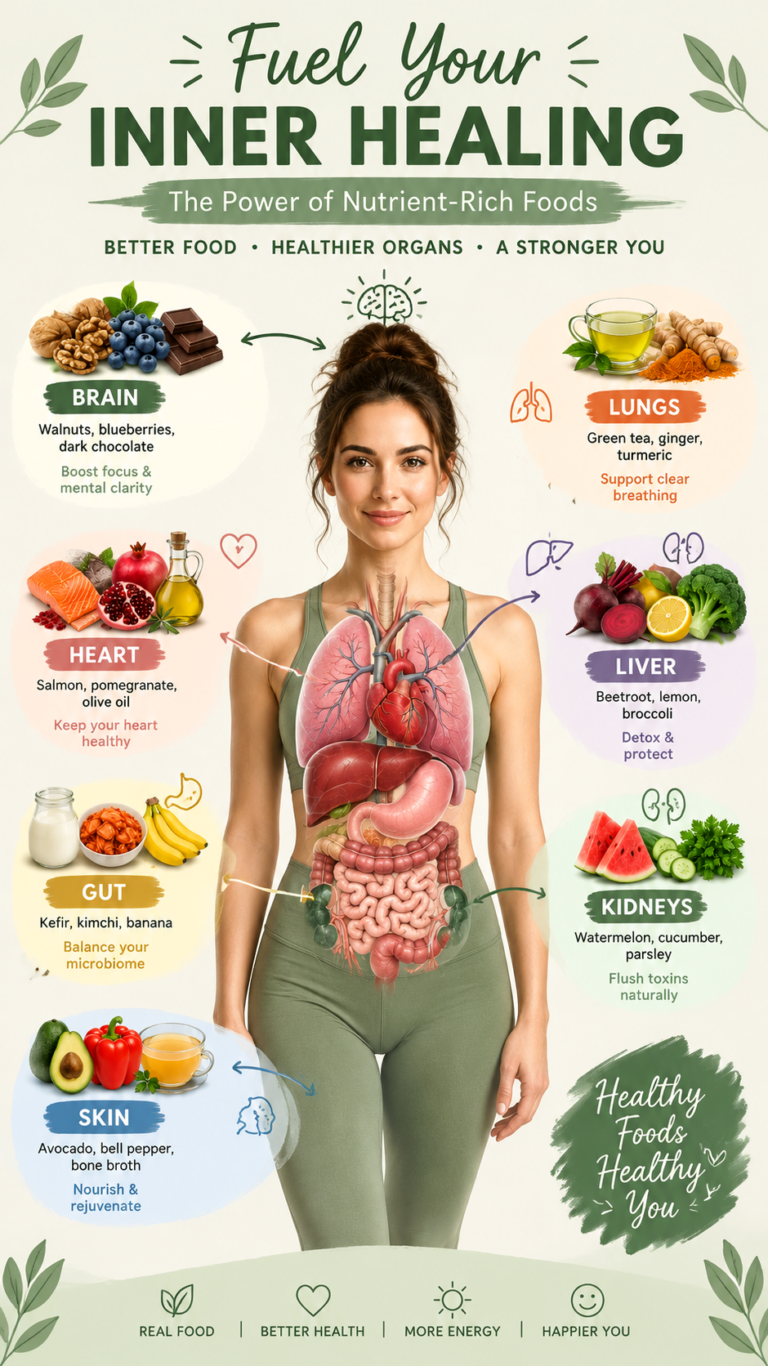
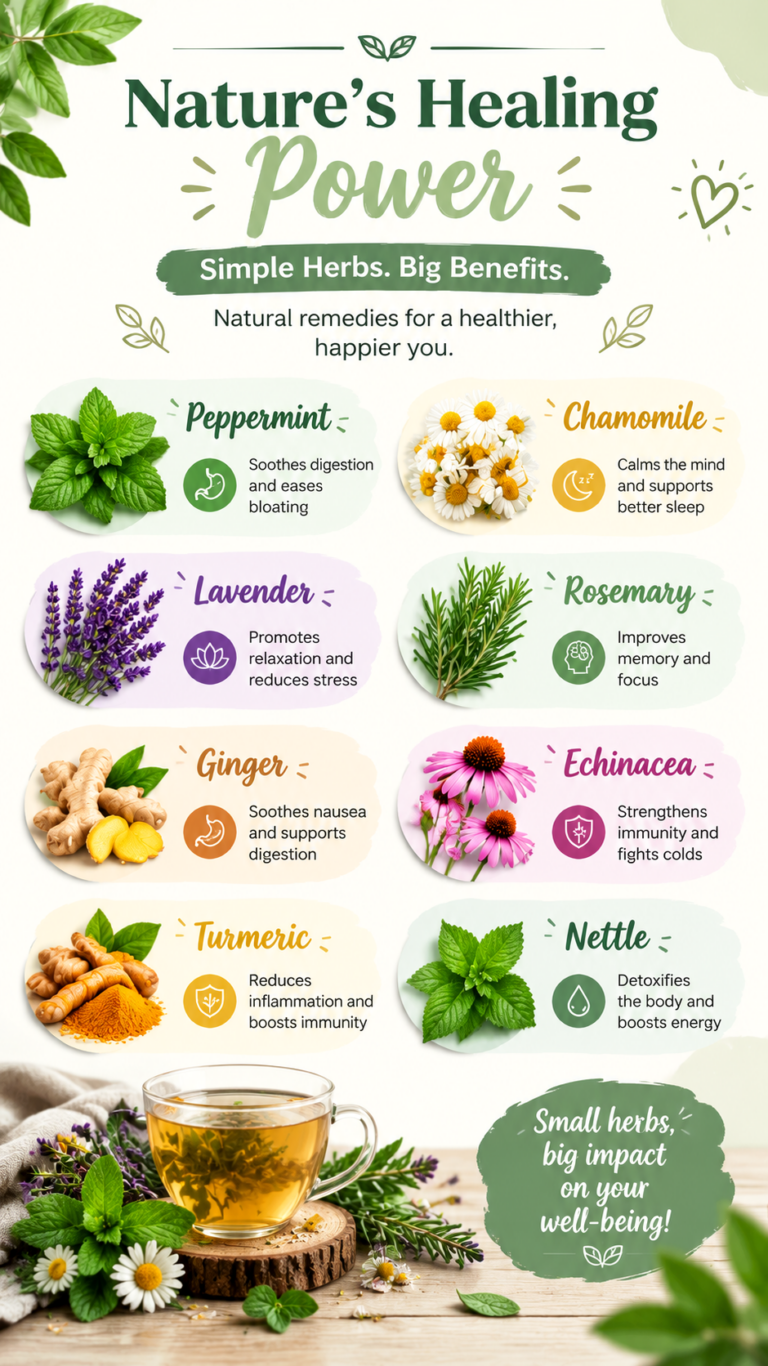
Foods That May Help Support Digestion
- Yogurt with live cultures
- Kiwi
- Papaya
- Oats
- Leafy greens
- Cucumber
- Ginger
- Peppermint tea
While these foods may support healthy digestion for many people, everyone’s digestive system responds differently. Pay attention to how your body reacts and adjust your diet accordingly.
Lifestyle Habits That Make a Difference
- Maintain regular meal times.
- Get sufficient sleep.
- Exercise most days of the week.
- Manage daily stress.
- Avoid overeating at a single meal.
- Drink water throughout the day instead of all at once.
When Should You See a Healthcare Professional?
Occasional bloating is common, but persistent symptoms should not be ignored. If bloating becomes frequent, severe, or occurs alongside unexplained weight loss, blood in the stool, severe abdominal pain, persistent vomiting, or prolonged constipation, seek medical advice promptly.
A healthcare provider can determine whether digestive disorders, food intolerances, or other medical conditions may be contributing to your symptoms.
At a Glance
- Drink enough water every day.
- Limit excess sodium from processed foods.
- Eat slowly and chew thoroughly.
- Stay physically active.
- Monitor recurring digestive symptoms.
Conclusion
Bloating is incredibly common, but it is not always a sign that you’ve simply eaten too much. Water retention, digestive health, sodium intake, eating habits, and everyday lifestyle choices all influence how your stomach feels. By identifying your personal triggers and making gradual, sustainable changes, you can often reduce bloating naturally and improve your overall digestive comfort.
Instead of focusing solely on temporary appearance, prioritize habits that support long-term wellness. Hydration, balanced nutrition, regular movement, mindful eating, and paying attention to your body’s signals are powerful tools for maintaining a healthier digestive system and feeling your best every day.
Tags
Bloating Relief Digestive Health Water Retention Healthy Eating Gut Health Nutrition Tips Reduce Bloating Healthy Lifestyle