Why Your Hair Wont Absorb Products 6 Reasons Your Hair Still Feels Dry Frizzy
Have you ever applied a moisturizing mask, nourishing oil, or leave-in conditioner only to find that your hair still feels dry, rough, or lifeless? It can be incredibly frustrating, especially when you’re investing time and money into quality hair care products. The truth is that healthy hair is not only about the products you use. It is also about how effectively your hair absorbs the ingredients designed to nourish and protect it.
Many people assume that dry hair automatically needs more products, but the real issue often lies beneath the surface. Hair that cannot properly absorb moisture or nutrients may have buildup, damaged cuticles, poor application habits, or an imbalance in its overall care routine. Once you understand why your hair is resisting products, it becomes much easier to make meaningful improvements.
Key Takeaways
- Hair product buildup can prevent moisture and nutrients from reaching the hair shaft.
- Hair porosity plays a major role in how well products penetrate your strands.
- Applying products to slightly damp hair often improves absorption.
- Balanced moisture and protein help maintain healthy, flexible hair.
- Proper product distribution ensures every strand receives care.
Why Hair Sometimes Rejects Products
Hair is covered by tiny overlapping layers called the cuticle. When these layers are healthy and functioning properly, they allow moisture to move in while helping retain hydration. When the cuticle becomes damaged or blocked, products may simply coat the outside instead of penetrating the hair.
Important: If your hair consistently feels coated, greasy, or dry despite using quality products, the problem may not be your products at all. Improving your hair’s ability to absorb moisture is often more effective than buying additional treatments.
Understanding the causes behind poor product absorption allows you to adjust your routine with confidence instead of relying on trial and error.
1. Product Buildup Creates a Barrier
One of the most common reasons hair fails to absorb products is product buildup. Styling creams, gels, hairsprays, dry shampoos, oils, and silicones can accumulate over time. Hard water minerals and environmental pollutants can add another layer of residue.
Instead of entering the hair shaft, fresh products remain trapped on top of these layers. This creates the illusion that your products are ineffective when the real issue is that your hair needs a proper reset.
Signs of Product Buildup
- Hair feels heavy even after washing.
- Products sit on the surface instead of soaking in.
- Hair appears dull or flat.
- Scalp feels itchy or oily shortly after cleansing.
- Conditioners seem less effective over time.
Using a clarifying shampoo every few weeks can remove accumulated residue and restore your hair’s ability to absorb moisture more efficiently.
2. High Porosity Hair Behaves Differently
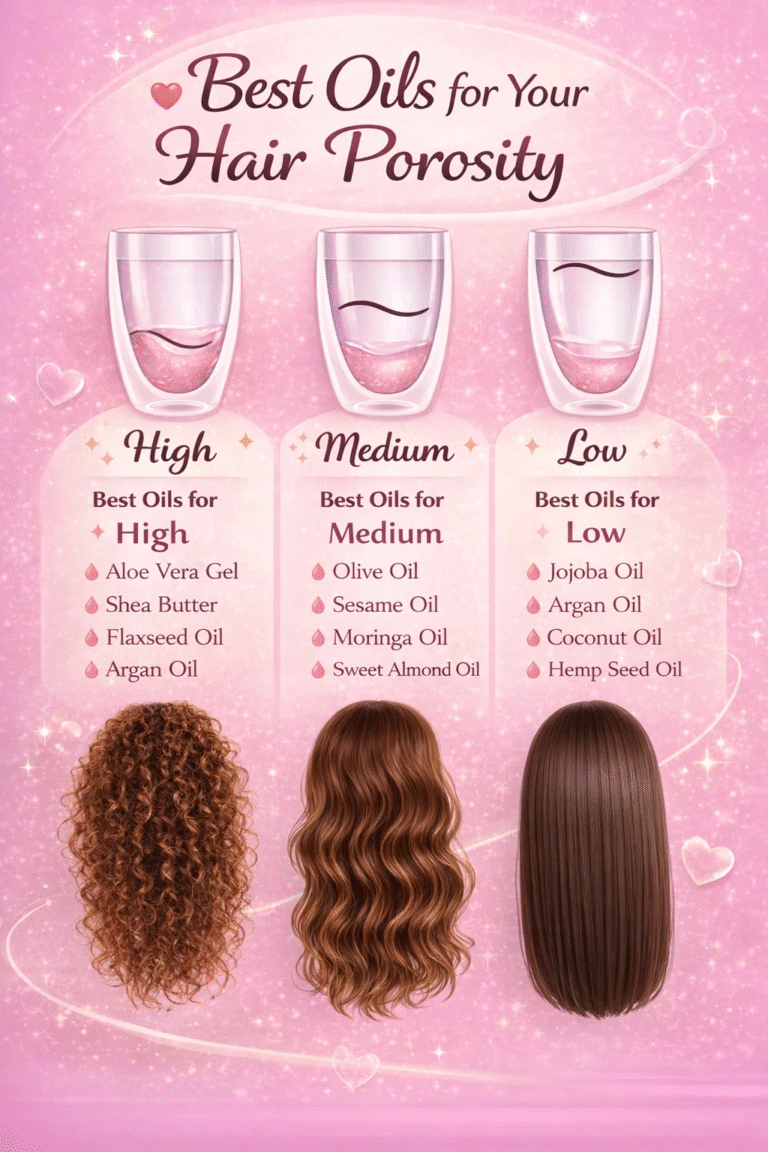
Hair porosity describes how easily moisture moves into and out of the hair shaft. High porosity hair typically has lifted or damaged cuticles, making it difficult to retain hydration.
While products may initially seem to absorb quickly, moisture often escapes just as fast. This leaves hair feeling dry again within a short period.
Common Causes of High Porosity
- Heat styling
- Bleaching
- Chemical treatments
- Excessive coloring
- Environmental damage
People with high porosity hair often benefit from layering lightweight hydration first and sealing it with richer creams or oils to reduce moisture loss.
Expert Insight
Hair porosity is one of the biggest factors influencing product performance. The same conditioner can produce dramatically different results depending on whether your hair has low, medium, or high porosity.
3. Applying Products to Dry Hair
Water acts as an important carrier that helps many conditioners, leave-in treatments, and moisturizing products spread evenly across the hair.
When hair is completely dry, products often struggle to move through the strands. Instead, they remain concentrated on the surface.
Pro Tip: Apply moisturizing products to freshly washed, towel-dried hair while it is still slightly damp. This simple habit often improves hydration without changing your entire routine.
Ideal Moisture Level
Your hair should not be dripping wet, but it should still contain enough moisture to help products distribute evenly from roots to ends.
4. Too Much Protein Can Reduce Flexibility
Protein treatments strengthen damaged hair, but balance is essential. Excessive protein can leave hair feeling stiff, brittle, and resistant to moisture.
If your routine includes multiple protein-rich products, your strands may become overloaded. Instead of improving strength, they may become less flexible and harder to hydrate.
Finding the Right Balance
Alternate strengthening treatments with moisturizing masks. Healthy hair usually needs both protein and hydration rather than an excess of either.
5. Heat Damage Changes Hair Structure
Frequent use of flat irons, curling irons, and high-temperature blow dryers can permanently affect the outer cuticle.
Damaged cuticles become uneven and rough, reducing the hair’s ability to absorb and retain beneficial ingredients.
Whenever possible:
- Lower styling temperatures.
- Use heat protectant products.
- Limit daily heat styling.
- Allow hair to air dry occasionally.
Small changes in heat habits often produce noticeable improvements over time.
6. Uneven Product Distribution
Even excellent products cannot perform well if they are concentrated in only one area of your hair.
Long, thick, curly, or textured hair especially benefits from sectioning during application.
Simple Distribution Tips
- Divide hair into manageable sections.
- Work products from mid-lengths toward the ends.
- Use fingers or a wide-tooth comb for even coverage.
- Add additional product only where needed.
This approach minimizes waste while helping every strand receive nourishment.
How to Improve Product Absorption Naturally
Improving hair absorption rarely requires an expensive routine. Consistency and proper technique often make a much bigger difference.
Clarify Regularly
Removing buildup allows conditioners and treatments to work more effectively. Choose a clarifying shampoo occasionally while avoiding excessive use that could dry the scalp.
Use Products in the Correct Order
Start with lightweight leave-in products, follow with creams if needed, and finish with oils to help lock moisture into the hair.
Pay Attention to Ingredients
Some hair types respond better to lightweight formulas, while others benefit from richer moisturizing ingredients. Experiment gradually rather than introducing several new products at once.
Important: Consistency matters more than complexity. A simple routine followed regularly usually delivers better long-term results than constantly switching between products.
Creating a Healthy Hair Routine
An effective routine focuses on maintaining clean hair, balanced hydration, gentle styling habits, and proper application techniques.
- Cleanse your scalp thoroughly.
- Clarify when buildup becomes noticeable.
- Apply conditioner evenly.
- Use leave-in products on damp hair.
- Seal moisture when appropriate.
- Reduce unnecessary heat exposure.
- Trim damaged ends regularly.
Over time, these habits help your hair become softer, smoother, and more responsive to the products you use.
At a Glance
- Clarify hair to remove buildup.
- Apply products to damp hair for better absorption.
- Balance protein and moisture treatments.
- Reduce heat damage whenever possible.
- Distribute products evenly through every section.
Conclusion
If your hair never seems to respond to conditioners, masks, or oils, the solution may not be buying more products. Instead, focus on improving your hair’s ability to absorb what you already use. Removing buildup, understanding hair porosity, applying products correctly, balancing moisture and protein, and protecting your strands from excessive heat can dramatically improve results.
Healthy, hydrated hair is built through consistent care rather than quick fixes. By making a few thoughtful adjustments to your routine, you can help your hair absorb moisture more effectively, improve softness and shine, and enjoy products that finally perform the way they were intended.
Tags
Hair Care Dry Hair Hair Porosity Product Buildup Healthy Hair Hair Routine Moisture Retention Natural Hair Care