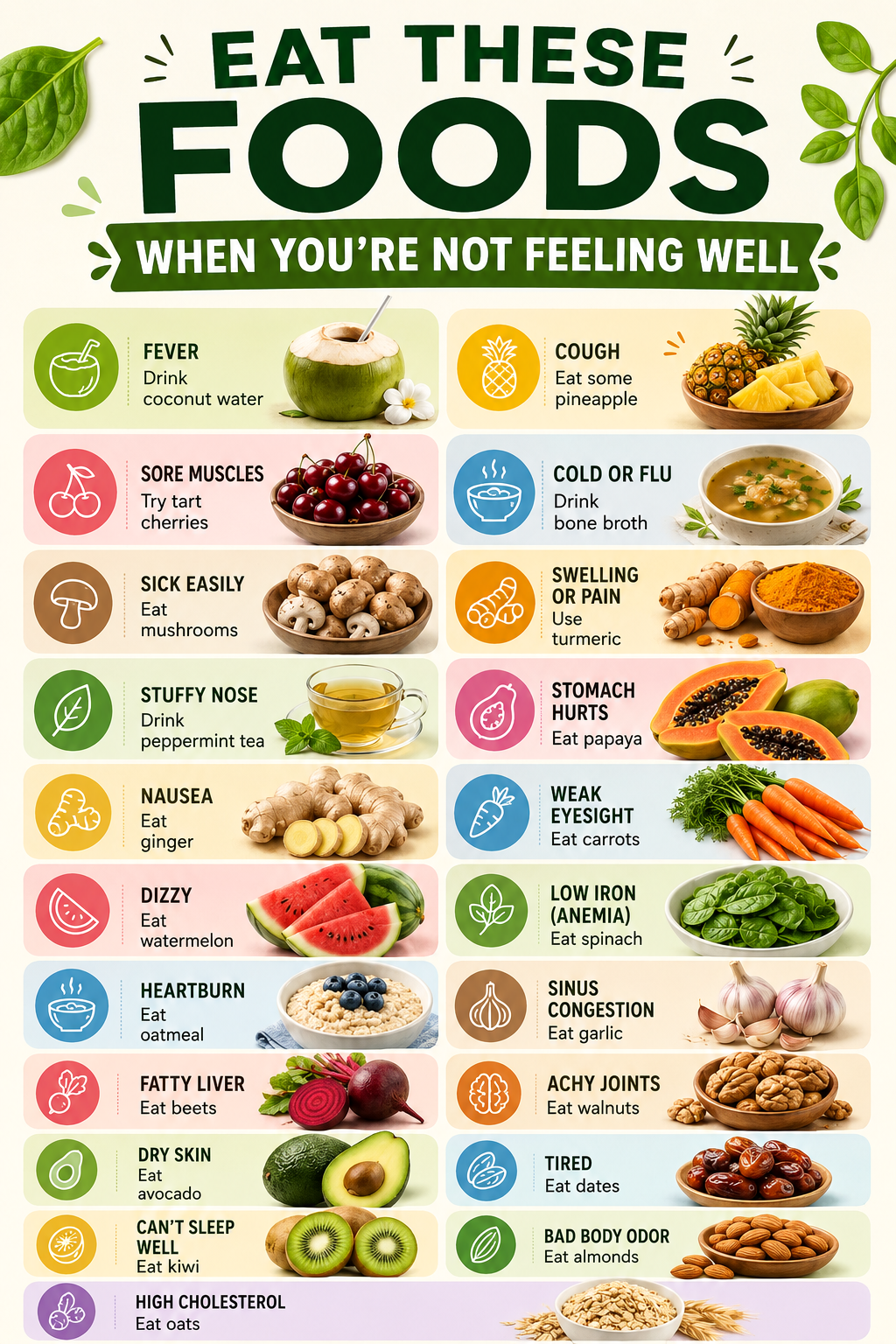
20 Best Healing Foods to Eat When Youre Sick Natural Wellness Nutrition Guide
When you’re feeling under the weather, the foods and drinks you choose can make a real difference in how comfortable you feel while your body recovers. While no single ingredient is a miracle cure, many nutrient-rich foods can help support hydration, provide essential vitamins and minerals, and make common symptoms easier to manage. From soothing warm broths to antioxidant-packed fruits and wholesome vegetables, building a smart recovery menu is one of the simplest ways to care for yourself during illness.
Healthy eating is not only about preventing illness. It also plays an important role in supporting the body’s natural healing process. Choosing foods that are easy to digest, rich in nutrients, and packed with beneficial compounds can help you stay energized while encouraging overall wellness.
Key Takeaways
- Hydration is one of the most important parts of recovery.
- Whole foods provide vitamins, minerals, and antioxidants your body needs.
- Different foods may help support comfort during different symptoms.
- Balanced nutrition works best alongside proper medical care when needed.
- Simple meals are often easier to digest during illness.
Why Nutrition Matters When You’re Sick
Your immune system relies on a steady supply of nutrients to function efficiently. During illness, your body often needs additional fluids, energy, protein, vitamins, and minerals to repair tissues and support immune responses.
Important: Eating nutritious foods does not replace professional medical treatment, but it can help support your body’s natural recovery process while improving comfort and maintaining energy.
Many comforting foods also help prevent dehydration, which is especially important during fever, stomach upset, or respiratory infections.
Hydrating Foods and Drinks
Coconut Water
Coconut water contains natural electrolytes that may help replace fluids lost through sweating or fever. It can be a refreshing alternative to sugary beverages for mild dehydration.
Bone Broth
Warm broth provides hydration while offering protein, minerals, and comforting warmth. Many people find it soothing when dealing with colds or seasonal illnesses because it is easy to digest.
Peppermint Tea
Peppermint tea is commonly enjoyed for its refreshing flavor and comforting warmth. Many people sip it when experiencing nasal congestion or digestive discomfort.
Expert Insight
Staying hydrated consistently throughout the day is often more effective than drinking large amounts all at once. Small, frequent sips are usually easier on the stomach during illness.
Fruits That Support Everyday Wellness
Pineapple
Pineapple contains vitamin C and bromelain, an enzyme that has been studied for its potential anti-inflammatory properties. Its naturally sweet taste also makes it appealing when your appetite is low.
Papaya
Papaya provides vitamin C, vitamin A, and digestive enzymes. Its soft texture makes it easy to enjoy when you prefer lighter foods.
Watermelon
With its high water content, watermelon helps contribute to daily hydration while supplying vitamin C and antioxidants.
Kiwi
Kiwi is packed with vitamin C, fiber, and potassium. Including nutrient-dense fruits like kiwi can support a balanced diet throughout the year.
Dates
Dates naturally provide carbohydrates that may offer a quick source of energy when you’re feeling tired or have a reduced appetite.
Vegetables Packed With Nutrients
Spinach
Spinach contains iron, folate, vitamin K, and numerous antioxidants. Pairing it with vitamin C rich foods may improve iron absorption from plant sources.
Carrots
Carrots are rich in beta carotene, which the body converts into vitamin A. This nutrient supports healthy vision and immune function.
Beets
Beets provide fiber, folate, and naturally occurring nitrates that contribute to a balanced diet.
Mushrooms
Many edible mushrooms contain beneficial nutrients including selenium, B vitamins, and antioxidants that support overall wellness.
Pro Tip: Eating a wide variety of colorful fruits and vegetables provides a broader range of vitamins, minerals, and protective plant compounds than relying on just one “superfood.”
Natural Flavor Boosters With Wellness Benefits
Ginger
Ginger has long been used in traditional diets and is commonly enjoyed as tea, grated into meals, or added to smoothies. Many people find it comforting when experiencing nausea.
Turmeric
Turmeric contains curcumin, a natural compound widely researched for its anti-inflammatory properties. It pairs well with soups, roasted vegetables, and warm milk beverages.
Garlic
Garlic contains sulfur compounds that have attracted attention for their potential health-supporting properties. It also adds delicious flavor to nourishing homemade meals.
Whole Grains for Comfort and Energy
Oats and Oatmeal
Oats provide fiber, complex carbohydrates, and several important minerals. Warm oatmeal is gentle on digestion and offers long-lasting energy.
Healthy Fats That Support Overall Wellness
Walnuts
Walnuts supply healthy fats, plant protein, fiber, and omega 3 fatty acids, making them an excellent addition to balanced meals.
Almonds
Almonds provide vitamin E, magnesium, and healthy fats that contribute to overall nutrition.
Avocado
Avocados are rich in heart-healthy monounsaturated fats, potassium, fiber, and vitamin E. Their creamy texture also makes them easy to enjoy when appetite is reduced.
Important: Recovery meals do not need to be complicated. Combining fluids, fruits, vegetables, protein, and whole grains creates balanced nutrition that supports overall health.
Simple Tips for Building a Recovery-Friendly Plate
- Drink water regularly throughout the day.
- Choose soft foods if your appetite is low.
- Include colorful fruits and vegetables.
- Add lean protein when possible.
- Select whole grains for steady energy.
- Limit highly processed foods while recovering.
At a Glance
- Hydration should always be a priority.
- Whole foods offer valuable nutrients.
- Warm soups and teas provide comfort.
- Colorful produce delivers antioxidants.
- Balanced meals support overall wellness.
Conclusion
Choosing wholesome foods while you’re feeling unwell is a practical way to support your body’s natural recovery process. Hydrating beverages, nourishing soups, colorful fruits, nutrient-rich vegetables, healthy fats, and whole grains all contribute valuable nutrients that help maintain strength and comfort. While these foods are not substitutes for professional medical advice or treatment, they can become an important part of a balanced wellness routine.
Keeping your kitchen stocked with simple, nutritious ingredients makes it easier to prepare comforting meals whenever you need them. By focusing on hydration, variety, and balanced nutrition, you can create eating habits that support your health throughout every season.
Tags
Healthy Foods Immune Support Wellness Nutrition Natural Foods Healthy Eating Recovery Meals Whole Foods Nutrition Tips