4 Steps to Improve Glucose Response and Balance Blood Sugar Naturally
Managing blood sugar does not always require dramatic lifestyle changes. Sometimes, the smallest adjustments to your daily routine can create meaningful improvements in how your body responds to food. One simple approach gaining attention in nutrition circles is changing the order in which you eat your meal. By prioritizing fiber, protein, healthy fats, and whole-food carbohydrates in a strategic sequence, you can support a smoother glucose response and more balanced energy levels.
This approach focuses on mindful eating rather than restriction. Instead of removing your favorite foods, it encourages you to build meals in a way that helps your body process carbohydrates more effectively. Combined with habits like walking after meals and choosing nutrient-rich ingredients, these small steps can become powerful tools for long-term wellness.
Key Takeaways
- Eating fiber-rich foods first may help slow the digestion of carbohydrates.
- Including protein and healthy fats can support fullness and balanced meals.
- Choosing whole-food carbohydrates provides more nutrients than highly processed options.
- A short walk after eating can support healthy glucose movement in the body.
- Small meal habits can contribute to better energy and overall nutrition.
Understanding the Glucose Response and Why Meal Order Matters
Every meal creates a response inside the body. When we eat carbohydrates, they are broken down into glucose, which enters the bloodstream and signals the body to release insulin. The speed and size of this rise can depend on many factors, including the type of food, the amount eaten, and what other foods are included in the meal.
A meal made mostly of quickly digested carbohydrates may cause a faster rise in blood sugar. While the body is designed to handle these changes, frequent large spikes and drops may leave some people feeling tired, hungry, or searching for another snack soon after eating.
The concept behind eating foods in a specific order is simple: create a foundation with fiber, add protein and fat, then enjoy carbohydrate sources. This sequence may help slow digestion and create a more gradual glucose response.
Important: Meal order is not a replacement for medical care, but it is a practical nutrition habit that can support a balanced approach to eating. Consistency with simple healthy habits often matters more than perfection.
The Four Steps for Supporting Better Blood Sugar Balance
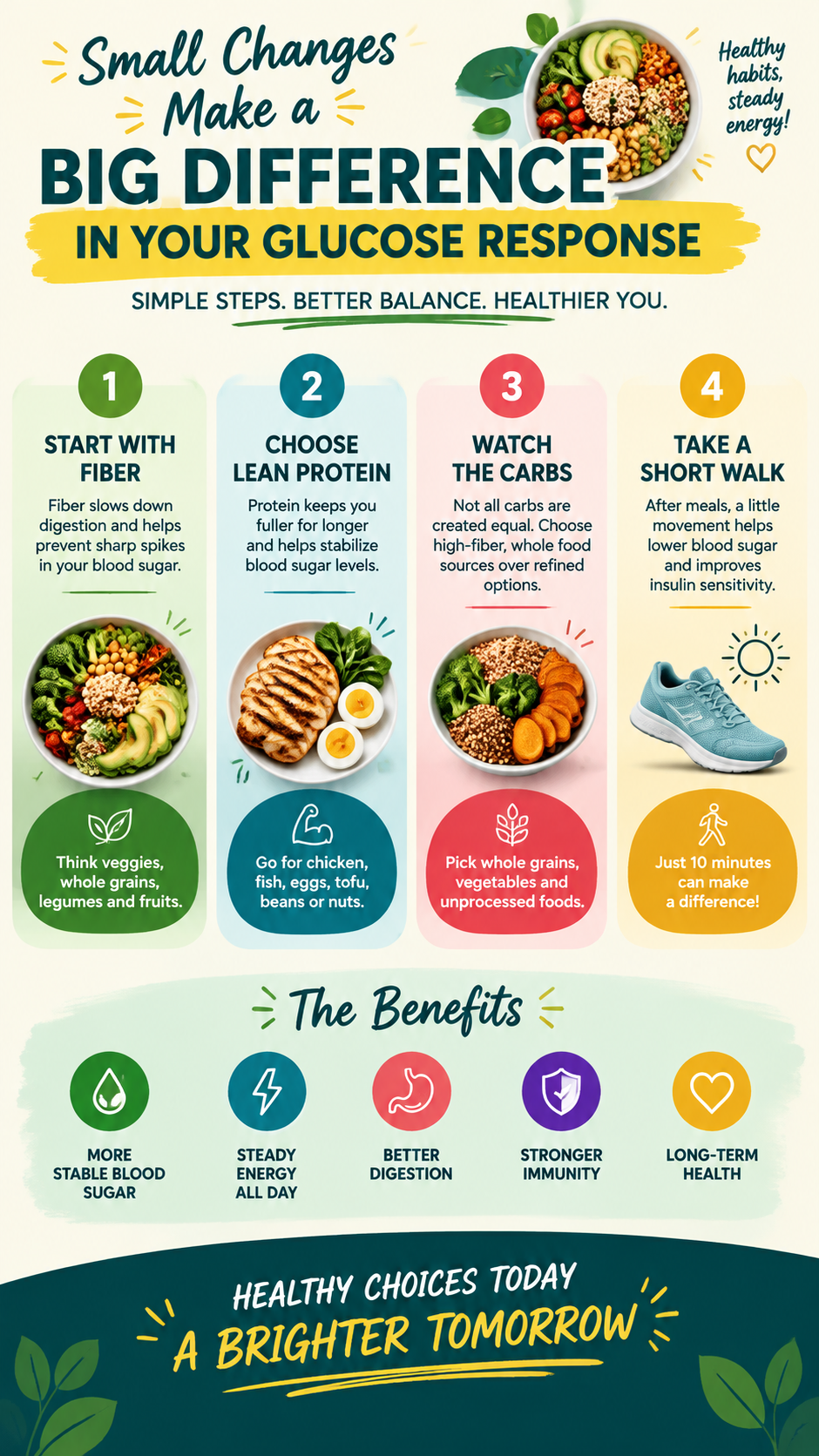
Step 1: Start With Fiber-Rich Foods
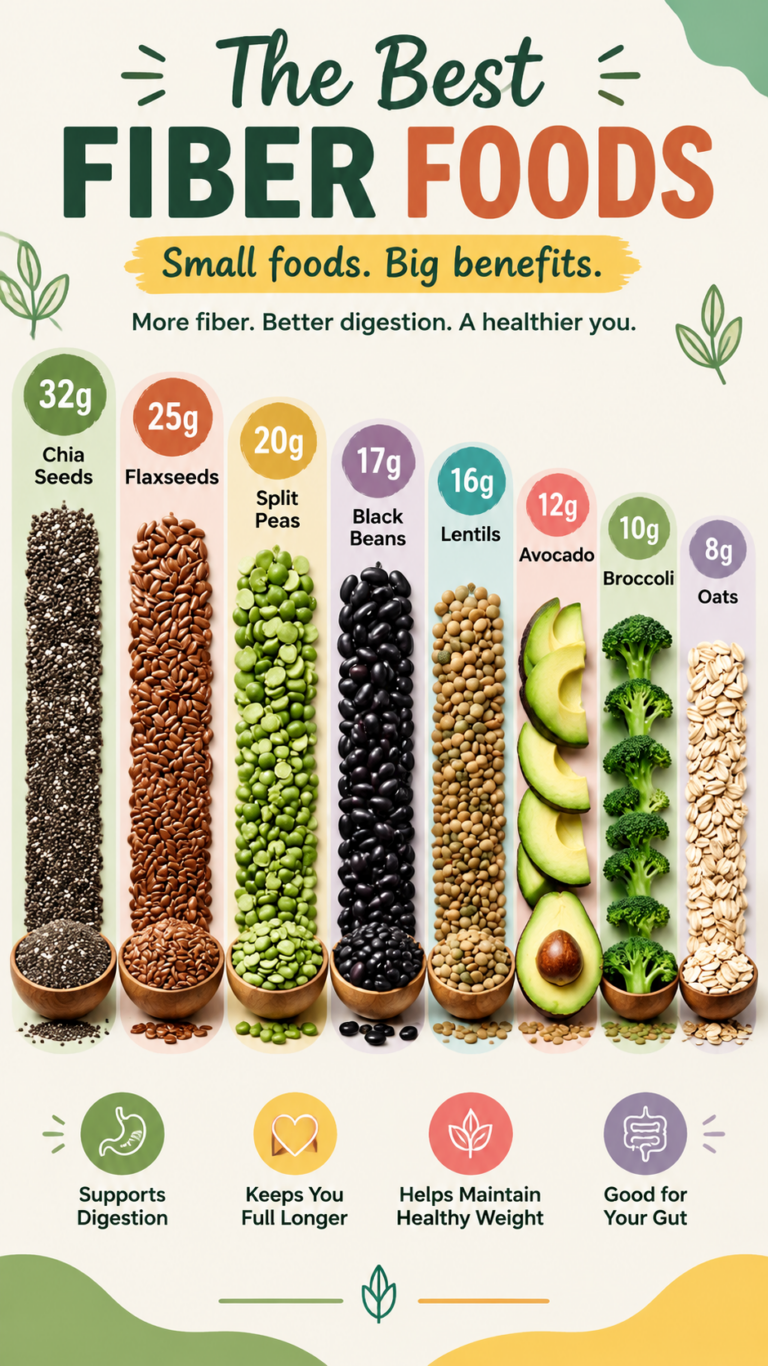
Fiber is an important part of a balanced meal because it adds structure to digestion. Starting your meal with vegetables, salads, beans, or other fiber-rich foods can help create a slower digestive process before carbohydrates are introduced.
Fiber absorbs water and forms a gel-like texture during digestion. This can influence how quickly food moves through the digestive system and how rapidly glucose enters the bloodstream.
Examples of High-Fiber Meal Starters
- Leafy green salads with vegetables
- Non-starchy vegetables such as broccoli, cucumbers, and greens
- Beans and legumes
- Fiber-rich seeds and whole plant foods
Many people do not get enough dietary fiber each day. Increasing fiber intake gradually while drinking enough water can be a helpful step toward improving overall digestive health.
Step 2: Add Protein and Healthy Fats
After fiber, the next focus is protein and healthy fats. These nutrients play important roles in creating satisfying meals that keep you feeling full and provide steady energy.
Protein supports muscle health and helps build balanced plates. Healthy fats, when included in appropriate amounts, can add flavor and satisfaction while slowing the overall digestion of a meal.
Balanced Protein and Fat Choices
- Eggs, fish, poultry, or lean protein sources
- Avocado and nuts
- Olive oil-based dressings
- Greek yogurt or other protein-rich foods
A balanced meal does not need to be complicated. Combining different food groups creates a more complete nutritional experience.
Step 3: Enjoy Whole-Food Carbohydrates Last
Carbohydrates are an important source of energy and do not need to be eliminated from a healthy lifestyle. The focus is choosing better-quality sources and combining them with other nutrients.
Whole-food carbohydrates often contain more fiber, vitamins, and minerals compared with highly processed carbohydrate products. Foods such as vegetables, whole grains, and legumes can provide valuable nutrition as part of a balanced meal.
Smart Carbohydrate Choices
- Whole grains
- Sweet potatoes
- Beans and lentils
- Fruit paired with balanced meals
Pro Tip: Instead of asking whether you should eat carbohydrates, consider the quality, portion, and combination of foods on your plate. Balanced meals are usually more sustainable than extreme restrictions.
Step 4: Take a Short Walk After Eating
Movement after meals is another simple habit that can support healthy glucose management. A gentle walk encourages your muscles to use energy and can be an easy way to add more activity to your day.
You do not need an intense workout to benefit from post-meal movement. Even a short walk can become a realistic habit that fits into busy schedules.
The Role of Different Types of Fiber
Fiber is not a single ingredient. Different fibers have different characteristics and can support the body in unique ways. Some fibers dissolve in water, while others add bulk and support digestive regularity.
A variety of fiber sources from different plant foods can help create a diverse diet. Foods such as vegetables, fruits, legumes, and whole grains naturally provide different types of fiber.
Expert Insight
- Fiber supports digestive health and can help create more satisfying meals.
- Different fiber sources contribute to a varied and balanced eating pattern.
- Gradually increasing fiber intake is often more comfortable for digestion.
Benefits of Building More Balanced Meals
Using a thoughtful meal structure can support several areas of wellness. While individual responses vary, many people find that balanced meals help them feel more satisfied and energized throughout the day.
More Stable Energy Levels
Meals that combine fiber, protein, fats, and quality carbohydrates may provide longer-lasting energy compared with meals that are quickly digested.
Better Meal Satisfaction
Including multiple food groups helps create meals that are enjoyable and filling. Satisfaction is an important part of maintaining healthy habits over time.
Support for Healthy Lifestyle Habits
Simple practices like starting with vegetables or walking after dinner are easy to repeat. Small actions performed consistently can become meaningful parts of a wellness routine.
How to Apply This Approach in Everyday Life
The best nutrition strategies are the ones you can actually follow. Start by choosing one meal each day to practice this order. For example, begin lunch with vegetables, add a protein source, then enjoy your carbohydrate portion.
Planning ahead can make these habits easier. Keeping simple ingredients available, preparing vegetables in advance, and creating balanced plates can reduce stress around healthy eating.
At a Glance
- Begin meals with fiber-rich foods.
- Add protein and healthy fats.
- Choose nourishing carbohydrate sources.
- Move your body after meals when possible.
Conclusion: Small Changes Can Create Better Eating Patterns
Supporting healthy blood sugar balance is often about creating smarter routines rather than making drastic changes. The order of your meal, the quality of your ingredients, and your activity after eating can all contribute to a more mindful approach to nutrition.
By focusing on fiber first, protein and healthy fats next, whole-food carbohydrates afterward, and gentle movement after meals, you can create a practical strategy that supports overall wellness. These habits are simple, flexible, and easy to personalize for your lifestyle.
Healthy eating is built one meal at a time. Start with one small adjustment today and continue building habits that help you feel your best.
Tags
Blood Sugar Balance
Glucose Response
Healthy Eating
Fiber Rich Foods
Balanced Nutrition
Metabolic Wellness