DIY Bow Cuff Sleeve Tutorial Easy Sewing Hack for Stylish Blouses
Adding a touch of personalized flair to your wardrobe has never been more accessible. One of the most captivating trends in modern sewing is the focus on intricate sleeve details, and for good reason. A well-designed cuff can transform a standard, off-the-rack striped blouse into a high-fashion statement piece. This specific DIY bow cuff technique offers a delightful blend of classic tailoring and whimsical charm, making it a favorite for those who love the coquette or clean girl aesthetics. By focusing on the small details, you can breathe new life into old garments or ensure your handmade creations stand out with a professional, boutique-quality finish.
The Charm of Custom Sleeve Details
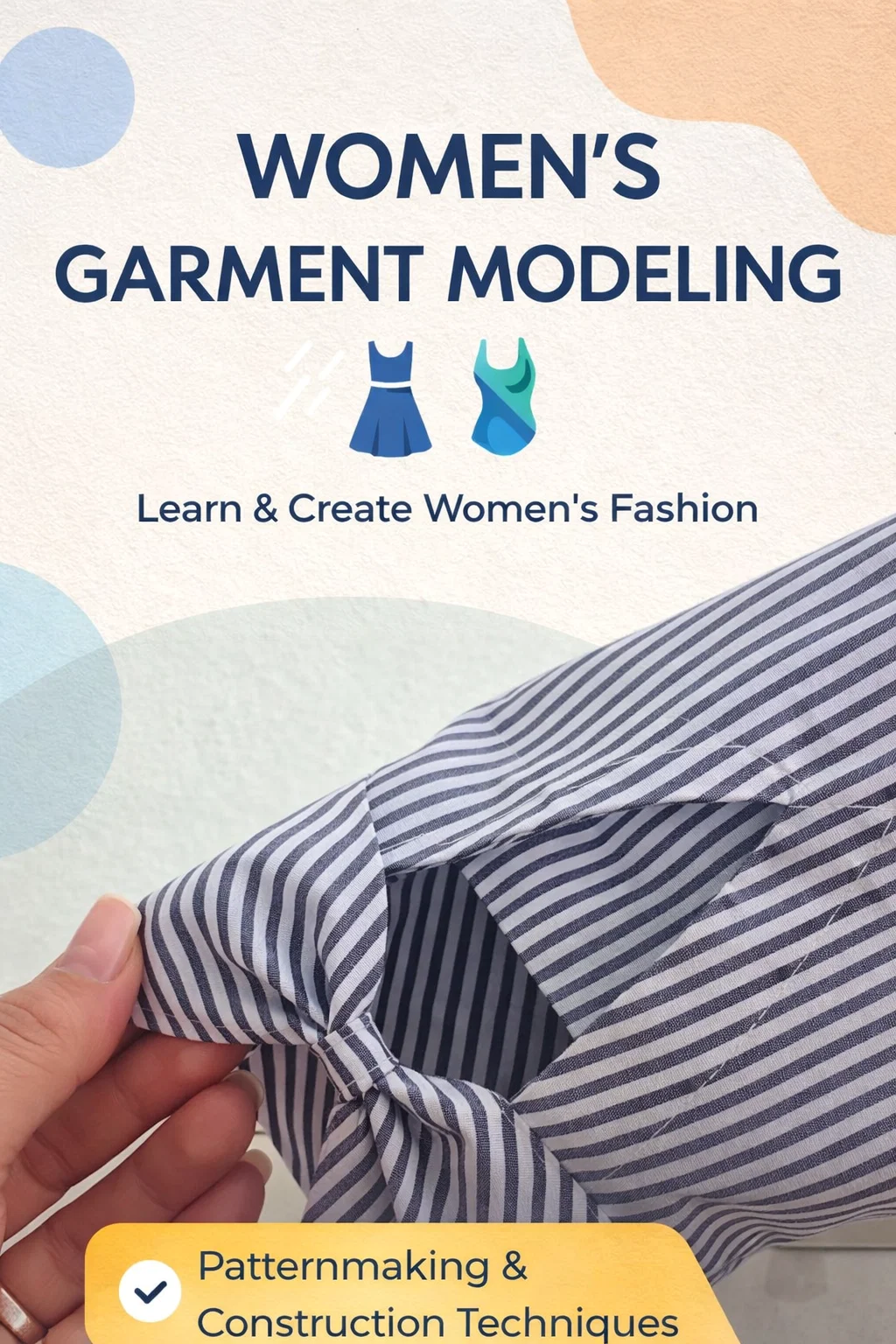
In the world of fashion, it is often said that the details make the design. While the silhouette of a shirt provides the foundation, the finishing touches at the collar and cuffs provide the character. A bow cuff is particularly effective because it draws attention to the hands and adds movement to the garment. Unlike a standard buttoned cuff, a bow design introduces a soft, organic shape that breaks up the rigid lines of a traditional sleeve. This is especially striking when paired with patterns like vertical stripes, as the bow creates a beautiful contrast in fabric direction and visual texture.
Beyond the visual appeal, creating your own sleeve details is incredibly empowering. It allows you to move away from fast fashion and toward a more sustainable, intentional wardrobe. Instead of buying a new shirt every time trends shift, you can use these simple sewing hacks to update what you already own. Whether you are working with a crisp cotton poplin or a soft linen, the addition of a knotted bow at the wrist brings a level of sophistication that feels both timeless and modern.
Essential Tools for Your Sewing Project
To achieve a clean and professional look like the one shown in the image, you do not need an industrial setup, but you do need the right basics. Precision is key when working with smaller fabric pieces like cuffs and ties.
Must-Have Sewing Supplies
- Quality Fabric: If you are adding this detail to an existing shirt, try to match the fabric weight. If you are starting from scratch, a medium-weight cotton or shirting fabric works best to hold the shape of the bow.
- Sharp Fabric Scissors: Clean cuts prevent fraying and make the assembly process much smoother.
- Tailor’s Chalk or Fabric Marker: You will need to mark the precise opening where the sleeve meets the cuff detail.
- Pins or Wonder Clips: These are essential for holding the bow ties in place before you head to the sewing machine.
- Iron and Ironing Board: Never skip the pressing steps. Pressing your seams flat is the difference between a homemade look and a professional garment.
Choosing the Right Thread and Needle
For most shirting projects, an all-purpose polyester thread is the best choice because it offers strength and a slight bit of give. Use a standard universal needle (size 80/12) for cotton fabrics. If you are working with a very fine or silk-like material, consider switching to a Microtex needle to avoid snagging the delicate fibers of your blouse.
Step-by-Step Guide to Creating the Bow Cuff
Creating this look involves a few strategic cuts and some clever folding. The goal is to create a functional cuff that also acts as a decorative tie. This design typically features a split at the wrist where the two ends of the cuff extend into long ties that can be knotted into a bow.
Preparing the Sleeve Opening
First, you need to ensure the sleeve has a clean opening. If you are modifying an existing sleeve, you may need to remove the old cuff and widen the existing placket. The opening should be deep enough to allow your hand to pass through easily, as the bow will be the primary closure method. Finish the edges of this opening with a narrow hem or a bias binding to ensure no raw edges are visible once the project is complete.
Drafting and Attaching the Ties
The bow is usually created by extending the cuff band into two long, tapered strips. When cutting these pieces, ensure they are mirrored so that the ties sit symmetrically on your wrist. Sew the tie pieces right sides together, leave the short end open that attaches to the sleeve, and then turn them right side out. Once pressed flat, these ties are sandwiched between the sleeve edge and the cuff facing. Stitching them securely is vital, as they will experience a fair amount of tension whenever you tie and untie your sleeves.
Styling Tips for Your New Statement Piece
Once you have finished your sewing project, the fun part begins: styling. A bow cuff blouse is incredibly versatile and can transition from a professional setting to a casual weekend brunch with ease. The stripes seen in the image are a classic choice that pairs perfectly with denim for a relaxed yet polished look.
Dressing It Up for the Office
For a professional environment, pair your bow-sleeved blouse with high-waisted trousers and a sleek loafer. The bow adds a feminine touch to a structured outfit, softening the overall appearance without losing the professional edge. Keep your jewelry minimal on the wrists to let the cuff detail be the star of the show. A simple watch or a thin gold band is all you need.
The Casual Weekend Aesthetic
If you are going for a more “coquette” or romantic vibe, pair the shirt with a pleated skirt or light-wash jeans. The contrast of the structured stripes with the soft bow creates an effortless French-girl style. You can even roll the sleeves up slightly to let the bows sit higher on the forearm, which adds a bit of volume to the sleeve and makes the outfit feel more dynamic and relaxed.
Maintenance and Care for Delicate Details
Handmade garments with intricate details like bows require a little extra love when it comes to laundry day. To keep your cuffs looking crisp and the bows from becoming limp, follow a few simple care steps. Always check your fabric type before washing, but generally, a cold, gentle cycle is safest for cotton shirting.
Washing and Drying
It is often a good idea to untie the bows before washing to ensure the fabric inside the knot gets clean and doesn’t develop permanent creases. Placing the garment in a mesh laundry bag can prevent the long ties from getting tangled around the agitator of the washing machine or other clothes. To dry, hang the shirt on a padded hanger and smooth out the ties with your fingers while they are damp.
The Importance of Pressing
A bow cuff only looks its best when it is properly pressed. After the shirt is dry, use a steam iron to flatten the ties and the cuff area. If the fabric has lost some of its body, a light spritz of fabric starch can help the bow hold its shape throughout the day. This keeps the ties looking sharp and prevents them from flopping over, maintaining that high-end boutique aesthetic you worked so hard to create.
Why DIY Fashion is the Future
Engaging in projects like this bow cuff tutorial is about more than just clothes; it is about developing a skill set that fosters creativity and self-sufficiency. In an era where mass-produced clothing often lacks personality, the ability to customize your wardrobe is a true superpower. You get to choose the fabrics, the colors, and the exact proportions that fit your body and your style perfectly.
Furthermore, sewing is a mindful practice. The process of measuring, cutting, and stitching requires a level of focus that can be very therapeutic. Seeing a tangible result from your efforts provides a sense of accomplishment that you simply cannot get from shopping. Whether you are a beginner or an expert, these small modifications are the perfect gateway into the world of creative garment construction.
Conclusion: Your Journey to a Unique Wardrobe
The bow cuff detail is a beautiful example of how a simple idea can have a massive impact on your style. By following these steps and taking the time to focus on the craftsmanship of your sleeves, you have created a piece that is truly one of a kind. This project proves that you do not need to be a professional designer to have a wardrobe that feels curated and special.
As you continue to explore the world of DIY fashion, remember that every stitch is a learning experience. Don’t be afraid to experiment with different fabrics, tie lengths, or even contrasting colors for your bows. The possibilities are endless when you take the design process into your own hands. So, grab your fabric, thread your machine, and start transforming your clothes into the statement pieces you have always dreamed of wearing. Happy sewing!