Best Green Foods for Liver Health and Natural Detoxification Diet Tips
When it comes to maintaining a vibrant and energetic lifestyle, few things are as vital as the health of your liver. Often referred to as the body’s powerhouse, the liver is responsible for over five hundred essential functions, ranging from filtering toxins out of your bloodstream to aiding in digestion through the production of bile. In our modern world, where processed foods and environmental pollutants are common, giving your liver a little extra love through your diet is a smart move. The good news is that nature provides an abundance of green foods specifically designed to support and rejuvenate this hardworking organ.
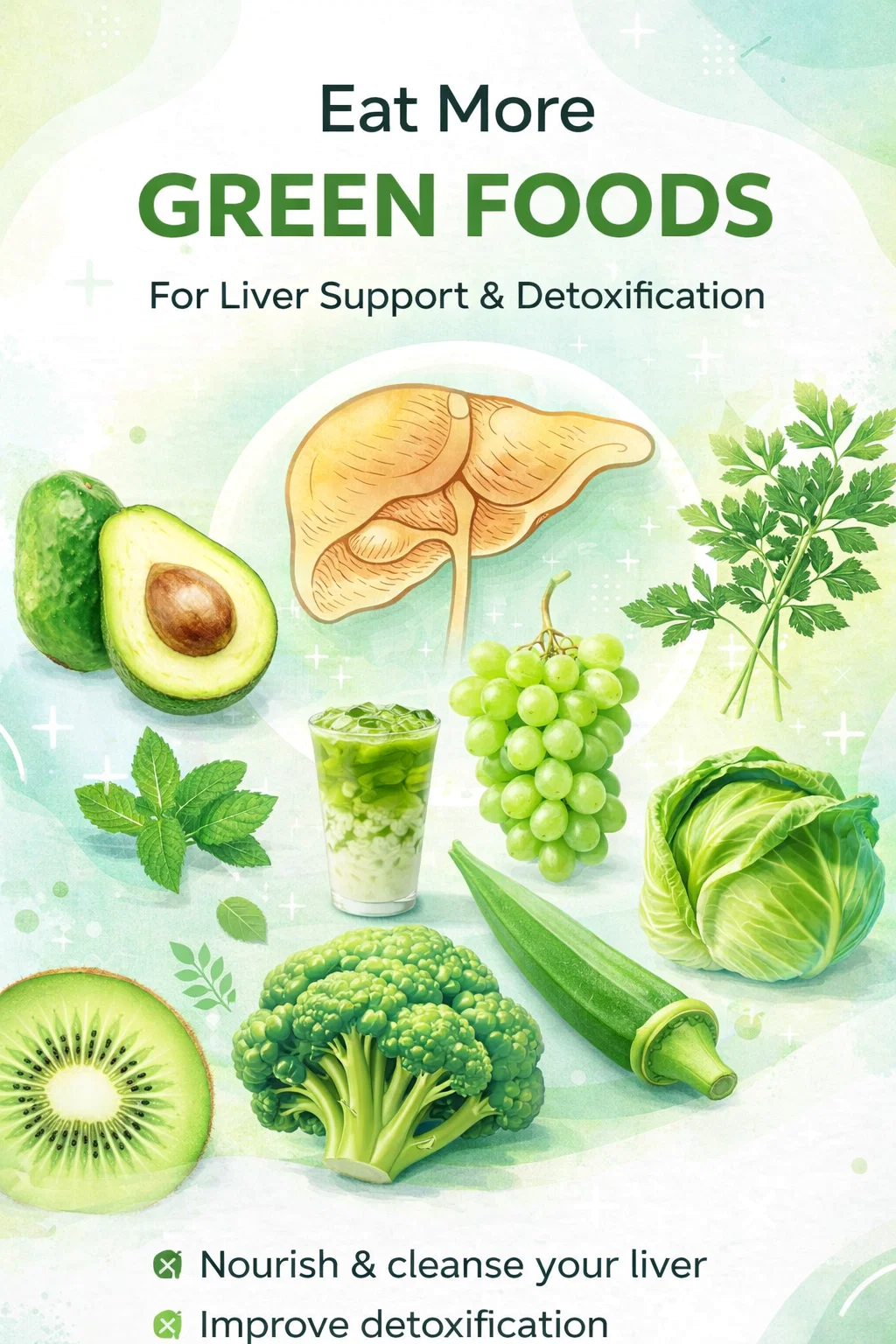
The image we are exploring today highlights a variety of green powerhouses like artichokes, avocado, matcha, and broccoli. These are not just colorful additions to your plate; they are functional foods packed with specific phytonutrients that trigger detoxification pathways. In this guide, we will dive deep into why these specific green foods are so beneficial and how you can easily incorporate them into your daily routine to feel your absolute best.
The Science of Detoxification and Liver Function
Before we look at the specific foods, it is important to understand what detoxification actually means. Many people think of a detox as a temporary juice cleanse, but the truth is that your liver is detoxing every single second of the day. It works through two main phases. In Phase 1, the liver uses enzymes to turn toxins into intermediate substances. In Phase 2, it attaches these substances to other molecules so they can be safely excreted from the body.
Green foods are particularly effective because they contain high levels of chlorophyll and sulfur. Sulfur is a key component for Phase 2 detoxification. When you consume foods like cabbage and broccoli, you are essentially providing your liver with the raw materials it needs to finish the job of cleaning your system. Without these nutrients, the toxins can get stuck in the intermediate phase, which is often more harmful than the original toxin.
Cruciferous Superstars: Broccoli and Cabbage
Broccoli: The Sulforaphane Powerhouse
Broccoli is perhaps the most famous liver-supporting vegetable, and for good reason. It is rich in a compound called sulforaphane. Research has shown that sulforaphane can help reduce oxidative stress in the liver and even improve liver enzyme levels. When you eat broccoli, you are activating the Nrf2 pathway, which is your body’s primary defense against cellular damage. To get the most benefit, try eating your broccoli lightly steamed rather than boiled to keep the heat-sensitive enzymes intact.
Cabbage: The Budget Friendly Detoxifier
Cabbage is often overlooked, but it is a member of the same cruciferous family as broccoli. It is incredibly high in Vitamin C and fiber. The fiber in cabbage acts like a broom for your digestive tract, ensuring that once the liver has processed toxins, they are moved out of the body efficiently. Whether you enjoy it as a crunchy slaw or fermented into sauerkraut, cabbage is a versatile tool for liver health.
Artichokes and the Power of Bile Production
Artichokes are one of the most unique foods on our list. They contain two specific phytonutrients: cynarin and silymarin. These compounds are known to stimulate the production of bile. Bile is essential because it is the primary vehicle the liver uses to transport filtered toxins out of the body and into the intestines. Additionally, bile is necessary for the breakdown of fats. If your bile flow is sluggish, you might feel bloated or fatigued after a heavy meal. Including artichoke hearts in your salads or grilling them as a side dish can help keep that flow moving smoothly.
Healthy Fats for a Healthy Liver: The Avocado
There is a common misconception that people with liver issues should avoid all fats. While it is true that trans fats and excessive saturated fats can lead to fatty liver disease, healthy fats are actually protective. Avocados are rich in monounsaturated fats and glutathione. Glutathione is often called the master antioxidant. It is the primary molecule the liver uses to neutralize free radicals. By eating avocado, you are helping your body produce more of this vital protector. Plus, the creamy texture of avocado makes it a perfect replacement for less healthy spreads like mayonnaise.
The Magic of Matcha and Green Grapes
Matcha: Concentrated Antioxidants
Matcha is a finely ground powder of specially grown and processed green tea leaves. Because you are consuming the entire leaf rather than just the brewed water, you get a massive dose of catechins. These are powerful antioxidants that have been shown to improve liver fat levels and protect against DNA damage. Swapping your second cup of coffee for a matcha latte is an easy way to give your liver a steady stream of support throughout the day.
Green Grapes and Resveratrol
While we often think of red grapes for their health benefits, green grapes also contain beneficial plant compounds like resveratrol. This antioxidant helps reduce inflammation within the liver. Grapes are also high in water content and natural sugars that provide a gentle energy boost without the crash associated with refined sweets. They make for a perfect hydrating snack that supports your internal filtration system.
Herbal Helpers: Parsley, Mint, and Okra
Parsley and Mint: More Than Just a Garnish
Many people push the parsley or mint to the side of their plate, but these herbs are nutritional giants. Parsley is a natural diuretic, helping the kidneys flush out excess water and salt, which takes some of the pressure off the liver. Mint, on the other hand, helps soothe the digestive system and promotes healthy bile flow. Try blending these herbs into a green smoothie or finely chopping them into a Mediterranean style salad.
Okra: The Digestive Soother
Okra contains a unique type of soluble fiber known as mucilage. This substance binds to bile acids and cholesterol in the digestive tract, ensuring they are excreted rather than reabsorbed into the bloodstream. This process forces the liver to use up more cholesterol to create new bile, which can help lower overall cholesterol levels in the body. Okra is a fantastic addition to stews or can be roasted for a delicious, crunchy snack.
The Role of Green Kiwi in Detoxification
Kiwi is a Vitamin C powerhouse, often containing more of this vitamin than oranges. Vitamin C is a water soluble antioxidant that protects the liver from the damage caused by alcohol and environmental toxins. Furthermore, kiwi contains an enzyme called actinidin which helps in the digestion of proteins. When your digestion is efficient, your liver does not have to work as hard to process the byproducts of undigested food, allowing it to focus on deeper detoxification tasks.
Practical Ways to Incorporate More Green Foods
Knowing which foods are good is only half the battle; the real magic happens when you start eating them consistently. You do not need to overhaul your entire diet overnight. Instead, try the crowding out method. Focus on adding one or two of these green foods to every meal. For breakfast, you might add a scoop of matcha to your oats or slice some avocado onto whole grain toast. For lunch, a big salad featuring parsley and cabbage is a great choice. For dinner, try roasting a tray of broccoli and okra with some garlic and olive oil.
Another great tip is to embrace the green smoothie. Smoothies are an excellent way to pack in a large volume of leafy greens, mint, and kiwi without feeling like you are eating a giant bowl of grass. By blending these foods, you also make the nutrients more bioavailable, meaning your body can absorb them more easily.
Lifestyle Habits That Support Your Liver
While diet is a huge piece of the puzzle, your lifestyle habits also play a role in how well your liver functions. Hydration is key. Water helps transport toxins through the blood to the liver and then out through the kidneys and skin. Aim for at least eight glasses of filtered water a day. Additionally, regular physical activity improves blood circulation, which helps the liver process nutrients more effectively.
Reducing your intake of processed sugars and alcohol is also vital. These substances put a significant strain on the liver, often leading to fat buildup. By replacing sugary drinks with matcha or herbal mint tea, you are making a double win for your health: removing a toxin while adding a protector.
Conclusion: Small Changes, Big Results
Your liver is incredibly resilient and has an amazing capacity to regenerate and heal when given the right tools. By focusing on the green foods highlighted today, you are providing your body with the antioxidants, fiber, and vitamins it needs to perform its natural detoxification duties with ease. From the crunch of broccoli to the creamy goodness of avocado, eating for your liver can be a delicious and rewarding journey.
Remember that health is not about perfection; it is about consistency. Start small by picking two or three of your favorite foods from this list and making them a staple in your kitchen this week. Over time, these small dietary shifts will lead to more energy, clearer skin, and a healthier body from the inside out. Your liver does so much for you, it is time to return the favor by filling your plate with the vibrant power of green.