Stool Color Guide What Your Poop Says About Your Health Digestion Tips
Understanding our bodies can often feel like trying to solve a complex puzzle without the box art. We focus on how we feel, what we eat, and how much we exercise, but there is one vital health indicator that most of us tend to ignore or avoid talking about entirely. Your digestive system is a powerhouse of information, and the most direct way it communicates its status is through stool color and consistency. While it might feel a bit awkward to discuss, paying attention to what happens in the bathroom can provide early warnings about your hydration, your diet, and even the health of your internal organs. This guide is designed to help you decode those signals so you can take charge of your wellness with confidence and clarity.
The Science of Stool Color
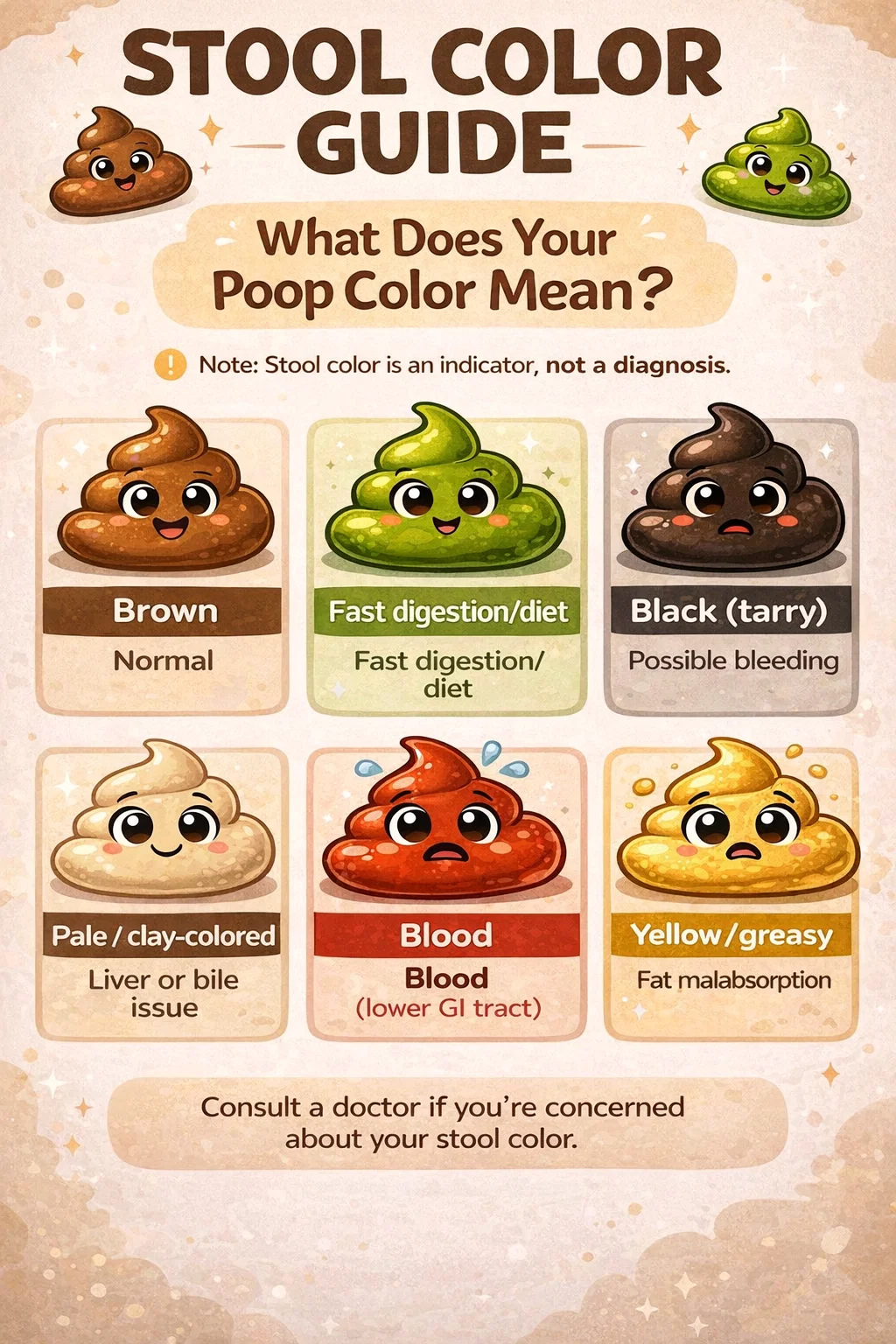
Before we dive into the specific colors, it is helpful to understand why stool is typically brown. The characteristic mahogany hue comes from a combination of bile and bilirubin. Bile is a fluid produced by your liver to help digest fats, and as it travels through your gastrointestinal tract, enzymes break it down. This process transforms the fluid from a yellowish-green to the brown we recognize as normal. When the color shifts significantly, it usually means that something has altered this digestive timeline or that a new substance has been introduced into the mix.
What Defines Normal
In most cases, shades of brown are considered the gold standard for digestive health. This indicates that your liver, gallbladder, and intestines are working in harmony. The transit time is just right, allowing for proper nutrient absorption and waste processing. However, even within the brown spectrum, there can be variations based on what you ate for dinner or how much water you drank throughout the day. Consistency also plays a role, as a healthy stool should be easy to pass and well-formed.
Decoding the Rainbow of Digestive Signals
When you notice a color that is not brown, your first instinct might be to worry. However, many changes are temporary and related to lifestyle factors. By breaking down each color, we can identify what is a simple dietary byproduct and what might require a conversation with a healthcare professional.
Green Stool: The Fast Lane of Digestion
If you see green, the most common culprit is transit time. This often happens when food moves through the large intestine too quickly. Because the waste is moving fast, the green bile does not have enough time to break down completely into its brown form. This is frequently seen during bouts of diarrhea or after consuming a very high-fiber meal.
Dietary choices are also a major factor. If you have been loading up on kale, spinach, or green smoothies, your stool will likely reflect that. Artificial food coloring found in sodas, candies, or even some iron supplements can also turn things green. Generally, if you feel fine and the color returns to normal within a day or two, it is simply a reflection of your recent menu.
Yellow and Greasy: A Sign of Malabsorption
Stool that appears yellow, greasy, or particularly foul-smelling can be a signal that your body is struggling to process fats. When fat is not absorbed properly, it stays in the waste, creating a yellowish, oily appearance. This is often referred to as steatorrhea.
This can be caused by a variety of factors, including gluten intolerance or issues with the pancreas. If your body cannot produce enough digestive enzymes, the fat simply passes through. While an occasional fatty meal might cause a slight change, consistent yellow stool is something that deserves a closer look at your gut health and enzyme levels.
Pale, White, or Clay-Colored Stool
A lack of color is just as telling as a bright one. Since bile is what gives stool its brown color, a pale or clay-colored appearance suggests that bile is not reaching the stool. This could mean there is a blockage in the bile ducts or an issue with the liver production.
Certain medications, like large doses of anti-diarrheal meds, can sometimes cause this temporary lightening. However, if the paleness persists, it is a significant indicator that the biliary system needs attention. This is one of the more important signs to monitor, as the liver and gallbladder are essential for detoxifying the body.
Warning Signs: When Color Indicates Urgency
While green and yellow are often related to diet, colors like red and black can sometimes point to more serious internal issues. Understanding the nuance between a food reaction and a medical symptom is key to staying calm and informed.
The Red Flag: Blood in the Lower GI
Seeing red can be startling. In many instances, this is caused by something benign like eating beets, cranberries, or drinking red fruit juices. Red food dyes are also incredibly common in processed snacks and can easily tint your stool.
However, if the red is clearly blood, it typically indicates an issue in the lower gastrointestinal tract. This could be something as common as hemorrhoids or small tears, but it can also be a sign of inflammation in the colon. If you notice bright red blood that is not related to your diet, it is always best to consult with a doctor to rule out any underlying conditions.
Black and Tarry: Upper Digestive Concerns
Black stool can be tricky because it is frequently caused by harmless substances. Iron supplements, activated charcoal, and even black licorice can turn stool a dark, inky black. This is a common occurrence for people taking multivitamins or supplements for anemia.
The concern arises if the stool is black, sticky, and has a tar-like consistency. This specific texture often indicates bleeding in the upper gastrointestinal tract, such as the stomach. The blood becomes dark and tarry as it is digested by stomach acid. If you have not consumed iron or dark foods and notice this change, it is a signal that your stomach lining may need an evaluation.
Optimizing Your Gut Health Naturally
Regardless of what you see today, the goal is to maintain a consistent and healthy digestive rhythm. Your gut is an ecosystem that thrives on balance, and there are several simple habits you can adopt to ensure everything stays on track.
Hydration and Fiber: The Dynamic Duo
Water is the lubricant of the digestive system. Without enough hydration, waste becomes hard and difficult to pass, which can lead to various issues. Aiming for consistent water intake throughout the day helps the kidneys and the liver process toxins efficiently.
Fiber acts as the broom that cleans out your system. By incorporating a variety of whole grains, legumes, and colorful vegetables, you provide the bulk needed for healthy transit. Just remember to increase fiber slowly to give your gut bacteria time to adjust.
- Eat the Rainbow: Diverse vegetables provide different types of fiber and phytonutrients that support a healthy microbiome.
- Probiotic Support: Fermented foods like yogurt, kefir, and sauerkraut introduce beneficial bacteria that help maintain the proper pH in your gut.
- Mindful Eating: Chewing your food thoroughly is the first step of digestion. It makes the job much easier for your stomach and small intestine.
Listen to Your Body
Everyone has a different baseline for what is normal. The most important thing is to notice changes that deviate from your personal regular patterns. Keeping a food journal can be a wonderful tool if you notice frequent color changes, as it allows you to correlate what you eat with how your body responds.
A Proactive Approach to Wellness
Monitoring your stool color is not about being obsessive or fearful. Instead, it is about being a proactive participant in your own health. By removing the stigma around this topic, we can better understand the messages our bodies are sending every single day. Most color variations are simply a reflection of the vibrant foods we eat and the speed at which our bodies process energy.
By staying hydrated, eating a balanced diet, and paying attention to these visual cues, you are giving your digestive system the support it needs to keep you feeling your best. Remember that this guide is an indicator, not a diagnosis. If you ever feel unsure or notice persistent changes accompanied by pain or discomfort, reaching out to a professional is the smartest move you can make. Your health is a journey, and every bit of knowledge you gain helps you navigate that path with more ease and vitality.