12 Vinegar Cleaning Hacks for a Naturally Fresh and Sparkling Home
Looking for simple, affordable ways to keep your home clean and fresh? White vinegar is a popular household cleaning ingredient that can help tackle everyday messes, remove certain odors, and leave glass surfaces sparkling when used correctly. From kitchen counters and sinks to windows and bathroom fixtures, there are plenty of practical ways to make vinegar part of your cleaning routine.
These 12 vinegar cleaning hacks combine everyday household ingredients with straightforward techniques to help simplify chores and reduce your reliance on multiple specialty cleaners. Whether you are refreshing your kitchen, polishing selected surfaces, or making your windows shine, these DIY cleaning ideas offer an easy place to start.
Key Takeaways
- Diluted white vinegar can help clean glass, selected hard surfaces, and some everyday household messes.
- Combining vinegar with dish soap can help loosen greasy residue on suitable surfaces.
- Vinegar and baking soda react with each other, producing fizz, but the reaction does not make them a universally stronger cleaner.
- Never mix vinegar with bleach or hydrogen peroxide in the same cleaning solution.
- Avoid vinegar on marble, limestone, travertine, and other acid-sensitive stone surfaces.
- Always test a cleaning mixture on a small, inconspicuous area before using it more widely.
Why Use Vinegar for Household Cleaning?
White vinegar is a familiar pantry staple that has several useful properties for everyday cleaning. Its acidity can help dissolve certain mineral deposits, loosen some types of residue, and neutralize particular alkaline odors. It is inexpensive, easy to find, and can be used for selected cleaning jobs without purchasing a separate product for every task.
However, vinegar is not a universal disinfectant or an all-purpose solution for every material. It does not reliably kill every disease-causing microorganism, and its acidity can damage delicate finishes, natural stone, and some metal surfaces. Choosing the right application is just as important as choosing the ingredient.
Important: Use plain white vinegar for household cleaning, dilute it when appropriate, and follow the care instructions for the surface you are cleaning. Never mix vinegar with bleach, hydrogen peroxide, or other cleaning chemicals unless the product manufacturer explicitly confirms that the combination is safe.
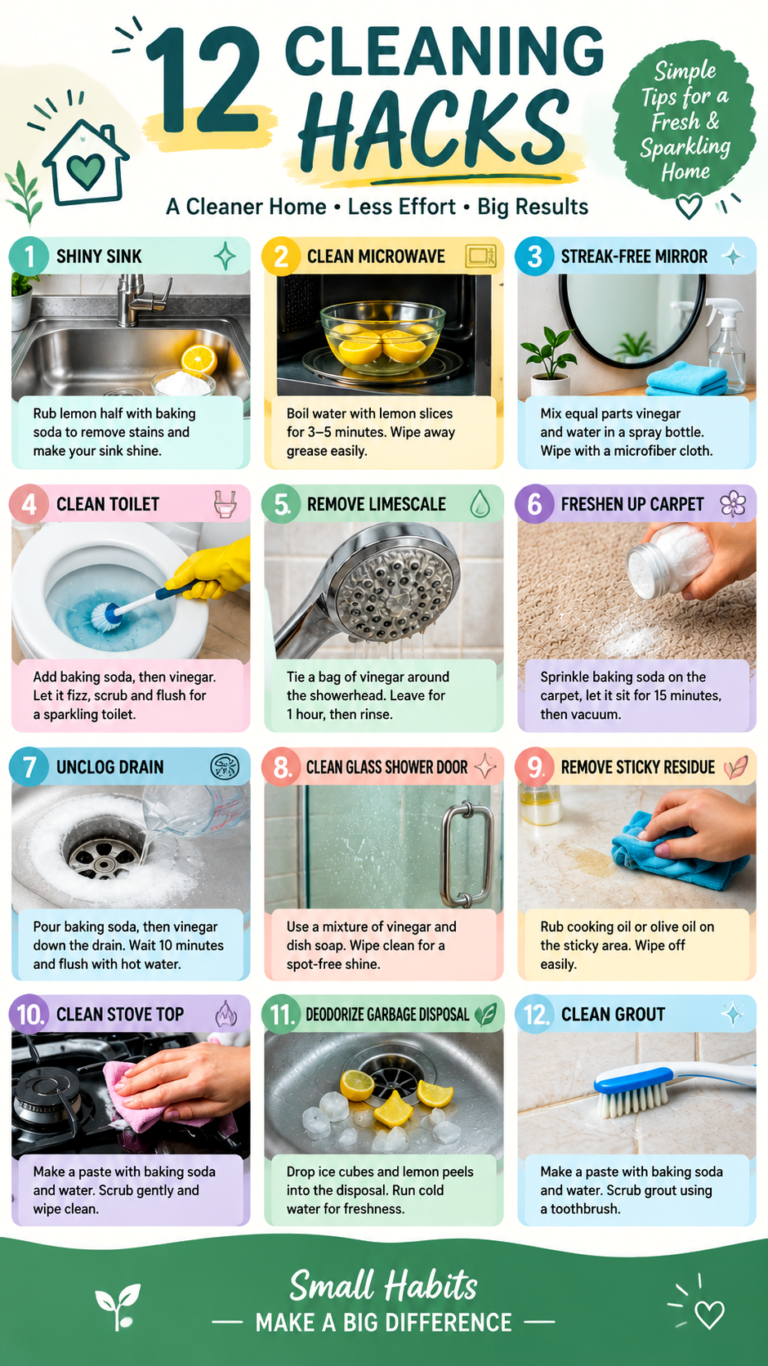
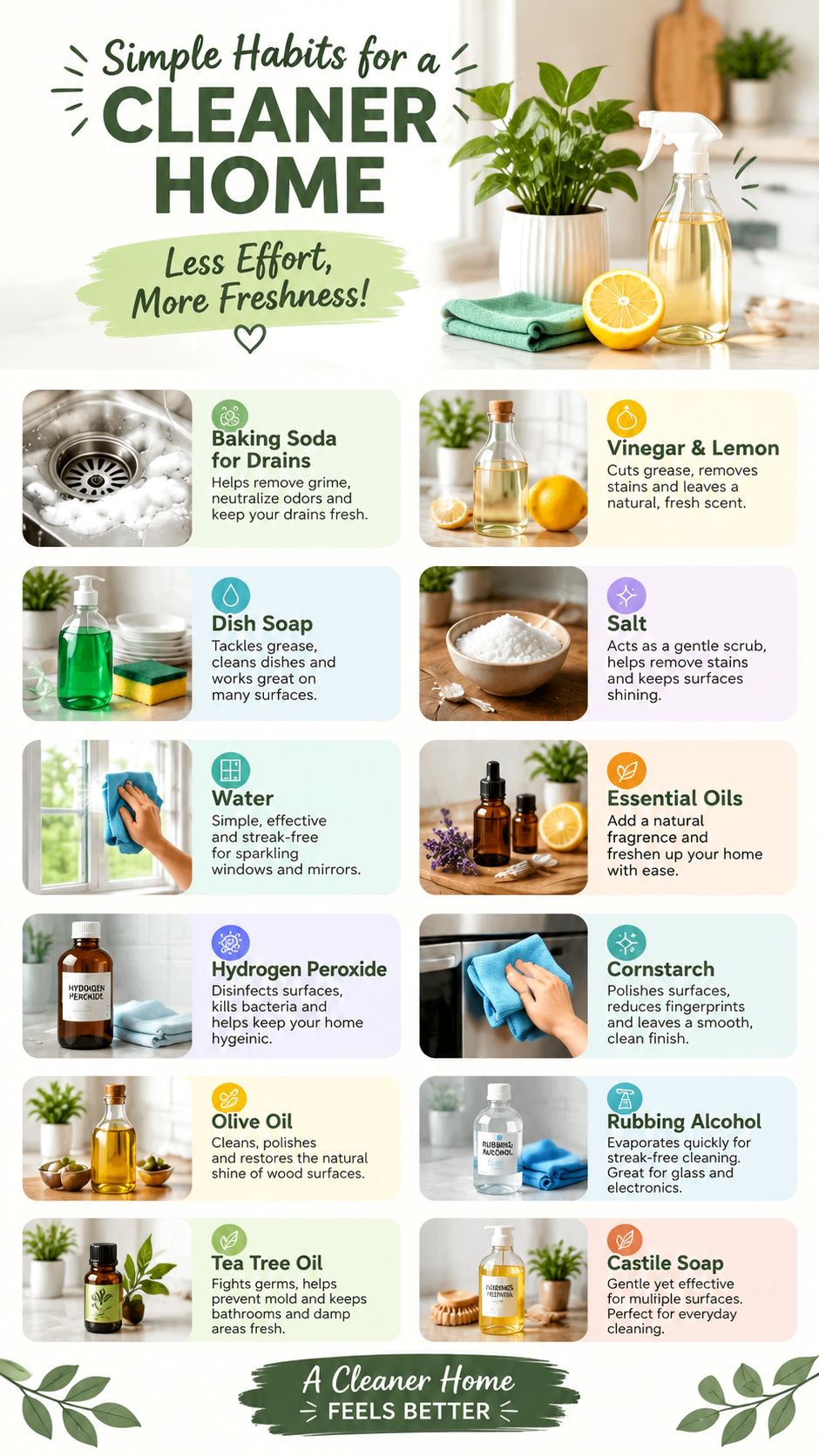
1. Clean a Slow Kitchen Drain with Vinegar and Baking Soda
A slow kitchen drain can collect food particles, grease, soap residue, and other debris. Vinegar and baking soda are often recommended as a homemade drain-cleaning combination because they produce an impressive fizz when mixed.
How to Try This Cleaning Hack
- Remove visible food scraps from the sink strainer.
- Place a small amount of baking soda into the drain opening.
- Add vinegar slowly and allow the mixture to fizz briefly.
- Rinse with warm water if appropriate for your plumbing and drain system.
The bubbling action can help loosen some surface residue, but it should not be mistaken for a powerful drain opener. Once vinegar and baking soda react, much of their original chemical action is neutralized. A drain strainer, regular removal of debris, and appropriate mechanical cleaning are often more effective for persistent clogs.
Best for: Light maintenance and minor residue around a drain opening.
Avoid: Using homemade mixtures as a substitute for professional attention when a drain remains blocked, backs up, or produces recurring unpleasant odors.
2. Freshen Selected Surfaces with Vinegar and Lemon
Lemon juice is often paired with vinegar in DIY cleaning recipes because it adds a fresh citrus scent and contains citric acid. Both ingredients are acidic, which means the mixture may help with certain mineral residues and light surface grime on compatible materials.
How to Make a Simple Citrus Cleaning Mixture
- Mix equal parts water and white vinegar in a suitable spray bottle.
- Add a small amount of fresh lemon juice if desired.
- Apply sparingly to a compatible, washable surface.
- Wipe with a soft cloth and rinse if the surface requires it.
This mixture can be useful for some washable hard surfaces, but it is not suitable for every countertop, metal finish, or appliance. Lemon juice and vinegar can both etch acid-sensitive stone, so keep the mixture away from marble, limestone, and similar materials.
For persistent odors, remove the source first. A scented cleaner may temporarily mask an odor without addressing the food residue, dampness, or buildup causing it.
3. Cut Through Grease with Vinegar and Dish Soap
Greasy stovetops, kitchen counters, and washable backsplashes can become coated with cooking oils and sticky food residue. Dish soap is designed to help lift grease, while diluted vinegar may assist with certain mineral deposits and other compatible residues.
Step-by-Step Cleaning Method
- Mix warm water with a small amount of dish soap.
- Clean the greasy area with a soft sponge or microfiber cloth.
- Rinse away the soap and loosened residue.
- If the material is vinegar-safe and additional cleaning is needed, use a separate, diluted vinegar solution.
- Wipe the surface dry with a clean cloth.
For most greasy kitchen messes, dish soap and warm water should be your first choice. Adding vinegar is optional and may offer little extra benefit against heavy grease. Avoid acidic mixtures on natural stone, waxed finishes, and surfaces whose manufacturers advise against vinegar.
Best for: Suitable washable kitchen surfaces, including some glazed tile and compatible hard countertops.
4. Use Vinegar and Salt for Selected Stain Removal
Salt is a mild abrasive that may help lift certain deposits when used carefully. Combined with vinegar, it appears in many traditional cleaning recipes for sinks, cookware, and other hard surfaces.
Before trying this combination, consider the material. Salt crystals can scratch delicate finishes, and acidic vinegar can corrode or discolor some metals. The mixture is therefore not appropriate for every sink or piece of cookware.
A Safer Approach
- Check the manufacturer’s cleaning instructions.
- Start with warm water and a gentle dish soap solution.
- For a compatible, durable surface, test a small amount of a mild cleaning paste in a hidden spot.
- Use a soft sponge rather than aggressive scrubbing.
- Rinse thoroughly and dry the surface.
If your sink or cookware has a delicate coating, polished finish, or special protective layer, use a cleaner recommended by the manufacturer instead. Gentle cleaning is usually preferable to risking permanent scratches.
5. Make Windows and Mirrors Shine with Vinegar and Water
Windows and mirrors are among the most practical uses for diluted white vinegar. On suitable glass, it can help loosen light mineral spots and residue that contribute to a cloudy appearance. Using the correct amount and drying the glass properly can help reduce streaks.
How to Clean Glass Without Streaks
- Mix one part white vinegar with one part water in a clean spray bottle.
- Dust the glass first to remove loose particles.
- Spray a light mist onto the glass or apply the solution to a cloth.
- Wipe with a clean microfiber cloth, working from top to bottom.
- Buff away remaining moisture with a dry section of the cloth.
For best results, clean windows when direct sunlight is not heating the glass, since rapid evaporation can leave streaks. Avoid spraying liquid directly near electrical components, untreated wood, or delicate window seals.
Cleaning tip: Use a separate cloth for the final buffing step. A cloth that is already damp or greasy may simply move residue around instead of leaving the glass clear.
6. Add Vinegar to Your Cleaning Routine with Essential Oils
Essential oils are popular in homemade cleaning recipes because they provide fragrance. A few drops may make a cleaning routine smell more pleasant, but they do not automatically make a vinegar solution a more effective or safer cleaner.
What to Know Before Using Essential Oils
Essential oils do not necessarily dissolve evenly in water and vinegar. They may leave droplets or residue, and concentrated oils can irritate skin or affect certain finishes. Some oils can also be harmful to pets, particularly if they are ingested or used in concentrated form.
If you enjoy a fragrant home, consider using a separate fragrance product according to its label instead of adding essential oils to every homemade cleaning mixture. Keep fragrances away from children and pets, and ensure good ventilation when using scented products.
Best for: Adding fragrance to a cleaning routine through a suitable, properly labeled product rather than relying on essential oils for disinfection.
7. Understand the Limits of Vinegar and Hydrogen Peroxide
Hydrogen peroxide is used in certain household products for specific cleaning and disinfecting purposes. Vinegar is acidic. Although both ingredients appear in DIY cleaning discussions, they should not be combined in the same container or deliberately mixed together.
Mixing vinegar and hydrogen peroxide can create peracetic acid, which may irritate or injure the eyes, skin, and respiratory system. The ingredients should be stored separately and used only according to their respective product instructions.
Safety warning: Never mix vinegar and hydrogen peroxide in one bottle or bowl. Do not combine vinegar with bleach, either, because this can release dangerous chlorine gas. Use one appropriate product at a time, follow the label, and rinse surfaces when directed before switching products.
For kitchen and bathroom cleaning, begin with soap or a suitable household cleaner to remove dirt. When disinfection is necessary, select a product specifically labeled for that purpose and follow its instructions for application and contact time.
8. Clean Selected Surfaces with Vinegar and Cornstarch
Cornstarch is sometimes included in homemade polishing recipes because it can help absorb moisture and act as a very fine powder. However, it is not a universal polish, and it can leave a residue if it is not removed thoroughly.
For glass or stainless steel, a clean microfiber cloth and a suitable surface cleaner are often a more reliable option. If you want to try a cornstarch-based recipe on a compatible surface, test it first and avoid rubbing abrasive particles against delicate finishes.
How to Get a Smooth Finish
- Remove loose dirt and crumbs from the surface.
- Clean with a product suitable for the material.
- Wipe away all remaining cleaner with a clean cloth.
- Buff dry using a soft microfiber cloth if the manufacturer’s care instructions allow it.
For ovens, cooktops, coated appliances, and specialty finishes, follow the appliance manufacturer’s guidance. Homemade powders and acidic solutions may damage protective coatings or leave unwanted residue.
9. Refresh Suitable Wood Surfaces with Vinegar and Olive Oil
Wooden furniture and countertops need a little extra care because their finishes vary. Some wood surfaces are sealed with polyurethane or another protective coating, while others may be oiled, waxed, or unfinished. A homemade mixture that works on one finish may damage another.
Olive oil is sometimes used in DIY wood-polishing recipes, but it can leave a greasy film, attract dust, and become sticky over time. Vinegar may dull or damage certain finishes, especially with repeated use. Combining the two is not a dependable choice for routine wood care.
A Better Way to Care for Wood
- Dust the surface with a soft, dry cloth.
- Wipe spills promptly instead of allowing moisture to sit on the wood.
- Use a slightly damp cloth only when appropriate for the finish.
- Apply a furniture polish or wood-care product designed for that particular surface when needed.
Remember: Do not use vinegar on unfinished wood or a delicate finish unless the manufacturer specifically approves it. For valuable furniture, follow the recommended care instructions rather than experimenting with pantry ingredients.
10. Use Vinegar Carefully Around Electronics and Glass Screens
Computer screens, televisions, phones, and other electronics can collect fingerprints, dust, and smudges. Although vinegar is useful for some types of glass, that does not mean it is safe for electronic displays. Many screens have delicate coatings that can be damaged by acidic solutions or unsuitable cleaning products.
The Safer Electronics Cleaning Method
- Turn off the device and disconnect it from power when appropriate.
- Check the manufacturer’s instructions for the screen or device.
- Use a clean, soft microfiber cloth to remove dust and light fingerprints.
- If additional cleaning is needed, use only a product approved for that device.
- Never spray liquid directly onto a screen, keyboard, charging port, or other opening.
For laptops and phones, avoid vinegar unless the manufacturer explicitly recommends it. Even a small amount of liquid can enter openings, while acidic cleaners can affect screen coatings and surrounding materials.
11. Use Tea Tree Oil Carefully in Bathroom Cleaning
Bathrooms can develop soap residue, mineral deposits, and unpleasant odors, especially in areas that stay damp. Tea tree oil appears in many natural cleaning recipes because it has a strong herbal scent and has been studied for certain antimicrobial properties. However, adding a few drops to vinegar does not turn the mixture into a proven disinfectant.
For routine bathroom maintenance, focus on removing visible soil, cleaning compatible surfaces, and allowing damp areas to dry thoroughly. Use a bathroom cleaner that is suitable for your fixtures and materials, particularly around shower doors, tiles, and faucets.
Simple Bathroom Freshening Tips
- Wipe wet surfaces after use to reduce lingering moisture.
- Clean soap residue with a suitable bathroom cleaner and a soft cloth.
- Improve ventilation by using an exhaust fan or opening a window when practical.
- Address persistent dampness or mold rather than covering odors with fragrance.
- Keep essential oils away from children and pets, and never treat them as a replacement for an approved disinfectant.
For mold or recurring moisture problems, identify and correct the source of dampness. A scented homemade spray will not solve a leak, and vinegar should not be assumed to eliminate every type of mold or make a contaminated area safe.
12. Try Vinegar and Castile Soap for Everyday Cleaning
Castile soap is a plant-oil-based soap often used for household cleaning. It can be useful for some general cleaning tasks when diluted appropriately, but combining it directly with vinegar is not always effective. Because soap is alkaline and vinegar is acidic, the acid can react with the soap and reduce its cleaning performance, sometimes leaving a residue.
Instead of mixing them together, use the product that best suits the job. A properly diluted soap solution can help remove ordinary dirt from compatible surfaces, while diluted vinegar may be useful for certain mineral deposits on vinegar-safe materials.
How to Clean Floors and Other Hard Surfaces
- Sweep or vacuum the floor to remove dust and grit.
- Choose a cleaner recommended for the flooring material.
- Dilute the cleaner according to the label rather than guessing at the concentration.
- Use a well-wrung mop and avoid leaving excess water on the floor.
- Allow the surface to dry completely before walking on it.
Be particularly careful with hardwood, natural stone, waxed floors, and other specialty materials. Vinegar can damage some finishes, and excessive moisture can harm wood flooring. Always follow the manufacturer’s care instructions.
Why This Matters
The best homemade cleaning routine is not about mixing as many ingredients as possible. It is about matching the right cleaner to the surface and the type of mess.
- Use dish soap and water for many everyday greasy messes.
- Choose diluted vinegar for compatible surfaces affected by certain mineral deposits.
- Use a labeled disinfectant when disinfection is actually needed.
- Never combine household chemicals just because a DIY recipe recommends it.
Surfaces You Should Never Clean with Vinegar
Although vinegar is useful for selected cleaning tasks, its acidity makes it unsuitable for several common household materials. Knowing where not to use it can prevent expensive damage.
Natural Stone Countertops
Marble, limestone, travertine, and other calcium-based natural stones can react with acids. Vinegar may dull the polished finish or etch the surface. Use a stone-safe cleaner recommended by the manufacturer instead.
Certain Metal Finishes
Repeated exposure to vinegar may corrode or discolor some metals, including certain aluminum, copper, brass, and plated finishes. Check the care instructions before using an acidic solution on faucets, cookware, fixtures, or decorative hardware.
Electronics and Sensitive Coatings
Do not assume that a glass screen can be cleaned with the same mixture as a household window. Electronic displays, protective coatings, camera lenses, and specialized finishes may require a manufacturer-approved cleaner.
Waxed or Unfinished Wood
Vinegar and excess moisture may damage wax, unfinished wood, and some furniture finishes. Use a dry dusting cloth or a cleaner specifically designed for the surface.
How to Make a Simple Vinegar Cleaning Spray
For compatible surfaces, a basic diluted vinegar spray is often all you need. You do not need to add a long list of ingredients to create a useful household cleaning solution.
Ingredients and Supplies
- 1 cup plain white vinegar
- 1 cup water
- A clean, clearly labeled spray bottle
- A clean microfiber cloth
Instructions
- Pour the water and white vinegar into the clean bottle.
- Secure the spray top and gently swirl to combine.
- Label the bottle clearly with its contents.
- Test the mixture on a small, hidden area of a compatible surface.
- Apply sparingly, wipe clean, and rinse when appropriate for the material.
Pro Tip: Start with the simplest cleaning method that works. Warm water, a little dish soap, and a microfiber cloth can handle many everyday messes. Save vinegar for jobs where its acidity offers a clear advantage, such as certain mineral deposits on compatible surfaces.
Never add bleach, hydrogen peroxide, drain cleaner, or another cleaning product to this spray bottle. Keep the bottle away from children and pets, and do not reuse a container that could be mistaken for a food or drink bottle.
Frequently Asked Questions About Vinegar Cleaning Hacks
Can vinegar disinfect household surfaces?
Vinegar is not a reliable substitute for a registered household disinfectant. It may help with certain cleaning tasks, but it does not consistently kill all germs that can cause illness. For disinfection, choose an appropriate labeled product and follow its directions carefully.
Does vinegar remove bad smells?
Vinegar may help reduce certain odors, but results depend on what is causing the smell. Removing the source, washing the affected area, and allowing it to dry are often the most effective steps. Persistent odors may indicate a plumbing, moisture, or ventilation problem.
Can I mix vinegar with baking soda?
The ingredients react and create carbon dioxide bubbles, which can help loosen some superficial residue. However, the reaction also neutralizes much of their acidity and alkalinity. The mixture is not automatically more powerful than using an appropriate cleaner by itself.
Is vinegar safe for every countertop?
No. Avoid vinegar on marble, limestone, travertine, and other acid-sensitive stone. Some engineered surfaces and specialty finishes also have specific cleaning requirements. Consult the manufacturer’s instructions before using an acidic cleaner.
Can vinegar replace all my household cleaners?
No single ingredient can safely and effectively clean every surface and type of mess. Vinegar is useful for selected tasks, while dish soap, surface-specific cleaners, and properly labeled disinfectants each have different purposes.
Vinegar Cleaning Hacks at a Glance
- Glass and mirrors: Try diluted vinegar on compatible glass and buff with a clean microfiber cloth.
- Greasy kitchen surfaces: Start with warm water and dish soap.
- Drain maintenance: Remove visible debris and do not rely on vinegar and baking soda for stubborn clogs.
- Wood and electronics: Follow manufacturer-approved cleaning instructions instead of experimenting with vinegar.
- Cleaning safety: Never mix vinegar with bleach or hydrogen peroxide, and keep acidic mixtures away from natural stone.
Conclusion: Enjoy a Fresher Home with Smarter Cleaning Habits
These 12 vinegar cleaning hacks show how one familiar household ingredient can play a useful role in a practical cleaning routine. From helping remove certain mineral deposits on glass to supporting everyday maintenance on compatible hard surfaces, diluted white vinegar can be a helpful option when used thoughtfully.
The secret is knowing when vinegar is appropriate and when another cleaner is a better choice. Dish soap and water remain excellent starting points for many greasy messes, while delicate materials such as natural stone, wood finishes, and electronic screens deserve specialized care. Avoid risky chemical combinations, test unfamiliar mixtures first, and always follow the instructions for your surfaces and cleaning products.
You do not need dozens of complicated DIY recipes to keep your home looking its best. A few reliable cleaning habits, the right tools, and a little consistency can make everyday chores feel more manageable. Save these vinegar cleaning tips for your next cleaning day, and choose the hacks that suit your home, your surfaces, and your routine.
Tags
Vinegar Cleaning Hacks
Natural Cleaning
DIY Cleaning Tips
Eco-Friendly Home
Kitchen Cleaning
Window Cleaning
Home Cleaning Hacks
Budget-Friendly Cleaning