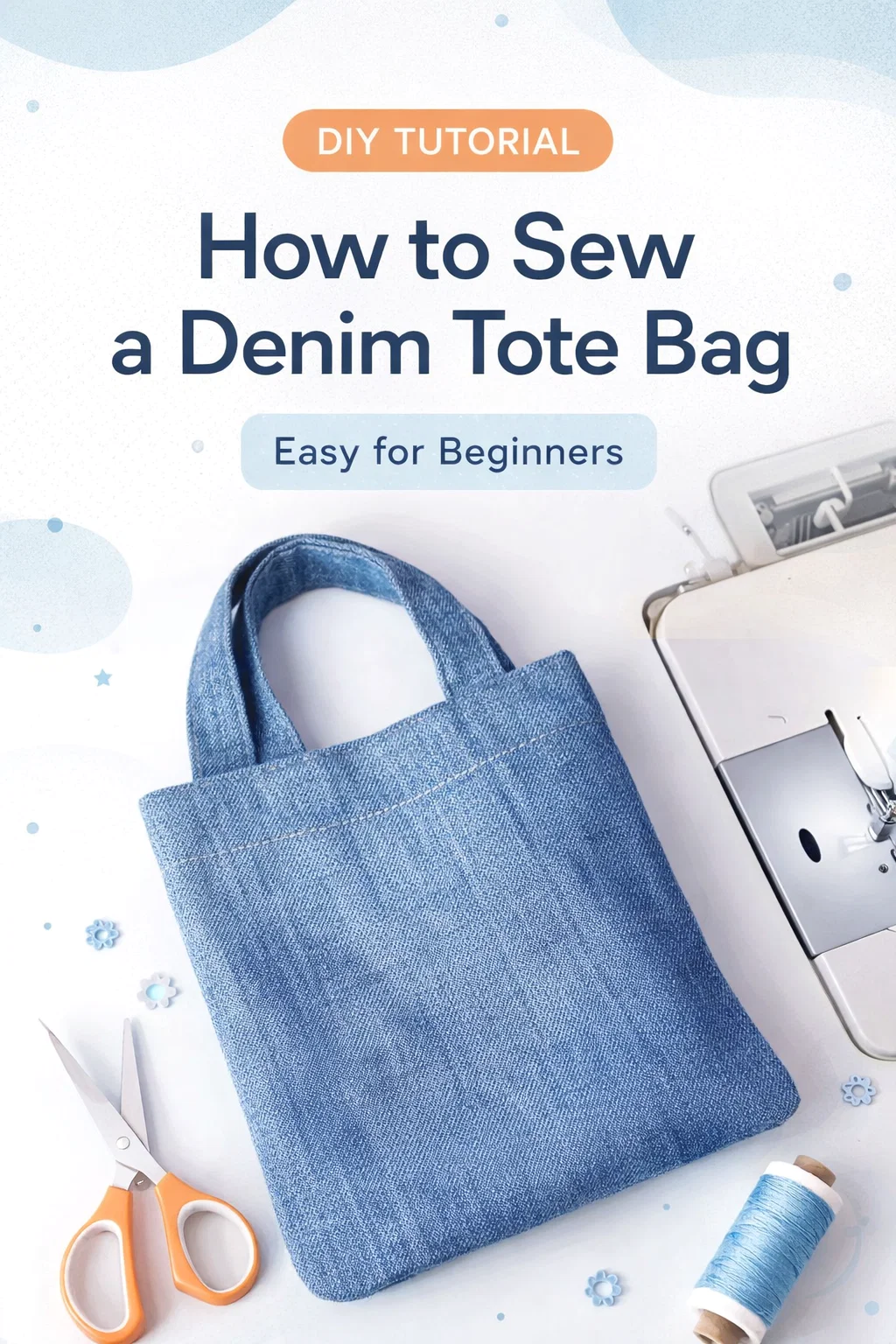
DIY Mini Denim Tote Bag Easy Upcycled Jean Purse Tutorial
Transforming a pair of worn out jeans into a functional piece of art is one of the most rewarding projects any sewing enthusiast can undertake. There is something deeply satisfying about taking a fabric that has already lived a full life as a garment and giving it a brand new purpose. Denim is the perfect candidate for upcycling because of its incredible durability, timeless aesthetic, and the way it gains character through wear and tear. This project focuses on creating a mini denim tote bag that is as practical as it is stylish. Whether you are a seasoned pro at the sewing machine or a beginner looking for a manageable first project, this guide will walk you through the nuances of working with denim and creating a high quality accessory that rivals anything found in a boutique.
The Rising Appeal of Upcycled Denim
In a world increasingly dominated by fast fashion, the movement toward sustainable, handmade goods has never been stronger. Upcycling denim is at the forefront of this shift. Denim fabric is resource intensive to produce, requiring significant amounts of water and dye. By repurposing old jeans instead of letting them end up in a landfill, you are making a conscious choice to reduce your environmental footprint. Beyond the eco friendly benefits, denim offers a unique texture that synthetic materials simply cannot replicate. The subtle fades, the cross hatch weave, and the sturdy weight of the fabric provide a professional finish to DIY bags. A mini tote made from repurposed denim carries a story, making it far more interesting than a mass produced item.
Why Choose the Mini Tote Silhouette
The mini tote bag has become a staple in modern wardrobes. It strikes the perfect balance between a traditional handbag and a minimalist carryall. Its compact size makes it ideal for those days when you only need the essentials: a phone, a wallet, keys, and perhaps a favorite lipstick. By using denim, you ensure that this small bag can handle the weight of these items without losing its shape. The structural integrity of the fabric allows the bag to stand up on its own, which is a hallmark of well made accessories. Furthermore, the blue tones of denim act as a neutral, meaning your new creation will complement almost any outfit, from a casual summer dress to a sophisticated blazer and trousers combination.
Essential Tools for Sewing with Heavy Fabrics
Before you begin cutting into your denim, it is crucial to ensure you have the right tools for the job. Denim is a thick, tightly woven twill fabric that can be challenging for standard sewing equipment. Using the wrong needle or thread can lead to skipped stitches, broken needles, or uneven tension. To achieve the professional look seen in the project image, you should prepare your workspace with specific supplies designed for heavy duty textiles.
Selecting the Right Needle and Thread
The most important tool in your arsenal is a denim or jeans needle. These needles are designed with a reinforced blade and a very sharp, slender point that can pierce through multiple layers of dense fabric without deflection. For most upcycling projects, a size 90/14 or 100/16 needle is ideal. Pair this with a high quality all purpose polyester thread or a specialized topstitching thread. If you want those classic golden orange seams often seen on commercial jeans, look for a thicker topstitching thread. Remember that if you use a heavy thread on top, you should still use regular all purpose thread in your bobbin to prevent the machine from jamming.
Cutting Tools and Marking Pens
Denim can be tough on blades, so ensure your fabric shears are sharp before you start. A rotary cutter is often preferred for denim because it allows for long, straight cuts with minimal fraying. You will also need a reliable way to mark your fabric. Tailor’s chalk or a heat erasable pen works best on blue denim, as standard lead pencils are often invisible against the dark indigo dye. Clear markings are the secret to maintaining symmetry in your bag handles and side seams.
Step by Step Construction Guide
Creating this mini tote is a logical process that rewards patience and precision. The goal is to create clean lines and sturdy junctions, especially where the handles meet the body of the bag. Following a structured workflow ensures that the finished product looks intentional and polished.
Preparing and Cutting the Denim
Start by deconstructing your old denim. Cut along the inseams and outseams of the jeans to lay the fabric flat. Avoid using areas with heavy knee wear where the fabric might be too thin or stretched out. For a standard mini tote, you will need two rectangular pieces for the main body and two long strips for the handles. If you want a more structured bag, consider cutting matching pieces of cotton interfacing to fuse to the back of the denim. This adds stiffness and prevents the bag from sagging over time. Lay your pattern pieces along the grainline of the fabric to ensure the bag hangs correctly and does not twist.
Assembling the Body
Place the two main body panels right sides together. Pin along the sides and the bottom edge. When sewing denim, it is helpful to use a slightly longer stitch length than usual, typically around 3.0mm to 3.5mm. This allows the thread to sit comfortably over the thick fibers. Once the sides are sewn, finish the raw edges with a zigzag stitch or a serger to prevent fraying. To give the bag a flat bottom, you can “box the corners” by pinching the bottom corners perpendicular to the side seams and sewing across. This simple technique transforms a flat pouch into a three dimensional tote that can stand upright.
Mastering the Handles and Finishing Touches
The handles are often the most visible part of a tote bag, so taking extra care here pays off. For the mini tote pictured, the handles are short and sturdy, designed to be carried in the hand or on the crook of the arm. To make them, fold your denim strips lengthwise with raw edges tucked into the center, then topstitch along both long edges. This not only secures the fabric but also creates a decorative professional look.
Attaching Handles for Maximum Strength
Position the handles on the inside of the top rim, ensuring they are spaced evenly from the side seams. It is common to secure them with a “box and X” stitch pattern. This involves sewing a small square where the handle overlaps the bag and then sewing a diagonal cross inside the square. This technique distributes the tension across a larger area, preventing the denim from tearing even if the bag is loaded with heavy items. Once the handles are in place, fold the top edge of the bag over twice to create a clean hem and sew all the way around the circumference.
The Importance of Pressing
One of the biggest differences between a homemade bag and a handmade bag is the use of an iron. Denim is a very responsive fabric when it comes to heat and steam. After every seam you sew, take the bag to the ironing board and press the seam flat. Pressing sets the stitches into the fabric and creates crisp edges. For the top hem and the handles, a heavy steam press will give the bag a high end, structured appearance that looks like it came straight from a retail shelf.
Styling and Using Your Mini Denim Tote
Once your project is complete, you have a versatile accessory that fits into various lifestyle niches. The mini denim tote is the ultimate “grab and go” bag. Its rugged nature means you do not have to worry about it getting scuffed or dirty, as denim only looks better with age. If it does get a bit dusty, most denim bags are machine washable, making them far more practical than leather or delicate synthetic alternatives.
Personalizing Your Creation
While the minimalist look of raw denim is beautiful on its own, this bag serves as a perfect canvas for personalization. You might consider adding embroidered floral motifs for a bohemian vibe or iron on patches for a more edgy, vintage look. Some makers like to line their denim totes with a vibrant, patterned cotton fabric. A pop of floral or polka dot print on the inside provides a delightful contrast to the tough exterior. You can also add a small interior pocket for your keys to keep them from getting lost at the bottom of the bag.
The Perfect Gift for Any Occasion
Handmade gifts are always cherished, and a mini denim tote is a thoughtful present for friends and family. Because denim is universally liked, you do not have to worry about matching a specific fashion trend. It is a timeless material. You could even fill the bag with other small treats, like a handwritten note, some organic tea, or a handmade soap, to create a beautiful gift bundle. Knowing that you spent time crafting something useful and durable adds a layer of value that money cannot buy.
Conclusion: The Joy of Creative Reuse
Sewing a mini denim tote bag is more than just a craft project; it is an exercise in creativity and resourcefulness. It challenges you to look at everyday items like an old pair of jeans and see the potential for something new. By mastering the techniques of working with heavy denim, from choosing the right needle to boxing corners and topstitching handles, you gain skills that can be applied to countless other sewing projects. The result is a sturdy, charming, and eco friendly accessory that you can carry with pride. So, the next time you find a pair of jeans that no longer fit or have a hole in the knee, do not toss them out. Grab your sewing machine, follow these steps, and create a beautiful mini tote that celebrates the enduring spirit of denim.