Eat Right, Feel Light Best Foods for Weight Loss and a Flat Stomach
Eating well does not have to be complicated. In fact, one of the simplest ways to support weight loss and maintain a flatter stomach is by choosing nutrient-dense foods that fuel your body instead of leaving you feeling sluggish. A balanced plate filled with lean protein, colorful vegetables, wholesome carbohydrates, healthy fats, and smart beverage choices can make a noticeable difference in your energy levels, appetite, and long-term health.
Rather than relying on restrictive diets or short-lived trends, focusing on whole foods helps create sustainable habits. Every meal becomes an opportunity to nourish your body, improve digestion, and build a lifestyle that supports healthy weight management. The best part is that many of these foods are affordable, easy to prepare, and incredibly versatile.
Key Takeaways
- Choose lean proteins to support muscle maintenance and fullness.
- Fill half your plate with colorful fruits and vegetables.
- Include fiber-rich whole grains and legumes for steady energy.
- Do not fear healthy fats. They help with satisfaction and overall nutrition.
- Combine nutritious eating with regular movement for lasting results.
Why Food Quality Matters More Than Cutting Calories
Many people believe that losing weight is simply about eating less. While calorie balance plays an important role, the quality of those calories often determines how satisfied, energized, and healthy you feel throughout the day.
Important: Choosing nutrient-rich foods helps you stay full longer, reduces unnecessary snacking, and provides essential vitamins and minerals that support your metabolism and overall wellness.
Whole foods naturally contain fiber, protein, healthy fats, antioxidants, and beneficial plant compounds. These nutrients work together to help regulate appetite, improve digestion, and maintain stable blood sugar levels.
Lean Protein Builds a Strong Foundation
Protein is one of the most valuable nutrients for healthy weight management. It helps preserve muscle while your body loses fat, keeps you feeling satisfied after meals, and requires more energy to digest compared to fats and carbohydrates.
Excellent Lean Protein Choices
- Chicken breast
- Turkey breast
- Tuna
- Salmon
- Eggs
- Plant-based proteins like tofu and lentils
Including a quality protein source with breakfast, lunch, and dinner can reduce hunger between meals while supporting recovery after exercise.
Fill Your Plate with Fruits and Vegetables
Fresh produce provides fiber, vitamins, minerals, antioxidants, and hydration while remaining naturally low in calories. Eating a colorful variety ensures you receive a broad spectrum of nutrients.
Smart Produce Choices
- Apples
- Blueberries
- Bananas
- Broccoli
- Spinach
- Cauliflower
- Carrots
- Cucumber
- Tomatoes
- Bell peppers
Vegetables can easily be added to salads, soups, stir-fries, wraps, omelets, and smoothies. Fruits make naturally sweet snacks that satisfy cravings while supplying beneficial nutrients.
Expert Insight
Instead of eliminating favorite foods, build meals around vegetables first. Then add lean protein, a serving of whole grains, and a healthy fat. This simple strategy naturally creates balanced portions.
Choose Whole Grains and Fiber-Rich Carbohydrates
Carbohydrates often receive unnecessary criticism, but they remain an essential fuel source. The key is choosing minimally processed options that provide fiber and long-lasting energy.
Whole grains and legumes digest more slowly than refined carbohydrates, helping prevent dramatic spikes and crashes in blood sugar.
Nutritious Carbohydrate Sources
- Brown rice
- Oats
- Quinoa
- Buckwheat
- Black beans
- Kidney beans
- Chickpeas
- Lentils
These foods are excellent additions to meal bowls, soups, salads, and side dishes while contributing valuable fiber and plant protein.
Pro Tip: Pair fiber-rich carbohydrates with lean protein to stay satisfied for longer periods and maintain consistent energy throughout your day.
Healthy Fats Are Your Friend
For years, many diets encouraged people to avoid fat entirely. Modern nutrition research supports a more balanced approach. Healthy fats contribute to hormone production, brain health, nutrient absorption, and meal satisfaction.
Healthy Fat Options
- Avocados
- Nuts
- Almonds
- Chia seeds
- Flax seeds
- Olive oil
Although healthy fats are calorie dense, moderate portions can actually support weight management by helping reduce overeating later in the day.
Natural Ingredients That Complement a Healthy Lifestyle
Some everyday pantry staples can add flavor and nutritional value without relying on excess sugar or heavy sauces.
- Green tea offers hydration and natural antioxidants.
- Cinnamon adds sweetness without extra sugar.
- Turmeric contributes vibrant color and beneficial plant compounds.
- Ginger provides a refreshing flavor for meals and beverages.
- Cayenne pepper adds heat that may encourage more mindful eating.
- Lemon water can make staying hydrated more enjoyable.
These ingredients should be viewed as complements to a balanced diet rather than miracle solutions.
Build Balanced Meals Every Day
Creating healthy meals becomes much easier when you follow a simple framework.
A Balanced Plate Includes
- Lean protein.
- Colorful vegetables.
- A serving of whole grains or legumes.
- A source of healthy fat.
- Water or an unsweetened beverage.
This combination supplies a wide variety of nutrients while helping control hunger naturally.
Common Mistakes That Slow Progress
- Skipping meals and becoming overly hungry.
- Depending heavily on processed snack foods.
- Ignoring portion sizes.
- Drinking high-calorie sugary beverages.
- Expecting overnight results.
- Completely avoiding carbohydrates or healthy fats.
Healthy weight loss is usually gradual. Consistency over weeks and months produces far better outcomes than extreme dieting.
Important: Sustainable eating habits consistently outperform restrictive meal plans. Focus on improving one meal at a time rather than trying to achieve perfection immediately.
Hydration Supports Every Goal
Water plays an important role in digestion, metabolism, and overall health. Many people mistake thirst for hunger, leading to unnecessary snacking.
Keep water available throughout the day and consider unsweetened tea as another refreshing option. Staying hydrated also supports exercise performance and recovery.
Healthy Habits Beyond the Kitchen
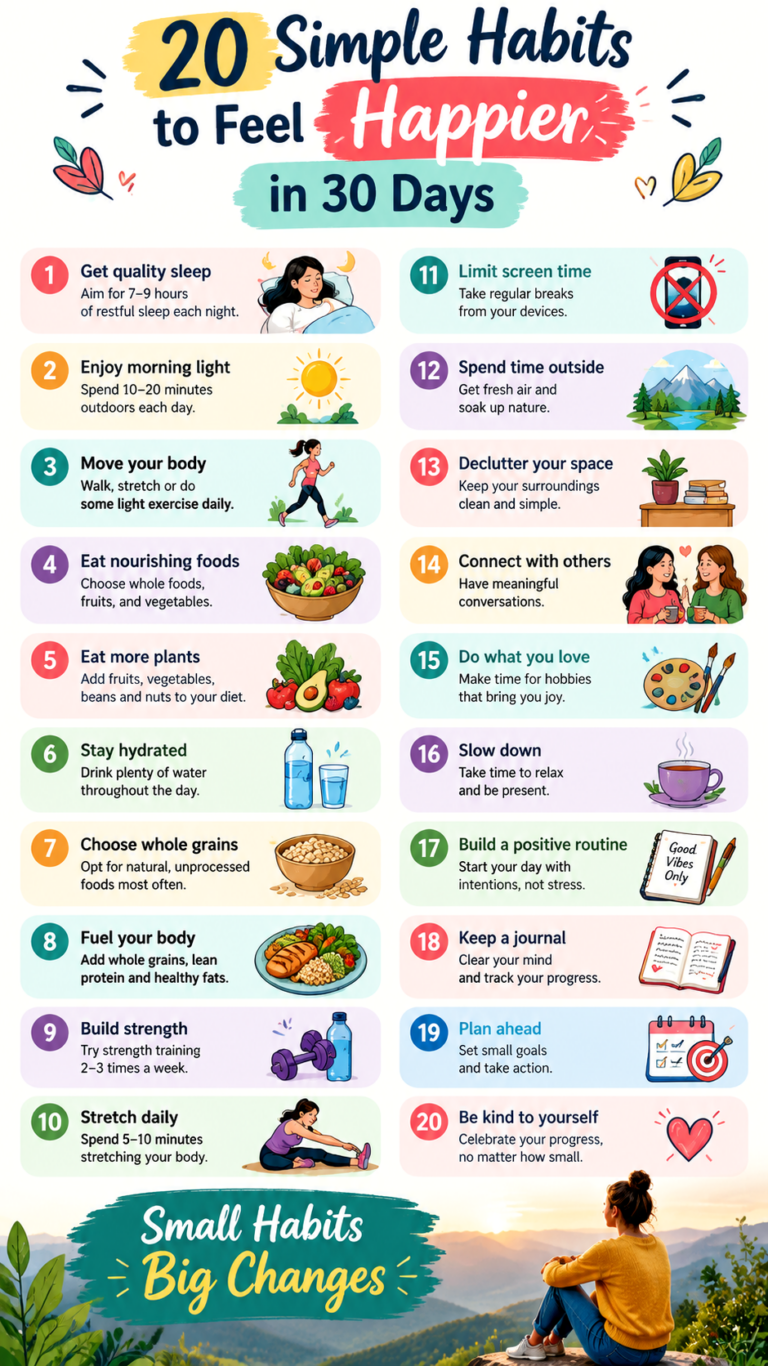
Nutrition is only one part of a healthy lifestyle. Pairing balanced eating with regular movement, quality sleep, and stress management provides the strongest foundation for long-term success.
Lifestyle Habits Worth Building
- Walk daily whenever possible.
- Strength train two or three times each week.
- Aim for consistent sleep.
- Plan meals ahead of busy days.
- Practice mindful eating without distractions.
- Celebrate small improvements instead of chasing perfection.
At a Glance
- Prioritize lean protein at every meal.
- Eat more colorful fruits and vegetables.
- Choose fiber-rich whole grains over refined options.
- Include healthy fats in moderation.
- Stay hydrated and remain physically active.
Conclusion
Healthy eating is not about chasing perfection or eliminating entire food groups. It is about making consistent, thoughtful choices that nourish your body and support your goals over time. Lean proteins, colorful produce, whole grains, healthy fats, and wholesome beverages work together to create meals that are satisfying, nutritious, and enjoyable.
When these foods become part of your everyday routine, healthy weight management feels more achievable and sustainable. Start with small improvements, build balanced meals, stay active, and remain patient. Lasting results come from habits you can maintain for years, not just weeks.
Tags
Healthy Eating Weight Loss Balanced Diet Healthy Foods Nutrition Tips Meal Planning Clean Eating Healthy Lifestyle