Hormone Balancing Foods 10 Healthy Foods to Support Hormone Balance
Hormone balance is influenced by many parts of daily life, and nutrition is one practical place to start. The foods you choose regularly can help provide the protein, fiber, healthy fats, vitamins, minerals, and plant compounds your body needs to support normal hormonal function. A balanced approach does not require a complicated diet. It can begin with simple ingredients such as avocado, eggs, leafy greens, berries, legumes, whole grains, seeds, nuts, and colorful vegetables.
Important: No single food can magically balance hormones. The most useful approach is to build a varied, nutrient-dense eating pattern that supports overall health while paying attention to your individual needs.
Key Takeaways
- Include a variety of whole foods instead of relying on one so-called hormone-balancing food.
- Healthy fats from foods such as avocado, nuts, seeds, and olive oil can complement a balanced diet.
- Fiber-rich foods including legumes, whole grains, vegetables, and berries support digestive and metabolic health.
- Protein from eggs, fish, yogurt, legumes, nuts, and other foods helps create satisfying, balanced meals.
- Colorful fruits and vegetables provide a broad range of nutrients and beneficial plant compounds.
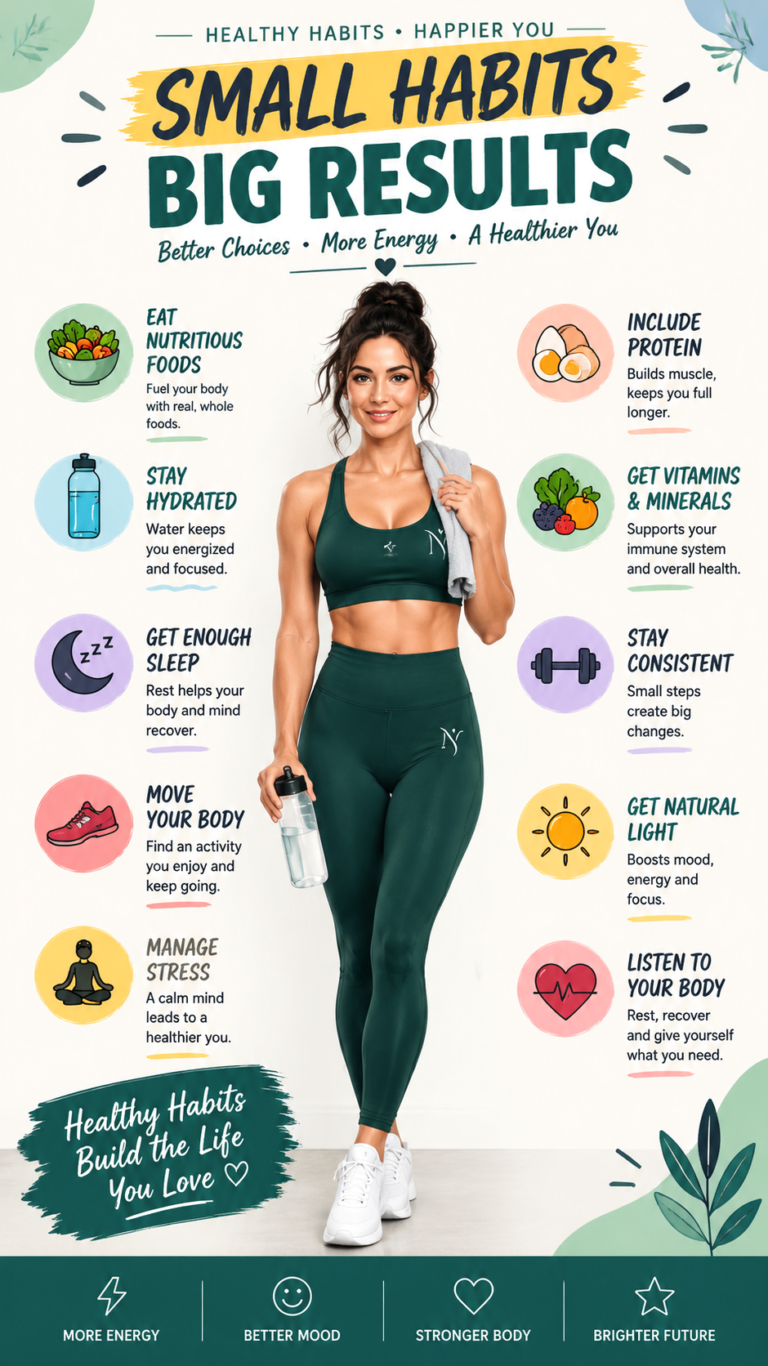
- Hydration, sleep, movement, and stress management matter alongside nutrition.
What Are Hormone Balancing Foods?
The phrase “hormone balancing foods” is often used to describe nutritious foods that support the body’s normal processes rather than directly changing hormone levels. Hormones are chemical messengers involved in metabolism, reproduction, growth, appetite, mood, stress responses, and many other functions. Their production and activity depend on a complex network involving organs, tissues, nutrients, sleep, physical activity, and overall health.
That is why a balanced plate is more useful than a restrictive list of “good” and “bad” foods. A meal containing protein, fiber-rich carbohydrates, healthy fats, and colorful produce can provide a more complete nutritional foundation than focusing on a single ingredient.
Healthy Fats for a Nourishing Diet
Healthy fats are prominently featured in many hormone-focused nutrition plans. Avocado, nuts, seeds, and olive oil are convenient options that can add richness and satisfaction to meals. Fat also helps the body absorb fat-soluble vitamins, making a moderate amount of dietary fat an important part of a varied eating pattern.
Avocado
Avocado provides unsaturated fat along with fiber and several micronutrients. Add sliced avocado to whole-grain toast, salads, grain bowls, or eggs for a simple way to make meals more satisfying.
Nuts and Seeds
Walnuts, almonds, pumpkin seeds, flaxseeds, and sesame seeds can add texture and nutritional variety to everyday meals. Sprinkle them over oatmeal, yogurt, salads, or roasted vegetables. Ground flaxseed can also be mixed into smoothies or breakfast bowls.
Pro Tip: Instead of searching for one “perfect” hormone-balancing ingredient, rotate different nuts, seeds, vegetables, fruits, legumes, and protein sources throughout the week. Variety makes healthy eating more sustainable and helps broaden your nutrient intake.
Protein-Rich Foods for Balanced Meals
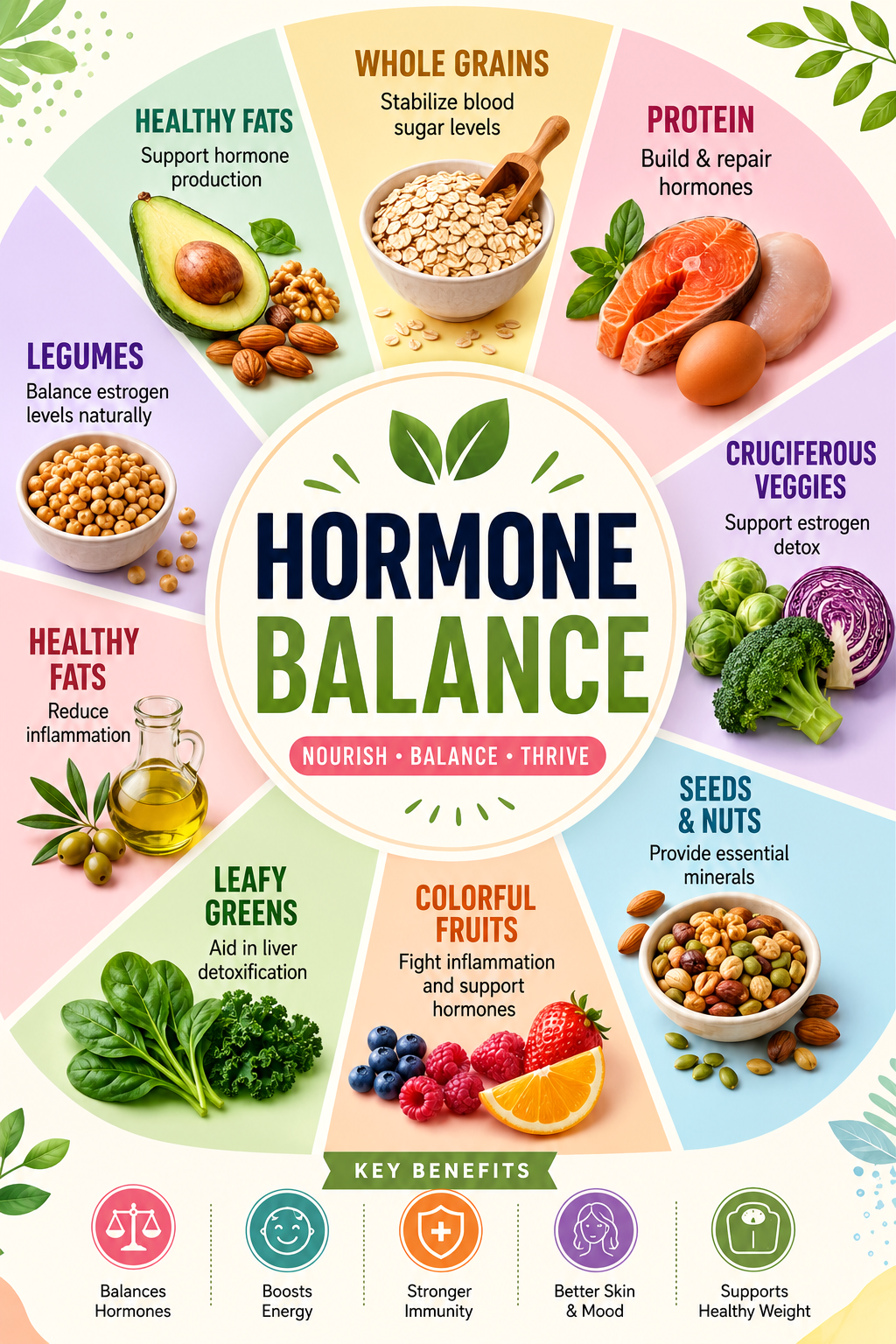
Protein is an essential nutrient that supports the maintenance and repair of body tissues and contributes to satisfying meals. The foods shown in a hormone-focused meal guide, including eggs and fish, can fit easily into a balanced eating pattern.
Eggs
Eggs are versatile and easy to prepare. Pair them with spinach, tomatoes, whole-grain toast, or other vegetables for a nutrient-dense breakfast or quick lunch. Keeping convenient protein options available can make balanced meals easier on busy days.
Fish and Seafood
Fish such as salmon and tuna can provide protein and, depending on the type, beneficial omega-3 fatty acids. Try serving fish with roasted vegetables and a whole grain for a simple dinner that combines protein, fiber, and a variety of nutrients.
Fiber-Rich Foods and Hormone-Friendly Eating
Fiber is an important part of a healthy diet and is found naturally in vegetables, fruits, legumes, whole grains, nuts, and seeds. Adding more fiber-rich foods can make meals more filling while supporting digestive health and contributing to a balanced overall eating pattern.
Legumes
Chickpeas, lentils, and soy foods are useful plant-based choices. They can be added to soups, salads, grain bowls, curries, and wraps. Lentils are particularly convenient because they cook quickly and pair well with vegetables and herbs.
Whole Grains
Oats and other whole grains can provide fiber and carbohydrates that fit into balanced meals. Start the day with oatmeal topped with berries, walnuts, or seeds. Whole grains can also form the base of savory bowls combined with vegetables and a protein source.
Cruciferous Vegetables and Leafy Greens
Vegetables are one of the easiest ways to add color and nutritional variety to your meals. Broccoli, Brussels sprouts, cabbage, kale, and other cruciferous vegetables can be roasted, steamed, sautéed, or added to soups. Their versatility makes them especially useful for building a vegetable-rich routine.
Leafy greens such as spinach and kale can be incorporated into almost any meal. Add spinach to eggs, blend greens into a smoothie, or combine leafy vegetables with legumes and whole grains for a filling lunch.
Why This Matters
Hormonal health is not controlled by a single food group. A consistent pattern built around vegetables, fruits, whole grains, protein sources, legumes, nuts, seeds, and healthy fats gives your body a broad nutritional foundation.
- Choose variety instead of repeating the same foods every day.
- Combine protein, fiber, and healthy fats to create satisfying meals.
- Think about your overall eating pattern rather than isolated ingredients.
Colorful Fruits for Everyday Nutrition
Berries, pomegranate, grapefruit, watermelon, and other colorful fruits can make healthy meals more enjoyable. Fruits provide fiber, vitamins, minerals, and naturally occurring plant compounds. Their natural sweetness also makes them an easy alternative to heavily processed desserts when you want something refreshing.
Berries
Strawberries, blueberries, raspberries, and blackberries work well at breakfast or as a snack. Add them to yogurt, oatmeal, chia pudding, or a smoothie for a colorful nutrient boost.
Pomegranate and Citrus
Pomegranate adds bright flavor and texture to salads, yogurt bowls, and grain dishes. Citrus fruits can bring freshness to meals and make a simple plate feel more exciting. The goal is not to choose one special fruit, but to enjoy a broad range of produce over time.
Foods That Can Fit Into a Hormone-Supportive Meal Plan
A hormone-conscious meal does not need to be complicated. Begin with a protein source, add plenty of vegetables or fruit, choose a fiber-rich carbohydrate, and include a moderate serving of healthy fat.
- Breakfast: Oatmeal with berries, walnuts, and ground flaxseed.
- Lunch: A chickpea and spinach salad with avocado, vegetables, and olive oil dressing.
- Snack: Plain yogurt with berries and a small handful of nuts.
- Dinner: Grilled fish with broccoli, leafy greens, and a whole grain.
- Vegetarian option: Lentils or chickpeas with roasted vegetables, whole grains, and seeds.
These combinations demonstrate an important principle: balanced meals usually come from combining foods rather than depending on a single ingredient. You can change the components based on your preferences, budget, culture, availability, and dietary requirements.
Hormone Balance Is About More Than Food
Nutrition is important, but it is only one part of the bigger picture. Sleep, physical activity, stress, hydration, and general health can all influence how you feel and how your body functions. Building sustainable habits is generally more useful than following an extreme short-term “hormone reset.”
Staying hydrated throughout the day is a simple habit. Regular movement can support overall metabolic health and wellbeing. Consistent sleep can also help you feel more energized and better prepared to make nourishing food choices.
Important: Persistent symptoms such as significant changes in menstrual cycles, unexplained weight changes, severe fatigue, fertility concerns, or other ongoing health issues deserve professional attention. Food can support general health, but it should not replace medical evaluation or treatment.
Simple Ways to Eat for Better Everyday Wellness
You do not need to completely redesign your kitchen to eat more nutrient-dense foods. Start with a few practical changes that are easy to repeat.
- Add vegetables to one extra meal each day. Keep frozen or fresh vegetables available for convenience.
- Include a protein source at meals. Eggs, fish, yogurt, legumes, nuts, seeds, and other protein foods offer plenty of variety.
- Choose whole-food carbohydrates more often. Oats, whole grains, beans, lentils, fruits, and vegetables can all contribute fiber.
- Use healthy fats thoughtfully. Avocado, nuts, seeds, and olive oil can add flavor and satisfaction.
- Make fruit an easy snack. Keep berries, citrus, apples, or other favorites within reach.
- Focus on consistency. A nourishing pattern repeated over time is more realistic than a restrictive plan that is difficult to maintain.
At a Glance
Quick Points
- Build meals around a mix of protein, fiber, produce, and healthy fats.
- Rotate colorful fruits and vegetables for greater dietary variety.
- Use seeds, nuts, avocado, and olive oil as flavorful sources of healthy fats.
- Include legumes and whole grains regularly for fiber-rich meal options.
- Support nutrition with adequate hydration, quality sleep, movement, and stress management.
Conclusion: Build a Balanced Plate, Not a Perfect Diet
Eating for hormone health does not have to mean following a complicated food list or eliminating entire categories of food. The most practical strategy is to create balanced meals using a wide range of minimally processed, nutrient-rich ingredients. Avocado, flaxseeds, eggs, fish, broccoli, leafy greens, berries, legumes, oats, nuts, and seeds can all have a place in a varied eating pattern.
The bigger goal is consistency. Choose foods you enjoy, build meals with variety, and make small changes that fit naturally into your routine. When nutritious eating becomes part of everyday life rather than a temporary challenge, it becomes much easier to maintain.
Think of hormone-supportive nutrition as one piece of a larger wellness picture. Nourish your body with balanced meals, stay active, prioritize rest, drink enough fluids, and seek professional guidance when persistent symptoms need attention. Small, sustainable choices can create a stronger foundation for feeling your best.
Tags
Hormone Balance Hormone Balancing Foods Healthy Eating Nutrition Tips Whole Foods Healthy Fats Balanced Diet Wellness Tips