How to Stop Starting Over A Reset Method That Actually Lasts
Have you ever felt like you are constantly starting over? You create a new plan, set ambitious goals, feel motivated for a few days, and then somehow find yourself back at the beginning. Many people mistake repeated restarts as failure, but a fresh start can actually be one of the most valuable learning experiences in personal growth.
The truth is that every attempt teaches you something. Each restart reveals what works, what does not, and what needs to change. Instead of viewing your setbacks as proof that you cannot succeed, you can use them as information to build a stronger, more realistic approach.
Key Takeaways
- Restarting your life is not failure, it is an opportunity to learn and adjust.
- Small consistent actions create stronger results than short bursts of motivation.
- Building systems makes progress easier when motivation disappears.
- Self-compassion helps you recover faster and stay committed.
- Tracking progress matters more than chasing perfection.
Why You Keep Restarting Your Life
Repeatedly restarting often happens because we focus on dramatic changes instead of sustainable habits. A person may decide to completely transform their routine overnight, create a long list of goals, and expect immediate results. While this approach feels exciting at first, it can become overwhelming quickly.
When expectations are too high, even a small mistake can feel like a reason to quit. Missing one workout, skipping a productive morning, or falling behind on a goal may create the belief that everything has been ruined. This all-or-nothing mindset creates a cycle of starting over instead of continuing forward.
Important: A restart is not evidence that you failed. It is feedback. Every attempt gives you valuable information about your habits, environment, priorities, and personal needs. The goal is not to never restart, but to restart smarter.
The Difference Between Restarting and Rebuilding
Restarting often means going back to the beginning and trying the same approach again. Rebuilding means taking what you learned and creating a better foundation.
Imagine someone who repeatedly tries to become more productive by creating a complicated schedule. If that schedule fails every month, the lesson is not that they lack discipline. The lesson may be that the system is too difficult to maintain.
A successful reset focuses on making adjustments:
- Reducing unnecessary tasks.
- Creating realistic daily habits.
- Changing the environment to support better choices.
- Understanding personal patterns instead of judging them.
The Lessons That Change Everything
1. Consistency Is More Powerful Than Intensity
Many life resets fail because they begin with extreme effort. People try to change everything at once, but intense motivation is difficult to maintain. Small actions repeated regularly create stronger long-term results.
A five-minute habit that you complete every day can be more valuable than a two-hour routine you abandon after one week. Consistency builds trust with yourself because you prove that you can follow through.
2. Systems Beat Willpower
Relying only on motivation makes progress unpredictable. Some days you will feel inspired, while other days you will feel tired or distracted. A strong system helps you continue even when motivation is low.
Examples of helpful systems include:
- Preparing your environment the night before.
- Creating simple morning and evening routines.
- Using reminders and tracking tools.
- Breaking large goals into smaller steps.
3. Protect Your Energy
One of the biggest changes during a life reset is learning where your energy goes. Not every commitment deserves your attention. Protecting your time allows you to focus on the things that truly matter.
This may mean saying no more often, reducing distractions, or removing habits that leave you feeling drained. Creating space is an important part of personal transformation.
How to Create a Reset Method That Lasts
A lasting life reset is not about becoming a completely different person overnight. It is about creating a lifestyle that supports the person you want to become.
Step 1: Reflect Before You Restart
Before making new goals, take time to understand your previous attempts. Ask yourself:
- What worked well?
- What made me lose momentum?
- What habits felt natural?
- What expectations were unrealistic?
Reflection turns your past experiences into a roadmap instead of a source of frustration.
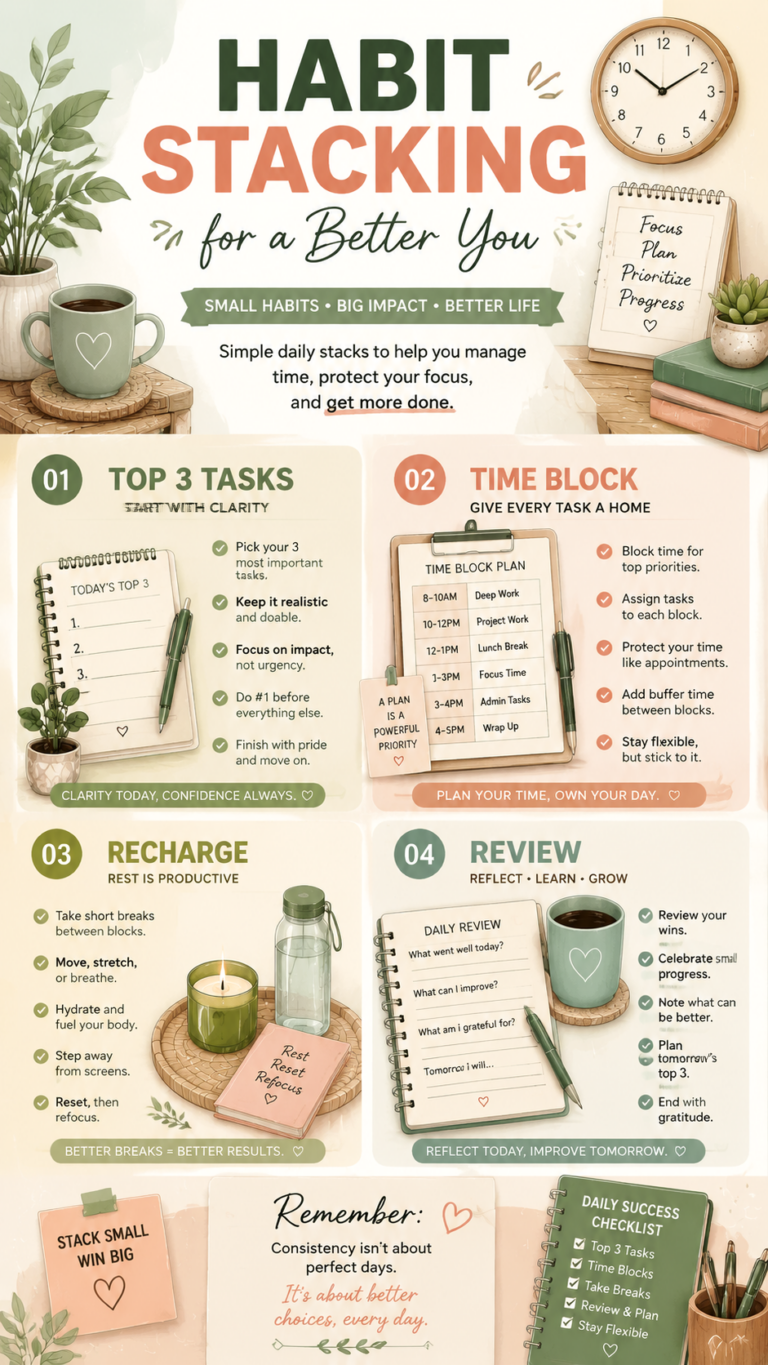
Step 2: Start With Tiny Habits
Tiny habits create confidence because they are easy to repeat. Instead of trying to completely redesign your life, choose one small action that moves you forward.
Examples include:
- Drinking water after waking up.
- Spending ten minutes organizing your space.
- Writing a short daily priority list.
- Taking a short walk each day.
Step 3: Design Your Environment
Your surroundings influence your behavior more than you may realize. A cluttered space can create mental stress, while an organized environment can make healthy choices easier.
Adjust your environment to support your goals. Keep helpful tools visible, remove unnecessary distractions, and create spaces that encourage focus.
The Mindset Shift You Need for Long-Term Growth
Many people believe success requires perfection, but progress rarely follows a straight path. Growth includes mistakes, adjustments, and unexpected changes.
Important: Your identity is not defined by how many times you have started over. It is shaped by your willingness to learn, adapt, and continue becoming better.
Instead of asking, “Why do I always fail?” try asking, “What is this experience teaching me?” This simple change in perspective can completely transform how you approach personal growth.
Why This Matters
Real transformation comes from understanding yourself, not constantly trying to become someone else.
- Progress grows through repeated effort.
- Lessons from setbacks create better strategies.
- Self-compassion makes consistency easier.
Creating Your Next Chapter
Your next chapter does not need to begin with a perfect plan. It can begin with one intentional choice today. A reset is simply an opportunity to reconnect with your goals, values, and the habits that support your future.
Remember that progress is not measured by how quickly you change. It is measured by your ability to keep moving forward, even after challenges.
At a Glance
- Use restarts as lessons, not labels.
- Build small habits that last.
- Create systems that support your goals.
- Focus on progress instead of perfection.
Final Thoughts: Your Restart Can Become Your Turning Point
Restarting your life over and over does not mean you are stuck. It means you are searching, learning, and growing. Every attempt gives you new information about what you need to create a better future.
The goal is not to avoid every setback. The goal is to develop the confidence to adjust, rebuild, and continue. When you replace judgment with curiosity and perfection with progress, every restart becomes another step forward.
Your journey does not need to be perfect to be meaningful. Start small, stay consistent, and trust that every positive choice is building the life you want.
Tags
Life Reset
Self Improvement
Personal Growth
Healthy Habits
Mindset Shift
Productivity Tips