Self-Love Is the Foundation of Everything Build Healthy Relationships
Self-love is often described as the foundation of emotional well-being, healthy relationships, and personal growth. It is not about vanity, perfection, or putting yourself above others. Instead, it is about treating yourself with the same kindness, patience, and compassion that you naturally offer to people you care about. When you develop genuine self-love, you create a stronger mindset that helps you navigate challenges, recover from setbacks, and appreciate your own value every day.
Many people spend years searching for happiness in achievements, relationships, or external validation. While these experiences can certainly bring joy, lasting confidence begins from within. Learning to value yourself creates a positive ripple effect that touches every area of life, including your mental health, friendships, career, family life, and daily habits.
Key Takeaways
- Self-love builds stronger emotional resilience.
- Healthy relationships begin with healthy self-respect.
- Daily self-care habits improve confidence over time.
- Setting boundaries protects your emotional energy.
- Progress matters more than perfection.
What Self-Love Really Means
Self-love is accepting yourself as a whole person. That includes celebrating your strengths while also recognizing that imperfections are a natural part of being human. Loving yourself does not mean believing you are flawless. It means understanding that your worth is not determined by mistakes, comparisons, or outside opinions.
People often confuse self-love with selfishness, but the two are completely different. Self-love allows you to care for your own emotional needs while still showing kindness, generosity, and empathy toward others. In fact, people who respect themselves are often better equipped to support those around them because they are not constantly running on emotional exhaustion.
Important: True self-love is not something you earn after reaching a goal. It is a daily practice of respecting yourself regardless of your current circumstances, appearance, or achievements.
Why Self-Love Is the Foundation of Healthy Relationships
The way you treat yourself often becomes the standard for how others treat you. When you value yourself, you naturally communicate healthier boundaries, express your needs with confidence, and recognize relationships built on mutual respect.
Without self-love, it becomes easier to seek constant reassurance, tolerate unhealthy behavior, or depend on others for happiness. Developing inner confidence creates stronger and more balanced relationships because your sense of worth comes from within rather than from outside approval.
Healthy Relationships Begin With Healthy Boundaries
Boundaries are not walls that keep people away. They are healthy guidelines that protect your emotional well-being while allowing meaningful connections to flourish.
- Learn to say no without unnecessary guilt.
- Respect your emotional and physical limits.
- Communicate honestly and kindly.
- Surround yourself with supportive people.
- Recognize when relationships become one-sided.
Expert Insight
Building confidence does not require dramatic life changes. Small daily habits practiced consistently often create the greatest transformation over time.
Simple Daily Habits That Build Self-Love
Developing self-love happens through consistent actions rather than occasional moments of inspiration. Every positive choice reinforces the belief that you deserve care and respect.
Practice Positive Self-Talk
Your inner dialogue shapes your confidence. Replace harsh criticism with supportive language. Instead of focusing on everything that went wrong, acknowledge your effort and celebrate progress.
Create Moments of Calm
Even ten quiet minutes each day can improve emotional balance. Reading, journaling, stretching, meditation, or simply enjoying a peaceful cup of tea can help you reconnect with yourself.
Celebrate Small Wins
Every accomplishment deserves recognition, whether it is finishing a project, taking a walk, drinking enough water, or choosing rest when your body needs it. Small victories build lasting confidence.
Pro Tip: Keep a gratitude or success journal where you write down three things you appreciate about yourself each day. Over time, this simple practice helps shift your attention toward positive growth.
The Connection Between Self-Care and Self-Love
Self-care is one of the most practical expressions of self-love. It involves intentionally supporting your physical, emotional, and mental well-being.
Physical Self-Care
- Prioritize quality sleep.
- Eat nourishing meals.
- Stay hydrated.
- Exercise regularly.
- Spend time outdoors.
Emotional Self-Care
- Journal your thoughts.
- Practice mindfulness.
- Express gratitude.
- Talk openly with trusted friends.
- Allow yourself time to rest.
Common Obstacles to Self-Love
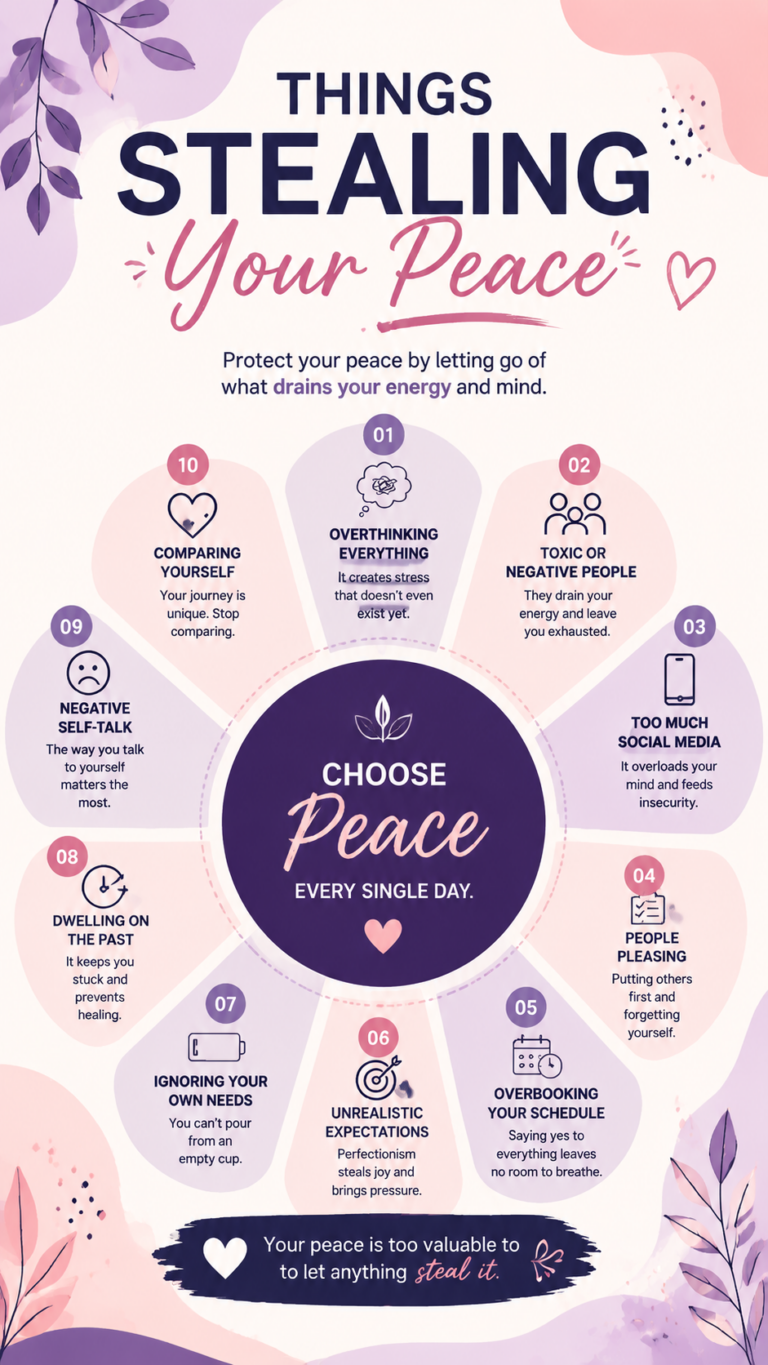
Many people struggle with self-love because of comparison, unrealistic expectations, perfectionism, or negative experiences from the past. Social media can also create unrealistic standards that encourage constant comparison instead of appreciation.
The good news is that confidence can be strengthened like any other skill. Every positive habit reinforces healthier beliefs about yourself.
Stop Comparing Your Journey
Everyone follows a unique path. Comparing your life to carefully selected highlights from others often creates unnecessary pressure. Focus on your own growth rather than someone else’s timeline.
Accept Imperfection
Growth rarely happens in a straight line. Mistakes, setbacks, and learning experiences are all part of becoming a stronger version of yourself.
Important: Your value is constant. Success may change, circumstances may change, but your worth as a person does not depend on either.
Creating a Personal Self-Love Routine
A healthy routine does not need to be complicated. Consistency matters more than perfection.
- Begin each morning with one positive affirmation.
- Move your body for at least twenty minutes.
- Take regular breaks throughout the day.
- Write down one accomplishment every evening.
- Disconnect from screens before bedtime.
- Practice gratitude before going to sleep.
How Self-Love Supports Long-Term Personal Growth
People who practice self-love tend to recover more quickly from disappointment because they understand that failure is part of learning rather than proof of inadequacy. This healthier mindset encourages curiosity, resilience, creativity, and continuous improvement.
Instead of fearing mistakes, they view challenges as opportunities to grow. Instead of chasing perfection, they focus on becoming slightly better every day.
Simple Affirmations to Practice Daily
- I am worthy exactly as I am.
- I deserve kindness, including from myself.
- My progress matters more than perfection.
- I choose growth over comparison.
- I respect my needs and my boundaries.
- I am becoming stronger every day.
At a Glance
- Self-love improves confidence and emotional resilience.
- Healthy boundaries strengthen relationships.
- Small daily habits create lasting change.
- Self-care supports both physical and emotional well-being.
- Consistency matters more than perfection.
Conclusion
Self-love is one of the most valuable investments you can make in your overall well-being. It strengthens confidence, supports healthier relationships, encourages resilience during difficult times, and creates a more balanced, fulfilling life. Every act of kindness you show yourself, whether through positive self-talk, healthy boundaries, mindful self-care, or gratitude, contributes to lasting personal growth.
Remember that self-love is not a destination you eventually reach. It is a lifelong practice built through consistent choices, compassionate thinking, and daily habits that remind you of your inherent worth. Start with one small step today, and allow those small moments to become the foundation for a happier, healthier future.
Tags
Self Love Self Care Mental Wellness Healthy Relationships Personal Growth Positive Mindset Confidence Emotional Wellbeing