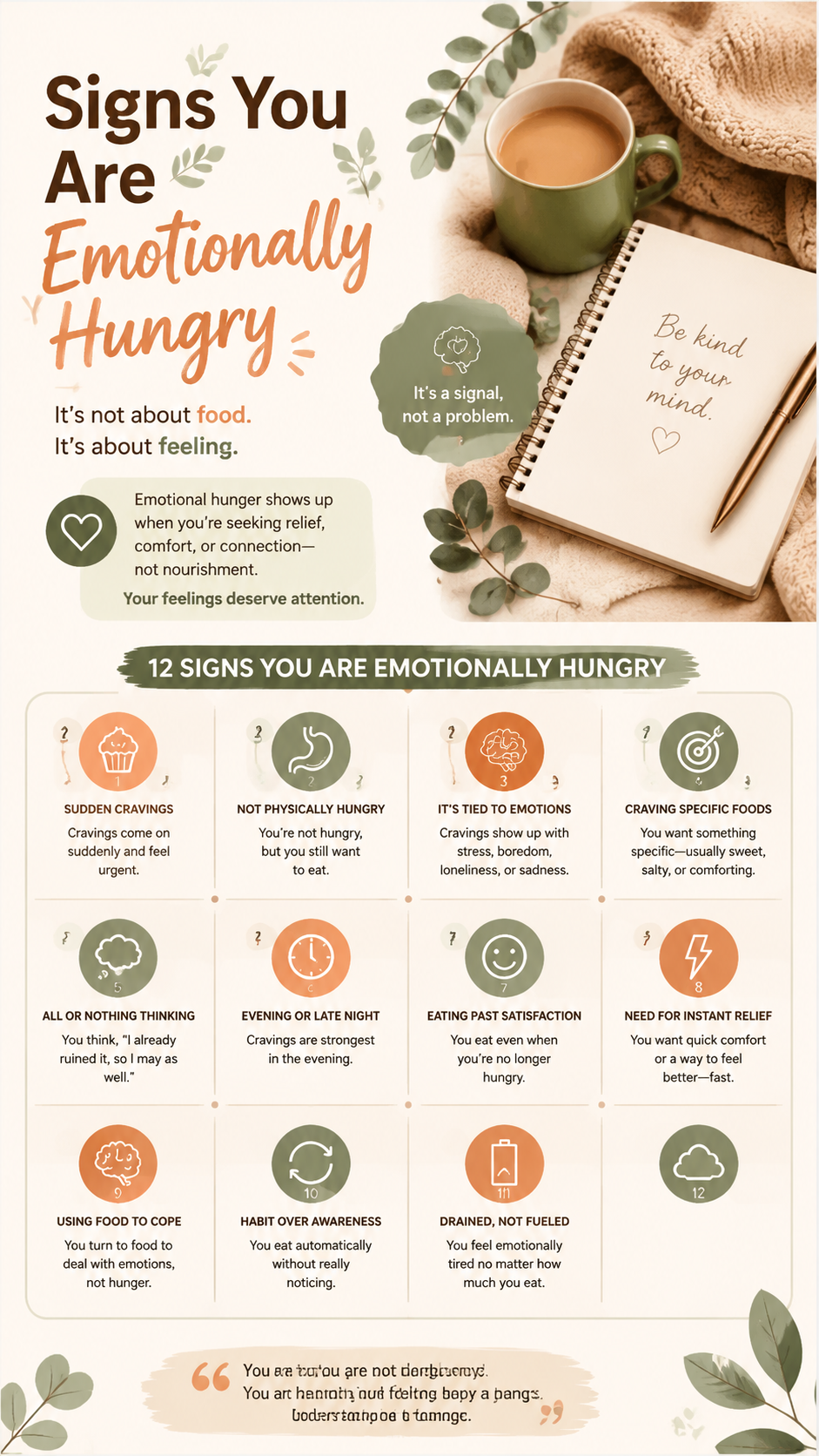
Signs Youre Emotionally Hungry Hunger vs Cravings Explained
Have you ever reached for a snack even though you are not physically hungry? Maybe you wanted something sweet after a stressful day, found yourself eating while bored, or felt the urge to keep eating even after feeling full. These moments are often connected to emotional hunger, a powerful signal that your mind may be seeking comfort, connection, or relief rather than food.
Understanding the difference between physical hunger and emotional hunger can help you build a healthier relationship with eating. Emotional hunger is not about a lack of discipline. It is often a response to feelings, habits, stress, or unmet emotional needs. By learning to recognize the signs, you can respond with awareness instead of automatically turning to food.
Key Takeaways
- Emotional hunger is often linked to feelings, situations, or emotional needs.
- Physical hunger develops gradually, while emotional cravings can feel sudden and urgent.
- Recognizing triggers can help you make mindful food choices.
- Self-care, rest, connection, and emotional support can reduce comfort eating patterns.
- A compassionate approach creates a healthier relationship with food.
What Is Emotional Hunger?
Emotional hunger happens when you feel the desire to eat because of emotions rather than a physical need for nourishment. It can appear during moments of stress, loneliness, sadness, boredom, frustration, or even happiness and celebration.
Food is naturally connected to emotions. Many people associate certain meals, desserts, or snacks with comfort, memories, and relaxation. Enjoying food is a normal part of life, but emotional eating becomes challenging when food becomes the main way you manage difficult feelings.
Important: Emotional hunger is not a personal failure. It is often a message from your mind asking for attention, comfort, or support. Learning to understand that message is the first step toward making intentional choices.
Emotional Hunger vs Physical Hunger: Understanding the Difference
Knowing whether you are truly hungry or experiencing an emotional craving can be difficult. Both experiences involve wanting food, but they usually feel different.
Signs of Physical Hunger
- Hunger appears gradually over time.
- You are open to different types of food.
- You notice physical signals like an empty stomach or lower energy.
- You feel satisfied after eating a balanced meal.
- You can make a calm decision about what to eat.
Signs of Emotional Hunger
- Cravings appear suddenly and feel urgent.
- You want a very specific comfort food.
- You feel drawn to eating during emotional moments.
- You continue eating even after feeling full.
- You experience guilt or regret afterward.
The goal is not to judge yourself for emotional eating. Awareness allows you to pause and ask what you truly need in that moment.
12 Common Signs You May Be Emotionally Hungry
1. Sudden Food Cravings
One of the biggest signs of emotional hunger is a craving that arrives quickly. You may suddenly feel like you need a particular snack, dessert, or comfort meal immediately.
2. Eating Without Physical Hunger
You may notice that your body does not feel hungry, but your mind still wants food. This often happens during quiet moments, work breaks, evenings, or times when you need a distraction.
3. Cravings Connected to Emotions
Stress, boredom, sadness, loneliness, or frustration can create strong urges to eat. Tracking your emotions before eating can help you discover patterns.
4. Wanting Specific Comfort Foods
Emotional hunger often focuses on foods that provide comfort, such as sweets, salty snacks, or familiar meals connected to positive memories.
5. Feeling Guilty After Eating
If eating is followed by shame, frustration, or regret, it may be a sign that emotions were influencing the decision rather than physical hunger.
6. Eating for Instant Relief
Food can provide a temporary emotional boost. However, if the original feeling remains, you may continue searching for comfort through eating.
Why Emotional Hunger Happens
Emotional eating can develop for many reasons. Food is a powerful source of comfort because it can create feelings of pleasure, familiarity, and relaxation.
Stress and Overwhelm
When life feels demanding, the brain may search for quick ways to feel better. Eating can become an easy coping strategy because it provides immediate comfort.
Habits and Routines
Sometimes emotional hunger is connected to repeated behaviors. For example, always having a snack while watching television can become automatic even when your body does not need food.
Unmet Emotional Needs
Feelings of loneliness, lack of rest, or the need for connection may appear as food cravings. The craving may be a reminder that another area of your life needs attention.
Expert Insight
- Emotional awareness can help you recognize patterns before they become automatic.
- Replacing judgment with curiosity creates a healthier mindset around eating.
- Small self-care habits can support emotional balance.
Healthy Ways to Respond to Emotional Hunger
Once you recognize emotional hunger, the next step is finding supportive ways to respond. The goal is not to avoid food completely, but to create more choices.
- Practice mindful pauses: Take a moment to identify your feelings before eating.
- Try calming activities: Deep breathing, walking, journaling, or stretching can help manage stress.
- Connect with others: A conversation with someone supportive may provide the comfort you need.
- Prioritize rest: Fatigue can make emotional cravings stronger.
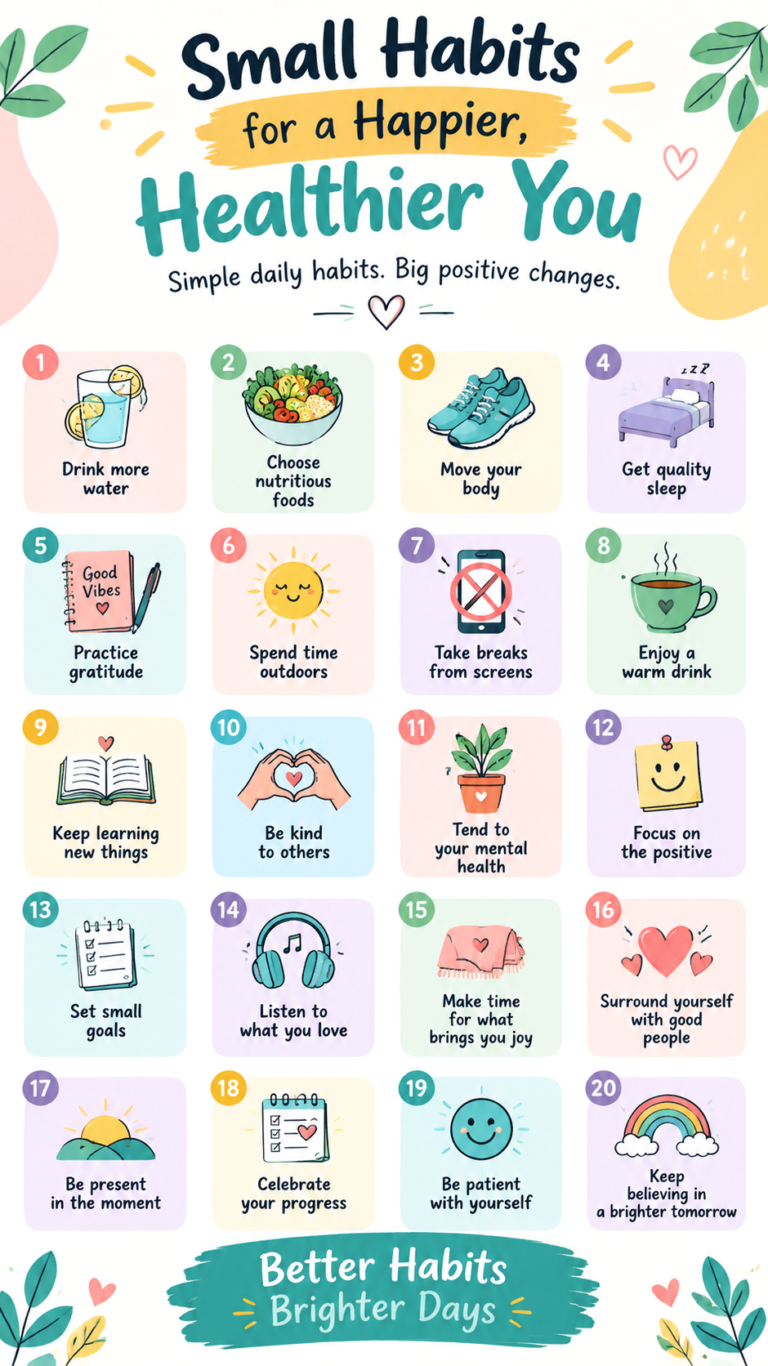
- Practice self-compassion: Treat yourself with kindness instead of criticism.
What You Might Really Need Instead of Food
Sometimes the answer to an emotional craving is not food, but another form of nourishment. Your mind and body may be asking for something deeper.
- Comfort: A relaxing moment, warm drink, or calming routine.
- Connection: Time with a friend, family member, or supportive person.
- Rest: Sleep, quiet time, and recovery from daily stress.
- Expression: Writing, talking, or creating something meaningful.
- Self-care: Small actions that help you feel valued and supported.
At a Glance
- Pause and identify your emotions.
- Notice patterns behind cravings.
- Choose supportive coping strategies.
- Build a mindful relationship with food.
Conclusion: Understanding Your Emotional Hunger
Emotional hunger is a reminder that your feelings deserve attention. By learning the difference between physical hunger and emotional cravings, you can make choices with greater awareness and kindness.
A healthier relationship with food begins with understanding, not restriction. Every craving is an opportunity to listen to yourself, discover your needs, and practice self-care. Food can be enjoyed without guilt when it becomes a choice rather than the only way to cope.
Remember: Your emotions have meaning. Understanding why you reach for food can help you create lasting habits that support both your mind and body.
Tags
Emotional Hunger
Emotional Eating
Mindful Eating
Healthy Habits
Self Care
Food Cravings
Emotional Wellness