4 Natural Remedies for Pneumonia Relief That May Help Soothe Your Lungs Naturally
Pneumonia is a serious respiratory condition that can leave people feeling exhausted, congested, and short of breath. Alongside proper medical care, many individuals look for natural ways to support comfort and recovery. Traditional home remedies such as garlic, ginger, eucalyptus steam, and turmeric milk have been used for generations to help soothe respiratory discomfort, support overall wellness, and promote relaxation during illness. While these remedies should never replace professional medical treatment, they may serve as supportive additions to a healthy recovery routine when used appropriately.
Key Takeaways
- Natural remedies may help support comfort during respiratory illness.
- Garlic contains compounds traditionally associated with immune support.
- Ginger is widely used to soothe irritation and promote wellness.
- Eucalyptus steam can create a refreshing breathing experience.
- Turmeric milk is a popular bedtime beverage for relaxation and comfort.
- Professional medical care remains essential for pneumonia treatment.
Understanding Pneumonia and Recovery
Pneumonia occurs when the lungs become inflamed, often due to infection. Symptoms can range from mild to severe and may include coughing, chest discomfort, fever, fatigue, and difficulty breathing. Recovery times vary depending on age, overall health, and the underlying cause.
Medical evaluation and treatment are important, especially because pneumonia can become serious if left untreated. During recovery, many people focus on hydration, adequate rest, balanced nutrition, and supportive wellness practices that may help them feel more comfortable.
Important: Natural remedies can support overall comfort and wellness, but they should not be considered a substitute for medical diagnosis, prescribed medications, or emergency care when symptoms are severe.
Garlic: A Traditional Wellness Staple
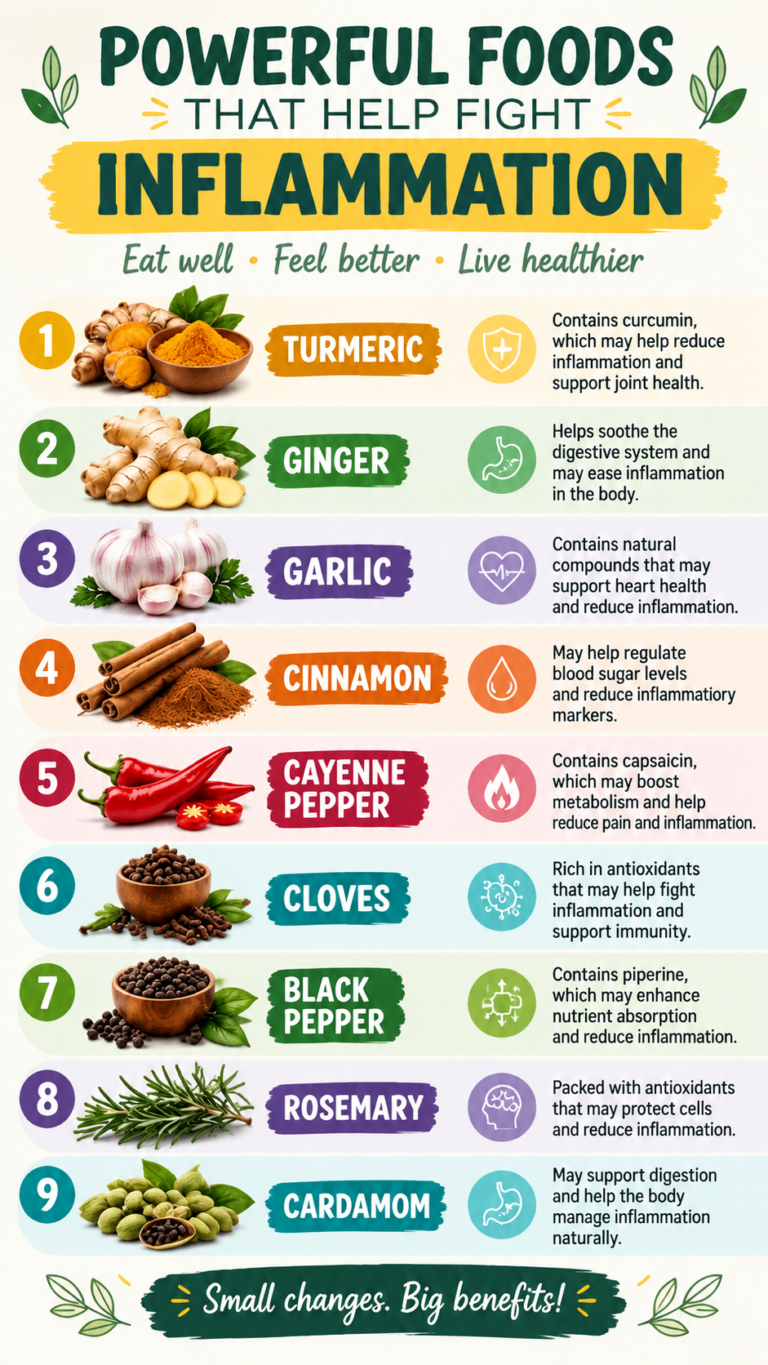
Garlic has long been valued in traditional health practices around the world. Rich in naturally occurring sulfur compounds, garlic is often associated with immune support and general wellness.
Many people consume fresh garlic mixed with honey, add it generously to soups, or incorporate it into meals during periods of illness. Warm homemade soups containing garlic can be particularly comforting when dealing with respiratory discomfort.
Potential Benefits of Garlic
- Traditionally used to support immune function.
- Easy to incorporate into meals and beverages.
- Provides flavor while contributing beneficial plant compounds.
- Often paired with other wellness-focused ingredients.
While research continues to explore garlic’s health properties, many people appreciate its role as part of a nutrient-rich diet that supports overall health.
Ginger Tea for Comfort and Warmth
Ginger is another popular natural ingredient commonly used during cold and flu season. Its warming qualities make it a favorite choice when people seek soothing beverages.
Fresh ginger tea is simple to prepare. Slices of ginger are steeped in hot water, creating an aromatic drink that many find comforting. Some people add lemon or honey to enhance flavor and enjoyment.
Why Ginger Remains Popular
Ginger contains naturally occurring compounds that have been widely studied for their potential wellness benefits. Beyond respiratory support, it is often consumed to promote digestive comfort and overall well-being.
Warm fluids can also contribute to hydration, which is particularly important during illness. Drinking enough water and nourishing beverages may help maintain comfort while recovering.
Why This Matters
- Hydration supports overall recovery and comfort.
- Warm beverages can be soothing during respiratory illness.
- Simple ingredients often make supportive wellness routines easier to maintain.
Eucalyptus Steam and Airway Comfort
Steam inhalation has been used for generations as a home comfort practice. Adding a few drops of eucalyptus oil to hot water creates an aromatic steam experience that many people find refreshing.
The process is simple. A bowl of hot water is prepared, eucalyptus oil is added, and steam is inhaled carefully from a safe distance. The warm vapor may create a sensation of easier breathing and increased comfort.
Safe Steam Practices
- Use caution around hot water to prevent burns.
- Keep children away from steaming containers.
- Do not place your face too close to the water.
- Stop immediately if discomfort occurs.
Many individuals include steam inhalation as part of their self-care routine because it promotes relaxation and may help create a sense of respiratory relief.
Pro Tip: Creating a comfortable recovery environment with adequate humidity, fresh air, proper hydration, and sufficient rest can often make a noticeable difference in how you feel during recovery.
Turmeric Milk: A Traditional Bedtime Beverage
Turmeric milk, often called golden milk, has become increasingly popular among wellness enthusiasts. Made by combining turmeric with warm milk or plant-based alternatives, this beverage is frequently consumed in the evening.
The bright golden color comes from curcumin, a naturally occurring compound found in turmeric. Many people enjoy turmeric milk because it is warm, soothing, and easy to prepare.
Simple Turmeric Milk Preparation
- Warm one cup of milk or a dairy-free alternative.
- Add a small amount of turmeric powder.
- Stir thoroughly until combined.
- Add honey if desired.
- Enjoy while warm.
Although turmeric milk is often associated with relaxation, its greatest value may simply be its ability to encourage hydration and create a calming evening routine.
The Importance of Rest During Pneumonia Recovery
One of the most overlooked aspects of recovery is rest. The body requires energy to heal, and adequate sleep supports many natural recovery processes.
People recovering from pneumonia often experience lingering fatigue. Pushing too hard too quickly can sometimes prolong feelings of exhaustion. Listening to your body and allowing time for recovery is essential.
Creating a restful environment may include:
- Maintaining a consistent sleep schedule.
- Keeping the bedroom comfortable and quiet.
- Limiting strenuous activities.
- Staying hydrated throughout the day.
- Eating nutrient-rich foods.
Nutrition and Hydration for Respiratory Wellness
Good nutrition plays an important role in overall health. During recovery from illness, focusing on nourishing foods may help support the body’s needs.
Many people find comfort in:
- Warm vegetable soups.
- Broths and clear soups.
- Fresh fruits rich in vitamins.
- Leafy green vegetables.
- Protein-rich foods.
- Herbal teas and water.
Hydration is especially important. Fluids help maintain normal body functions and support general comfort. Sipping water regularly throughout the day is often more effective than trying to drink large amounts at once.
Combining Natural Remedies with Healthy Habits
The most effective wellness routines typically involve multiple supportive habits rather than relying on a single remedy. Garlic, ginger, eucalyptus steam, and turmeric milk may complement broader lifestyle practices that encourage recovery.
A Balanced Recovery Routine
- Follow medical advice carefully.
- Take medications as prescribed.
- Stay hydrated.
- Prioritize quality sleep.
- Choose nutrient-dense foods.
- Use supportive natural remedies responsibly.
- Monitor symptoms and seek help if they worsen.
Important: If symptoms such as severe shortness of breath, chest pain, confusion, or worsening fever occur, immediate medical attention is necessary. Pneumonia can become a medical emergency in some situations.
Common Questions About Natural Pneumonia Support
Can natural remedies cure pneumonia?
No. Pneumonia requires proper medical evaluation and treatment. Natural remedies may support comfort and wellness but should not replace professional care.
Is ginger tea safe during recovery?
Many people enjoy ginger tea as a warm and soothing beverage. However, individual health conditions vary, so it is always wise to consult a healthcare professional when necessary.
How often can eucalyptus steam be used?
Usage varies by individual preference and tolerance. Following safety precautions and avoiding excessive exposure to hot steam is important.
Why is hydration emphasized so often?
Hydration supports many bodily functions and is an essential component of overall wellness during illness and recovery.
At a Glance
- Garlic is traditionally associated with immune support.
- Ginger tea provides warmth and hydration.
- Eucalyptus steam offers a refreshing aromatic experience.
- Turmeric milk is a popular comfort beverage.
- Medical care remains the foundation of pneumonia treatment.
Conclusion
Natural remedies such as garlic, ginger, eucalyptus steam, and turmeric milk continue to be popular choices for individuals seeking supportive wellness practices during pneumonia recovery. Their appeal comes from their simplicity, accessibility, and long history of traditional use. When combined with proper medical care, adequate hydration, nutritious meals, and sufficient rest, these remedies may help create a more comfortable recovery experience.
The key is maintaining a balanced approach. Supportive natural practices can complement healthy habits, but professional medical guidance should always remain the priority when dealing with respiratory conditions. By focusing on overall wellness and listening to your body’s needs, you can build a recovery routine that encourages comfort, nourishment, and gradual healing.
Tags
Natural Remedies Pneumonia Support Lung Health Ginger Tea Garlic Benefits Turmeric Milk Respiratory Wellness Home Remedies