Best Healing Garden Plants Grow Herbal Remedies Medicinal Herbs at Home
Stepping into a garden that offers more than just visual beauty is a transformative experience. Imagine a backyard space where every leaf, root, and flower serves a purpose beyond decoration. This is the essence of a healing garden, a living pharmacy that brings the ancient traditions of herbalism right to your doorstep. Cultivating your own medicinal plants is not just about gardening; it is about reclaiming a connection to nature and taking an active role in your own wellness journey. By selecting specific species known for their therapeutic properties, you can create a sanctuary that supports your physical health and provides a peaceful retreat for your mind.
The Foundations of a Medicinal Landscape
Creating a healing garden begins with understanding the relationship between the soil and the active compounds within the plants. Unlike a standard vegetable patch, a medicinal garden requires a thoughtful layout that considers the individual needs of various herbs while ensuring they are easily accessible for harvest. The beauty of these plants lies in their diversity. You have towering stalks of Valerian, the low creeping carpets of Thyme, and the vibrant, sun-seeking faces of Calendula. Each requires a specific niche within your garden ecosystem to thrive and develop its full medicinal potency.
When planning your space, think about the lifecycle of your remedies. Perennials like Rosemary and Lavender will form the permanent structure of your garden, returning year after year with increasing vigor. Annuals like Basil and Cilantro offer quick harvests and can be rotated to keep the soil healthy. By mixing these different growth habits, you create a resilient environment that mimics the natural diversity found in the wild, which often results in hardier plants with higher concentrations of essential oils and beneficial alkaloids.
Essential Herbs for Digestive Health
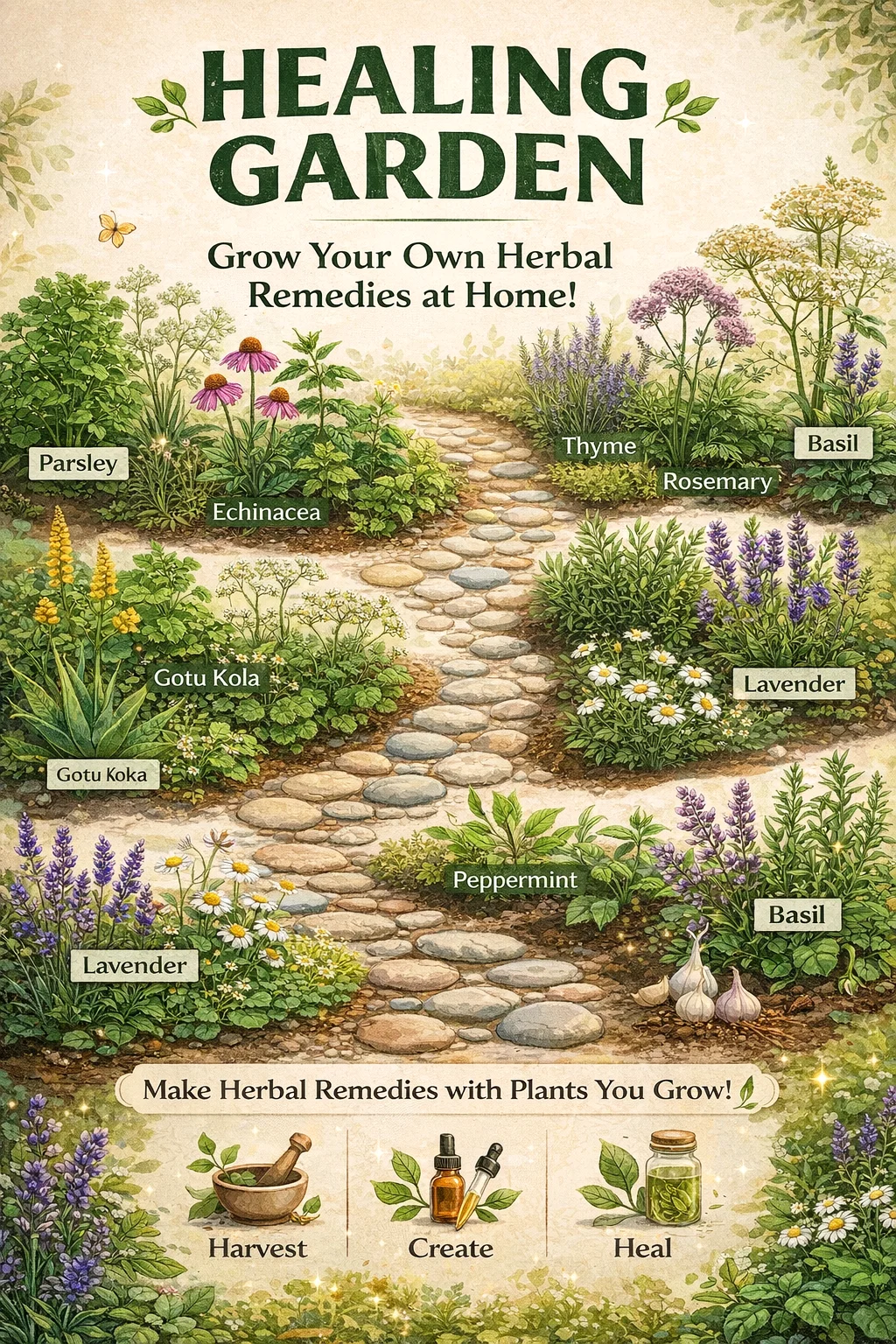
One of the most common uses for a home herbal garden is supporting the digestive system. Many of the plants shown in a traditional healing layout are specifically targeted at soothing the gut and aiding nutrient absorption. Ginger and Turmeric are two heavy hitters in this category. While they are often thought of as tropical imports, they can be grown in many climates with the right care. These rhizomes are famous for their anti-inflammatory properties and their ability to calm an upset stomach or reduce nausea.
The Power of Peppermint and Lemon Balm
Peppermint is perhaps the most recognizable digestive aid. Its high menthol content acts as a natural antispasmodic, helping to relax the muscles of the digestive tract. It is a vigorous grower, so it often does best in its own section or a large container to prevent it from taking over. Similarly, Lemon Balm is a member of the mint family that offers a gentler, more citrusy approach to wellness. It is particularly effective for digestive issues that are linked to stress or anxiety, acting as a bridge between the nervous system and the gut.
Fennel and Dill for Gentle Relief
Plants from the Apiaceae family, such as Fennel and Dill, produce seeds that have been used for centuries to relieve bloating and gas. Their feathery foliage adds a delicate texture to the garden, and their umbrella-like flowers are a magnet for beneficial insects like ladybugs and predatory wasps. Harvesting the seeds at the end of the season ensures you have a digestive tea blend that lasts all through the winter months.
Natural Stress Relief and Sleep Support
In our modern, fast-paced world, a garden that focuses on relaxation is a true luxury. Several key plants are renowned for their ability to lower cortisol levels and encourage deep, restorative sleep. Lavender is the star of this category. Its scent alone has been shown to reduce heart rate and blood pressure. Growing Lavender near a walkway or seating area allows you to brush against the foliage, releasing its calming aroma throughout the day.
For those who struggle with more persistent insomnia, Valerian and Skullcap are essential additions. Valerian root is one of nature’s most potent sedatives. While the flowers smell lovely and attract pollinators, it is the earthy root that holds the medicinal power. Skullcap, on the other hand, is a nervine that helps quiet a racing mind. Together, these plants form a powerful toolkit for anyone looking to reduce their reliance on synthetic sleep aids and embrace a more organic approach to rest.
Boosting the Immune System Naturally
A healing garden acts as your first line of defense during cold and flu season. Echinacea, also known as coneflower, is perhaps the most famous immune-stimulant in the herbal world. Its striking purple petals and spiky centers make it a gorgeous ornamental plant, but its ability to increase white blood cell activity is what makes it a medicinal powerhouse. Both the roots and the flowers can be used in tinctures or teas to help shorten the duration of seasonal illnesses.
The Protective Qualities of Garlic and Onion
While we often think of Garlic and Onions as simple kitchen staples, they are actually some of the most potent antimicrobial plants you can grow. Garlic contains allicin, a compound that acts as a natural antibiotic and antifungal agent. Onions are rich in quercetin, an antioxidant that supports respiratory health. Planting these in your healing garden ensures a fresh supply of “food as medicine” that can be incorporated into almost every meal to keep your immune system resilient year-round.
Nettles: The Nutrient Powerhouse
Often dismissed as a common weed, Stinging Nettles are actually one of the most nutrient-dense plants on the planet. They are incredibly rich in iron, calcium, and magnesium. In a healing garden, Nettles serve as a deep tonic for the blood and a natural remedy for seasonal allergies. While you need to wear gloves when harvesting them, the “sting” disappears once the leaves are dried or cooked, leaving behind a leafy green that is as healthy as spinach but with far more medicinal benefits.
Topical Remedies and Skin Care
Not all healing happens on the inside. A well-rounded medicinal garden includes plants that can be used to treat wounds, burns, and skin irritations. Aloe Vera is a must-have for any household. The clear gel inside its succulent leaves provides instant relief for sunburns and minor cuts. It is a low-maintenance plant that thrives in sunny spots and can even be moved indoors during the winter.
Calendula, with its bright orange and yellow blooms, is another skin-healing champion. It is frequently used in salves and creams because of its ability to promote cell regeneration and reduce inflammation. It is a prolific bloomer, and the more you harvest the flower heads, the more the plant will produce. Mixing Calendula petals with carrier oils creates a soothing base for homemade lip balms and skin ointments that are free from harsh chemicals and synthetic fragrances.
Creating a Sustainable Garden Ecosystem
A true healing garden works in harmony with the environment. This means avoiding synthetic pesticides and fertilizers that can leave toxic residues on your medicinal crops. Instead, focus on building healthy soil through composting and mulching. Many medicinal herbs, such as Yarrow and Dandelion, are actually dynamic accumulators. This means they have deep taproots that reach down into the subsoil to pull up minerals, making them available to the rest of your plants.
Encouraging biodiversity is also key. By planting a wide variety of species, you provide habitat for birds, bees, and butterflies. Holy Basil, also known as Tulsi, is particularly beloved by bees. In many cultures, Tulsi is considered a sacred plant that brings protection and prosperity to the home. Its spicy, clove-like scent adds a unique aromatic layer to the garden while its adaptogenic properties help the human body handle physical and emotional stress more effectively.
Harvesting and Preserving Your Home Remedies
To get the most out of your healing garden, you must learn the art of harvesting. The timing is crucial; most herbs are at their peak potency just before they flower, as this is when the concentration of essential oils is highest in the leaves. For root crops like Ginger or Ginseng, patience is required, as it can take several years for the medicinal compounds to reach their full strength. Always use sharp, clean shears to avoid damaging the plants and ensuring they can continue to grow vigorously after harvest.
Preservation allows you to enjoy the benefits of your garden throughout the year. Drying is the most common method, especially for leaves and flowers. Using a dedicated drying rack in a cool, dark place helps maintain the color and chemical integrity of the herbs. For more advanced preparations, you can explore making tinctures with alcohol, infused oils, or honey-based elixirs known as oxymels. These methods extract different properties from the plants, giving you a diverse range of remedies for your home apothecary.
Conclusion: The Path to Natural Vitality
Building a healing garden is a journey of discovery that rewards you with health, tranquility, and a deeper understanding of the natural world. It turns a simple plot of land into a source of empowerment, where you can find relief for a headache, support for your digestion, or a cure for a sleepless night just by stepping outside. As you watch your Echinacea bloom and your Lavender sway in the breeze, you will realize that the most powerful medicine often comes with roots and leaves rather than labels and prescriptions.
Start small, perhaps with a few pots of Basil and Mint, and gradually expand as you become more comfortable with the needs of each plant. Over time, your garden will grow into a lush, vibrant tapestry of life that nourishes your body and soul alike. There is no greater satisfaction than brewing a cup of tea made from herbs you sowed, nurtured, and harvested with your own hands. This is the ultimate “quick tip” for a healthy life: look to the earth, and let the garden be your teacher.