
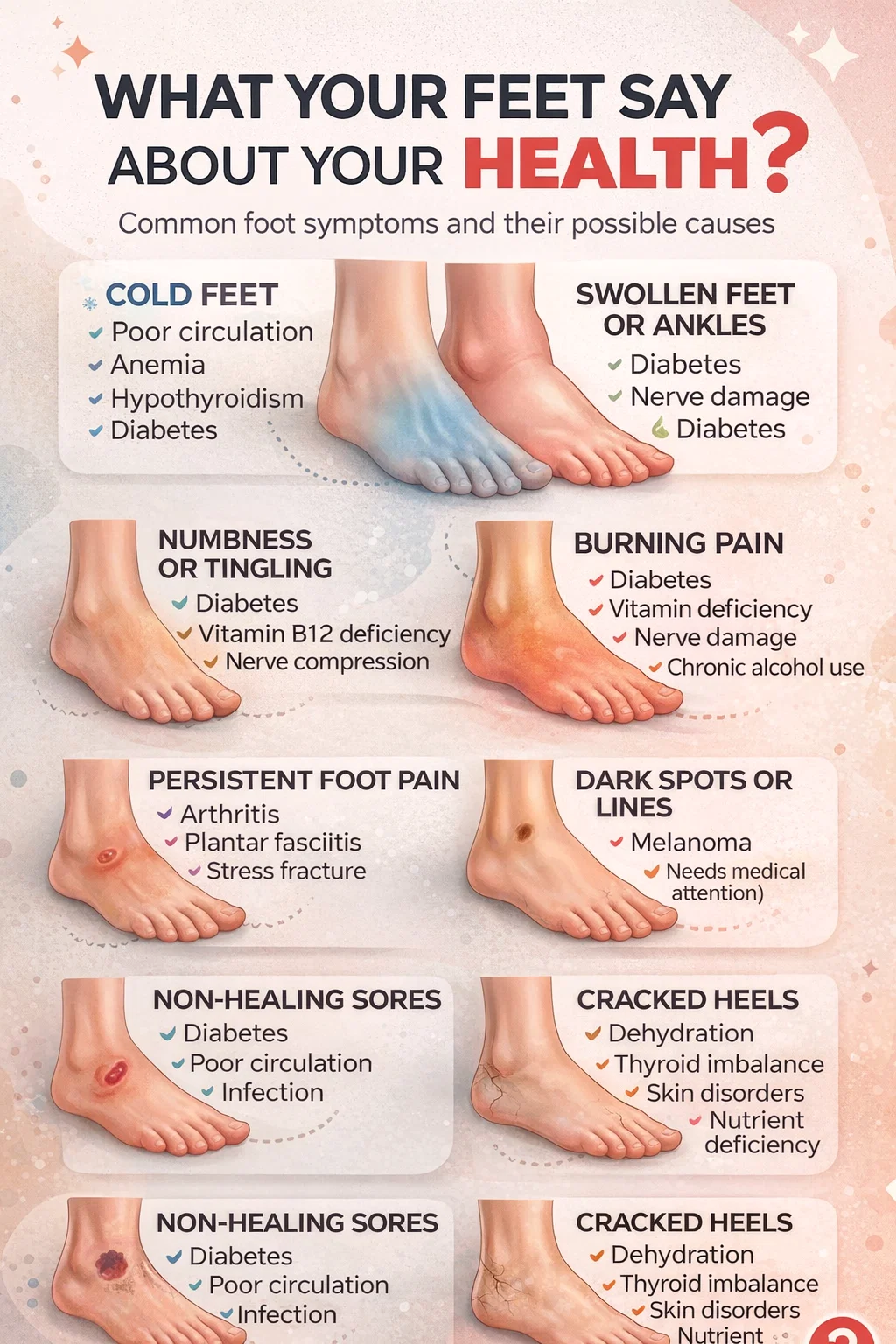
8 Warning Signs Your Feet Are Sending You About Your Health Foot Symptoms Guide
Our feet are often the most overlooked part of our bodies, yet they serve as a complex foundation that carries us through every single day. Most people think of foot issues as minor inconveniences like a blister from new shoes or a bit of soreness after a long walk. However, your feet are actually sophisticated health indicators that can provide early warning signs for systemic issues happening elsewhere in your body. From circulation problems to hormonal imbalances, the symptoms showing up on your toes, heels, and soles are worth paying close attention to.
Understanding the language of your feet is a vital skill for anyone interested in holistic wellness and proactive health management. When you notice a change in the color, temperature, or sensation of your feet, it is rarely just a localized issue. It is your body’s way of communicating. By learning to decode these signals, you can take action sooner, seek the right medical advice, and implement lifestyle changes that support your total well-being. Let’s dive deep into what your feet might be trying to tell you about your internal health.
The Mystery of Cold Feet: More Than Just the Weather
We have all experienced cold feet during a chilly winter night, but if your toes feel like ice even when you are wrapped in a warm blanket, your body might be signaling an underlying condition. Persistent coldness in the extremities is one of the most common ways the body indicates that blood is not flowing as efficiently as it should. This is often tied to poor circulation, which can be caused by various factors ranging from a sedentary lifestyle to more serious cardiovascular issues.
Hypothyroidism and Metabolic Rate
Another common culprit for icy feet is hypothyroidism. Your thyroid gland acts as the thermostat for your body, regulating your metabolism and how you consume energy. When the thyroid is underactive, your body processes slow down, including your ability to generate heat. This often results in chronically cold hands and feet. If you find yourself reaching for wool socks in the middle of summer, it might be worth investigating your thyroid health with a professional.
Anemia and Oxygen Transport
Anemia is a condition where your blood lacks enough healthy red blood cells to carry adequate oxygen to your body’s tissues. When your extremities do not get enough oxygen, they can feel cold and look slightly pale. This is frequently linked to an iron deficiency, which is a common nutritional gap. Ensuring you have enough iron and vitamin B12 in your diet is essential for maintaining the warmth and vitality of your feet.
Swelling and Fluid Retention: Identifying the Source
Swollen feet and ankles, a condition known as edema, can be quite uncomfortable and often make it difficult to fit into your favorite pair of shoes. While standing for long periods can cause temporary swelling, chronic puffiness in the lower limbs is a signal that should not be ignored. It often points toward issues with how your body manages fluids and blood sugar.
The Diabetes Connection
Diabetes is a leading cause of foot complications. High blood sugar levels can damage the walls of the small blood vessels, leading to poor circulation and fluid retention in the legs and feet. This swelling can also be a precursor to more serious issues like diabetic neuropathy. Monitoring your glucose levels and maintaining a healthy diet are the first lines of defense against diabetes-related foot swelling.
Nerve Damage and Alcohol Use
Chronic alcohol use can lead to a variety of health complications, including nerve damage known as alcoholic neuropathy. This can interfere with the way your body regulates fluid and sensation in your extremities. Furthermore, long term alcohol consumption can strain the liver and kidneys, both of which play critical roles in fluid balance. If you notice persistent swelling along with a history of heavy alcohol consumption, your body is likely asking for a significant lifestyle change to protect your vital organs.
Tingling and Numbness: The “Pins and Needles” Warning
That strange sensation of “pins and needles” or a total loss of feeling in the feet is technically called paresthesia. While it happens to everyone when they sit in an awkward position for too long, frequent or persistent numbness is a major red flag for nerve health. This symptom is frequently the first sign of nerve compression or a significant nutritional deficit.
Vitamin B12 and Nerve Function
Vitamin B12 is essential for the health of your nervous system and the production of DNA and red blood cells. A deficiency in this vital nutrient can cause the protective coating of your nerves to diminish, leading to tingling sensations or numbness in the feet. Since B12 is primarily found in animal products, those following a strict plant based diet should be especially mindful of their levels to prevent long term nerve damage.
Nerve Compression and Physical Alignment
Sometimes, the issue is mechanical. Nerve compression can occur due to a herniated disc in the back, tight footwear, or repetitive strain. This physical pressure on the nerves disrupts the signals traveling to your feet. Addressing your posture, investing in ergonomic footwear, and practicing regular stretching can often alleviate the pressure and restore normal sensation to your toes.
The Burning Sensation: When Your Feet Feel on Fire
A burning sensation in the feet can range from mild to agonizing, often worsening at night. This discomfort is typically categorized as a form of nerve pain. Much like tingling, burning is a hallmark sign of neuropathy, but it can also be triggered by specific toxins or extreme vitamin deficiencies.
- Diabetes: Peripheral neuropathy caused by high blood sugar is the most common reason for burning feet.
- Chronic Alcohol Use: Alcohol can be toxic to nerve tissue, leading to a burning sensation over time.
- Vitamin Deficiencies: Lack of B vitamins, especially B6, B9 (folate), and B12, can cause the nerves to misfire, creating a sensation of heat.
If you feel like your feet are burning, it is vital to look at your overall lifestyle. Are you managing your blood sugar? Are you getting enough micronutrients? The burning is a distress signal that your nerves are under stress and need immediate support through nutrition and medical care.
Persistent Pain: Getting to the Root of the Ache
Foot pain is often dismissed as a side effect of a busy day, but persistent pain that does not go away with rest indicates an inflammatory or structural issue. When the pain becomes a daily occurrence, it is time to look deeper than just tired muscles.
Arthritis and Joint Health
Arthritis is not just for the hands and knees; the many small joints in your feet are highly susceptible to inflammation. Osteoarthritis or rheumatoid arthritis can cause stiffness, swelling, and chronic pain in the feet, making every step a challenge. Anti-inflammatory diets and gentle movement can help manage these symptoms, but a formal diagnosis is key to long term mobility.
Plantar Fasciitis and Stress Fractures
Plantar fasciitis involves inflammation of the thick band of tissue that runs across the bottom of your foot. It usually causes a stabbing pain near the heel, especially during those first steps in the morning. On the other hand, a stress fracture is a tiny crack in a bone caused by repetitive force or overuse. Both conditions require patience, proper footwear, and often physical therapy to heal completely. Ignoring the pain can lead to compensations in your gait that eventually hurt your hips and back.
Dark Spots and Skin Changes: The Visual Indicators
We often forget to check the skin on our feet, but it is one of the most important places to monitor for changes. Dark spots, unusual lines under the toenails, or new moles can be more than just cosmetic issues. In some cases, they can be life threatening if ignored.
Monitoring for Melanoma
Acral lentiginous melanoma is a type of skin cancer that appears on the soles of the feet or under the nails. It is often misdiagnosed as a bruise or a stain because people don’t expect to find skin cancer in areas not frequently exposed to the sun. If you notice a dark spot that is changing shape, color, or size, it is a medical priority to have it checked by a dermatologist immediately. Early detection is absolutely critical when dealing with melanoma.
Non-Healing Sores: A Serious Red Flag
A small cut or blister on the foot should typically heal within a few days. If you have a sore that lingers for weeks or seems to get worse, this is a major warning sign of an underlying health problem. Non-healing sores are most frequently associated with diabetes and poor circulation.
When circulation is impaired, your blood cannot deliver the necessary healing agents to the site of an injury. In diabetic patients, high blood sugar also slows down the healing process and increases the risk of infection. A simple sore can quickly turn into a serious ulcer if not treated. Keeping your feet clean, dry, and frequently inspected is the best way to catch these issues before they escalate into something dangerous.
Cracked Heels and Skin Texture: The Role of Nutrition
Cracked heels are often seen as a purely aesthetic problem solved by a pedicure, but the texture of your skin is a direct reflection of your internal hydration and nutrient status. When the skin on your heels becomes thick, dry, and starts to split, your body is likely lacking the resources it needs to maintain skin elasticity.
Dehydration and Thyroid Imbalance
Dehydration is the most common cause of dry skin. If you aren’t drinking enough water, your skin is the first place to show it. However, if moisturizing and drinking water don’t help, a thyroid imbalance could be the cause. As mentioned earlier, the thyroid regulates skin cell turnover. When it is out of balance, your skin can become excessively dry and prone to cracking.
Nutrient Deficiencies
Your skin requires specific vitamins and minerals to stay healthy, including zinc, omega-3 fatty acids, and vitamin E. A deficiency in these can lead to skin disorders and cracked heels. Adding more healthy fats and minerals to your diet can often restore the smoothness of your feet from the inside out.
Conclusion: Taking the First Step Toward Better Health
Your feet are incredible tools that provide a wealth of information about your internal health. Whether it is the temperature of your toes, the clarity of your skin, or the sensations in your nerves, every symptom is a clue. By paying attention to these signs, you aren’t just taking care of your feet; you are taking care of your entire body. Remember that while self-awareness is the first step, persistent or severe symptoms should always be discussed with a healthcare professional. Start giving your feet the attention they deserve, and they will continue to support you on your journey toward lifelong wellness. Save these tips and start your daily foot check today!