10 Nutrient-Rich Foods to Support Cancer Prevention and Boost Daily Wellness
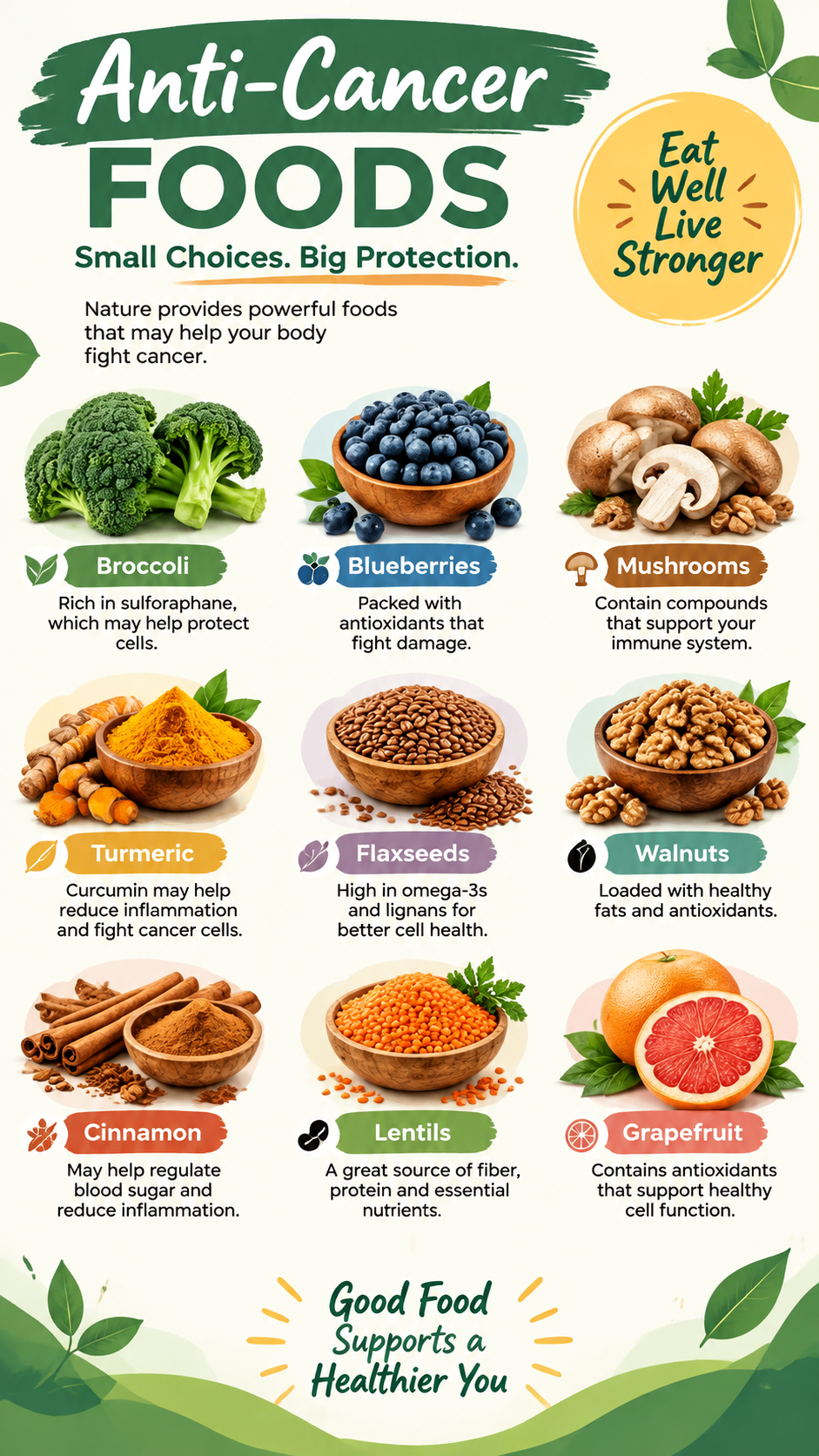
What if making healthier food choices started with a few simple additions to your everyday meals? From vibrant broccoli and antioxidant-rich blueberries to fiber-packed lentils, walnuts, turmeric, and flaxseeds, a variety of plant-based foods can help support overall health and long-term wellness. These ingredients are popular in conversations about cancer prevention because they provide valuable nutrients, fiber, and naturally occurring plant compounds that contribute to a balanced diet.
Although no single food can prevent or cure cancer, research suggests that healthy eating patterns can play an important role in reducing the risk of certain cancers. The goal is not to rely on one so-called superfood, but to build a varied diet around vegetables, fruits, whole grains, legumes, nuts, and seeds.
Key Takeaways
- Broccoli and other cruciferous vegetables provide fiber and beneficial plant compounds.
- Blueberries and citrus fruits contribute vitamins, antioxidants, and other protective nutrients.
- Lentils, flaxseeds, and walnuts offer fiber, healthy fats, and essential nutrients.
- Turmeric, cinnamon, and mushrooms can add flavor and variety to balanced meals.
- Fermented foods such as sauerkraut may support gut health, although their direct effect on cancer risk remains uncertain.
- No individual food, herb, mushroom, or supplement has been proven to prevent or cure cancer on its own.
How Everyday Foods Can Support Cancer Prevention
The connection between food and cancer is complex. Cancer develops through a combination of genetic, environmental, lifestyle, and other biological factors. Diet is one part of this picture, and its influence is best understood through overall eating patterns rather than isolated ingredients.
Vegetables, fruits, legumes, whole grains, nuts, and seeds provide a range of nutrients that support normal bodily functions. These include vitamins, minerals, dietary fiber, and phytochemicals, which are naturally occurring compounds found in plants.
Some phytochemicals are being studied for their potential roles in processes such as inflammation, oxidative stress, and cellular signaling. Laboratory research can help scientists understand these mechanisms, but results from cells or animals do not automatically translate into proven benefits for people.
Important: A balanced diet can contribute to a healthier lifestyle, but it cannot guarantee protection against cancer. Avoid treating any food as a cure, and follow evidence-based screening and medical advice for your individual needs.
1. Broccoli: A Nutrient-Rich Cruciferous Vegetable
Broccoli is a versatile vegetable that deserves a regular place on the dinner plate. It belongs to the cruciferous vegetable family, alongside cauliflower, cabbage, kale, and Brussels sprouts. These vegetables contain fiber, vitamin C, folate, and other nutrients that support normal health.
Broccoli also contains glucosinolates, natural sulfur-containing compounds that can be converted into biologically active substances when the vegetable is chopped, chewed, or digested. One of the compounds commonly discussed in nutrition research is sulforaphane, which is formed from a precursor found in broccoli and related vegetables.
Scientists are investigating these compounds for their potential effects on cellular defense mechanisms. However, evidence does not establish broccoli as the single best vegetable for fighting cancer, nor does eating it guarantee a lower risk.
Easy Ways to Eat More Broccoli
- Steam broccoli until tender while keeping its color and texture.
- Roast florets with olive oil, garlic, and black pepper.
- Add chopped broccoli to soups, stir-fries, pasta, or grain bowls.
- Combine broccoli with beans, brown rice, or other vegetables for a balanced meal.
Fresh and frozen broccoli are both practical options. Choose whichever makes it easier to include vegetables in your regular meals.
2. Blueberries: Small Fruits with Valuable Nutrients
Blueberries are well known for their deep blue-purple color and naturally sweet flavor. They provide dietary fiber, vitamin C, and plant compounds called anthocyanins, which contribute to their distinctive appearance.
Anthocyanins are part of a larger group of compounds known as polyphenols. Researchers study these substances for their antioxidant activity and possible effects on various biological processes. However, the antioxidant activity observed in a laboratory does not mean that eating blueberries directly destroys cancer cells in the human body.
Blueberries remain an excellent addition to a varied diet because they are convenient, flavorful, and easy to combine with other nutritious foods.
Simple Blueberry Ideas
- Add fresh or frozen blueberries to oatmeal or unsweetened yogurt.
- Blend them into a smoothie with banana and milk or a fortified plant-based alternative.
- Mix blueberries with other fruits for a colorful snack.
- Use them as a topping for whole-grain pancakes or chia pudding.
Frozen blueberries can be just as useful as fresh ones. Keep a bag in the freezer so you can enjoy them throughout the year.
3. Turkey Tail Mushrooms: Understanding the Research
Turkey tail mushrooms are named for their colorful, fan-shaped growth patterns, which resemble the tail feathers of a turkey. They grow on dead wood and have a long history of use in traditional practices.
These mushrooms contain complex carbohydrates, including polysaccharides that have attracted scientific interest. Certain mushroom-derived preparations, including products studied under the names PSK and PSP, have been investigated for possible immune-related effects and as complementary treatments in some cancer settings.
It is important to distinguish research on standardized mushroom extracts from claims about eating ordinary mushrooms or taking an over-the-counter supplement. Evidence, product quality, regulatory status, and medical use can differ significantly between preparations.
Safety note: Turkey tail supplements are not established substitutes for cancer treatment. Anyone receiving chemotherapy, immunotherapy, or other medical care should consult their oncology team before using medicinal mushroom products because interactions, side effects, and product quality need consideration.
For people interested in mushrooms as food, familiar edible varieties such as button, cremini, shiitake, and oyster mushrooms can contribute flavor and variety to everyday meals. They should be considered part of a balanced diet rather than cancer treatments.
4. Turmeric: A Colorful Spice with Curcumin
Turmeric is a golden-yellow spice commonly used in South Asian, Middle Eastern, and other cuisines. It gives curries, soups, rice dishes, and sauces a warm color and earthy flavor.
One of turmeric’s best-known compounds is curcumin. Researchers have investigated curcumin in laboratory and clinical studies because of its effects on several biological pathways. Some early findings are interesting, but the evidence is not strong enough to establish turmeric or curcumin supplements as effective ways to prevent or treat cancer.
Curcumin also has limited absorption when consumed in many ordinary preparations. Supplement formulations designed to increase absorption may behave differently from turmeric used in cooking, and concentrated products can cause side effects or interact with medicines.
How to Include Turmeric in Meals
- Add a small amount to lentil soup or vegetable curry.
- Mix turmeric into roasted cauliflower or chickpeas.
- Season rice, stews, and vegetable dishes with turmeric and other spices.
- Pair it with ingredients such as ginger, garlic, cumin, or black pepper for flavor.
Using turmeric as a culinary spice is a simple way to make meals more interesting. There is no need to consume large quantities or rely on high-dose supplements for a healthy diet.
5. Flaxseeds: Fiber, Plant Compounds, and Healthy Fats
Flaxseeds are small seeds with a surprisingly useful nutritional profile. They provide dietary fiber, plant-based omega-3 fat in the form of alpha-linolenic acid, and lignans, which are plant compounds being studied for their biological effects.
Fiber supports digestive health and helps maintain regular bowel movements. Higher-fiber eating patterns are also associated with a lower risk of colorectal cancer. Flaxseeds can help increase fiber intake, although they should not be viewed as a standalone cancer-prevention treatment.
Ground flaxseeds are often easier for the body to access nutritionally than whole seeds, which may pass through the digestive tract without being fully broken down.
Practical Ways to Use Flaxseeds
- Stir ground flaxseeds into oatmeal or overnight oats.
- Add them to smoothies, yogurt, or whole-grain cereal.
- Mix them into homemade muffins or bread.
- Combine ground flaxseed with water as an egg substitute in some baking recipes.
Increase fiber gradually and drink enough fluids, especially if you are not used to eating many high-fiber foods. If you have digestive conditions or take medicines that require careful timing, ask a healthcare professional whether flaxseed is appropriate for you.
6. Walnuts: A Source of Unsaturated Fats
Walnuts provide unsaturated fats, plant-based omega-3 alpha-linolenic acid, fiber, and several minerals. Their rich flavor makes them a useful addition to breakfast, salads, snacks, and cooked dishes.
Healthy fats are important for normal bodily functions, while nuts can help make meals more satisfying. Research into nut consumption and cancer risk continues, but current evidence does not support calling walnuts a cure or a uniquely powerful cancer-fighting food.
Easy Ways to Enjoy Walnuts
- Sprinkle chopped walnuts over oatmeal or plain yogurt.
- Add them to salads with leafy greens, beans, and vegetables.
- Combine walnuts with fruit for a convenient snack.
- Use finely chopped walnuts in whole-grain baking recipes.
Choose unsalted walnuts when possible if you want to limit sodium. People with tree nut allergies should avoid walnuts and products that may contain them.
7. Cinnamon: Flavor Without Excess Added Sugar
Cinnamon is a fragrant spice made from the inner bark of trees in the Cinnamomum family. It is often used in oatmeal, fruit dishes, baked goods, warm drinks, and savory recipes.
Cinnamon contains naturally occurring compounds that have been investigated for a range of biological effects. However, there is not sufficient clinical evidence to recommend cinnamon as a cancer-prevention or cancer-treatment strategy.
Its most practical benefit may be culinary. Cinnamon can add a rich, sweet-smelling flavor to foods without requiring much added sugar.
Everyday Cinnamon Ideas
- Sprinkle cinnamon over sliced apples or pears.
- Stir it into oatmeal or plain yogurt with fruit.
- Add a small amount to homemade smoothies.
- Use it in spice blends for roasted vegetables or stews.
Large amounts of some cinnamon varieties, particularly cassia cinnamon, can contain significant quantities of coumarin, a compound that may harm the liver when consumed in excess. Normal culinary use is generally a more sensible approach than taking concentrated cinnamon supplements.
8. Lentils: An Affordable Source of Fiber and Plant Protein
Lentils are one of the most versatile ingredients for building nutritious, satisfying meals. They provide plant protein, dietary fiber, folate, iron, and other essential nutrients. They are also generally affordable and available in several colors and varieties.
Dietary fiber is especially important when discussing long-term health. Fiber-rich eating patterns support digestive function, and evidence links whole grains and dietary fiber with a lower risk of colorectal cancer. Lentils can contribute to this pattern when eaten regularly alongside other healthy foods.
Replacing some processed meats or other less nutritious meal components with legumes can also improve the overall nutritional quality of a diet.
Simple Ways to Cook Lentils
- Prepare a hearty lentil and vegetable soup.
- Serve lentils with brown rice, herbs, and roasted vegetables.
- Use cooked lentils in salads with tomatoes, cucumbers, and leafy greens.
- Add lentils to stews, curries, or homemade vegetable patties.
Dried lentils are convenient pantry staples, while canned lentils make quick meals easier. If using canned varieties, look for options with no added salt or rinse them before serving.
9. Sauerkraut: Fermented Food for Variety and Gut Health
Sauerkraut is made by fermenting cabbage with salt. During fermentation, microorganisms transform some of the cabbage’s natural sugars and produce acids that give sauerkraut its distinctive tangy flavor.
Depending on how it is prepared and stored, sauerkraut may contain live microorganisms. However, pasteurization and some processing methods can reduce or eliminate these microbes. Not every fermented product contains live cultures at the time it is eaten.
The gut microbiome is an active area of nutrition research, and a diverse, fiber-rich diet can help support a healthy intestinal environment. Still, evidence does not establish sauerkraut as a food that directly prevents or treats cancer.
How to Add Sauerkraut to Your Diet
- Serve a small portion alongside a grain bowl or bean dish.
- Add it to sandwiches or vegetable wraps.
- Combine it with potatoes, lentils, or roasted vegetables.
- Try refrigerated, unpasteurized varieties if you specifically want a product that may contain live cultures.
Sauerkraut can be high in sodium, so check the label if you need to limit salt. If you have a medical condition requiring a specific diet, choose portions and products that fit your healthcare professional’s advice.
10. Grapefruit and Other Citrus Fruits
Grapefruit adds a refreshing combination of sweetness and tartness to meals. Like oranges, lemons, mandarins, and other citrus fruits, it provides vitamin C and a range of naturally occurring plant compounds.
Vitamin C contributes to normal immune function, collagen formation, and protection of cells from oxidative damage. Citrus fruits also provide water and can help make a balanced diet more varied and enjoyable.
Although citrus fruits contain compounds that interest nutrition researchers, grapefruit has not been established as the best fruit for fighting cancer. It is more useful to enjoy a range of fruits rather than focusing on one variety.
Ways to Enjoy Citrus Fruits
- Eat orange or grapefruit segments as part of breakfast.
- Add orange pieces to salads with leafy greens and nuts.
- Use lemon juice and herbs to flavor beans, vegetables, or fish.
- Choose whole fruit more often than juice to benefit from its fiber.
Important medication warning: Grapefruit and grapefruit juice can interact with certain medicines, including some cholesterol-lowering drugs, blood pressure medicines, and other prescriptions. The effects depend on the specific medicine. Ask a pharmacist or healthcare professional whether grapefruit is safe for you before consuming it regularly if you take medication.
Why Eating a Variety of Foods Matters More Than Choosing One Superfood
It is tempting to search for the single best vegetable, fruit, seed, herb, or mushroom to prevent cancer. However, nutrition science generally supports looking at the complete dietary pattern instead of ranking individual foods as if they had identical effects for everyone.
A varied diet helps provide different nutrients and plant compounds. Broccoli contributes nutrients and glucosinolates, berries provide anthocyanins, lentils offer protein and fiber, and walnuts supply unsaturated fats. These foods serve different nutritional purposes, making them more useful as part of a combined eating pattern.
Why This Matters
Think of these foods as complementary ingredients, not competing remedies. Aim to include a range of vegetables, fruits, whole grains, legumes, nuts, and seeds across the week. Consistency and variety are more practical than trying to eat large amounts of a single so-called superfood.
Healthy eating is also about what you consume less often. Limiting processed meat, keeping alcohol consumption low or avoiding it, maintaining a healthy weight, and choosing minimally processed foods can contribute to an overall pattern associated with lower risk for certain cancers.
Individual needs vary, and dietary changes cannot eliminate every risk factor. Genetics, age, environmental exposures, infections, and other circumstances also influence cancer risk.
How to Build a Cancer-Conscious Weekly Meal Plan
You do not need an expensive shopping list or complicated recipes to eat well. Start with familiar ingredients and make small changes that you can maintain over time.
Breakfast
Prepare oatmeal with blueberries, ground flaxseeds, and a few chopped walnuts. This combination provides fiber, healthy fats, and fruit without requiring much preparation. Alternatively, enjoy whole-grain toast with fruit and a source of protein.
Lunch
Make a lentil salad or soup with vegetables, herbs, and a squeeze of lemon. Add broccoli or leafy greens when available. If you prefer a sandwich, choose whole-grain bread and include vegetables for extra variety.
Dinner
Serve roasted broccoli with lentils, brown rice, and a seasoning blend that includes turmeric or cinnamon where appropriate. Add another protein source if needed to suit your nutritional requirements. A small portion of sauerkraut can provide a tangy side dish.
Snacks
Choose blueberries, oranges, apples, or other whole fruits. A small handful of walnuts or a serving of plain yogurt can also make a satisfying snack. Keep washed fruit and convenient ingredients visible so healthier options are easier to reach.
A Simple Shopping Checklist
- Vegetables: Broccoli, cabbage, leafy greens, carrots, and seasonal produce.
- Fruits: Blueberries, oranges, grapefruit if suitable, apples, and other fresh or frozen fruit.
- Legumes: Lentils, chickpeas, beans, and peas.
- Nuts and seeds: Walnuts, ground flaxseeds, and other unsalted options.
- Flavorings: Turmeric, cinnamon, garlic, ginger, lemon, and fresh herbs.
- Whole grains: Oats, brown rice, whole-grain bread, and other minimally processed grains.
- Fermented foods: Sauerkraut or another suitable fermented food, depending on personal preference and sodium needs.
Beyond Food: Other Evidence-Based Ways to Reduce Cancer Risk
Nutrition is important, but it is only one part of cancer prevention. Some lifestyle and healthcare measures have stronger evidence for reducing particular cancer risks than individual foods do.
- Avoid tobacco: Not smoking and avoiding tobacco products are among the most important steps for reducing cancer risk.
- Stay physically active: Regular movement supports general health and is associated with lower risk of certain cancers.
- Maintain a healthy weight: Aim for sustainable habits rather than restrictive diets or rapid weight-loss plans.
- Limit or avoid alcohol: Alcohol increases the risk of several cancers, and drinking less reduces exposure to this risk factor.
- Follow recommended screening: Screening can help detect certain cancers early or identify changes that can be treated before cancer develops.
- Protect your skin: Use shade, protective clothing, and appropriate sunscreen to reduce harmful ultraviolet exposure.
- Discuss vaccination: Vaccines against certain infections, including human papillomavirus (HPV) and hepatitis B, can help prevent cancers associated with those infections.
Which steps are appropriate depends on age, medical history, family history, and local screening guidance. A healthcare professional can help you create a prevention plan tailored to your needs.
Common Questions About Foods and Cancer Prevention
Can broccoli prevent cancer?
Broccoli contains nutrients and plant compounds that researchers study for their potential biological effects. Eating cruciferous vegetables can contribute to a healthy dietary pattern, but broccoli alone has not been proven to prevent cancer.
Are blueberries better than other fruits for cancer prevention?
No single fruit has been established as the best choice for cancer prevention. Blueberries provide anthocyanins and other nutrients, while citrus fruits, apples, pears, and many other fruits offer different nutritional benefits. Eating a variety is a practical approach.
Should I take turmeric or mushroom supplements?
Supplements are not necessary for everyone and should not replace a balanced diet or medical treatment. Concentrated products can have different effects from foods and may interact with medicines. Speak with a qualified healthcare professional before using supplements for cancer prevention or during cancer treatment.
Do I need to eat these foods every day?
No. The foods in this guide are examples, not a mandatory daily checklist. Focus on variety over the course of a week, choose foods that fit your budget and preferences, and make changes that are realistic for your lifestyle.
Can a healthy diet replace cancer screening or treatment?
No. Healthy eating cannot replace screening, diagnostic testing, or evidence-based cancer treatment. Anyone with concerning symptoms, an abnormal screening result, or a cancer diagnosis should seek appropriate medical care. Food can support general nutrition, including during treatment when planned with the healthcare team, but it is not a substitute for clinical care.
Quick Points: Healthy Foods at a Glance
- Broccoli: A source of fiber, vitamin C, and glucosinolates.
- Blueberries and citrus: Provide vitamins and a range of plant compounds.
- Flaxseeds, walnuts, and lentils: Contribute fiber, healthy fats, and other essential nutrients.
- Turmeric, cinnamon, and mushrooms: Add flavor and variety, but are not proven cancer cures.
- Sauerkraut: A fermented food that may contain live cultures, depending on processing.
- Best overall strategy: Eat a varied, plant-rich diet and combine it with evidence-based prevention measures.
Conclusion: Make Healthy Eating a Sustainable Habit
Broccoli, blueberries, turkey tail mushrooms, turmeric, flaxseeds, walnuts, cinnamon, lentils, sauerkraut, and grapefruit each bring something different to the table. Some provide fiber, others contribute vitamins and healthy fats, and many contain plant compounds that continue to interest nutrition researchers.
The most useful lesson is not that one food can fight cancer on its own. It is that a varied, balanced diet can support long-term health when combined with other evidence-based habits. You do not need to overhaul your kitchen overnight. Start by adding a vegetable to dinner, choosing whole fruit for a snack, stirring flaxseeds into breakfast, or preparing a lentil-based meal this week.
Over time, small and consistent choices can make nutritious eating easier and more enjoyable. Choose foods you like, adapt recipes to your budget and culture, and seek professional guidance when you have specific health needs. Most importantly, remember that healthy eating works best as one part of a broader approach to wellness, not as a promise that cancer can be prevented or cured through food alone.
Tags
Cancer Prevention
Healthy Eating
Antioxidant Foods
Plant-Based Nutrition
Cruciferous Vegetables
High-Fiber Foods
Nutrition Tips
Healthy Lifestyle