High Fibre Vegetables for Better Digestion Gut Health
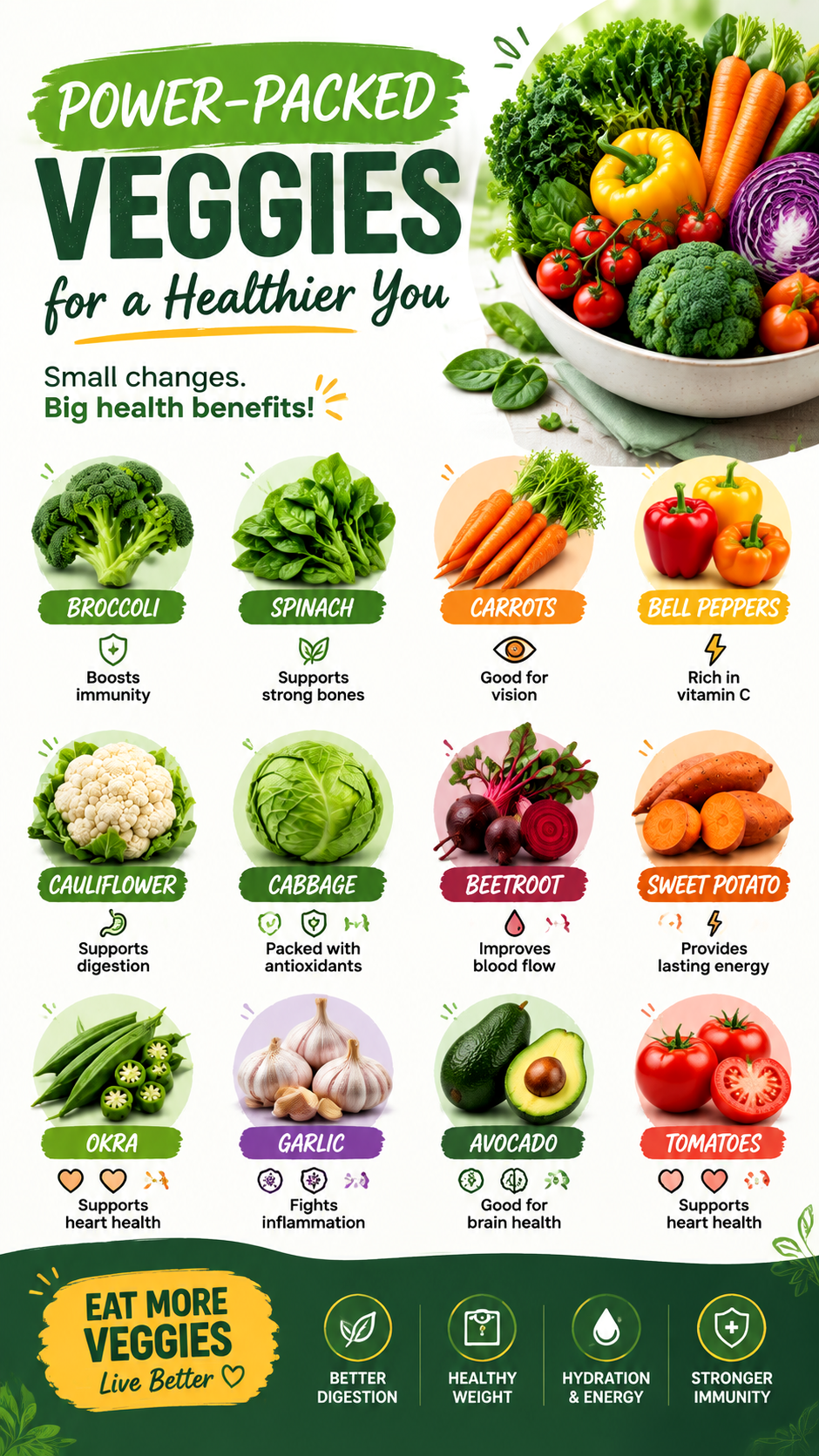
Adding more fibre-rich vegetables to your daily meals is one of the simplest ways to support better digestion, improve overall nutrition, and create healthier eating habits. Colourful vegetables such as broccoli, spinach, green peas, carrots, cauliflower, cabbage, okra, sweet potatoes, and beetroot are packed with natural fibre that helps your body feel balanced and energized.
Fibre plays an important role in digestive wellness because it supports regular bowel movements, helps maintain a healthy gut environment, and contributes to a satisfying meal experience. Whether you are planning healthier recipes, improving your diet, or simply looking for nutrient-dense foods, high fibre vegetables are a smart addition to everyday meals.
Key Takeaways
- High fibre vegetables help support healthy digestion and gut function.
- Vegetables like broccoli, peas, spinach, and carrots provide valuable dietary fibre.
- A variety of colourful vegetables can make meals more nutritious and enjoyable.
- Pairing fibre-rich foods with enough water supports digestive comfort.
- Small daily changes can create long-term healthy eating habits.
Why Fibre-Rich Vegetables Matter for Your Health
Dietary fibre is a natural component found in plant foods that supports several important functions in the body. Unlike other nutrients that are broken down and absorbed, fibre moves through the digestive system in a unique way, helping promote a healthy digestive process.
Vegetables are an excellent source of fibre because they provide this important nutrient along with vitamins, minerals, antioxidants, and plant compounds. Including a range of vegetables in your meals can help create a more balanced approach to nutrition.
Important: Fibre works best as part of a balanced lifestyle. Gradually increasing your vegetable intake and drinking enough water can help your body adjust comfortably while supporting digestive wellness.
Top High Fibre Vegetables to Add to Your Meals
The vegetables featured in this guide show how easy it can be to include more fibre through everyday ingredients. Each vegetable offers a different taste, texture, and nutritional profile, making it easier to create meals that are both enjoyable and nourishing.
Broccoli and Green Peas
Broccoli is a popular fibre-rich vegetable that works well in salads, stir-fries, soups, and roasted dishes. Its crunchy texture and mild flavour make it easy to combine with many different meals.
Green peas are another convenient source of vegetable fibre. They can be added to rice dishes, soups, pasta, or simple side dishes for extra nutrition and natural sweetness.
Spinach and Methi Leaves
Leafy greens like spinach and methi leaves are excellent choices for increasing vegetable intake. They are easy to cook and can be included in smoothies, curries, omelettes, and healthy bowls.
Adding leafy vegetables regularly is a practical way to bring more variety and plant-based nutrients into your diet without making complicated changes.
Carrots, Beetroot, and Sweet Potatoes
Root vegetables such as carrots, beetroot, and sweet potatoes are naturally satisfying and versatile. Their slightly sweet flavours make them suitable for roasted dishes, soups, salads, and healthy snacks.
These vegetables can help add colour and texture to meals while increasing your intake of fibre-rich plant foods.
Cauliflower, Cabbage, and Okra
Cruciferous vegetables like cauliflower and cabbage are popular choices for healthy meal preparation. They can be steamed, roasted, sautéed, or added to comforting recipes.
Okra is another fibre-friendly vegetable known for its unique texture. It works especially well in soups, stews, and traditional vegetable dishes.
How Fibre Supports Better Digestion
One of the most recognized benefits of fibre is its connection to digestive health. Fibre helps add bulk to food as it moves through the digestive system, which supports a smoother digestive process.
There are two main types of fibre: soluble fibre and insoluble fibre. Soluble fibre absorbs water and forms a gel-like substance, while insoluble fibre adds structure and helps food move through the digestive tract.
A combination of different fibre sources from vegetables, fruits, legumes, and whole grains can help create a more diverse and balanced diet.
Simple Ways to Eat More Fibre Every Day
Increasing fibre intake does not require a complete lifestyle change. Small adjustments can make a meaningful difference over time.
- Add spinach, peas, or broccoli to your favourite meals.
- Choose vegetables as a regular part of lunch and dinner.
- Mix different coloured vegetables for a wider variety of nutrients.
- Keep washed and prepared vegetables available for quick meals.
- Experiment with roasting, steaming, and grilling methods.
Creating Balanced Meals with Fibre-Rich Vegetables
A healthy plate does not need to be complicated. Combining fibre-rich vegetables with protein sources, healthy fats, and quality carbohydrates can create satisfying meals that support everyday wellness.
Breakfast Ideas
Add spinach to eggs, blend leafy greens into smoothies, or enjoy vegetables alongside whole-grain options for a fibre-friendly start to the day.
Lunch and Dinner Ideas
Create colourful vegetable bowls, add roasted vegetables to meals, or prepare soups using ingredients like cauliflower, carrots, cabbage, and peas.
Healthy Snack Ideas
Fresh vegetable sticks, roasted sweet potatoes, or simple vegetable-based snacks can help increase your daily intake of nutrient-rich foods.
Expert Insight
- Eating a variety of vegetables helps provide different types of fibre.
- Colourful plates often include a wider range of plant nutrients.
- Healthy eating habits are built through consistent daily choices.
Fibre Goals and Healthy Lifestyle Habits
Many health guidelines encourage adults to include a sufficient amount of dietary fibre each day. While individual needs can vary, focusing on whole plant foods is a practical way to move toward a healthier eating pattern.
Vegetables are not only about fibre. They also contribute hydration, natural plant compounds, and essential nutrients that support overall wellness.
Important: A healthy lifestyle is created through repeated choices. Adding one or two extra servings of fibre-rich vegetables each day can be a simple step toward better nutrition.
At a Glance
- Choose a mix of colourful fibre-rich vegetables.
- Add vegetables to meals throughout the day.
- Drink enough water when increasing fibre intake.
- Focus on consistency rather than perfection.
Conclusion
High fibre vegetables are a simple and delicious way to support better digestion and build a healthier lifestyle. From broccoli and spinach to carrots, peas, cabbage, and sweet potatoes, these everyday foods make it easier to create meals that are colourful, satisfying, and nourishing.
By adding more vegetables to your plate, exploring new recipes, and creating balanced eating habits, you can enjoy the long-term benefits of a fibre-focused approach to wellness. Start with small changes, choose a variety of vegetables, and make healthy eating a natural part of your daily routine.
Tags
High Fibre Vegetables
Digestive Health
Gut Health Foods
Healthy Eating
Fibre Rich Foods
Vegetable Nutrition
Healthy Lifestyle